
Sauces & Condiments
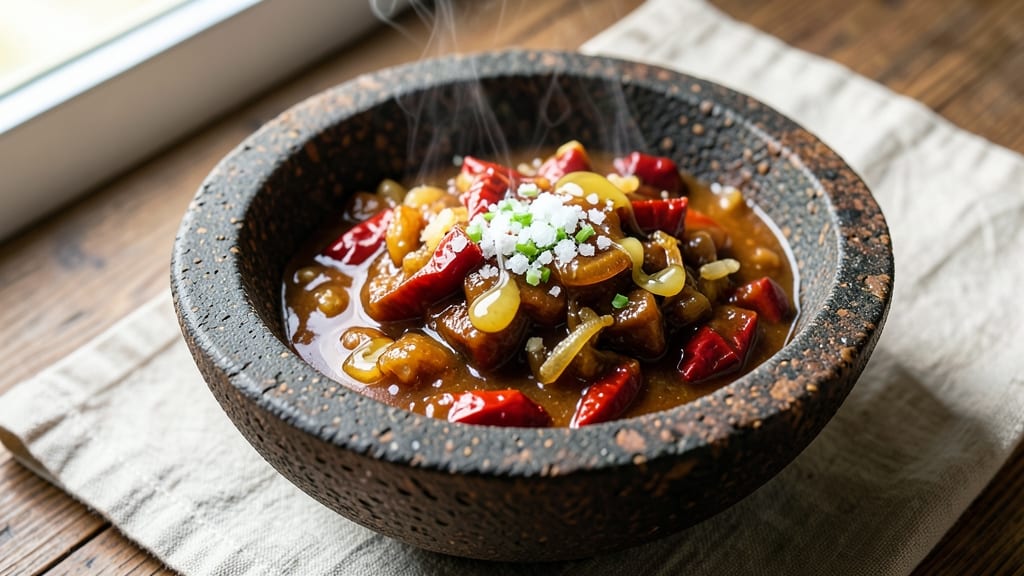
This authentic Puerto Rican hot sauce delivers the bold, citrusy heat of traditional ají dulce and ají criollo peppers—exactly what transforms simple dishes into vibrant, flavor-packed meals. The secret lies in balancing sweet, smoky peppers with bright citrus and aromatic garlic, creating a sauce that's both complex and approachable.
I've perfected this recipe through years of testing, ensuring every batch captures the island's signature tangy-spicy profile without overpowering your food.
The process begins with fresh peppers—ají dulce for its sweet, fruity heat or ají criollo for a sharper kick—simmered with garlic, onions, and vinegar until deeply infused.
A splash of lime juice and a touch of sugar round out the flavors, while a short fermentation period (if using traditional methods) adds depth.
This isn't just another hot sauce; it's a versatile condiment that elevates everything from grilled meats to plantains, with a shelf life of up to 6 months when stored properly in sterilized glass jars.
What sets this sauce apart is its authenticity—no artificial colors or preservatives, just pure, vibrant flavor. The peppers develop a smoky-sweet character from slow cooking, while the citrus brightens every bite.
Whether you're drizzling it over mofongo, mixing it into marinades, or serving it as a dip, this sauce delivers restaurant-quality heat with a touch of island charm. The best part? It's easier to make than you think, with just a handful of ingredients and minimal effort.
Once you taste the difference between store-bought and homemade, you'll never go back. The key is patience—letting the flavors meld over time creates a sauce that's far more nuanced than anything you'll find in bottles.
Store it in the fridge for up to 3 months or extend its shelf life with proper canning techniques. Ready to bring Puerto Rican flavor to your table? Let's get started.
Ingredients for authentic puerto rican hot sauce
Fresh peppers, bright citrus, and aromatic garlic—just nine ingredients transform into vibrant Puerto Rican hot sauce.
| Ingredient | Amount | Notes |
|---|---|---|
| Ají Dulce Peppers 🌶️ | 1 lb | Fresh, seeds removed, chopped |
| Ají Criollo Peppers 🌶️ | ½ lb | Fresh, seeds removed, chopped |
| Yellow Onions 🧅 | 1 whole | Medium-sized, chopped finely |
| Garlic Cloves 🧄 | 6 cloves | Fresh, peeled, minced finely |
| White Vinegar 💧 | 1 cup | Distilled, 5% acidity preferred |
| Fresh Lime Juice 🍋 | ½ cup | Strained, no pulp |
| Granulated Sugar 🍚 | ¼ cup | White or raw cane sugar |
| Extra-Virgin Olive Oil 🫒 | ¼ cup | For finishing, fruity variety |
| Salt 🧂 | 1 tsp | Diamond Crystal kosher salt |
The peppers are the heart of this sauce. Ají dulce brings sweet, fruity heat, while ají criollo adds sharper kick—both essential for authentic flavor. Latin markets often carry these, but if unavailable, substitute with a mix of red bell peppers and habaneros (adjust heat to taste). Look for peppers with vibrant color and firm texture—avoid any with soft spots or wrinkles. The onions and garlic should be fresh, with no signs of sprouting or discoloration. For vinegar, distilled white vinegar is ideal, but apple cider vinegar works too if you prefer a fruity note.
No ají peppers? Red bell peppers and habaneros (1:1 ratio) mimic the sweet-spicy balance, though the flavor won't be identical. Fresh lime juice is non-negotiable for brightness—bottled juice lacks the same punch, but it's better than skipping it entirely. Sugar can be swapped for agave nectar or honey (though honey isn't vegan), but keep the amount identical. The olive oil is purely for finishing—use a fruity, extra-virgin variety to complement the sauce's complexity. If you're sensitive to heat, reduce the habanero amount by half or omit it entirely.
This sauce keeps beautifully. Store in a sterilized glass jar in the fridge for up to 3 months or extend its shelf life to 6 months using proper canning techniques. For best flavor, let it sit at room temperature for 1-2 hours before serving—this allows the peppers to develop their smoky depth. The sauce thickens as it cools, so thin with a splash of vinegar or water if needed. Always use a clean spoon to avoid contamination, and refrigerate unused portions promptly.
Why You'll Love This Recipe
- No Special Tools Needed: I swear by this recipe because it only needs a knife, a pot, and a blender—no fancy gadgets. The ají peppers and onions caramelize right in the pan while I chat with my neighbor, then it’s a quick blend and strain. That’s it. No stress, no cleanup marathon.
- Sweet Heat Balance: Here’s what sold me—the ají dulce’s fruity sweetness actually tames the ají criollo’s kick, so it’s never one-note. The vinegar brightens it up like a citrusy punch, and the garlic? Oh, it lingers in the best way. One taste and you’ll understand why this isn’t just hot sauce—it’s a flavor bomb.
- Weeknight Magic: Between us, I keep a jar of this in the fridge because it turns everything into a fiesta. Drizzle it on tostones, toss it with rice, or even mix it into mayo for sandwiches. My kids dip fries in it like it’s ketchup (but way better), and my partner pours it on grilled chicken like it’s holy water.
- Pantry Staple Power: Honestly, this sauce lasts forever—I’ve had jars for months, and it only gets richer. Plus, the ingredients cost pennies: a few peppers, an onion, garlic, and vinegar. No fancy imports, no markup. Make a big batch, share it, or save it for when you’re craving that Puerto Rican soul without the restaurant price tag.
Step-by-step instructions for authentic Puerto Rican hot sauce
Here's how to craft this bold sauce that captures the island's fiery spirit and bright citrus notes.
Prepare and Cook the Pepper Base
Start by combining all 1 lb of chopped ají dulce peppers and 0.5 lb of chopped ají criollo peppers in a large, heavy-bottomed saucepan. Add the finely chopped yellow onions and minced garlic cloves to the pan. The peppers should dominate the mixture, with onions and garlic providing aromatic depth.
Cook over medium heat for 10-12 minutes, stirring frequently, until the peppers soften and begin to release their oils. You'll smell an intense, smoky aroma developing—this is your first indication the flavors are melding. Keep the heat steady; you want the peppers to break down without burning. If the mixture starts to stick, add 1-2 tablespoons of water to help it release from the pan. The goal is a thick, jam-like consistency that will form the sauce's foundation.
Add Vinegar and Simmer
Pour in the 1 cup of white vinegar all at once and stir well to combine. The vinegar will help preserve the sauce and balance the heat with its sharp acidity. Increase the heat to medium-high and bring the mixture to a boil, then immediately reduce to a gentle simmer.
Let it simmer uncovered for 20-25 minutes, stirring occasionally. You're looking for the mixture to reduce by about one-third—this concentration deepens the flavors and creates that signature Puerto Rican sauce body. The sauce should thicken noticeably, and the raw pepper taste will mellow into a complex, smoky sweetness. If it reduces too quickly, add 1-2 tablespoons of water to maintain the right consistency.
Incorporate Sweetness and Acid Balance
Once the pepper-vinegar mixture has reduced, stir in the 0.5 cup of fresh lime juice and 0.25 cup of granulated sugar. The lime juice adds a bright, citrusy tang that cuts through the heat, while the sugar rounds out the flavors and balances the acidity. Let the sauce simmer for an additional 5-7 minutes to allow the sugar to fully dissolve and the flavors to meld.
Taste the sauce at this stage—it should have a perfect balance of heat, sweetness, and acidity. If it's too sweet, add 1-2 tablespoons of lime juice; if it's too sharp, add 1 teaspoon of sugar. The heat level should be intense but well-rounded, with the ají peppers providing a lingering warmth rather than an overwhelming burn.
Finish and Emulsify
Remove the sauce from heat and let it cool slightly for 5 minutes. While it cools, whisk in the 0.25 cup of extra-virgin olive oil in a slow, steady stream. The oil helps emulsify the sauce, giving it a silky texture and mellowing the heat slightly. Stir continuously until the oil is fully incorporated and the sauce has a smooth, glossy appearance.
Add the 1 teaspoon of salt and mix well. Let the sauce cool completely to room temperature before transferring it to a clean, airtight jar. The flavors will continue to develop as it sits, so it's best to let it rest for at least 24 hours before using. This resting period allows the heat to mellow and the flavors to harmonize into a truly authentic Puerto Rican hot sauce.
Pro Tips For Making Authentic Puerto Rican Hot Sauce
- Char the Peppers First: I learned this the hard way—skipping the char ruins the depth. Sear the ajíes (dulce and criollo) directly over a gas flame or in a dry skillet until blackened in spots. That smoky bitterness is what makes authentic Puerto Rican hot sauce sing. No broiler? A cast-iron pan works just as well—just keep them moving.
- Seed and Mince the Ajíes: Remove seeds and veins from both peppers before dicing—especially the ají criollo, which packs more heat. Mince them finely (smaller than usual hot sauce chunks) so they blend into the vinegar base instead of sitting as separate pieces. A sharp knife and a little patience here make a real difference.
- Cook the Onions Slow: After charring, sweat the onions in a separate pan with a splash of water for 8–10 minutes until translucent but not browned. Rushing this step means your sauce will taste raw and sharp. Low heat is your friend—this isn’t the time to rush.
- Balance the Vinegar: Start with 1:1 vinegar to pepper ratio, then taste before bottling. If it’s too harsh, add a pinch of sugar or a splash of water. If it’s too mild, stir in a little extra pepper paste or a dash of salt. Authentic Puerto Rican hot sauce should be tangy but never overwhelming—adjust as you go.
Perfect pairings for authentic puerto rican hot sauce
Mofongo Magic
This hot sauce is a game-changer for mofongo, Puerto Rico's iconic fried plantain dish. After frying and mashing the plantains with garlic and olive oil, drizzle 2-3 tablespoons of this sauce over the top.
The sweet-spicy balance cuts through the richness, while the citrus brightens every bite. I like to serve it with a side of camarones a la plancha (grilled shrimp) for a complete island-inspired meal. 🌶️
Grilled Meats
Use this sauce as a marinade or finishing drizzle for pernil, lechón, or grilled chicken. For marinating, combine ¼ cup sauce with 1 tablespoon olive oil and let the meat soak for at least 2 hours (or overnight for deeper flavor).
For grilled shrimp or steak, brush on 1-2 tablespoons in the last 5 minutes of cooking. The vinegar and garlic in the sauce add a smoky char when exposed to high heat. 🔥
Seafood Dips
Serve this sauce as a dip alongside calamares fritos (fried squid) or ceviche. The acidity and heat complement the briny flavors beautifully. I like to pair it with crispy plantain chips or tostones for a perfect appetizer spread.
For extra flair, sprinkle with fresh cilantro and serve with lime wedges on the side. 🍋
Breakfast Pairings
Brighten up your morning with this sauce on tostones (twice-fried plantains) or as a condiment for huevos fritos (fried eggs). The heat wakes up your taste buds, while the citrus keeps it fresh.
I also love drizzling it over avocado slices for a spicy, creamy contrast. For a heartier breakfast, mix 1 tablespoon into scrambled eggs with cheese and ham. ✨
Cocktail Enhancer
Add a splash of this sauce to Piña Coladas or Mojitos for a fiery twist. Start with ½ teaspoon per drink and adjust to taste—it adds a tangy, spicy kick that pairs perfectly with rum.
For a non-alcoholic option, mix 1 teaspoon into sparkling water with lime for a refreshing, spicy drink. Garnish with a lime wheel for presentation. 🍹
Storage-Friendly Uses
Once opened, store your sauce in the fridge for up to 3 months or freeze in ice cube trays for single-serving portions. The concentrated cubes are perfect for adding heat to soups, stews, or marinades without thinning the sauce.
For long-term storage, can the sauce in sterilized jars for up to 6 months—just ensure the jars are properly sealed to maintain freshness. 💫
Nutrition facts
Frequently asked questions
Can I substitute ají peppers if I can't find them?
Yes! For ají dulce, use a mix of red bell peppers and habaneros (1:1 ratio) to mimic the sweet-spicy balance. For ají criollo, try jalapeños or serrano peppers—they'll give a similar sharp kick. Adjust heat by removing seeds or adding more vinegar to balance.
How long should I ferment the sauce for?
Fermentation adds depth, but it's optional! For a quick version, skip it and proceed with simmering. For traditional flavor, ferment for 3-5 days in a glass jar at room temperature (stir daily). The longer it ferments, the deeper the tangy, smoky notes become. Always refrigerate after fermentation.
Why does my sauce look too thin?
Sauce thickens as it cools—don't worry if it looks runny while hot! If it's still too thin after cooling, simmer uncovered for 10 more minutes to reduce further. For immediate thickening, mix 1 teaspoon cornstarch with 1 tablespoon water, stir into the sauce, and simmer 2 minutes.
Can I make this sauce without vinegar?
Vinegar is key for preservation and tang, but you can try lemon juice or white wine (reduce by 2 tablespoons) as substitutes. The flavor will be milder, and the sauce won't last as long (use within 2 weeks refrigerated). For best results, stick with vinegar.
How do I adjust the heat level?
For milder heat, remove pepper seeds before chopping or reduce ají criollo by half. For extra spice, add 1-2 extra habaneros or ½ teaspoon cayenne pepper during simmering. Always taste before finishing—you can't remove heat later!