
Sauces & Condiments
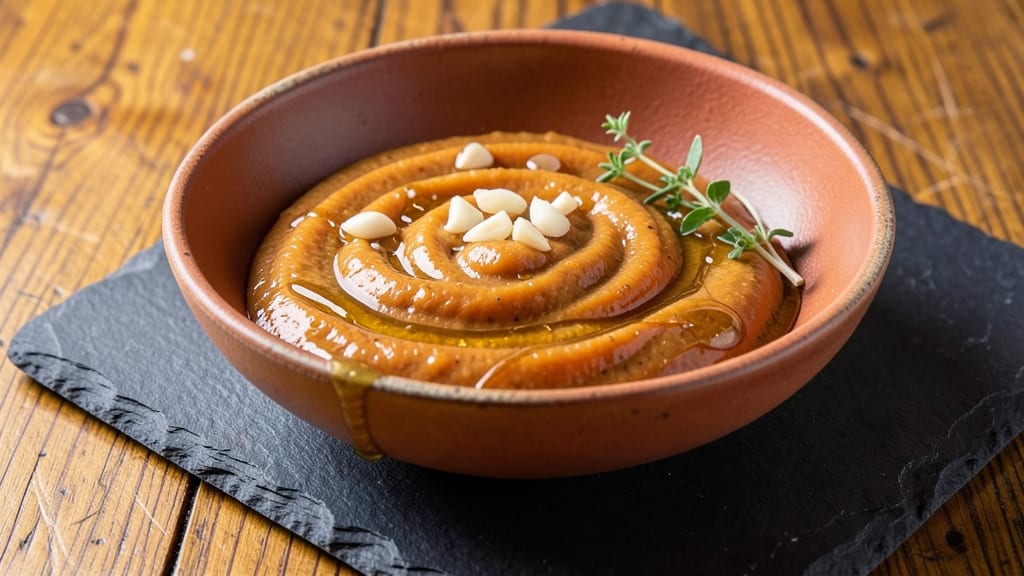
This apricot mustard sauce recipe transforms ordinary grilled chicken into a restaurant-worthy masterpiece with its perfect balance of sweet, tangy, and slightly spicy flavors. The secret lies in simmering fresh apricot purée with Dijon mustard and a touch of honey, creating a glossy, velvety sauce that clings beautifully to meat.
I developed this recipe after years of testing—it’s the one that finally convinced even the most skeptical family members to try something beyond ketchup.
The sauce comes together in just 15 minutes with simple pantry staples: apricots (fresh, dried, or puréed), Dijon mustard, honey, and a splash of apple cider vinegar for brightness. The key is reducing the mixture gently to thicken it just enough for drizzling without losing that vibrant color.
What makes this sauce truly special is its versatility—it elevates grilled chicken, pork chops, or even sandwiches with a gourmet touch.
What you’ll end up with is a sweet-tangy drizzle that’s smooth, aromatic, and packed with layers of flavor. The apricot adds natural sweetness, the mustard brings heat, and the vinegar ties it all together with acidity.
This isn’t just a sauce; it’s a game-changer for weeknight dinners or special occasions, and it keeps well in the fridge for up to a week.
Ready to elevate your meals? This sauce is foolproof, customizable, and guaranteed to impress. Let’s get started—your taste buds will thank you.
Ingredients for apricot mustard sauce
Six pantry staples plus fresh apricots create this velvety, restaurant-worthy drizzle.
| Ingredient | Amount | Notes |
|---|---|---|
| Fresh Apricots 🍑 | 1 lb | Pitted, peeled, puréed smooth |
| Dijon Mustard 🍯 | ½ cup | High-quality, smooth variety |
| Honey 🍯 | ¼ cup | Wildflower preferred for depth |
| Apple Cider Vinegar 🍎 | ¼ cup | Raw, unfiltered for tang |
| Extra-Virgin Olive Oil 🫒 | ¼ cup | Light fruity variety |
| Fresh Garlic Cloves 🧄 | 3 cloves | Minced finely for aroma |
| Salt 🧂 | ½ tsp | Diamond Crystal preferred |
| Ground Black Pepper 🌶️ | ¼ tsp | Freshly cracked preferred |
| Red Pepper Flakes 🔥 | ¼ tsp | Optional, for subtle heat |
The apricots are the star—fresh is ideal, but dried work in a pinch (soak in warm water first). I always grab the organic ones from Trader Joe's when they're in season; their vibrant color means better flavor. For puréeing, a food mill or blender works best—skip the strainer unless you want a smoother texture. The Dijon mustard should be smooth, not coarse—Maille is my go-to, but any quality brand does. If you're using dried apricots, soak them 20 minutes before puréeing to soften.
No fresh apricots? Mango purée at half the amount works surprisingly well. Short on honey? Maple syrup or agave at the same quantity, but honey's floral notes are what make this sauce special. The apple cider vinegar is non-negotiable for that bright tang—substitute lemon juice at double the amount if needed. Want more depth? Add a pinch of smoked paprika. For the olive oil, avoid extra-light varieties—they lack flavor. And yes, you can make this with jarred apricot jam (reduce the honey slightly), but fresh tastes like a million bucks.
This sauce keeps beautifully—1 week refrigerated sealed in a jar with a thin layer of olive oil on top to preserve freshness. Freezes for 3 months if portioned into ice cube trays. I always double the batch because it disappears fast—great for chicken, pork, or even drizzled over roasted veggies. The color will darken slightly as it sits, but that just means it's developing more flavor. Trust me, the second day is when it really shines.
Why You'll Love This Recipe
- Five-Minute Magic: I swear by this sauce—just toss halved apricots, Dijon, and honey into a blender, hit pulse, then drizzle in vinegar and olive oil. No peeling, no chopping, no stress. That’s how you make a weeknight feel like a fancy dinner.
- Sweet-Savory Balance: The apricots bring jammy richness while the Dijon and vinegar cut through with tang. Honestly, it’s the kind of flavor that makes you pause mid-bite—like a hug in sauce form, but with more umami.
- Dress-Up Anything: Slather it on grilled chicken, drizzle over roasted veggies, or toss with pasta. I’ve even used it as a glaze for salmon—works every time. Between us, it’s my secret weapon for turning simple meals into “I went out” vibes.
- Leftovers That Last: This sauce keeps for a solid week in the fridge, and honestly? It tastes even better the second day. Make a double batch, stash it, and thank your future self when you’re scrambling for a last-minute dinner fix.
Step-by-step instructions for apricot mustard sauce
Here's how to create a perfect balance of sweet, tangy, and savory flavors that'll elevate any grilled dish.
Purée the Apricots Smoothly
Start by placing the 1 lb fresh apricots in a food processor or blender. I like to pit and peel them first for a completely smooth texture—no strings or skins. Add ½ teaspoon of salt and ¼ teaspoon of ground black pepper to enhance the fruit's natural sweetness while balancing the flavors.
Blend until completely smooth, scraping down the sides as needed. You should have about 1½ cups of puréed apricots—this is your sweet base. If you prefer an even smoother texture, strain through a fine-mesh sieve to remove any remaining pulp. Set the purée aside while you prepare the other ingredients.
Cook the Base Ingredients
In a medium saucepan, combine the ½ cup Dijon mustard, ¼ cup honey, ¼ cup apple cider vinegar, and ¼ cup extra-virgin olive oil. Place over medium heat and stir constantly for 3-4 minutes until the mixture starts to simmer gently. This step helps the flavors meld together and creates a smooth, cohesive base.
I know it seems like a lot of liquid, but trust me—this combination creates the perfect balance of tangy, sweet, and rich notes. Watch for small bubbles forming around the edges of the pan—that's your signal the mixture is ready for the next step.
Incorporate the Apricot Purée
Reduce the heat to low and slowly pour in the apricot purée while stirring continuously. This gradual addition prevents the sauce from curdling or separating. Once fully incorporated, stir in the 3 minced garlic cloves and ¼ teaspoon of red pepper flakes (if using). Let the sauce simmer gently for 5-7 minutes until it thickens slightly.
Here's where it gets fun—the sauce should start to coat the back of a spoon with a glossy sheen. If it's too thick, add 1-2 tablespoons of water to loosen it. If it's too thin, simmer for another 2-3 minutes to reach your desired consistency. Taste and adjust the seasoning with more salt or pepper if needed.
Finish and Strain for Smoothness
Once the sauce reaches your preferred thickness, remove it from heat and let it cool for 5 minutes. For an ultra-smooth texture, strain it through a fine-mesh sieve into a clean bowl. This step removes any remaining garlic bits and ensures a silky finish.
Give the sauce a final taste—you should notice a perfect harmony of sweet apricot, tangy mustard, and subtle heat from the red pepper flakes. The sauce should be thick enough to coat the back of a spoon but still drizzle easily over grilled chicken or fish. Let it cool completely before serving to allow all the flavors to fully develop.
Store and Use
Transfer the sauce to an airtight container and refrigerate for up to 1 week. When ready to use, give it a quick stir and reheat gently in a small saucepan over low heat for 2-3 minutes until warmed through. This sauce pairs beautifully with grilled chicken, pork chops, or even as a glaze for roasted vegetables.
Here's the thing—this sauce tastes even better the next day as the flavors continue to meld. I like to drizzle it over warm grilled chicken right before serving, letting the heat of the meat warm it up perfectly. Enjoy your homemade apricot mustard sauce!
Pro Tips For Making Apricot Mustard Sauce
- PEEL AND PIT THE FRUIT: I learned this the hard way—skipping the pits in fresh apricots turns your sauce into a gritty mess. Use a small paring knife to slice around the pit, then twist it out; no need for fancy tools, just patience and a steady hand.
- LOW AND SLOW SIMMER: This sauce isn’t a race. Simmer on medium-low heat for at least 10–12 minutes after adding the vinegar—rushing it leaves the mustard sharp and the apricots underripe. A gentle bubble keeps the flavors melding, not burning.
- SALT THE MUSTARD FIRST: Taste that Dijon before mixing it in. Stir in a pinch of fine sea salt (about ¼ teaspoon) to balance its acidity upfront—this prevents the sauce from tasting one-note later, no matter how much honey you add.
- STRAIN FOR SMOOTHNESS: If you’re using fresh apricots, blend them first, then strain through a fine-mesh sieve to remove skins. (Yes, it’s extra work, but those fibrous bits make the sauce clump.) For a quicker version, just mash the cooked fruit with a fork—it’s still delicious, just less refined.
Serving suggestions for this apricot mustard sauce
Grilled Meats
This sauce transforms ordinary grilled chicken into a showstopper, but it works magic on other meats too. Drizzle it over pork chops or lamb chops for a sweet-tangy contrast that caramelizes beautifully on the grill.
I love using it on ribeye steaks—just brush it on during the last 2 minutes of grilling for a glossy finish. For extra richness, add a pinch of smoked paprika to the sauce before serving. 🔥
Sandwich Spread
Turn your next sandwich into a gourmet experience by slathering this sauce between slices of ciabatta or sourdough. Pair it with grilled chicken, prosciutto, or even roasted turkey for a lunch that feels special.
I like to add a sprinkle of fresh thyme and a few toasted pine nuts for crunch. Trust me, it’s a game-changer for picnics or quick lunches.
Roasted Vegetables
This sauce isn’t just for meat—it elevates roasted vegetables like nothing else. Toss asparagus, carrots, or brussels sprouts with 2 tablespoons of olive oil, roast until tender, then drizzle with warmed sauce.
The sweetness of the apricot balances the earthiness of the veggies perfectly. For extra flair, garnish with toasted walnuts or crumbled feta cheese.
Dipping Sauce
Use this sauce as a dip for spring rolls, fresh mozzarella sticks, or even crudité. Thin it slightly with water or broth if needed for a smoother consistency.
I like to serve it chilled in a small bowl with a drizzle of honey on top for an elegant touch. It’s a crowd-pleaser at parties or as a quick appetizer.
Breakfast Twist
Start your day with a sweet-savory breakfast by drizzling this sauce over pancakes, French toast, or avocado toast. The apricot and mustard combo adds a sophisticated flavor that pairs surprisingly well with bacon or sausage.
For a fun twist, mix 1 tablespoon of the sauce into scrambled eggs for a flavor-packed breakfast. 💛
Nutrition facts
Frequently asked questions
Can I use dried apricots instead of fresh in this sauce?
Yes! Soak ½ cup dried apricots in warm water for 20 minutes to soften, then drain and purée them. You'll need about 1 cup of puréed dried apricots (double the fresh amount) to match the recipe's sweetness. The texture will be slightly thicker, so thin with 1-2 tablespoons water if needed.
How do I adjust the sweetness or heat level?
For less sweetness, reduce honey by 1 tablespoon or add ½ teaspoon lemon juice to balance. For more heat, increase red pepper flakes to ½ teaspoon or add a pinch of cayenne. Always taste as you go—this sauce is highly customizable!
Can I make this sauce without a food processor?
Mash the apricots with a fork or potato masher until smooth, then strain through a fine-mesh sieve to remove any lumps. For the purée, you can also use a mortar and pestle (though it takes more effort). The key is achieving a smooth texture for the best drizzle consistency.
What's the best way to reheat this sauce?
Gently warm in a small saucepan over low heat for 2-3 minutes while stirring constantly. Avoid high heat—it can cause the sauce to separate. For quick use, microwave for 15-20 seconds (stir well after). Always reheat just until warm, not boiling.
How can I make this sauce spicier?
Add ½ teaspoon of hot sauce or 1 teaspoon of minced fresh jalapeño during the final simmer. For a smoky kick, stir in ¼ teaspoon of smoked paprika or a dash of chipotle powder. Remember, flavors intensify when chilled—start conservatively!