
Sauces & Condiments
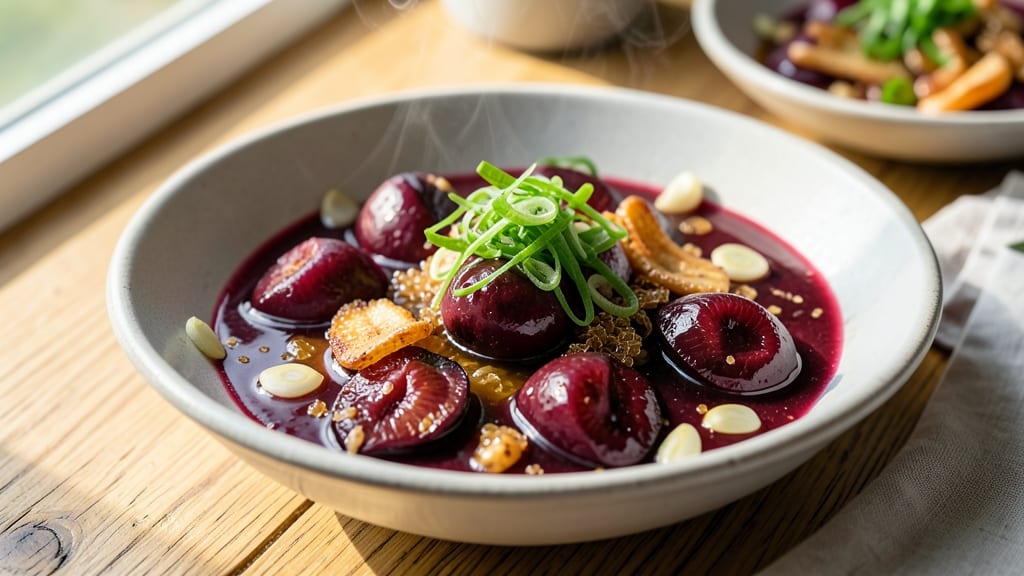
This authentic plum sauce recipe transforms simple ingredients into a vibrant, sweet-tangy glaze that elevates grilled meats, dumplings, and spring rolls. The balance of plums, vinegar, and spices creates a sauce that's both complex and approachable—perfect for weeknight dinners or special occasions.
Simmering reduces the sauce to a glossy, concentrated consistency, locking in all those bright, fruity flavors.
The secret lies in the slow reduction, which intensifies the natural sweetness of the plums while preserving their tangy depth. Traditional recipes rely on just a few key ingredients—no artificial additives or shortcuts—making this sauce as flavorful as it is authentic.
Once you taste the difference, store-bought versions will never measure up again.
What you’ll end up with is a versatile glaze that works as a dipping sauce, marinade, or finishing touch for grilled dishes. The rich, glossy texture clings beautifully to wings, pork, or vegetables, adding layers of umami and sweetness with every bite.
Best of all, it keeps well in the fridge for up to two weeks, so you can make a big batch and enjoy it all season.
Whether you’re serving up spring rolls, glazing grilled pork, or drizzling over fried dumplings, this plum sauce delivers restaurant-quality flavor at home. The process is straightforward, but the results are undeniably impressive—proof that authenticity doesn’t require complicated techniques, just patience and attention to detail.
Ingredients for authentic plum sauce
Nine simple ingredients transform into a restaurant-quality plum sauce that's sweet-tangy and full of umami.
| Ingredient | Amount | Notes |
|---|---|---|
| Fresh Plums 🍑 | 1 ½ lb | Pitted and roughly chopped |
| Rice Vinegar 🍶 | ½ cup | White or seasoned variety |
| Brown Sugar 🍚 | ¾ cup | Packed firmly for sweetness |
| Fresh Ginger 🌿 | 2 tbsp | Finely grated, aromatic |
| Garlic Cloves 🧄 | 4 cloves | Minced for depth of flavor |
| Soy Sauce 🍶 | ¼ cup | Light or dark preferred |
| Sesame Oil 🫒 | 1 tbsp | Toasted for nutty aroma |
| Ground Star Anise 🌶️ | ½ tsp | Or 1 whole anise pod |
| Ground Cinnamon 🌿 | ¼ tsp | Freshly ground preferred |
| Salt 🧂 | ½ tsp | Diamond Crystal kosher |
Plums are the heart of this sauce—look for ripe, juicy varieties like Santa Rosa or Italian prunes at the grocery store. Trader Joe's and Whole Foods often carry excellent options, but any firm, fragrant plums work. Avoid overly soft ones, as they won't hold up well during simmering. The ginger and garlic should be freshly grated and minced—pre-minced garlic loses its punch quickly. For the brown sugar, pack it firmly into the measuring cup to ensure the right consistency. If you can't find whole star anise, ground works fine, but the whole pods add a lovely aroma during cooking.
No rice vinegar? White vinegar or apple cider vinegar in a pinch, though rice vinegar's mild sweetness is ideal. Short on soy sauce? Coconut aminos or tamari work beautifully. The sesame oil is non-negotiable for that nutty depth—avoid the cheap, flavorless kind. If you're avoiding sugar, reduce the brown sugar by half and add 2 tbsp maple syrup for balance. For a quicker version, you can use frozen plums (thawed and drained), though fresh yields the best texture. The sauce thickens as it cools, so if it's too thin while warm, simmer uncovered for another 5-10 minutes to reduce.
This sauce keeps beautifully—up to 2 weeks in the fridge once cooled completely. Pour it into a clean, airtight jar and store it in the back of the fridge where it's coolest. For longer storage, freeze in ice cube trays—perfect for single-use portions later. The flavors actually improve over time as the sweetness and acidity marry. If you make a big batch, divide it into smaller containers so you're not dealing with one giant jar. Trust me, you'll want to use this up fast—it disappears quicker than you think!
Why You'll Love This Recipe
- No Pits, No Stress: I’ll be real—peeling and pitting plums sounds tedious, but this sauce only needs one plum chopped (the rest are for flavor). Five minutes of prep, then it’s all hands-off simmering while you sip tea or scroll through memes.
- Sweet-Savory Magic: That first bite of garlic and ginger hitting the back of your throat, then the plums’ jammy richness cutting through—it’s like a hug for your taste buds. Honestly, I’ve made store-bought versions, but this? It’s the real deal, with none of that sickly aftertaste.
- Weeknight Wingman: Drizzle it over grilled chicken, toss it with noodles, or slap it on spring rolls—this sauce works. I keep a jar in the fridge because it’s my go-to for turning boring takeout into something special. (Yes, even on a Tuesday night.)
- Lasts All Week: Make a big batch—it keeps for weeks in the fridge, and the flavor only deepens. Brown sugar caramelizes over time, so leftovers taste even better. Between us, I’ve had this sauce three days later and still craved more. That’s efficiency.
Step-by-step instructions for authentic plum sauce
Here's how to craft this beloved Asian condiment with perfect balance and depth.
Simmer Plums Until Soft and Jammy
In a medium saucepan, combine the 1.5 lb fresh plums (pitted and roughly chopped) with the 0.5 cup rice vinegar and 0.75 cup brown sugar. Bring to a gentle boil over medium-high heat, then immediately reduce to medium-low. Let the mixture simmer uncovered for 15-20 minutes, stirring occasionally, until the plums break down into a thick, jammy consistency.
You'll know it's ready when the sauce thickens noticeably and the plums lose their distinct shape. Here's the thing—don't rush this step. The longer the plums cook, the more their natural sweetness melds with the vinegar's tang. If the sauce starts sticking to the pan, add 1-2 tablespoons of water to keep it moving smoothly.
Add Aromatics and Build Complex Flavor
Once the plum mixture is thickened, stir in the 2 tbsp finely grated fresh ginger and 4 minced garlic cloves. Let these aromatics cook for 3-4 minutes until fragrant but not browned—you want them to perfume the sauce without adding bitterness. This is where the sauce develops its signature depth.
Next, add the 0.25 cup soy sauce, 1 tbsp sesame oil, 0.5 tsp ground star anise, 0.25 tsp ground cinnamon, and 0.5 tsp salt. Stir well to combine, then return the heat to medium-low. The star anise will release its licorice-like aroma, while the cinnamon adds warmth. Let everything simmer together for 5-7 minutes, stirring occasionally, until the flavors meld completely.
Reduce for Perfect Thickness and Balance
Now comes the crucial reduction step. Increase the heat to medium-high and let the sauce bubble vigorously for 8-10 minutes, stirring frequently. This is where the magic happens—the sauce will thicken dramatically as the liquid evaporates, intensifying the flavors and creating that signature glossy glaze.
You're aiming for a sauce that coats the back of a spoon but still flows smoothly. Taste as you go—it should be sweet, tangy, and slightly salty with a hint of spice. If it's too thick, add 1 teaspoon of water at a time until you reach the perfect consistency. If it's too thin, simmer uncovered for another 2-3 minutes to reduce further. The sauce should be thick enough to cling to grilled meats or dumplings without being syrupy.
Strain and Finish for Silky Smoothness
Once the sauce reaches the perfect thickness, remove it from heat and let it cool for 5 minutes. Then, strain it through a fine-mesh sieve into a clean bowl, pressing gently on the solids to extract all the flavor. This step removes any lingering plum skins or anise seeds, giving you that silky, restaurant-quality texture.
For extra shine, I like to add 1 teaspoon of toasted sesame oil at the end—just a drizzle to enhance the nutty aroma. Taste again and adjust seasoning if needed. The sauce should be perfectly balanced: sweet from the plums and sugar, tangy from the vinegar, umami from the soy sauce, and warmly spiced from the cinnamon and star anise. Let it cool completely before using, as it will thicken further as it sits.
Pro Tips For Making Authentic Plum Sauce
- Simmer Slow and Steady: Plum sauce isn’t a race—low heat (medium-low) for 20-25 minutes prevents scorching and lets the flavors meld properly. I learned this the hard way when my first batch turned into a sticky, bitter mess because I kept bumping up the heat to hurry things along.
- Pit Those Plums Properly: Use a small paring knife to slice a shallow cross on the bottom of each plum, then drop them into boiling water for 30 seconds to loosen the pits. This avoids the frustration of fighting stubborn pits later—trust me, your fingers (and your sauce) will thank you.
- Balance the Vinegar First: Taste the raw vinegar before adding sugar—if it’s too sharp, reduce it by 1-2 tablespoons. I used to dump in all the vinegar first, then panic when the sauce tasted harsh. Start with half, then adjust; you can always add more sugar, but you can’t take it out.
- Strain for Smoothness: After simmering, force the sauce through a fine-mesh sieve (or cheesecloth) to remove ginger and garlic bits. Yes, it’s an extra step, but skipping it leaves a gritty texture that’s the opposite of silky. Do it while the sauce is still warm—it strains easier.
Storing and reheating this authentic plum sauce
Fridge Storage Tips
Transfer your homemade plum sauce to an airtight glass jar once cooled completely—I love using Le Parfait 16-ounce jars for their tight seals. Store it in the back of your fridge where it's coolest, and it'll keep for up to 2 weeks. The flavors actually deepen over time, so don't hesitate to make a big batch. Just
Freezing for Long-Term Use
For longer storage, freeze the sauce in ice cube trays—perfect for single-use portions later. Once frozen, transfer the cubes to a freezer-safe bag and flatten to save space. This method preserves texture beautifully, and you can thaw just what you need. The sauce maintains its quality for up to 3 months in the freezer. Pro tip: Label your bags with the date so you can track freshness. ❄️
Reheating for Best Texture
To reheat, transfer the sauce to a small saucepan and warm over low heat for 3-5 minutes, stirring constantly. Avoid high heat—it can make the sauce too thin.
If it thickens too much while reheating, add ½ teaspoon of water at a time until it reaches that perfect glossy, spoon-coating consistency. For microwave reheating, use 30-second intervals at 50% power, stirring between each. 🔥
Reviving Stored Sauce
If your plum sauce has separated or thickened too much after refrigeration, simply reheat it gently and stir in 1 teaspoon of warm water to restore smoothness. The sauce will naturally thicken as it cools again, so don't worry about adjusting it right away.
For extra shine, add ½ teaspoon of toasted sesame oil before serving. This trick works especially well if you've stored the sauce for a week or more—it brings back that restaurant-quality sheen. ✨
Portioning for Convenience
Divide your plum sauce into smaller containers (like 4-ounce jars) before storing. This makes it easy to grab just what you need for dipping spring rolls or glazing grilled pork without dealing with one giant jar.
I keep these in the fridge door for quick access during weeknight cooking. The smaller portions also freeze beautifully, so you're always ready for spontaneous meals. 📅
Using Leftovers Creatively
Don't let leftover plum sauce go to waste! Use it as a glaze for grilled meats, a dipping sauce for dumplings, or even a marinade for chicken skewers. The sauce's versatility means it won't last long—trust me, it disappears faster than you think.
If you find yourself with extra, consider freezing it in single-portion sizes for future use. The flavors only get better with time! 💡
Nutrition facts
Frequently asked questions about authentic plum sauce
Can I substitute dried plums for fresh?
Yes, but you'll need to adjust the liquid ratio. Use 1 cup dried plums (soaked in ½ cup warm water for 20 minutes) instead of 1.5 lb fresh plums. Drain well before adding to the saucepan, as dried plums release less moisture. The texture will be slightly thicker, so reduce the brown sugar by 1 tablespoon to balance the sweetness.
Why is my plum sauce too thin?
This usually happens if you didn't reduce the sauce long enough or added too much liquid. For a quick fix, simmer uncovered over medium heat for 5-10 minutes**, stirring often, until it thickens. If it's still too thin, mash 1-2 fresh plums into the sauce to help bind it. For prevention, always use medium-low heat during reduction and avoid stirring constantly, which can prevent proper thickening.
What's the best way to use leftover plum sauce?
This versatile sauce works as a glaze for grilled chicken or pork, a dipping sauce for spring rolls or dumplings, or even a marinade for beef skewers. For extra richness, brush it on baked tofu or drizzle over fried rice. The sauce also makes an excellent topping for pancakes or waffles—just warm it slightly to restore its glossy texture before serving.
Can I make plum sauce without sugar?
Reduce the brown sugar to ½ cup and add 2 tablespoons of maple syrup or honey for natural sweetness. For extra depth, increase the plums to 1.75 lb to maintain balance. The sauce will be slightly less sweet but still beautifully tangy. If you prefer it sweeter, add 1 tablespoon of date paste instead of sugar for a refined option.
How do I know when the sauce is perfectly balanced?
Taste it at each stage! The ideal plum sauce should have four distinct flavors: sweet (from plums and sugar), tangy (vinegar), umami (soy sauce), and aromatic (ginger, garlic, spices). Start with equal parts sweet and tangy, then adjust the soy sauce for saltiness. The spices should add warmth without overpowering. If it tastes too sweet, add ½ teaspoon more vinegar; if too tangy, stir in ½ teaspoon more sugar.