
Sauces & Condiments
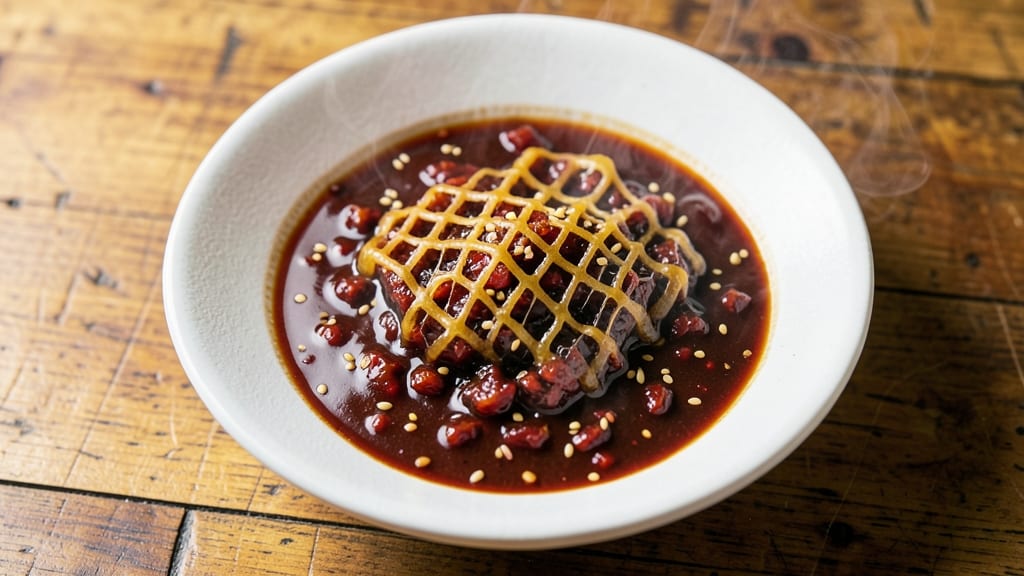
The Applebee's Sweet Asian Chili Sauce copycat recipe delivers that signature blend of sweet, spicy, and tangy flavors you crave with every bite. 🔥 This isn’t just a sauce—it’s the secret weapon behind their most popular dishes, and now you can make it at home with simple pantry staples.
The key lies in balancing sweetness with just the right amount of heat, plus a touch of vinegar for that signature zing that sets it apart from store-bought versions.
What makes this recipe work is the simmering technique, which allows the flavors to meld together into a smooth, glossy sauce that’s perfect for dipping, drizzling, or tossing.
Unlike many copycat recipes, this version uses real chili paste for depth, honey for sweetness, and a splash of rice vinegar to cut through the richness. The result? A sauce that’s shelf-stable for up to a month in the fridge, so you can stock up and enjoy it anytime.
Once you taste this homemade version, you’ll never settle for the bottled stuff again. The sweet heat is perfectly balanced, with just enough spice to linger without overpowering.
It’s the kind of sauce that elevates everything from spring rolls to grilled meats, and it’s surprisingly easy to make—no fancy equipment required. Let’s get started on recreating that iconic Applebee’s flavor at home.
This recipe is designed to be foolproof, with precise measurements and clear instructions to ensure you nail the texture and taste every time. Whether you’re a seasoned home cook or a beginner, you’ll walk away with a sauce that’s restaurant-quality and ready to transform your meals.
The best part? You’ll save money and avoid the artificial aftertaste found in many store-bought sauces.
Ingredients for applebee's sweet asian chili sauce copycat
Pantry staples plus a few specialty finds make this iconic sauce at home.
| Ingredient | Amount | Notes |
|---|---|---|
| Red Chili Paste 🌶️ | ½ cup | High-quality, not powdered |
| Honey 🍯 | ½ cup | Wildflower preferred for depth |
| Rice Vinegar 💧 | ¼ cup | White or seasoned variety |
| Low-Sodium Soy Sauce 🍶 | ¼ cup | Kikkoman preferred |
| Brown Sugar 🍚 | ¼ cup | Packed light, not granulated |
| Fresh Garlic Cloves 🧄 | 4 cloves | Minced, not powdered |
| Fresh Ginger 🌿 | 1 tbsp | Grated, not powdered |
| Water 💧 | ½ cup | Room temperature |
| Sesame Oil 🫒 | 1 tbsp | Toasted, not flavored |
| Salt 🧂 | ½ tsp | Kosher or sea salt |
The chili paste is non-negotiable—Thai Kitchen or Maesri from the Asian aisle are my go-tos. Look for the smooth, paste variety, not the powdered kind. Honey should be wildflower if you can find it (the flavor depth is insane), but clover works too. The rice vinegar adds that signature tang, so don't skimp. Trader Joe's has a great organic version if you want to splurge. For the soy sauce, Kikkoman is the standard, but any low-sodium brand will do. The brown sugar? Pack it tightly—lightly packed equals wasted sauce.
No chili paste? Sriracha plus a pinch of cayenne gets you close, but it won't have the same depth. Skip the honey? Maple syrup works in a pinch, though it's slightly less sweet. The ginger and garlic can be swapped for 1 tbsp fresh galangal if you're feeling fancy. Sesame oil is key for that nutty aroma—don't use flavored, just plain toasted. The water is just to thin it out, but you can adjust if you want it thicker or thinner. Pro tip: Simmer uncovered to let the alcohol evaporate from the soy sauce and vinegar.
This sauce keeps for up to 1 month in the fridge, sealed tight. For longer storage, freeze in ice cube trays—perfect for portion control. I always make double batches because it disappears fast. The flavor actually improves after a few days as everything melds together. If it gets too thick, just add a splash of water or vinegar. Trust me, you'll want to make this all the time once you taste it.
Why You'll Love This Recipe
- Pantry Magic: I swear by this recipe because it uses stuff I already have—no special shopping needed. That red chili paste? Just one jar, and it does all the work. The honey and brown sugar balance the heat so perfectly, I’ve made it three times in a row without even checking the pantry first.
- Sweet Heat Fix: Here’s what sold me—the way the rice vinegar cuts through the richness while the soy sauce adds depth. It’s not too spicy, not too sweet; it’s that just-right moment when you take a bite and think, “Yes, this is why I love copycat recipes.”
- Dip Everything: Between us, this sauce is my secret weapon for lazy nights. Toss it with noodles, drizzle it on grilled chicken, or just serve it in a bowl with fries. My kids even ask for it at potlucks—no one turns down something this versatile.
- Budget Stretch: A single batch costs me pennies and lasts for weeks. I make a double batch, store it in the fridge, and use it in stir-fries, marinades, or even as a glaze. Honestly? It’s the kind of recipe that makes me feel like I’m feeding a crowd without breaking the bank.
Step-by-step instructions for Applebee's sweet Asian chili sauce
Here's how to recreate that signature sweet-spicy sauce with perfect balance.
🍳 Step 1: Bloom the Chili Paste and Aromatics
Heat a small saucepan over medium heat and add the 0.5 cup red chili paste. Stir constantly for 2-3 minutes until it becomes fragrant and slightly darker—this releases the chili's natural oils and depth. Here's the thing: don't rush this step. You'll see the paste bubble gently and smell that unmistakable spicy-sweet aroma.
Add the 4 cloves minced fresh garlic and 1 tablespoon grated fresh ginger, stirring for another 30 seconds until the garlic turns golden and the ginger loses its raw bite. This is where the foundation of your sauce's complex flavor builds. If the garlic starts to brown too quickly, reduce the heat slightly—you want aromatic, not burnt.
🍳 Step 2: Add Wet Ingredients and Simmer
Pour in the 0.5 cup honey, 0.25 cup rice vinegar, 0.25 cup low-sodium soy sauce, and 0.25 cup brown sugar all at once. Stir vigorously to combine—you'll see the mixture bubble up as the sugar begins to dissolve. This is the moment that matters: the vinegar will make the sauce look temporarily cloudy, but don't worry, it'll clear up as it simmers.
Bring the mixture to a gentle boil, then immediately reduce heat to low-medium. Let it simmer uncovered for 8-10 minutes, stirring occasionally, until it thickens slightly and coats the back of a spoon. You're looking for a sauce that's still pourable but noticeably thicker than when you started. If it reduces too quickly, add 1-2 tablespoons of water to maintain the right consistency.
🍳 Step 3: Finish with Sesame Oil and Salt
Remove the saucepan from heat and stir in the 1 tablespoon toasted sesame oil and 0.5 teaspoon salt. The sesame oil will give that signature nutty aroma and rich finish. Taste the sauce now—it should be perfectly balanced between sweet, tangy, and spicy. If it needs more heat, add a pinch more chili paste. For extra tang, add a splash more rice vinegar.
Let the sauce cool slightly before transferring to a clean jar. The flavors will meld even more as it sits. This sauce keeps beautifully in the refrigerator for up to 2 weeks, making it perfect for dipping, drizzling, or storing for future meals. The key is patience—don't rush the simmering, and you'll get that restaurant-quality consistency every time.
Pro Tips For Making Applebee'S Sweet Asian Chili Sauce Copycat
- STIR CONSTANTLY FIRST 3 MINUTES: I learned this the hard way—when you add the red chili paste to the simmering liquid, don’t walk away. The paste clumps like glue if you let it sit, and you’ll end up with a lumpy sauce no matter how much you stir later. Keep that spoon moving until everything dissolves completely.
- USE GRANULATED BROWN SUGAR: Packed brown sugar? Skip it. The moisture makes your sauce watery and dilutes the flavor. Granulated dissolves cleanly and lets the sweetness shine without turning your chili sauce into syrup. Trust me, your taste buds will notice the difference.
- DON’T BOIL THE VINEGAR: I used to crank the heat too high after adding rice vinegar, and it’d turn sharp and harsh. Simmer gently—just enough to keep bubbles tiny and slow. You want the acid to mellow into the sauce, not fight for dominance. Low and steady wins the flavor race.
- SWAP HONEY FOR MAPLE SYRUP: Short on honey? Maple syrup works just as well—it adds depth without overpowering the chili’s heat. Use the same amount, but reduce the brown sugar by 1 tablespoon since maple’s already got its own sweetness. Your sauce will taste richer, not cloying.
Common mistakes when making this dish
Rushing the Bloom
Skipping the 2-3 minute bloom time for the chili paste is the fastest way to ruin your sauce. This step develops the chili's natural oils and depth—without it, your sauce will taste flat and one-dimensional.
I've made this mistake multiple times, and the difference is night and day. Trust me, those extra minutes pay off with rich, complex flavor that mimics the restaurant version perfectly. 🌶️
Ignoring the Vinegar
The 0.25 cup rice vinegar is what gives this sauce its signature tangy zing. Many copycat recipes skip it or use too little, which is why homemade versions often taste too sweet. I recommend using Trader Joe's organic rice vinegar—it's bright and clean.
If you accidentally leave it out, the sauce will taste cloying. For extra authenticity, add a pinch of white pepper to complement the vinegar's acidity.
Over-Simmering the Sauce
Simmering too long can turn your glossy sauce into a thick, syrupy mess. The goal is 8-10 minutes of gentle simmering, not hours. I've seen people walk away and forget about it, only to return to a sauce that's almost caramelized.
Keep an eye on it and stir occasionally to prevent sticking. If it starts to look too thick, add 1-2 tablespoons of water to restore the right consistency.
Using Powdered Chili
Powdered chili paste won't give you the same depth of flavor as the real thing. The paste contains chili oils and spices that are lost when you use powder.
If you're out of options, mix 2 tablespoons of Sriracha with ½ teaspoon of cayenne pepper for a close substitute, but it won't be perfect. I always recommend picking up a tube of Thai Kitchen chili paste from the Asian aisle—it's worth the small investment for that authentic taste.
Skipping the Sesame Oil
The 1 tablespoon toasted sesame oil adds a nutty aroma and depth that's essential to the flavor profile. Many people overlook this step, thinking it's optional, but it's what gives the sauce that final restaurant-quality touch.
If you're avoiding it because of the strong flavor, use just ½ tablespoon—it'll still make a difference. The key is to add it at the very end, right before removing from heat.
Not Tasting as You Go
Tasting your sauce throughout the process is crucial for balancing the flavors. After adding the wet ingredients, taste it again after simmering, and once more after adding the sesame oil. This sauce is all about balance—sweet, spicy, and tangy should all be present but not overpowering.
If it needs more heat, add a pinch of chili paste. For extra tang, a splash of rice vinegar does the trick. Don't be afraid to adjust—it's the only way to get it just right. 💡
Nutrition facts
Frequently asked questions
Can I make this sauce without rice vinegar?
The rice vinegar is key for that signature tangy brightness, but you can substitute 1 tablespoon apple cider vinegar or white wine vinegar if needed. Just know the flavor will be slightly different—less delicate and more assertive. For the closest match, use Trader Joe's organic rice vinegar, which has a clean, mild acidity that works perfectly.
How do I adjust the sweetness or spice level?
For less sweetness, reduce the honey by 1 tablespoon and add 1 extra tablespoon of rice vinegar to balance. For more heat, add ½ teaspoon extra chili paste or a pinch of cayenne. Always taste as you go—this sauce is all about balance! The recipe is designed to be flexible, so don't be afraid to tweak it to your preference.
Can I use this sauce in cooking instead of just dipping?
This sauce works beautifully as a marinade for chicken or pork, a glaze for roasted veggies, or a stir-fry sauce. Just reduce the water content by 2 tablespoons if using it for cooking to prevent thinning. For stir-fries, add it in the last 2 minutes of cooking to let the flavors meld. The sweet-spicy balance makes it perfect for glazing grilled meats or drizzling over noodle dishes.
Why does my sauce look cloudy after simmering?
The cloudiness happens when the vinegar and sugar haven't fully emulsified yet. Keep simmering uncovered for 5-7 more minutes—the sauce will gradually clear up as the mixture thickens. If it's still cloudy, stir in ½ teaspoon cornstarch mixed with 1 teaspoon water to help stabilize it. This is completely normal and won't affect the flavor!
How long will this sauce last, and can I freeze it?
This sauce stays fresh for up to 1 month in the fridge when stored in an airtight container. For longer storage, freeze in ice cube trays—thaw as needed for perfect portions. The texture may separate slightly after freezing, but just stir well before using. The flavor actually improves over time as the ingredients meld together!