
Sauces & Condiments
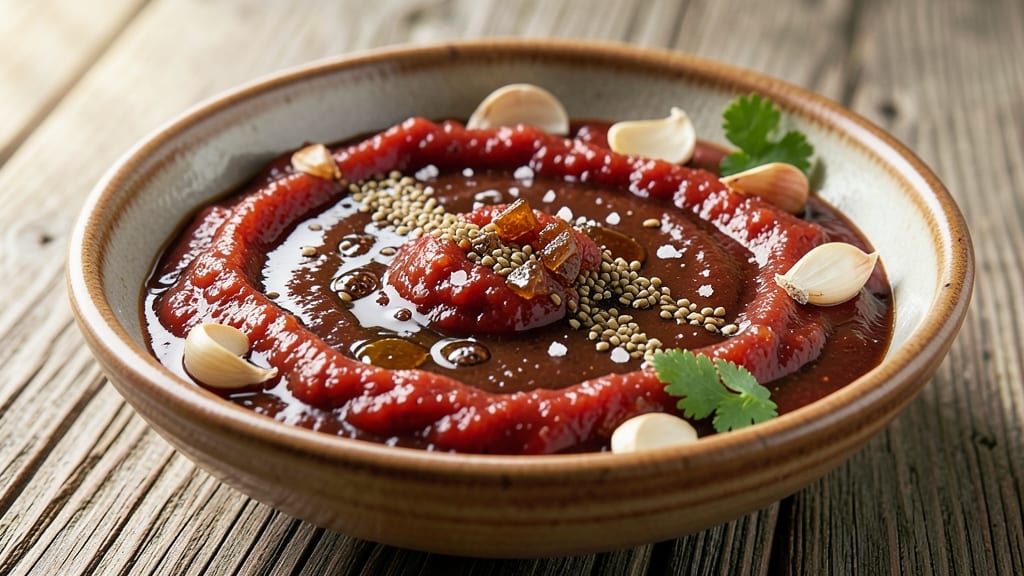
This ancho chile BBQ sauce recipe transforms dried chilies into a smoky, complex sauce that elevates everything from grilled meats to tacos. The deep, earthy flavor of ancho chilies—paired with tomato, vinegar, and a touch of sweetness—creates a sauce that’s rich yet balanced, with just the right kick.
I developed this recipe after years of experimenting with dried chilies, and it’s become my go-to for adding authentic depth to dishes without overpowering them.
The beauty of this sauce lies in its versatility and simplicity. With just 10 ingredients and 30 minutes of active time (plus simmering), you’ll create a sauce that’s restaurant-quality but easy to replicate at home.
The key is toasting the spices and simmering the mixture until it thickens—this builds layers of flavor that jarred sauces simply can’t match. The ancho chile powder provides that signature smoky, slightly sweet heat, while the vinegar and sugar round out the acidity and sweetness.
What you’ll end up with is a glossy, velvety sauce that clings perfectly to grilled chicken, ribs, or even roasted vegetables. It’s tangy enough to cut through rich meats but mellow enough to let the natural flavors shine through. The best part?
It keeps well in the fridge for up to 2 weeks, so you can make a big batch and use it all week. Whether you’re slathering it on brisket, drizzling it over tacos, or using it as a marinade, this sauce will become your new kitchen staple.
For those who love to experiment, I’ve included tips for adjusting the spice level—add more chile powder for heat or a pinch of sugar to balance it.
Pair it with bold flavors like citrus or fresh cilantro for an extra layer of brightness. Let’s get cooking—your taste buds (and your BBQ) will thank you.
Ingredients for ancho chile bbq sauce
Ten simple ingredients transform dried chilies into a restaurant-worthy BBQ sauce.
| Ingredient | Amount | Notes |
|---|---|---|
| Ancho Chile Powder 🌶️ | ½ cup | High-quality, toasted for depth |
| Tomato Paste 🍅 | ½ cup | Squeeze tube or canned preferred |
| Apple Cider Vinegar 🍎 | ¼ cup | For tangy brightness |
| Brown Sugar 🍚 | ¼ cup | Light or dark preferred |
| Garlic Cloves 🧄 | 4 cloves | Peeled, rough chopped |
| Ground Cumin 🌿 | 1 tbsp | Toasted for deeper flavor |
| Smoked Paprika 🌶️ | 1 tbsp | For extra smokiness |
| Salt 🧂 | 1 tsp | Diamond Crystal preferred |
| Black Pepper 🌶️ | ½ tsp | Freshly ground preferred |
| Water 💧 | 1 cup | Or apple cider for extra flavor |
Ancho chile powder is the heart of this sauce—look for brands like Gourmet Mexican Foods or La Costeña for the best quality. Toasting the spices (cumin and paprika) in a dry pan before adding them to the sauce brings out their flavors dramatically. Trader Joe's often carries good ancho powder, but if you're near a Latin market, grab a whole dried ancho—it's cheaper and you can toast it yourself for extra depth. The tomato paste? Rao's or Muir Glen are my go-tos—they're smooth and consistent. If you're using canned paste, drain it well to avoid a watery sauce.
No ancho powder? Pasilla or guajillo chilies work in a pinch—just toast, soak, and blend them into a paste. Short on vinegar? Lemon juice or balsamic vinegar adds brightness, though the flavor will differ slightly. The brown sugar can be swapped for maple syrup or agave if you're avoiding refined sugar. For extra smokiness, add a dash of liquid smoke (about 1/2 tsp), but use sparingly—it's potent. The garlic can be roasted for a sweeter, deeper flavor—just wrap the whole cloves in foil and roast at 400°F for 20 minutes before chopping.
This sauce thickens as it cools, so don't worry if it looks thin right after simmering. Store it in a glass jar with a tight seal in the fridge for up to 2 weeks, or freeze for 6 months in ice cube trays for single-use portions. The flavors actually improve over time, so make a big batch. If it gets too thick, just stir in a splash of water or vinegar. For extra richness, whisk in 1 tbsp of vegetable oil or melted vegan butter before serving.
Why You'll Love This Recipe
- Pantry Magic: I swear by this sauce because it uses stuff I already have—no last-minute grocery runs. That ancho powder? It’s my secret weapon, turning a simple tomato paste base into something smoky and deep without needing fancy ingredients.
- Smoky Sweet Hook: The brown sugar and vinegar balance the heat perfectly—like a hug for your taste buds. Honestly, I’ve tried store-bought sauces that can’t match this combo’s warmth and tang.
- Weeknight Flex: Slather it on grilled chicken for dinner, toss it with roasted potatoes for lunch, or even drizzle it over tacos at a party. It’s my go-to when I need something reliable that works everywhere.
- Budget Game-Changer: A single jar of ancho powder and a can of tomato paste stretch into gallons of sauce. I make a big batch, freeze it, and pull it out whenever I’m craving that rich, smoky flavor without breaking the bank.
Step-by-step instructions for ancho chile BBQ sauce
Here's how to build a rich, smoky sauce from scratch—simple steps for bold flavor.
Bloom the Spices in Tomato Paste
In a medium saucepan over medium heat, combine the 0.5 cup tomato paste with the 1 tablespoon ground cumin and 1 tablespoon smoked paprika. Stir constantly for 2-3 minutes until the spices release their aroma and the paste darkens slightly. You'll notice the kitchen filling with that deep, earthy scent—this is where all the flavor magic begins.
Don't walk away during this step. The spices need constant attention to prevent burning, which would turn bitter. If the mixture starts to darken too quickly, reduce the heat to low and keep stirring. This initial blooming creates the sauce's complex foundation.
Add Wet Ingredients and Simmer
Pour in the 1 cup water, 0.25 cup apple cider vinegar, and 0.25 cup brown sugar. Stir well to combine, then add the 4 cloves rough chopped garlic. Bring the mixture to a gentle boil, then immediately reduce the heat to medium-low and let it simmer uncovered for 10 minutes. You'll see the sauce begin to thicken and develop a glossy sheen.
I like to taste the sauce at this stage—it should be tangy from the vinegar and slightly sweet from the brown sugar. If it's too acidic, add a pinch more sugar. If it needs more depth, you can add a splash of water now, but we'll adjust thickness later. The goal is balanced flavor before adding the ancho chile powder.
Incorporate Ancho Chile Powder
Remove the pan from heat and let it cool slightly for 2 minutes—this prevents the sauce from curdling when you add the ancho chile powder. Then, whisk in the 0.5 cup ancho chile powder until completely dissolved. The sauce will darken dramatically and become smoother. Return the pan to low heat and simmer for another 5 minutes, stirring occasionally.
Here's where the sauce transforms. The ancho chile powder adds that signature smoky depth and subtle sweetness. If you notice any undissolved powder, whisk vigorously or strain the sauce through a fine-mesh sieve for a silky texture. The final color should be a rich, deep red with a slight sheen.
Season and Adjust Consistency
Add the 1 teaspoon salt and 0.5 teaspoon black pepper, then taste the sauce. This is your final chance to balance the flavors—add more salt if needed, or a splash of vinegar if it's too sweet. For a smoother texture, use an immersion blender to blend the sauce directly in the pan. If you prefer a slightly thicker consistency, simmer uncovered for 3-5 more minutes to reduce.
The sauce should coat the back of a spoon but still be pourable. If it's too thick, whisk in 1 tablespoon water at a time until you reach the desired consistency. Let it cool completely before storing—this allows the flavors to meld even more.
Store and Use
Transfer the sauce to a clean glass jar and let it cool to room temperature. Once cooled, refrigerate for up to 2 weeks or freeze for up to 3 months. The flavors will deepen as it sits, making it even more complex over time. This sauce is incredibly versatile—use it as a marinade, glaze, or dipping sauce for grilled meats, roasted vegetables, or even as a pizza sauce base.
When ready to use, reheat gently over low heat, stirring occasionally. If the sauce thickens too much during reheating, thin it with a splash of water or apple cider vinegar. The key to great ancho chile BBQ sauce is patience—let it work its magic, and you'll have a sauce that rivals anything store-bought.
Pro Tips For Making Ancho Chile Bbq Sauce
- Bloom the Ancho Powder: Dump the ancho powder into a bowl first and whisk it with ¼ cup warm water or broth before adding to the pot—this prevents clumping like a stubborn glue ball. I learned this the hard way when my first batch turned into a gritty, uneven sludge instead of a smooth base.
- Toast the Garlic: Smash the garlic cloves flat with the side of your knife, then sear them in oil until golden-brown and slightly crispy before adding to the sauce. This adds depth that raw garlic can’t match—skip this, and you’ll miss that nutty, caramelized punch.
- Simmer Low and Slow: Once the sauce is combined, drop the heat to a bare simmer and let it cook uncovered for at least 20 minutes. Rushing it keeps the flavors raw and one-dimensional; patience here makes the difference between good and wow.
- Balance the Vinegar: Add the apple cider vinegar gradually, tasting as you go—too much upfront and the sauce turns sharp and unbalanced. I now taste after every tablespoon and adjust the brown sugar to match, ensuring the sweetness and tang play off each other.
Regional styles of this recipe
Texas-Style Smoky Depth
In Texas, BBQ is all about bold flavors and slow-cooked meats, and ancho chile sauce fits right in. I remember my first time using this sauce at a Central Texas BBQ joint—it had that perfect balance of smoky heat and tangy sweetness that made the brisket sing.
The key here is toasting the spices until they’re fragrant and deep, just like I do with my Lodge cast iron skillet over medium heat for 2-3 minutes. This brings out the natural oils in the cumin and paprika, giving that authentic Texas BBQ depth. 🔥
Mexican Street Food Twist
Back in Mexico, this sauce would be the star of street tacos or grilled carne asada. The ancho chile’s earthy sweetness pairs perfectly with citrusy lime and fresh cilantro.
I like to add a splash of lime juice (about 1 tbsp) to the finished sauce for that bright, zesty kick. For extra authenticity, serve it with corn tortillas and a sprinkle of cotija cheese.
The contrast of the warm, smoky sauce with the cool, crumbly cheese is pure magic.
Carolina-Inspired Heat
If you love the heat of Carolina BBQ, this sauce delivers with a twist. The ancho chile adds a smoother, fruitier heat compared to the vinegar-forward sauces you’d find in the Carolinas.
I like to boost the spice by adding ½ tsp cayenne pepper or a pinch of chipotle powder to the mix. It’s perfect for slathering on pulled pork or drizzling over grilled shrimp skewers.
The smokiness cuts through the richness of pork, while the vinegar keeps it bright and tangy.
California Fusion Approach
Out west, BBQ gets a fresh, lighter touch—think grilled veggies and citrus. This sauce works beautifully with grilled portobello mushrooms or eggplant steaks. I like to thin it slightly with orange juice (about 2 tbsp) to balance the smokiness with a bright, fruity note.
It’s also fantastic as a marinade for tofu or tempeh, giving it that deep, complex flavor without overpowering. The California crowd loves it drizzled over avocado toast with chili flakes—trust me, it’s a game-changer. 🌟
Smoky Campfire Sauce
For those who love their BBQ with a campfire vibe, this sauce is your best friend. The ancho chile’s natural smokiness pairs perfectly with charcoal-grilled meats or even smoked salmon.
I like to finish it with a dash of liquid smoke (just ¼ tsp) for an extra layer of campfire flavor. It’s ideal for foil-packet meals or as a glaze for grilled pineapple slices.
The sweetness of the pineapple complements the sauce’s depth, making it a crowd-pleaser at any outdoor gathering.
Nutrition facts
Frequently asked questions
Can I substitute ancho chile powder with other dried chilies?
Yes! For a similar flavor, use pasilla or guajillo chiles—toast them first, then blend with 1/4 cup hot water to make a paste. The heat level will vary slightly, so adjust to taste. Avoid habaneros or serranos—they're much hotter and will overpower the sauce.
How do I adjust the spice level if it's too mild?
Add 1/4 tsp cayenne pepper or 1/2 tsp chipotle powder and simmer for 5 more minutes to let the heat develop. For a smoky kick, stir in 1/4 tsp liquid smoke. Always taste first—you can't reverse heat, but you can balance it with more vinegar or sugar.
Why did my sauce turn grainy or separate?
This usually happens if the spices weren't toasted enough or the sauce cooled too quickly. Prevent it by whisking constantly while simmering and straining through a fine-mesh sieve if needed. For extra smoothness, blend with an immersion blender after cooling. The sauce should be velvety, not gritty.
Can I make this sauce in a slow cooker?
Combine all ingredients in your slow cooker and cook on Low for 2-3 hours, stirring occasionally. The low heat prevents burning and lets flavors meld gently. For a quicker version, use High for 1 hour, but check frequently to avoid scorching.
What's the best way to use leftover sauce?
Try it as a marinade for grilled chicken or shrimp, a dip for tostadas, or a glaze for roasted vegetables. For extra richness, stir in 1 tbsp melted butter or olive oil before serving. The sauce keeps well for 2 weeks refrigerated or 3 months frozen.