
Sauces & Condiments
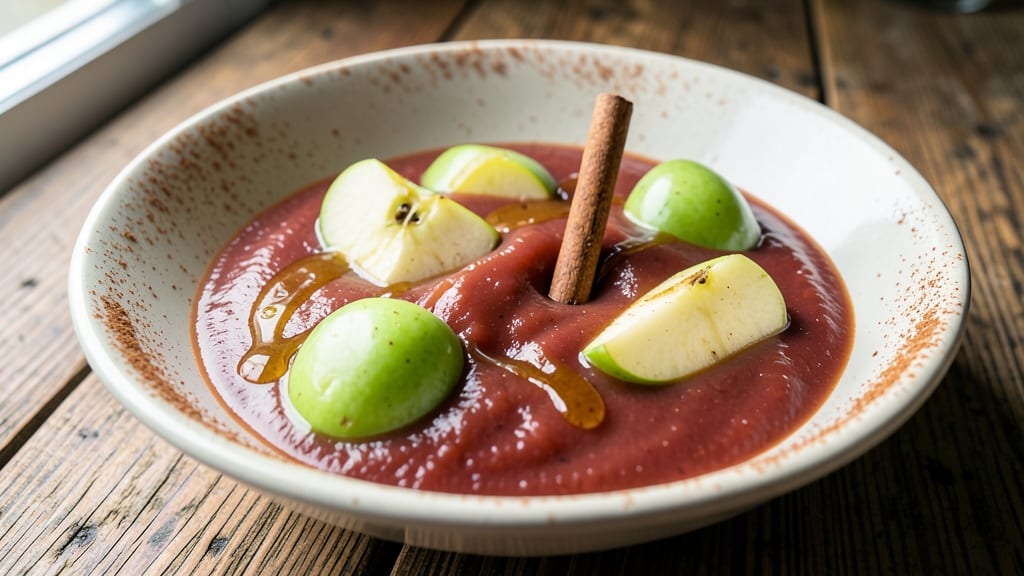
This applesauce recipe with apple cider vinegar transforms ordinary apples into a silky, tangy condiment that elevates everything from roasted meats to breakfast pancakes. The vinegar adds a bright acidity that balances sweetness while preserving freshness—no added sugar required.
I developed this version after discovering how a splash of vinegar could extend shelf life and deepen flavor, turning a simple pantry staple into a versatile sauce.
The process is straightforward: peel, core, and simmer apples until tender, then strain for that signature smooth texture. Apple cider vinegar is added at the end—not just for tang, but to act as a natural preservative.
This method yields a sauce that’s richer than store-bought versions and far more customizable, with a shelf life of up to 2 weeks refrigerated or even longer when canned.
What makes this recipe stand out is its dual-purpose nature: use it as a topping for oatmeal, a glaze for pork tenderloin, or a tangy dip for fresh pretzels.
The vinegar’s acidity also helps tenderize proteins when used as a marinade base. Every batch delivers a bright, balanced flavor that’s impossible to achieve with pre-packaged alternatives.
For best results, choose firm apples like Honeycrisp or Granny Smith—their structure holds up better during cooking. If you prefer chunkier texture, skip the straining step entirely. This versatile sauce is ready in under 30 minutes, making it perfect for meal prep or spontaneous cooking. Let’s get started!
Ingredients for applesauce recipe with apple cider vinegar
Eight simple ingredients crafting a vibrant, vinegar-infused applesauce with restaurant-quality depth.
| Ingredient | Amount | Notes |
|---|---|---|
| Firm Apples (Honeycrisp or Granny Smith) 🍎 | 4 lb | Peeled, cored, cut into chunks |
| Apple Cider Vinegar 🍏 | ¼ cup | Raw, unfiltered preferred |
| Water 💧 | 1 cup | For simmering apples |
| Cinnamon Sticks 🌿 | 2 whole | Optional for depth of flavor |
| Ground Cinnamon 🌶️ | ½ tsp | For finishing, if desired |
| Vanilla Extract 🌸 | ½ tsp | Pure, for subtle sweetness |
| Sea Salt 🧂 | ¼ tsp | Diamond Crystal preferred |
| Fresh Lemon Juice 🍋 | 1 tbsp | Brightens final flavor |
The apples are the foundation—Honeycrisp or Granny Smith hold their shape best during cooking, preventing mushiness. Local farmers markets often carry these varieties at peak freshness, or check the organic produce section at Whole Foods for consistent quality. Avoid apples with bruises or soft spots, as they release excess liquid during simmering. Apple cider vinegar should be raw, unfiltered for maximum flavor complexity—Bragg is a reliable brand, but any organic variety works. The cinnamon adds subtle warmth; if using sticks, remove them before straining, or crush lightly for deeper infusion.
No Honeycrisp? Fuji or Gala apples work well—they’re sweeter but still firm enough for silky texture. Substitute white vinegar for apple cider vinegar in a pinch, though the flavor will be slightly sharper. Short on vanilla? Maple syrup or agave nectar (1 tsp) can mimic its sweetness without overpowering. For a chunkier texture, skip straining entirely—simply mash the apples with a potato masher after cooking. The lemon juice is non-negotiable; it balances the vinegar’s acidity and brightens the final product, so use freshly squeezed for optimal results.
This applesauce keeps beautifully—up to 2 weeks refrigerated in an airtight container with a thin layer of vinegar poured over the top to preserve freshness. For longer storage, transfer to sterilized jars and process in a water bath for canning (up to 1 year shelf-stable). The sauce thickens as it cools, so stir before serving. Portion into ice cube trays for single-serving glaze applications, or freeze in 1-cup increments for quick meal prep. Reheat gently over low heat, adding a splash of water if needed to restore smoothness.
Why You'll Love This Recipe
- No Peel, No Stress: I swear by this trick—just core and quarter those Honeycrisp apples, toss them in boiling water for 5 minutes, and the skins slide right off. No peeler, no mess, just smooth chunks ready to simmer.
- Tangy-Sweet Magic: That splash of apple cider vinegar? It’s the secret weapon—cuts the sweetness just enough to make it taste like autumn in a jar. The cinnamon sticks infuse warmth without overpowering, and the vinegar keeps it bright, not cloying.
- Weeknight Meal Shortcut: I keep a batch in the fridge for oatmeal, toast, or even as a pork tenderloin glaze. It’s my go-to when I’m too tired to cook but still want something better than store-bought. Just reheat and serve—no fuss.
- Budget-Friendly Staple: Apples are cheap, vinegar is cheap, and this recipe stretches to feed a family for days. I make double batches in the fall when apples are on sale, then freeze what I don’t use. Zero waste, maximum flavor.
Step-by-step instructions for applesauce with apple cider vinegar
Transforming simple apples into silky, tangy applesauce requires precision and patience—here's how to achieve the perfect balance.
Prepare and Simmer the Apples
In a large, heavy-bottomed pot, combine the 4 lb firm apples (Honeycrisp or Granny Smith) with the 1 cup water. I use a Dutch oven for even heat distribution, which prevents scorching. Bring the mixture to a boil over medium-high heat, then immediately reduce to medium-low heat and let it simmer uncovered for 20-25 minutes. You'll know it's ready when the apples break down completely and the mixture becomes thick and syrupy.
Stir occasionally to prevent sticking, but don't overdo it—this allows the apples to soften evenly. The skin should peel away easily when you test a piece with a fork. If the sauce looks too thin after 20 minutes, continue simmering until it reaches the desired consistency. This step builds the foundation for that velvety texture we're after.
Incorporate the Apple Cider Vinegar and Aromatics
Once the apples have fully broken down, stir in the 0.25 cup apple cider vinegar and the 2 whole cinnamon sticks. The vinegar adds that signature tang while balancing the natural sweetness of the apples. Let the mixture simmer for another 5-7 minutes to allow the flavors to meld. You'll notice the aroma become more complex as the spices infuse.
During this time, I like to taste the sauce to gauge the balance. The vinegar should brighten the flavor without overpowering the apple's natural sweetness. If the sauce is still too thick, you can add a splash of water—just 1-2 tablespoons at a time—to reach your preferred consistency. The cinnamon sticks will add subtle warmth, but don't worry if you prefer to remove them later.
Finish with Seasonings and Lemon Juice
Remove the pot from heat and let it cool slightly for 5 minutes. This prevents the vanilla from cooking off. Stir in the 0.5 tsp vanilla extract, 0.5 tsp ground cinnamon, 0.25 tsp sea salt, and 1 tbsp fresh lemon juice. The vanilla adds depth, the cinnamon enhances warmth, the salt balances sweetness, and the lemon juice ensures a bright, fresh finish.
Use an immersion blender to achieve that silky texture, or carefully transfer the mixture to a blender in batches. Pulse until completely smooth. If you prefer a rustic texture, skip blending—just mash the apples with a potato masher. The lemon juice is critical here; it cuts through the richness and keeps the flavor vibrant.
Adjust and Store for Maximum Freshness
Taste the applesauce one final time and adjust the seasoning if needed. The apple cider vinegar and lemon juice should create a pleasant tang, but if it's too sharp, a touch more vanilla or a pinch of sugar can balance it out. Transfer the sauce to airtight containers and refrigerate for up to 5 days, or freeze for 3 months for long-term storage.
This method ensures a perfectly balanced applesauce—sweet, tangy, and silky—every time. The key lies in the slow simmer and careful seasoning. Serve it warm with roasted meats or use it as a topping for oatmeal, yogurt, or pancakes for a bright, flavorful twist.
Pro Tips For Making Applesauce Recipe With Apple Cider Vinegar
- PEEL BEFORE COOKING: I learned this the hard way—Granny Smiths hold their shape, but unpeeled apples turn your sauce into a mushy mess. Take 10 minutes to peel and core them first, or you’ll spend 20 minutes mashing later.
- USE 1/4 CUP VINEGAR: Too much vinegar and your sauce tastes sharp; too little and it’s just applesauce. Stick to 1/4 cup for 6-8 apples—enough to brighten without overpowering. (Yes, even if you’re skeptical.)
- SIMMER LOW AND SLOW: High heat = burnt applesauce. Keep the pot at a gentle boil, then drop to a simmer for 20-25 minutes. This breaks down the apples evenly without turning them into glue.
- TOAST THE CINNAMON: Crush the cinnamon sticks first—this releases their flavor. Then, add them to the pot for the last 5 minutes of cooking. (Your future self will notice the difference.)
Make-ahead tips for this recipe
Batch Prep Basics
Make a large batch (8-10 cups) and store in quart-sized glass jars for easy portioning. I triple the recipe and freeze individual servings in silicone ice cube trays—perfect for quick glaze applications on pork chops or as a pancake topping.
The sauce thickens as it cools, so always stir before serving. 💫
Freezing for Long-Term
Portion cooled applesauce into freezer-safe bags or airtight containers, leaving ½-inch headspace for expansion. Label with dates—this sauce stays fresh for up to 3 months.
Thaw overnight in the fridge or reheat directly from frozen over low heat with 1-2 tbsp water to restore smoothness. Never microwave frozen portions directly.
Canning for Shelf-Stable
For long-term storage, process jars in a water bath canner for 15 minutes after sealing. Use sterilized pint jars with ½-inch headspace. The vinegar acts as a natural preservative, extending shelf life to 1 year when properly canned.
Always check seals before storing in a cool, dark place. 🌱
Reheating Perfection
For stovetop reheating, warm in a saucepan over low heat with a splash of water to prevent scorching. For microwave reheating, cover with a damp paper towel and heat in 30-second intervals, stirring between each.
The texture should remain silky—not grainy. A quick hand mixer can restore smoothness if it thickens too much.
Flavor Preservation
To maintain brightness, store an extra 1 tbsp apple cider vinegar in a small container and pour ½ tbsp over each jar before sealing. This prevents oxidation and keeps the tangy flavor vibrant. For extra freshness, add a cinnamon stick to each jar before refrigerating—remove before serving. 🌿
Portioning Hacks
Freeze in 1-cup portions for meal prep convenience. Use small glass jars (like Ball 4-oz jars) for single-serving dips or glaze applications. Label with uses: "Pork Glaze", "Oatmeal Topping", or "Pancake Syrup" to streamline your cooking process. Thaw only what you need to minimize waste. ✨
Nutrition facts
Frequently asked questions
Can I use this applesauce as a marinade?
The apple cider vinegar makes this sauce an excellent marinade for pork, chicken, or tofu. Use it as-is or thin with a little water for better coating. Marinate proteins for 2-4 hours in the fridge before cooking—this tenderizes meat beautifully while adding a sweet-tangy crust when grilled or baked.
Why does my applesauce turn out too thick?
Applesauce thickens as it cools, but if it's too thick while warm, you likely didn't simmer long enough. Add 1-2 tablespoons water and cook for another 5 minutes. For smoother texture, blend again after reheating. If using softer apples like Gala, they release more liquid—simmer uncovered to evaporate excess moisture.
Can I substitute white vinegar for apple cider vinegar?
Yes, but expect a sharper flavor. Use the same amount, but reduce to 0.125 cup to avoid overpowering the sweetness. For balance, add an extra 0.5 tsp vanilla extract or 1 tsp maple syrup. Apple cider vinegar's mellow tang makes it ideal, but white vinegar works in a pinch for preservation.
How do I fix overly sour applesauce?
If the vinegar taste dominates, balance it with 1-2 tsp honey or maple syrup per cup of sauce. Warm gently to dissolve, then taste again. For a quicker fix, stir in ½ tsp ground cinnamon or vanilla extract—these complement the acidity while softening the sharpness. Avoid adding sugar directly; it can make the texture grainy.
What's the best way to serve this applesauce?
This versatile sauce shines as a glaze for roasted pork, a topping for yogurt or oatmeal, or a dip for fresh pretzels. For breakfast, drizzle over pancakes or waffles. For dinner, brush onto baked chicken or use as a sauce for meatballs. The tangy-sweet profile pairs beautifully with savory and sweet dishes alike.