
Sauces & Condiments
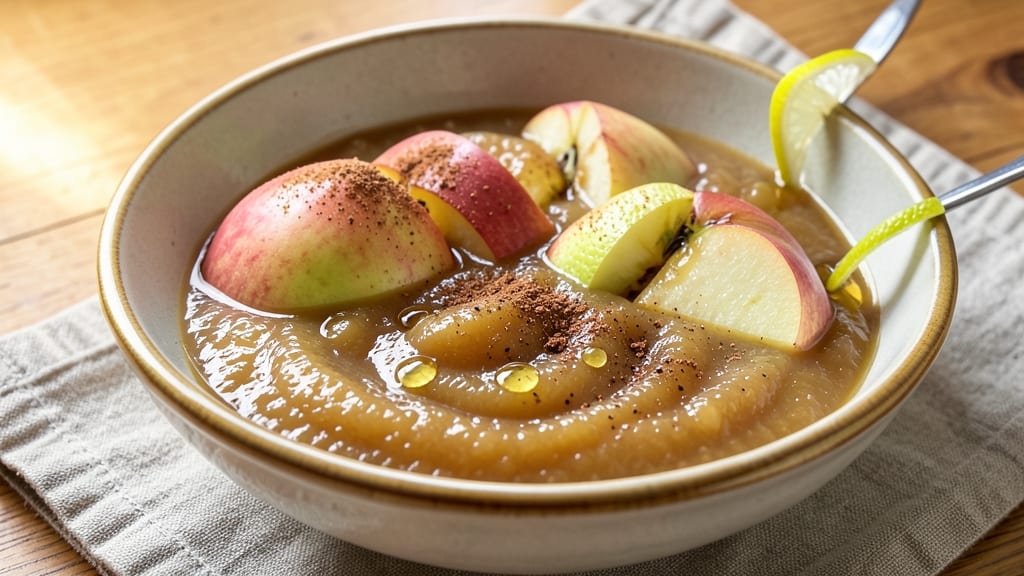
This applesauce recipe with unpeeled apples preserves every nutrient while delivering a velvety-smooth texture packed with warm spice harmony. No peeling required—just core and cook, letting the skins infuse natural sweetness and fiber.
The slow simmer transforms tart apples into a naturally sweetened condiment that’s perfect for breakfast, baking, or pairing with savory dishes.
What sets this method apart is the balance of simplicity and depth. A touch of cinnamon and vanilla enhances the apple’s natural flavors, while a splash of maple syrup (or honey, if preferred) adds subtle sweetness without overpowering.
The result? A versatile sauce that’s rich in fiber, vitamins, and antioxidants—all while keeping prep under 20 minutes and cooking time flexible for stovetop, slow cooker, or oven.
The texture is entirely up to you: blend for a silky finish or leave it slightly chunky for rustic appeal. This applesauce stays fresh in the fridge for up to 10 days or freezes beautifully for months, making it an ideal pantry staple.
Whether you’re spreading it on toast, using it in muffins, or serving it alongside roasted meats, the flavor profile shines in every application.
For extra depth, experiment with warm spices like nutmeg or cardamom, or brighten it with lemon zest. The key is letting the apples cook until tender but not mushy—this ensures a perfectly balanced sauce every time. Ready to make the most of your apples? Let’s get started.
Ingredients for applesauce recipe unpeeled apples
Eight simple ingredients transform humble apples into nutrient-rich, velvety applesauce with warm spice harmony.
| Ingredient | Amount | Notes |
|---|---|---|
| Unpeeled Apples 🍎 | 4 medium | Mixed varieties for balance |
| Water 💧 | 1 ½ cups | Or apple cider for depth |
| Maple Syrup 🍯 | ¼ cup | Grade B for richer flavor |
| Ground Cinnamon 🌿 | 1 tsp | Freshly ground preferred |
| Vanilla Extract 🌸 | ½ tsp | Pure alcohol-free if preferred |
| Lemon Juice 🍋 | 1 tbsp | Freshly squeezed for brightness |
| Pinch Sea Salt 🧂 | ⅛ tsp | Enhances natural sweetness |
| Optional Nutmeg 🌶️ | ¼ tsp | Freshly grated for warmth |
The apples are the star—mix varieties like Honeycrisp and Granny Smith for perfect sweet-tart balance. Local orchards or farmers markets often have the freshest, most flavorful options. Avoid bruised apples (they turn mushy faster). For extra fiber, leave the cores in—just remove stems. If you're using organic apples, no need to wash them first. The skins hold all the nutrients and flavor, so don't peel! Store unwashed apples in the fridge until ready to use—they'll keep for weeks.
No maple syrup? Agave nectar or date syrup works just as well—just adjust to taste. Short on vanilla? A splash of bourbon or almond extract adds depth. The lemon juice is key for brightness—don't skip it. For a chunkier texture, reduce cooking time slightly. Want it ultra-smooth? Blend with an immersion blender after cooking. The cinnamon should be fresh—ground spices lose flavor fast. If you're using dried spices, toast them in a dry pan for 30 seconds to wake up their flavor before adding to the apples.
This applesauce keeps beautifully—10 days in the fridge in an airtight jar, or 6 months frozen. For freezing, portion into ice cube trays first, then transfer to a bag. Thaw overnight in the fridge. The texture actually improves after a day or two as flavors meld. Use it in oatmeal, as a topping for yogurt, or even as a glaze for roasted vegetables. The spices make it perfect for savory dishes too—try it with pork tenderloin or mashed potatoes for unexpected depth.
Why You'll Love This Recipe
- No Peel, No Problem: I’ll be real—skipping the peeling saves me 10 minutes every time. Just quarter those apples, toss in the pot with water, and let the skins soften naturally. The texture stays perfect, and honestly? The subtle earthiness from the skin adds depth I didn’t expect.
- Sweet-Spiced Magic: That first spoonful of warm applesauce—maple syrup caramelizing with cinnamon and a whisper of vanilla? It’s like autumn in a jar. The syrup cuts through the natural tartness of the apples, and the cinnamon lingers just enough to make it feel luxurious without trying too hard.
- Pantry Staple Power: Between us, this recipe uses things you already have. No fancy ingredients, no last-minute grocery runs. I’ve made it for lazy Sunday breakfasts, packed it in lunches, and even drizzled it over oatmeal when I’m too tired to think. It’s my go-to when I need something reliable.
- Leftovers That Last: A big batch keeps for weeks in the fridge, and it only gets better as the flavors meld. Freeze it in ice cube trays for quick smoothie boosts later—kids love it, and it’s cheaper than buying pre-made sauces. Plus, the cinnamon makes it taste like you put in effort, even if you didn’t.
Step-by-step instructions for nutrient-packed unpeeled applesauce
This method preserves all the fiber and nutrients while creating a perfectly balanced sauce.
Core and Chop the Unpeeled Apples
Start by coring the 4 medium unpeeled apples using an apple corer or a small knife. I like to cut them into ¼-inch thick slices for even cooking—this ensures the center cooks through completely without becoming mushy. If you're using a mix of varieties, keep them separate until after cooking so you can adjust sweetness later if needed.
Place the sliced apples in a large saucepan with the 1.5 cups water. The water helps release the natural pectin in the apples, which will give your applesauce that perfect thick, glossy texture. Don't skip this step—it's what transforms raw apples into silky sauce. If you're using apple cider instead of water, now's the time to substitute.
Simmer Until Apples Break Down
Bring the mixture to a boil over medium-high heat, then reduce to a gentle simmer. Cover the pan with a lid and let it cook for 15-20 minutes, stirring occasionally. You'll know it's ready when the apples are fork-tender and the mixture has thickened noticeably. The skins will soften but remain intact, preserving all the fiber and nutrients.
Here's the thing—don't walk away. Simmering too vigorously can make the sauce turn out watery. You're looking for a gentle bubble that keeps the liquid at a steady simmer, not a rolling boil. If the mixture looks too thick before the apples are fully tender, add a splash of water to keep it moving.
Add Sweetener and Seasonings
Once the apples are perfectly tender, stir in the 0.25 cup maple syrup, 1 tbsp lemon juice, and 0.125 tsp sea salt. The maple syrup adds natural sweetness while balancing the tartness of the apples, and the lemon juice brightens the whole dish. I like to use Grade B maple syrup here—it has a richer, more complex flavor than the lighter grades.
Add the 1 tsp ground cinnamon and 0.5 tsp vanilla extract next. If you're using the optional 0.25 tsp nutmeg, sprinkle it in now too. Taste the mixture—you want a balance of sweet, spicy, and tangy. If it needs more brightness, add another splash of lemon juice. If it needs more warmth, add a pinch more cinnamon or nutmeg.
Cook Until Thickened to Desired Consistency
Return the sauce to a simmer and cook uncovered for 5-10 minutes, stirring occasionally. This final cooking step evaporates excess liquid and intensifies the flavors. You're aiming for a consistency that's thick but still spoonable—somewhere between chunky and completely smooth. For a smoother texture, use an immersion blender now to puree it to your liking.
If you prefer a chunkier applesauce, skip the blending step entirely. The skins will add nice texture and fiber. Taste again and adjust seasoning if needed. The sauce should be sweet enough to satisfy but still have that bright, spiced apple flavor that makes it special. Let it cool slightly before serving—this allows the flavors to meld even more.
Pro Tips For Making Applesauce Recipe Unpeeled Apples
- CORE THE APPLES: I learned this the hard way—skipping the core means uneven cooking and a mouthful of tough stems. Use a sturdy apple corer (or a paring knife) to remove the core and the blossom end—yes, that little dimple matters more than you’d think.
- SIMMER LOW AND SLOW: Start with a rolling boil to break down the apples fast, but once everything’s submerged, drop the heat to a gentle simmer. I used to rush it, and the sauce turned mushy or split. Low and steady keeps the texture smooth and lets the cinnamon and vanilla infuse properly.
- USE GRANULATED CINNAMON: Ground cinnamon clumps and sinks, turning your applesauce into a speckled mess. Sprinkle it over the finished sauce and stir—this way, it distributes evenly and looks polished. (Pro tip: Toast the cinnamon in a dry pan for 30 seconds first; it deepens the flavor.)
- SWEAT THE APPLES FIRST: Chop the apples, then cook them uncovered for 5–7 minutes before adding water. This step drives off excess moisture and prevents a watery sauce later. I was skeptical until I tried it—now it’s non-negotiable for the right consistency.
Regional styles of this dish
New England Classic
In New England, applesauce is a staple during harvest season, often made with local heirloom varieties like Northern Spy or McIntosh. The key here is using just apples, cinnamon, and a touch of salt—no added sweeteners.
Cook the apples with 1 cup apple cider instead of water to deepen the flavor, and finish with ½ tsp cinnamon and a pinch of salt. Serve it warm as a side with roasted pork or turkey—it’s a tradition in many Yankee households. 🍎
German Apfelmus
German applesauce, or Apfelmus, is traditionally made with a mix of tart and sweet apples, like Boskoop and Golden Delicious. The sauce is often smooth and slightly sweetened with a splash of apple juice instead of maple syrup.
For authenticity, add ½ tsp ground cloves along with the cinnamon—they’re a classic pairing in German baking. This version is a must for Stollen or Christmas cookies, where its spiced warmth shines. 🌿
Southern Comfort Style
In the American South, applesauce gets a sweeter, fruitier twist, often using Fuji or Gala apples for their natural sweetness. The sauce is typically chunkier and served as a topping for pancakes or biscuits.
Add 1 tbsp brown sugar and ¼ tsp allspice to the basic recipe for a Southern flair. This version is also great for apple butter—just simmer it longer until it thickens into a spreadable consistency. 🍯
Scandinavian Spiced
Nordic countries like Sweden and Norway make applesauce with wild berries, such as lingonberries or cranberries, mixed in for a tart contrast. Use sour apples like Granny Smith and sweeten with a splash of lingonberry jam instead of maple syrup.
The spice blend often includes cardamom and star anise, giving it a unique, aromatic depth. This version pairs beautifully with smoked fish or hearty root vegetables. ❄️
Modern Fusion Twist
For a contemporary take, try a savory-sweet applesauce inspired by Middle Eastern flavors. Use tart apples like Braeburn and simmer with 1 tsp ground cumin, ½ tsp smoked paprika, and a pinch of cayenne.
Finish with a squeeze of lemon juice and a drizzle of olive oil for a sauce that works as a dip for pita or grilled meats. It’s a fresh, unexpected twist on a classic! 🌶️
Nutrition facts
Frequently asked questions
Why cook with unpeeled apples for applesauce?
The skins contain extra fiber, vitamins, and antioxidants that get lost when peeling. They also add natural sweetness and texture without extra effort. Plus, you save time and reduce food waste by skipping the peeling step entirely.
Can I make this applesauce without added sweetener?
Yes! Use sweeter apples like Fuji or Gala and reduce maple syrup to 1-2 tablespoons. For tart varieties, add 1 extra tablespoon lemon juice to balance flavors. The natural sugars in the apples will develop as they cook.
How do I adjust the texture—chunky vs. smooth?
For chunky: Cook apples 5 minutes less and skip blending. For smooth: Use an immersion blender after cooking or pulse in batches with a regular blender. Pro tip: Let the sauce cool slightly before blending to avoid splattering.
What's the best way to store homemade applesauce?
Transfer to clean, airtight jars and refrigerate for up to 10 days. For longer storage, freeze in ice cube trays or small jars (leaving 1-inch headspace). Thaw overnight in the fridge—never microwave. The texture stays perfect!
Can I use frozen apples instead of fresh?
Thaw frozen apples first, then follow the recipe as written. Frozen apples work best for smooth applesauce since they break down more easily. For chunkier results, use slightly underripe fresh apples instead.