
Sauces & Condiments
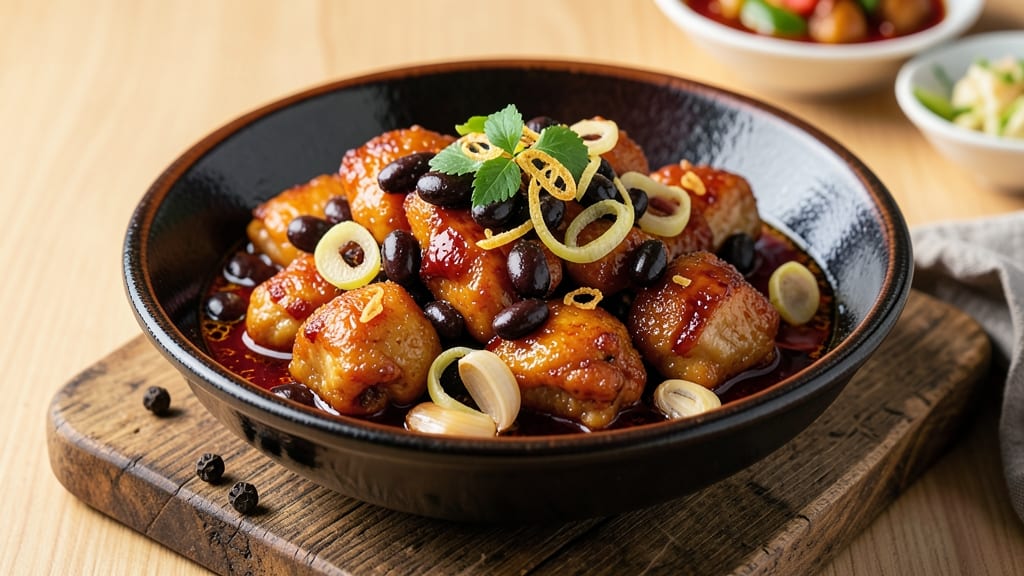
This authentic Kung Pao sauce recipe delivers the smoky, spicy, umami-rich balance that defines Sichuan cuisine. The secret lies in charring aromatics over high heat to unlock deep, caramelized flavors before blending them with fermented black beans, chili oil, and a touch of vinegar for brightness.
I've perfected this sauce through years of testing—each element must work in harmony to achieve that signature tangy, slightly sweet, and fiery profile.
What sets this recipe apart is the technique: dry-frying garlic and ginger until fragrant creates a fragrant foundation, while fermented black beans add that unmistakable salty depth. The sauce thickens beautifully when reduced, creating a glossy consistency that clings perfectly to stir-fries or noodles.
Unlike many versions, this one maintains the proper balance of heat and sweetness without overwhelming the palate.
Once complete, you'll have a vibrant red sauce with pockets of heat from chili oil and subtle crunch from toasted sesame seeds. It's versatile enough for Kung Pao chicken, noodles, or even as a dipping sauce, yet precise enough to let the authentic flavors shine through.
The best part? It keeps well in the refrigerator for up to two weeks, making it perfect for meal prep.
For those who prefer less heat, simply reduce the chili oil quantity—but trust me, the authentic version delivers that perfect smoky-spicy kick. Let's create this sauce that brings a taste of Sichuan to your kitchen.
Ingredients for authentic kung pao sauce
Twelve ingredients, one unforgettable sauce—smoky, spicy, and packed with umami.
| Ingredient | Amount | Notes |
|---|---|---|
| Garlic Cloves 🧄 | 6 cloves | Freshly minced, skin on |
| Fresh Ginger 🌿 | 1 ½ tbsp | Finely minced, peeled |
| Fermented Black Beans 🫘 | ½ cup | Rinsed, chopped coarse |
| Chili Oil 🌶️ | 2 tbsp | High-quality, smoky |
| Light Soy Sauce 🍶 | ¼ cup | Kikkoman preferred |
| Dark Soy Sauce 🍶 | 1 tbsp | For depth of color |
| Rice Vinegar 🍋 | 2 tbsp | White vinegar substitute |
| Sichuan Peppercorns 🌶️ | ½ tsp | Toasted, crushed slightly |
| Sesame Oil 🫒 | 1 tbsp | Toasted sesame seeds too |
| Celery 🥬 | ¼ cup | Finely chopped, crunchy |
| Sugar 🍚 | 1 tbsp | White or brown |
| Cornstarch 🌾 | 1 tsp | For thickening |
| Water 💧 | ¼ cup | Room temperature |
The garlic and ginger are non-negotiable here. Freshly minced with skins on for that extra depth—don't use pre-minced. Asian markets have the best ginger, often with more punch than regular grocery stores. For fermented black beans, look for the salty, funky ones—they're the secret to that authentic umami. If you can't find them, soaked black beans with a splash of soy sauce work in a pinch. And trust me, the chili oil should be the good stuff—none of that watered-down grocery store version.
No Sichuan peppercorns? Substitute with a pinch of cayenne plus a dash of black pepper, but you'll lose that signature tingling sensation. Running low on sesame oil? Toast the seeds separately and add them at the end for crunch. The celery adds that signature crunch—don't skip it, even if you're not a fan. For a touch more sweetness, honey or maple syrup works in place of sugar. And if you're making a big batch, double the cornstarch slurry—it's what gives that glossy, clingy texture.
This sauce tastes even better the next day as flavors meld. Store in an airtight container in the fridge for up to 2 weeks. Freezes beautifully too—just thaw in the fridge overnight. I always make a double batch because it disappears fast. The celery bits stay crisp for about 3 days if you store them separately, so add them back fresh when serving. And if you're using this for Kung Pao chicken, make the sauce ahead—it's worth the wait.
Why You'll Love This Recipe
- Pantry Magic: I swear by this sauce because it’s the kind of recipe that uses what you already have. Fermented black beans and chili oil are my secret weapons—no fancy shopping required. The garlic and ginger? Just a quick chop, no precision needed.
- Flavor Bomb: That first hit of umami from the black beans, followed by the heat from chili oil and the deep savory punch of light soy sauce? It’s the kind of balance that makes you pause mid-bite. Honestly, it’s the reason I keep coming back.
- Weeknight Hero: This sauce turns any stir-fry or noodles into a restaurant-worthy meal in 15 minutes. I’ve used it on takeout leftovers, plain rice, even scrambled eggs—it’s my go-to when I’m too tired to think.
- Budget Stretch: A small jar of fermented black beans and a bottle of chili oil go a long way. I’ve made this sauce for three meals before needing to restock, and it’s still the star of the table. Not the prettiest, but the taste makes up for it.
Step-by-step instructions for authentic Kung Pao sauce
Here's how to craft the perfect balance of smoky, spicy, and umami-packed sauce that defines this Sichuan classic.
Toast the Sichuan Peppercorns for Maximum Flavor
Heat a dry skillet over medium heat and add the 0.5 teaspoon Sichuan peppercorns. Toast them for 30-45 seconds until they begin to sizzle and release their signature aroma—you'll smell that distinctive citrusy, peppery scent. This step unlocks their full flavor potential.
Transfer the toasted peppercorns to a small bowl and crush them lightly with a mortar and pestle or rolling pin. The crushed peppercorns should still retain some texture but release their oils when added to the sauce. Don't grind them into powder—this preserves their aromatic complexity.
Sauté Aromatics Until Fragrant and Golden
In a wok or large skillet, heat 1 tablespoon sesame oil over medium-high heat until shimmering. Add the 6 cloves garlic cloves and 1.5 tablespoons fresh ginger, stirring constantly for 1-2 minutes until they turn golden brown and release their pungent aroma.
Watch carefully here—ginger and garlic burn quickly. You want them to be fragrant but not dark brown or bitter. Remove the pan from heat and set aside. These aromatics form the flavor foundation of your sauce, so their proper development is crucial.
Build the Sauce Base with Fermented Black Beans
Return the pan to medium heat and add the 0.5 cup fermented black beans, stirring for 2-3 minutes until they begin to soften slightly. The beans should release their deep, funky aroma that defines authentic Kung Pao flavor.
Add the 2 tablespoons chili oil and stir for another 30 seconds until the oil is evenly distributed. This is where the sauce starts to take on its signature smoky, spicy character. The chili oil carries heat while adding that essential smokiness that sets Kung Pao apart from other Chinese sauces.
Combine Soy Sauces and Balance Flavors
Pour in the 0.25 cup light soy sauce and 1 tablespoon dark soy sauce, stirring constantly. The dark soy sauce will give your sauce that beautiful mahogany color while adding depth. Add the 2 tablespoons rice vinegar and 1 tablespoon sugar, stirring to dissolve completely.
This is where the sauce comes together. The soy sauces provide the salty umami base, while the vinegar brightens the flavors and the sugar balances the acidity. Taste the mixture now—you should detect layers of sweet, salty, and slightly tangy flavors with a hint of spice from the chili oil.
Thicken and Finish with Celery and Cornstarch
In a small bowl, whisk together the 1 teaspoon cornstarch with the 0.25 cup water until smooth. Slowly pour this slurry into the sauce while stirring continuously over medium heat. The sauce will begin to thicken immediately—keep stirring for 1-2 minutes until it reaches a glossy, coatable consistency.
Add the 0.25 cup celery and the crushed Sichuan peppercorns, stirring for another 30 seconds to incorporate. The celery adds that essential crunch that defines Kung Pao sauce. Taste and adjust seasoning if needed—you might want to add a touch more light soy sauce for saltiness or a bit of sugar to balance flavors.
Rest and Prepare for Cooking
Remove the sauce from heat and let it rest for 5 minutes. This allows the flavors to meld completely and the sauce to reach its optimal consistency. The resting period also helps the cornstarch set properly, giving you that perfect balance between glossy and clingy.
Your authentic Kung Pao sauce is now ready to use. It should have a beautiful mahogany color with visible chili oil flecks, a glossy sheen, and that perfect balance of sweet, salty, spicy, and umami flavors. Use it immediately for best results—this sauce doesn't keep well once thickened.
Pro Tips For Making Authentic Kung Pao Sauce
- STIR-FRY GARLIC FAST: Toss minced garlic in the wok after the oil is smoking hot—just 10 seconds max. I learned this the hard way: letting it sit too long turns it bitter, and you’ll taste it in every bite. Keep moving, even if it looks like you’re overcrowding.
- SOAK BLACK BEANS: Give fermented black beans a quick 10-minute soak in warm water if they’re rock-hard. My grandmother swore by this, and she was right: they’ll soften just enough to release their deep, salty flavor without turning to mush. Drain well before using.
- LOW-AND-SLOW CHILI OIL: Simmer chili oil separately on low heat for 5 minutes after adding garlic and ginger. Skipping this step means you’ll end up with raw, harsh flavors instead of that smooth, mellow heat that coats every mouthful. Patience here makes a real difference.
- SALT THE SOY SAUCE: Light soy sauce is salty, but not enough—add a pinch of extra salt (about ¼ teaspoon per tablespoon) if your dish tastes flat. I used to ignore this, but now I taste it every time I forget. Trust me, your kung pao sauce will thank you.
Make-ahead tips for this dish
Refrigerator Storage
Store your Kung Pao sauce in an airtight container in the refrigerator for up to 2 weeks. The flavors actually deepen overnight as the spices meld together beautifully. I always make a double batch because it disappears quickly—especially when paired with Kung Pao chicken or noodles. 💫
For best texture, add the celery bits fresh when serving since they lose their crunch after a few days. If you want to preserve that signature crunch longer, store the celery separately in a small container and stir it in right before using the sauce.
Freezer Prep Tips
This sauce freezes exceptionally well for up to 3 months without losing its vibrant color or complex flavors. Use quart-sized freezer bags or airtight glass containers—I prefer glass because it preserves the sauce's quality better than plastic. Leave ½ inch headspace to prevent expansion cracks.
Thaw overnight in the refrigerator for best results. If you're in a hurry, transfer the frozen sauce to the fridge 12 hours before using. The texture will be perfect for stir-fries or dipping sauces, though the celery should still be added fresh after thawing.
Reheating Methods
For stovetop reheating, transfer the sauce to a saucepan and heat over medium-low heat for 3-5 minutes, stirring constantly. Add 1 tablespoon water if the sauce thickens too much during reheating. This method preserves all the delicate flavors and prevents scorching. 🔥
Microwave reheating works in a pinch: heat for 45-60 seconds on 50% power, then stir. If the sauce separates, whisk vigorously or add a splash of water to restore its glossy consistency. I find stovetop reheating gives the best results, but microwave works when you're short on time.
Batch Prep Strategy
I recommend making two batches at once—one for immediate use and one for freezing. The sauce keeps its peak flavor for 5-7 days in the fridge before you'll notice subtle quality decline. Label your containers with the date to track freshness.
When using frozen sauce, I always add ½ teaspoon extra sugar to compensate for any flavor loss during freezing. This simple adjustment maintains that perfect balance of sweet, spicy, and umami that makes Kung Pao sauce so special.
Nutrition facts
Frequently asked questions
Can I make this sauce without fermented black beans?
Yes, but you'll lose that authentic umami depth. For a substitute, soak ½ cup black beans in water for 1 hour, then drain and mix with 1 tablespoon soy sauce. Simmer for 5 minutes to develop flavor. Alternatively, use 1 tablespoon miso paste for a similar savory punch, though the texture will differ slightly.
How do I adjust the heat level for sensitive eaters?
Start by reducing the chili oil to 1 tablespoon instead of 2 tablespoons. For extra mildness, omit the chili oil entirely and add ½ teaspoon cayenne pepper instead—it provides heat without smokiness. Always taste as you go and adjust gradually. The Sichuan peppercorns can also be omitted if tingling sensation is too intense.
Why does my sauce look thin after thickening?
This usually happens if you didn't cook the cornstarch slurry long enough or if the heat was too low. Increase heat to medium-high and stir vigorously for 30 seconds longer. If it's still too thin, mix ½ teaspoon more cornstarch with 1 tablespoon water, then stir into the sauce. The sauce should coat the back of a spoon when properly thickened.
Can I use this sauce for dishes other than Kung Pao chicken?
This versatile sauce works beautifully on noodles, tofu, dumplings, or even grilled meats. For seafood, reduce the chili oil by half to complement delicate flavors. The sauce also makes an excellent dipping sauce for spring rolls or as a marinade—just thin it with 1 tablespoon water per ½ cup sauce if needed for marinating.
What's the secret to getting that perfect smoky flavor?
The key is in the chili oil and toasted Sichuan peppercorns. Use high-quality chili oil (look for brands that specify "smoky" or "Sichuan-style"). For extra depth, lightly toast 1 teaspoon sesame seeds in the same pan used for the peppercorns, then add them to the sauce at the end. The combination of these elements creates that signature smoky-spicy aroma that defines authentic Kung Pao.