
Sauces & Condiments
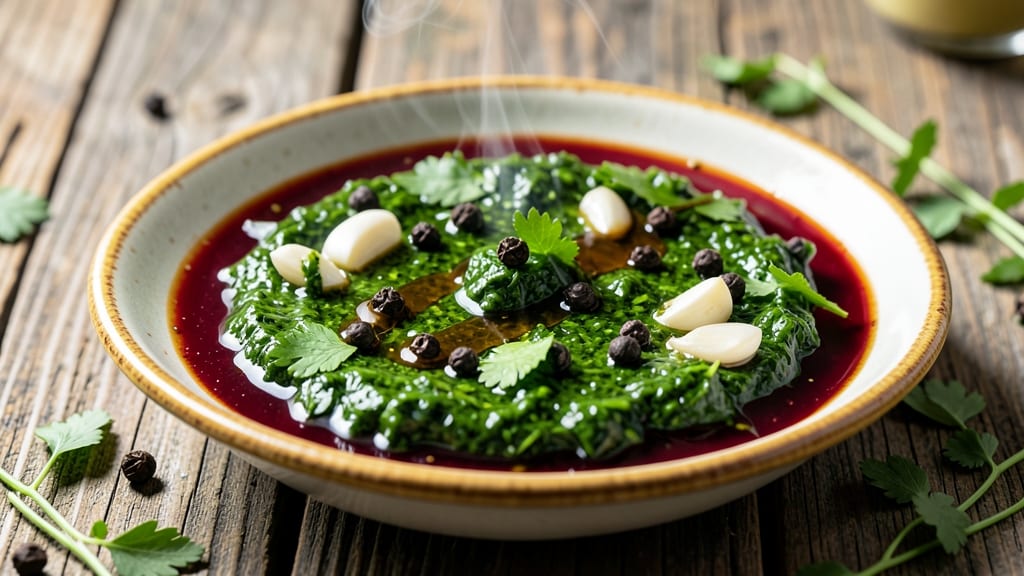
Argentinian chimichurri sauce transforms simple grilled meats into a flavor explosion with its vibrant herb blend and tangy kick. This bright green sauce—packed with parsley, garlic, and red wine vinegar—is the secret weapon behind Argentina's legendary asado feasts. What makes it special? It comes together in just minutes with pantry staples, yet delivers restaurant-quality depth.
The magic lies in the fresh herbs, which should be finely chopped (not pulsed) for maximum flavor release. A proper chimichurri balances freshness with acidity, using just enough garlic to enhance without overpowering.
The sauce improves as it sits, allowing the flavors to meld beautifully. For best results, let it rest for 30 minutes before serving—this simple step makes all the difference.
What you'll end up with is a sauce that's as versatile as it is delicious—perfect for drizzling over grilled steaks, chicken, or even roasted vegetables. The bright green color alone makes any dish look more inviting, while the herby, tangy flavor cuts through rich meats beautifully.
It's the kind of sauce that turns a simple meal into something special.
Make a big batch and store it in the fridge for up to a week—it keeps well and tastes even better the next day. Pair it with grilled meats, empanadas, or even as a marinade for added flavor. Here's how to make it perfectly every time.
Ingredients for argentinian sauce
Fresh herbs and bold flavors make this chimichurri the perfect partner for grilled meats.
| Ingredient | Amount | Notes |
|---|---|---|
| Fresh Flat-Leaf Parsley 🌿 | 1 ½ cups | Stems removed, finely chopped |
| Garlic Cloves 🧄 | 6 cloves | Peeled, roughly chopped |
| Red Wine Vinegar 🍷 | ½ cup | Balsamic works too |
| Extra-Virgin Olive Oil 🫒 | ¾ cup | High-quality, fruity |
| Kosher Salt 🧂 | 1 ½ tsp | Diamond Crystal preferred |
| Ground Black Pepper 🌶️ | ½ tsp | Freshly ground preferred |
| Red Chili Flakes 🌶️ | ½ tsp | Optional for heat |
| Lemon Juice 🍋 | 1 tbsp | Freshly squeezed |
The parsley is non-negotiable here—bright green, fresh leaves make all the difference. Trader Joe's and Whole Foods usually have the best quality, but any grocery store's herb section works. If you can't find flat-leaf parsley, curly will do in a pinch (just chop it extra fine). The garlic should be freshly peeled—never use jarred minced garlic. For the vinegar, red wine vinegar gives authentic tang, but balsamic adds a subtle sweetness that works too. I always grab a bottle of Olive & Gourmet extra-virgin olive oil for this—it's worth the splurge.
No red wine vinegar? White wine vinegar or apple cider vinegar works in a bind, though the flavor will be slightly different. Skip the chili flakes if you're sensitive to heat, but trust me—they add a nice kick. Fresh out of parsley? Cilantro at half the amount gives a similar brightness, though it has a different flavor profile. The lemon juice can be swapped for lime juice if that's what you have, but lemon's zesty note is classic. Pro tip: Toast the garlic cloves lightly in a dry pan before chopping—it deepens the flavor without adding heat.
This sauce keeps beautifully—up to 1 week in the fridge, sealed in a jar. The flavors actually improve as it sits, so make a big batch. I like to store it in a glass jar with a tight lid, and it's perfect for drizzling over grilled meats or tossing with roasted veggies. If it thickens too much, just stir in a splash of water or olive oil. Freezes well too for up to 3 months, though the texture might change slightly after thawing.
Why You'll Love This Recipe
- Pantry Staple Power: I swear by this sauce because it’s made with things I always have—olive oil, vinegar, garlic, and parsley. No fancy shopping trips, no last-minute store runs. Just chop, pulse, and you’re done.
- Garlic-Vinegar Magic: That bright red wine vinegar cuts through the richness of olive oil while the raw garlic and parsley deliver a punch. It’s fresh, tangy, and sharp enough to wake up even the blandest dish—like a zesty hug in liquid form.
- Dress-Up Anything: Slather it on grilled meats, toss it with roasted veggies, or drizzle it over crusty bread. Honestly, I’ve used it as a marinade, a finishing sauce, and even a quick pasta dressing. It’s the kind of sauce that makes you feel like a chef without trying too hard.
- Lasts All Week: Between us, I make a big batch on Sundays and keep it in the fridge. The flavors only deepen over time, and it’s perfect for busy nights when I’m scrambling for something quick. Plus, a little goes a long way—so it stretches my budget without sacrificing flavor.
Step-by-step instructions for argentinian chimichurri sauce
Bright, herby chimichurri comes together in minutes—no cooking required.
Chop the Fresh Herbs and Garlic
Place the 1.5 cups fresh flat-leaf parsley (stems removed) and 6 cloves peeled garlic (roughly chopped) in a food processor. I like to use a sharp knife for the garlic first—this prevents it from turning bitter in the vinegar. Pulse until you get a fine, even chop, about the consistency of coarse sand. You want the garlic finely minced but not pasty.
If you don't have a food processor, a sharp knife works too. Just pile the herbs and garlic on a cutting board and chop them together in quick, even strokes. The goal is to maximize surface area so the flavors infuse quickly with the vinegar and oil. Taste a small amount—it should be vibrant, not bitter, with a bright garlic presence.
Combine Vinegar and Lemon Juice
In a large mixing bowl, whisk together the 0.5 cup red wine vinegar and 1 tablespoon freshly squeezed lemon juice. This acid base is what gives chimichurri its signature tangy brightness. The vinegar should be room temperature—cold vinegar can make the final sauce taste harsh. Let the mixture sit for 2 minutes while you finish preparing the other ingredients.
This acid component also helps preserve the fresh herbs' vibrant color. If you're using balsamic vinegar as a substitute, it'll give the chimichurri a slightly sweeter, deeper flavor profile. Just remember that balsamic is thicker, so you might need to thin it slightly with a splash of water if the final sauce is too thick.
Gradually Add Olive Oil
With the motor running on low speed (if using a food processor) or while whisking vigorously in the bowl, slowly drizzle in the 0.75 cup extra-virgin olive oil. This gradual addition prevents the sauce from becoming oily or separating. You want the oil to emulsify with the vinegar mixture, creating a smooth, cohesive sauce. Stop occasionally to scrape down the sides of the bowl with a rubber spatula.
I always use high-quality, fruity extra-virgin olive oil here—the flavor difference is noticeable. The oil should be room temperature, not straight from the fridge. If your oil is too cold, the sauce might separate later. The final texture should be like a thick, vibrant pesto—neither too runny nor too thick to drizzle.
Season and Adjust Consistency
Add the 1.5 teaspoons kosher salt, 0.5 teaspoon ground black pepper, and 0.5 teaspoon red chili flakes (if using) to the mixture. Stir well to combine. Taste and adjust the seasoning—you might need a bit more salt to balance the acidity, especially if you're using a particularly tart vinegar. The chili flakes are optional but add a nice, subtle heat that pairs perfectly with grilled meats.
For the perfect consistency, chimichurri should be thick enough to cling to meat but still drizzle easily. If it's too thick, add 1 teaspoon water at a time until it reaches your desired consistency. If it's too thin, let it sit for 5 minutes—sometimes the herbs release more liquid as they sit. The sauce should coat the back of a spoon but still flow when drizzled.
Rest and Serve
Transfer the chimichurri to a clean jar or airtight container. Let it rest at room temperature for at least 15 minutes before serving. This resting time allows all the flavors to meld together beautifully. The colors will deepen slightly, and the herbs will release more of their aromatic oils into the sauce.
Chimichurri tastes best when served fresh, but it will keep in the refrigerator for up to 5 days. Give it a quick stir before using—sometimes the oil and vinegar separate slightly over time. This vibrant green sauce is perfect for drizzling over grilled steaks, skewers, or even as a marinade. The bright, herby flavors cut through rich meats beautifully, making every bite feel fresh and lively.
Pro Tips For Making Argentinian Sauce
- Pulse, Don’t Chop: DESCRIPTION:
- Bloom the Garlic: DESCRIPTION:
- Salt the Vinegar: DESCRIPTION:
- Whisk in Stages: DESCRIPTION:
Perfect pairings for this dish
Grilled Meat Pairings
Chimichurri is the ultimate grilled meat companion—its bright acidity and herby notes cut through the richness of perfectly cooked steaks, lamb chops, or chicken skewers. I always drizzle it over a 12-ounce ribeye or flank steak right after grilling while it's still sizzling.
The sauce clings beautifully to the charred surface, adding a fresh contrast to the smoky flavors. For extra authenticity, pair it with provolone cheese slices on your grilled sandwiches. 🔥
Empanada Filling
This vibrant sauce transforms empanadas into something extraordinary. Mix ½ cup chimichurri with 1 pound ground beef or chicken for the filling, then fold into your favorite empanada dough. The herbs infuse into the meat while baking, creating a flavorful, moist filling.
I like to brush a little extra chimichurri on top before baking for that signature green finish. Serve with a side of spicy chimichurri mayo for dipping.
Roasted Vegetables
Don't limit chimichurri to meats—it's fantastic with roasted vegetables too! Toss zucchini, eggplant, and bell peppers with 2 tablespoons olive oil, roast at 400°F for 20 minutes, then drizzle with chimichurri.
The herby sauce brightens up the earthy flavors of the vegetables beautifully. I also love it with roasted potatoes and asparagus for a fresh twist on classic sides. 🌿
Fish and Seafood
While chimichurri is traditionally meat-focused, it works surprisingly well with seafood. Try brushing it over grilled salmon or shrimp skewers just before serving. The acidity in the sauce helps tenderize the fish while adding a bright, fresh contrast.
I recommend using it with firm white fish like cod or halibut that can handle the bold flavors. For extra flair, add a squeeze of lemon at the table.
Garnish and Finishing
Use chimichurri as a finishing touch to elevate any dish. Sprinkle it over grilled corn on the cob, mix into pasta salads, or dollop it on top of avocado toast. The vibrant green color makes any plate look more inviting.
I also like to serve it in small bowls alongside grilled meats so guests can drizzle it to taste. For a restaurant-worthy presentation, garnish with a few extra parsley leaves or a sprinkle of flaky sea salt.
Beverage Pairings
To complement chimichurri's bright, herby flavors, reach for crisp white wines like Argentinian Torrontés or Spanish Albariño. The floral notes of Torrontés enhance the parsley's freshness, while Albariño's citrus acidity balances the sauce's tang.
For beer lovers, a crisp lager like Peroni or a Belgian witbier works beautifully. The effervescence cleanses the palate between bites of rich, sauced meats. 🍷
Nutrition facts
Frequently asked questions
Can I make chimichurri without a food processor?
While a food processor makes chopping faster, you can achieve the same texture with a sharp knife. Simply pile the parsley and garlic on a cutting board and chop them together in quick, even strokes. Aim for a fine, even chop—about the consistency of coarse sand. The key is maximizing surface area so the herbs release their flavors when mixed with the vinegar and oil.
Why does my chimichurri separate after storing? This happens when the oil and vinegar don't fully emulsify. To fix it, simply give the jar a good stir before using—sometimes the herbs release more liquid over time. For next time,
What's the difference between chimichurri and salsa criolla?
While both are Argentine staples, chimichurri is a herb-based sauce with parsley, garlic, and vinegar, while salsa criolla is a tomato-based sauce with onions, peppers, and vinegar. Chimichurri is more vibrant and herby, perfect for drizzling, whereas salsa criolla is chunkier and works well as a dip or topping. Think of chimichurri as the fresh, green cousin to salsa criolla's red, tomato-forward sibling.
Can I use dried herbs instead of fresh?
Fresh herbs are essential for authentic chimichurri—they provide the bright, vibrant flavor that dried herbs can't match. However, if you're in a pinch, you can use ½ teaspoon dried parsley (not dried oregano) for every 1 tablespoon fresh, but the texture and flavor will be noticeably different. The sauce will also be less vibrant in color. For best results, always use fresh parsley.
How spicy should chimichurri be?
The traditional recipe doesn't include chili flakes, but they're optional for added heat. If you add them, start with just ¼ teaspoon and adjust to taste—they should add subtle warmth, not overpower the herby flavors. For a smoky twist, you can also add a pinch of smoked paprika. Remember, you can always add more heat later, but you can't take it out!