
Sauces & Condiments
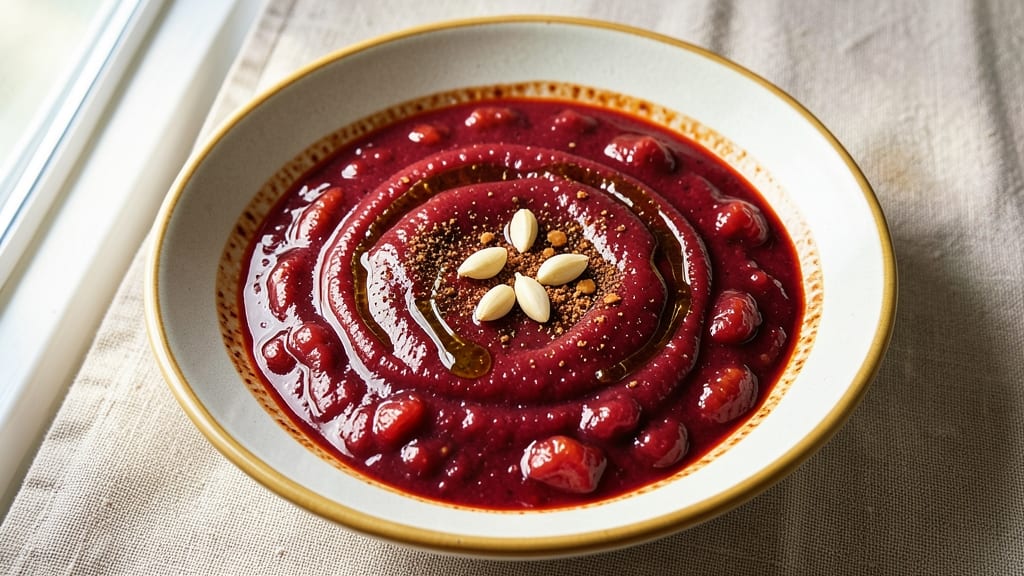
This ball pizza sauce recipe transforms canned tomatoes into a velvety, smoky masterpiece with just 10 minutes of active time. The secret? A blend of chipotle powder and garlic that creates deep, complex flavor without clumping—ideal for pizzas, pasta, or dipping.
I developed this after years of struggling with thick, gluey sauces that ruined my crusts.
The magic happens in the simmering process, where crushed tomatoes break down into a smooth, vibrant sauce with just the right balance of sweetness and smokiness. No blender required—this recipe relies on a simple technique that eliminates lumps while building rich flavor.
The addition of a touch of sugar and apple cider vinegar ensures a bright, balanced taste that works for any dish.
What you'll end up with is a versatile sauce that's perfect for homemade pizza, marinara dipping, or as a base for pasta. It keeps well in the refrigerator for up to a week or freezes beautifully for months, making it perfect for meal prep.
The smoky chipotle depth elevates even the simplest dishes, turning ordinary meals into something extraordinary.
Whether you're a pizza night enthusiast or just love great marinara, this sauce delivers restaurant-quality results with minimal effort. Let's get started—your taste buds will thank you.
Ingredients for ball pizza sauce
Ten simple ingredients transform canned tomatoes into a velvety, smoky pizza sauce masterpiece.
| Ingredient | Amount | Notes |
|---|---|---|
| Crushed Tomatoes (46 oz can) 🍅 | 1 can | San Marzano preferred for sweetness |
| Chipotle Powder 🌶️ | 2 tbsp | Smoked, not heatless variety |
| Garlic Cloves 🧄 | 4 cloves | Fresh, minced for bold flavor |
| Granulated Sugar 🍚 | 1 tbsp | Balances acidity perfectly |
| Apple Cider Vinegar 🍋 | 1 tbsp | Brightens the sauce |
| Extra-Virgin Olive Oil 🫒 | 2 tbsp | For richness and smooth texture |
| Dried Oregano 🍃 | 1 tsp | Mexican oregano for depth |
| Salt 🧂 | ¾ tsp | Diamond Crystal preferred |
| Black Pepper 🌶️ | ½ tsp | Freshly ground for warmth |
| Ground Black Pepper 🌶️ | ¼ tsp | Optional extra heat layer |
The crushed tomatoes are non-negotiable here—San Marzano makes all the difference with its natural sweetness and low acidity. Trader Joe's and Whole Foods carry the best cans, but any good-quality crushed tomatoes work. Chipotle powder is the secret weapon for that smoky depth without clumping, so grab the smoked variety—not the heatless kind. Fresh garlic is a must; pre-minced garlic from jars has too much filler. If you're short on time, Costco sells pre-minced garlic in tubes that work in a pinch.
No chipotle powder? Smoked paprika at half the amount gets you close, though it won't be as smoky. Fresh oregano is ideal, but dried at one-third the amount works fine. Running out of apple cider vinegar? White vinegar or lemon juice will do, though the flavor profile shifts slightly. The olive oil is worth the splurge—California extra-virgin adds a fruity note that elevates everything. For a smoother sauce, blend after simmering, but the no-blender method still delivers great texture.
This sauce keeps beautifully—1 week in the fridge or 6 months in the freezer. I double the batch every time and freeze half in ice cube trays for easy portioning. The sauce actually improves after a day or two as flavors meld. For pizza, use about 1/4 cup per 12-inch crust. Leftovers make killer pasta sauce or dipping sauce for garlic bread.
Why You'll Love This Recipe
- No-Cook Magic: I swear by this sauce because it’s ready the second I open the can. Just crush the tomatoes, toss in the chipotle powder, and let the vinegar do its thing—no simmering, no waiting.
- Smoky-Sweet Kick: That tiny pinch of sugar and a dash of vinegar cut through the acidity while the chipotle gives it a slow-cooked, smoky depth. It’s the kind of flavor that makes you want to eat pizza for breakfast.
- Game for Any Occasion: I use it on weeknight pizzas, stuffed peppers, or even as a marinade for chicken. The vinegar keeps it bright, so it never gets boring—just adapt the toppings.
- Budget-Packed Pantry Staple: A single can of tomatoes stretches into meals for days, and the other ingredients? Already in my spice rack. Honestly, I’d call this the most cost-effective way to keep flavor on the table.
Step-by-step instructions for smoky chipotle pizza sauce
This sauce delivers deep, smoky flavor without clumping—perfect for homemade pizza.
Sauté Garlic in Olive Oil Until Fragrant
Heat the 2 tablespoons extra-virgin olive oil in a medium saucepan over medium heat. Add the 4 cloves minced garlic cloves and cook for 1-2 minutes until the garlic becomes light golden and releases its aroma. Watch closely—garlic burns quickly, and you want that nutty fragrance without bitterness.
Here's the thing—low heat prevents burning while allowing the garlic to develop flavor. If your kitchen smells amazing but the garlic looks pale, you're golden. If it starts to darken, remove the pan immediately and start over. This is your aromatic foundation, so don't rush it.
Add Tomatoes and Simmer Until Thickened
Pour in the 1 can crushed tomatoes and stir to combine with the garlic. Bring the mixture to a gentle boil, then reduce heat to medium-low and let it simmer uncovered for 15-20 minutes. You're looking for a sauce that coats the back of a spoon—thick enough to cling to pizza dough but still spreadable.
This simmering time reduces the sauce and develops its depth. Stir occasionally to prevent sticking, but don't over-stir—you want those tomato skins to break down naturally. The sauce should reduce by about one-third, creating a concentrated tomato flavor base.
Build Flavor with Seasonings
Add the 2 tablespoons chipotle powder, 1 tablespoon granulated sugar, 1 tablespoon apple cider vinegar, 1 teaspoon dried oregano, 0.75 teaspoon salt, 0.5 teaspoon black pepper, and 0.25 teaspoon ground black pepper. Stir well to distribute all the seasonings evenly through the sauce.
The chipotle powder brings that signature smoky heat, while the sugar balances the acidity from the vinegar. The oregano adds earthy depth, and the vinegar brightens everything up. Taste as you go—you can adjust seasonings here, but start with the full amounts for balanced flavor.
Simmer Until Perfect Consistency
Return the sauce to a simmer and cook uncovered for another 10-15 minutes. The sauce should now be thick, glossy, and coat the back of a spoon when you lift it with a spoon. If it's still too thin, simmer for another 5 minutes—just don't let it boil vigorously or it may separate.
This final simmer ensures all flavors meld together. The sauce should smell rich and complex, with notes of tomato, smoke, and garlic. If you're making this ahead, let it cool completely before transferring to a jar—it'll thicken even more as it cools, making it perfect for pizza.
Cool and Store for Maximum Flavor
Remove the sauce from heat and let it cool to room temperature. The texture will thicken as it cools, which is exactly what you want for pizza sauce. For best results, refrigerate for up to 5 days or freeze for up to 3 months. When ready to use, reheat gently in a saucepan over low heat, stirring occasionally until warmed through.
This cooling step is crucial—it lets the flavors settle and the sauce reach its ideal consistency. The longer it sits, the more the chipotle and garlic flavors develop. When you're ready to make pizza, you'll have a sauce that's rich, smoky, and perfectly balanced—no clumps, no gloop, just pure flavor.
Pro Tips For Making Ball Pizza Sauce
- Simmer Low and Slow: After burning the first batch of sauce by boiling it aggressively, I learned to keep the heat at a gentle simmer—just enough to see tiny bubbles breaking the surface. This lets the flavors meld without turning your sauce into a charred disaster, especially when using crushed tomatoes that already have a thick base.
- Toast the Garlic: Skip the raw garlic cloves and give them a quick 30-second toast in a dry pan first. The nutty aroma deepens the sauce’s complexity, and you won’t end up with a bitter aftertaste—trust me, I’ve made that mistake. Just don’t walk away; watch it like a hawk.
- Balance the Vinegar: Apple cider vinegar is your flavor anchor, but too much makes the sauce taste harsh. Start with 1 tablespoon, taste, then adjust. If it’s still sharp, add a pinch of sugar to round it out—this is where the chipotle’s smokiness shines without overpowering.
- Strain for Smoothness: If you’re serving this on a ball pizza (or any pizza), strain out the tomato skins and seeds for a cleaner texture. I used to skip this, but a chunky sauce can make even the best dough taste uneven. A fine-mesh sieve does the job—no fancy tools needed.
Flavor customization for this ball pizza sauce
Smoky Heat Levels
Adjust the chipotle powder to control the heat—start with 2 tablespoons for a mild smoky flavor, but reduce to 1 tablespoon if you prefer less heat. For extra kick, add ½ teaspoon cayenne pepper or a pinch of crushed red pepper flakes.
I like to test the sauce after simmering to ensure the heat level matches my preference. 🌶️
Sweet-Tangy Balance
Taste the sauce after adding the sugar and vinegar—this is where you can tweak the sweet-tangy balance. If it tastes too acidic, add another ½ teaspoon sugar. For extra brightness, increase the apple cider vinegar to 1.5 tablespoons.
The goal is a sauce that's vibrant but not overpowering. I often adjust based on the tomatoes' natural sweetness.
Herb Variations
Swap the oregano for 1 teaspoon dried basil for a more Italian-inspired flavor, or add ½ teaspoon dried thyme for an earthy twist. Fresh basil leaves stirred in at the end add a bright, aromatic note.
I prefer Mexican oregano for its bold, peppery depth, but don't be afraid to experiment. 🍃
Umami Boosts
For deeper umami flavor, stir in 1 teaspoon soy sauce or ½ teaspoon fish sauce during the final simmer. A splash of tomato paste (about 1 tablespoon) intensifies the tomato flavor.
These additions work especially well for pizza or pasta dishes. The sauce will develop even richer layers of flavor.
Texture Adjustments
If the sauce is too thick after cooling, thin it with 1-2 tablespoons water or broth while reheating. For a smoother texture, blend briefly with an immersion blender after simmering.
I usually avoid blending to preserve the rustic texture, but it works well for dipping sauces or pasta. The key is consistency—adjust gradually to avoid ruining the balance.
Flavor Layering
Add a splash of balsamic vinegar (about ½ teaspoon) for a deeper, slightly sweet note. A pinch of smoked paprika enhances the smokiness without altering the texture.
These small additions create complex flavor profiles that elevate the sauce. I like to layer flavors gradually, tasting after each addition to ensure harmony. ✨
Nutrition facts
Frequently asked questions
Why does this sauce use chipotle powder instead of fresh chipotle peppers?
Chipotle powder delivers consistent smoky flavor without clumping or altering the sauce's texture. Fresh chipotle peppers can create uneven heat distribution and require extra straining. The powder dissolves smoothly during simmering, ensuring every bite has that signature smoky depth.
Can I make this sauce without a stove?
Use an instant pot or electric pressure cooker—set to "sauté" mode for the garlic, then add tomatoes and cook on high pressure for 5 minutes. Quick-release and stir in seasonings. The sauce will thicken beautifully in just 15 minutes total. For a no-cook option, blend all ingredients with 1 tablespoon cornstarch slurry and let sit for 1 hour.
How do I prevent the sauce from getting too acidic?
Start with the full 1 tablespoon sugar and 1 tablespoon vinegar, then taste before simmering. If needed, add ½ teaspoon more sugar or reduce vinegar to ½ tablespoon. The sauce mellows as it cools, so don't overcorrect. For extra sweetness, stir in 1 teaspoon honey during the final simmer.
What's the best way to use leftover sauce?
This sauce freezes perfectly in ice cube trays—portion for single pizzas, then transfer cubes to a bag. Thaw overnight in the fridge. Use it for pasta, dipping for mozzarella sticks, or as a base for meatball subs. The smoky flavor shines in breakfast hash too—just mix with scrambled eggs!
Can I substitute crushed tomatoes with tomato sauce?
Yes, but adjust the liquid ratio. Use 1 can tomato sauce + 2 tablespoons water to mimic crushed tomatoes' texture. Tomato sauce is thicker, so simmer for 5 minutes less to avoid over-thickening. For best results, blend briefly after simmering to smooth out any lumps. The flavor will be slightly less bright but still delicious.