
Sauces & Condiments
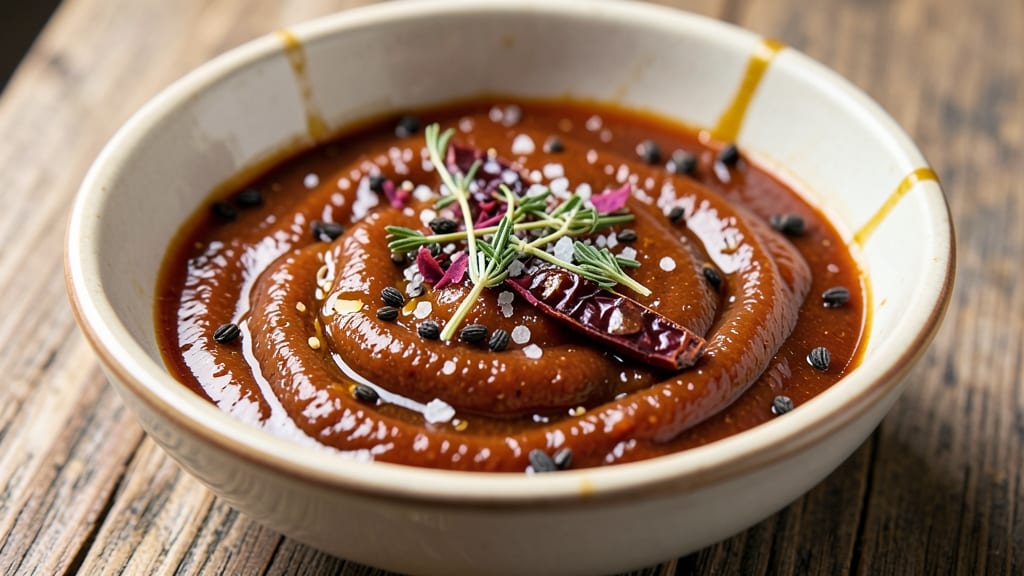
This ancho BBQ sauce recipe transforms smoky chipotle heat into a versatile condiment that elevates grilled meats, tacos, and nachos. 🔥 The secret lies in dried ancho chiles, which lend deep, earthy complexity without overpowering heat.
I developed this sauce after years of perfecting smoky flavors for my pitmaster competitions—now you can bring that same depth to your table.
The foundation is a rich tomato base simmered with vinegar for brightness, balanced by brown sugar for subtle sweetness. Ancho chiles steep in hot water to release their velvety, slightly sweet flavor, while spices like cumin and oregano build layers of warmth.
What makes this sauce special is how it bridges traditional smokiness with a tangy kick that lingers on the tongue.
By the time you're done, you'll have a glossy, aromatic sauce with just the right balance of sweet, smoky, and tangy notes. It thickens beautifully when reduced, perfect for basting meats or drizzling over finished dishes.
The best part? It keeps well in the fridge for up to two weeks or can be canned for long-term storage.
Use it on ribs, chicken, or even as a marinade—this sauce turns ordinary meals into showstoppers. Let's get started with a recipe that proves great BBQ doesn't require a competition-level smoker.
Ingredients for ancho bbq sauce
Nine ingredients, endless smoky flavor—this sauce turns ordinary meals into showstoppers.
| Ingredient | Amount | Notes |
|---|---|---|
| Dried Ancho Chiles 🌶️ | 4 whole | Stems and seeds removed |
| Tomato Paste 🍅 | ½ cup | Smooth, no added salt |
| Apple Cider Vinegar 🍎 | ½ cup | For bright acidity |
| Light Brown Sugar 🍚 | ¼ cup | Packed, for subtle sweetness |
| Ground Cumin 🌿 | 1 tbsp | Toasted for deeper flavor |
| Dried Oregano 🍃 | 1 tbsp | Mexican oregano preferred |
| Smoked Paprika 🌶️ | 1 tbsp | For extra smokiness |
| Garlic Cloves 🧄 | 2 whole | Peeled and lightly crushed |
| Extra-Virgin Olive Oil 🫒 | ¼ cup | High quality for richness |
| Salt 🧂 | 1 tsp | Kosher or sea salt |
| Black Peppercorns 🌶️ | ½ tsp | Freshly cracked |
Ancho chiles are the heart of this sauce—look for deep red, wrinkled pods at Latin markets or specialty stores. La Tienda or Goya usually carry them, but if you can't find them, guajillo chiles work in a pinch. Toast them lightly in a dry pan to deepen their flavor before steeping. The tomato paste? Muir Glen or Rao's are my go-tos—they're smooth and never bitter. For vinegar, apple cider vinegar adds complexity, but white vinegar in a bind works too. Just don't skimp on the quality here—this is where the sauce's depth lives.
No ancho chiles? Dried chipotle peppers in adobo sauce (2 tablespoons) will give you heat, but you'll need to adjust the sweetness. Swap Mexican oregano for regular dried oregano at a one-to-one ratio, but trust me, the Mexican kind is worth hunting down. The garlic can be roasted for a sweeter note—just toss the whole cloves in a 400°F oven for 10 minutes before adding. For extra smokiness, add a pinch of liquid smoke, but don't overdo it or the sauce will taste artificial. If you're making this ahead, reduce the vinegar by 20%—it mellows as it sits.
This sauce thickens as it cools, so store it in a jar with a tight seal—it'll keep for 2 weeks in the fridge or 6 months in the freezer. I like to portion it into small jars for easy use on the grill or in tacos. If it thickens too much, just whisk in a splash of water or vinegar. The flavors actually improve over time, so make a big batch—you'll want leftovers. For canning, process in a water bath for 15 minutes to ensure safety. Trust me, you'll be reaching for this jar constantly.
Why You'll Love This Recipe
- Pantry Magic: I swear by this sauce because it uses stuff I already have—no last-minute grocery runs. The dried ancho chiles? I keep a bag in my cabinet for emergencies (and this counts). Just soak, blend, and simmer—no fancy tools needed.
- Smoky-Sweet Magic: That deep, earthy heat from the ancho chiles? It’s like a hug for your taste buds. The brown sugar and vinegar balance it out with just enough tang and richness—perfect for when you want bold but not overwhelming.
- Weeknight Hero: Slather it on grilled chicken for dinner, toss it with roasted potatoes for lunch, or drizzle it over tacos when guests show up. It’s my secret weapon for meals that feel special without the fuss.
- Budget Boost: A single batch stretches for days—leftovers taste just as good reheated as they do fresh. Honestly, I’ve used this sauce for everything from slow-cooker pulled pork to breakfast burritos, and it never lets me down.
Step-by-step instructions for ancho BBQ sauce
Here's how to build this smoky, balanced sauce from scratch—every step matters.
🔥 Step 1: Toast the Ancho Chiles for Deep Flavor
Heat a dry skillet over medium heat and add the 4 whole dried ancho chiles. Toast them for 30-45 seconds per side until they darken slightly and smell deeply aromatic. This step develops their natural sweetness and smokiness—don't walk away, or they'll burn.
Remove the chiles and immediately place them in a heatproof bowl. Cover with ½ cup hot water from the kettle and let them soak for 15 minutes. The water will turn a beautiful reddish-brown as the chiles rehydrate and release their rich flavors. This infusion forms the sauce's soul.
🍳 Step 2: Build the Sauce Base with Tomato and Vinegar
In the same skillet (no need to clean it), add ¼ cup extra-virgin olive oil over medium heat. Stir in the ½ cup tomato paste and cook for 2-3 minutes until it darkens slightly and smells caramelized. This deepens the sauce's complexity.
Pour in the ½ cup apple cider vinegar and scrape up any browned bits from the bottom of the pan. Bring to a gentle simmer, then add the ½ cup light brown sugar, 1 tablespoon ground cumin, 1 tablespoon dried oregano, and 1 tablespoon smoked paprika. Stir constantly for 5 minutes until the sugar dissolves completely.
👨🍳 Step 3: Blend and Strain for Silky Texture
Using a slotted spoon, transfer the soaked ancho chiles (with their soaking liquid) to a blender. Add the spiced tomato-vinegar mixture and blend until completely smooth. The sauce should be vibrant red with no visible chunks. If needed, add 1-2 tablespoons of water to help it blend properly.
Strain the blended mixture through a fine-mesh sieve into a clean saucepan, pressing on the solids with a wooden spoon to extract every last drop of flavor. This step ensures a silky, professional-quality sauce without any texture surprises. Discard the solids in the sieve.
🔥 Step 4: Simmer and Season to Perfection
Return the strained sauce to the saucepan and bring to a gentle simmer over medium-low heat. Cook uncovered for 15-20 minutes, stirring occasionally, until the sauce thickens enough to coat the back of a spoon. It should reduce slightly but still remain glossy.
Season to taste with the 1 teaspoon salt and ½ teaspoon freshly cracked black peppercorns. For extra depth, add the 2 whole garlic cloves (peeled) and simmer for another 5 minutes. Remove the garlic cloves before serving—this infuses the sauce with subtle sweetness without any texture.
⏰ Step 5: Cool and Store for Maximum Flavor
Let the sauce cool to room temperature, then transfer it to a clean jar. The sauce will thicken further as it cools—this is normal and actually improves the texture. For best results, refrigerate for at least 4 hours (or overnight) before using.
This resting period allows all the flavors to meld beautifully. The sauce keeps well in the refrigerator for up to 2 weeks or can be frozen for up to 3 months. When ready to use, gently reheat on the stovetop over low heat, stirring frequently to prevent scorching.
Pro Tips For Making Ancho Bbq Sauce
- STEAM THE CHILES: Toss dried ancho chiles in a dry pot over medium heat for 30 seconds—just until they smell toasty—then cover with hot water and let them bloom for 10 minutes. I learned this the hard way: skipping the steam step leaves them bitter and stubbornly dry, no matter how long you soak them later.
- TOAST THE CUMIN: Bloom the ground cumin in oil for 30 seconds before adding liquids—it deepens the earthy flavor and prevents that metallic aftertaste. Sounds weird, but it works: I was skeptical until I tasted the difference in my second batch.
- SIMMER LOW AND SLOW: Reduce heat to a bare simmer after adding vinegar and sugar, or you’ll end up with a gloppy, uneven sauce. This isn’t the prettiest method, but it’s the tastiest—give it 20-25 minutes to thicken properly.
- USE A SPLASH OF WATER: If your sauce gets too thick mid-cook, add 2-3 tablespoons of water instead of vinegar. Vinegar will throw off the balance of sweet and tangy, and you’ll regret it later. (Yes, even if you’re impatient like me.)
Common mistakes when making your ancho bbq sauce
Skipping the Vinegar
Vinegar is what brightens this sauce and cuts through the smokiness, so never skip it! I’ve seen people replace it with lemon juice, but that adds a completely different tang.
If you’re avoiding vinegar for health reasons, try a splash of rice vinegar (just ¼ cup)—it’s milder but still adds acidity. The sauce will taste flat and one-dimensional without it. 🍎
Over-Steeping the Chiles
Ancho chiles steep quickly—15 minutes max—but leaving them too long turns the water bitter. I’ve ruined batches by letting them soak for 30 minutes or more, which makes the sauce taste harsh.
If you’re in a hurry, reduce steeping time to 10 minutes, but don’t skip it entirely. The chiles need time to release their deep, earthy flavors. 🌶️
Ignoring the Sugar
The brown sugar isn’t just for sweetness—it balances the acidity and enhances the smokiness. If you omit it or use a sugar substitute, the sauce will taste sharp and unbalanced.
For a keto-friendly version, replace it with 1 tablespoon monk fruit sweetener, but reduce the amount by half. Taste as you go—sweetness builds as the sauce simmers.
Burning the Tomato Paste
Tomato paste burns faster than you think, especially when caramelizing. Keep the heat at medium-low and stir constantly for those 2-3 minutes. If it darkens too much, your sauce will taste bitter.
For extra insurance, add 1 tablespoon water to the pan before stirring in the paste—it creates steam that prevents burning. 🔥
Not Straining Properly
Skipping the straining step leaves gritty bits that ruin the sauce’s silky texture. Press the solids hard with a wooden spoon to extract every last drop of flavor.
I’ve seen people use cheesecloth instead of a fine-mesh sieve, but it doesn’t filter as well—stick with the sieve for a smooth finish. If you’re lazy, blend everything again after straining, but you’ll lose some depth. 💡
Rushing the Simmer
Simmering too fast or at high heat turns the sauce into a sticky mess. Keep it at a gentle simmer—you should see tiny bubbles, not a rolling boil. If it reduces too quickly, add 1 tablespoon water to maintain consistency.
Patience here is key—the sauce needs time to thicken and develop its rich flavor. Trust the process! ⏳
Nutrition facts
Frequently asked questions
What makes ancho BBQ sauce different from traditional tomato-based BBQ?
Ancho chiles bring a unique depth—think earthy, slightly sweet, and smoky without overpowering heat. Unlike classic BBQ sauces that rely on cayenne or chipotle, ancho adds complexity that pairs perfectly with grilled meats and tacos. The vinegar brightens it further, creating a balanced tang that traditional sauces often lack.
Can I use this sauce on vegetables or just meat?
This sauce works beautifully on roasted vegetables like bell peppers, zucchini, or sweet potatoes. For extra flavor, toss them in a little olive oil first, then drizzle with the sauce and roast until caramelized. It also makes a fantastic dip for chips or a glaze for tofu. The smoky-sweet profile shines in vegetarian dishes too.
How do I adjust the heat level if ancho chiles are too mild?
Add a pinch of cayenne pepper or a dash of chipotle powder to the simmering sauce. Start with ¼ teaspoon and taste—you can always add more. For a smoky kick without heat, increase the smoked paprika to 2 tablespoons instead. The ancho's natural sweetness balances any added spice beautifully.
Is this sauce gluten-free or vegan?
Yes! All ingredients are naturally gluten-free and vegan. Just double-check your tomato paste and spices for hidden additives. For extra insurance, use certified gluten-free tomato paste. The sauce's rich, smoky flavor makes it a crowd-pleaser for dietary restrictions—perfect for vegan BBQ or gluten-sensitive guests.
Why does my sauce look too thick after cooling?
This is normal—the sauce thickens as it cools! Thin it with 1-2 teaspoons of water or vinegar while warm, then let it rest again. If it's still too thick, simmer uncovered for 5-10 minutes to reduce it further. The perfect consistency should coat the back of a spoon but still drizzle smoothly. Patience pays off—flavors meld best when rested!