
Sauces & Condiments
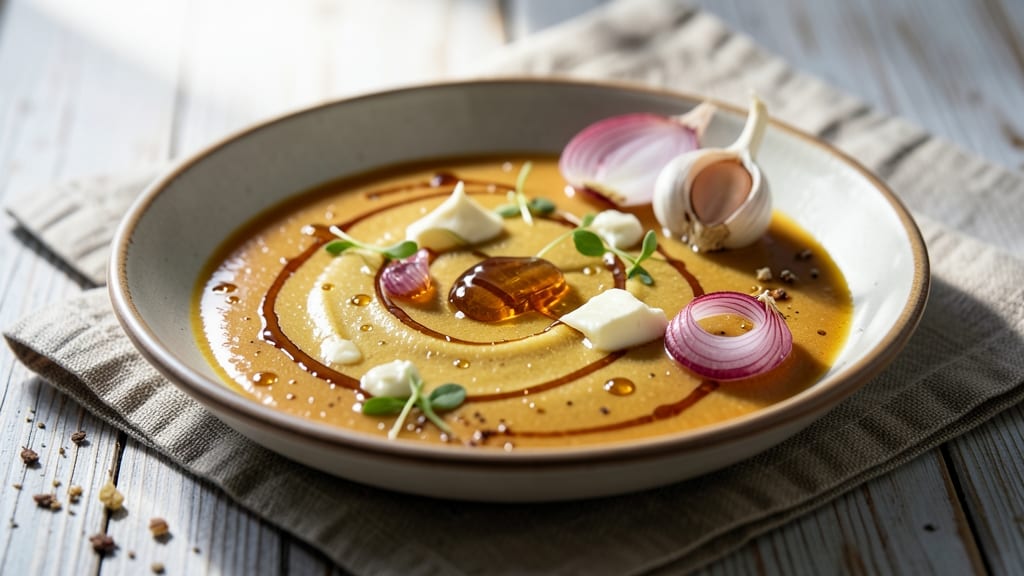
This amber sauce recipe transforms simple pantry staples into a velvety, golden condiment with surprising depth—where celery root and vinegar create a complex harmony that elevates everything from roasted meats to delicate desserts.
The secret lies in slow caramelization and precise seasoning, creating a sauce that's both rich and refreshingly bright. I developed this after years of experimenting with French-inspired reductions, and it's become my go-to for adding restaurant-quality depth to home cooking.
The beauty of this sauce is its versatility—it works as a glaze for pork chops, a drizzle over vanilla ice cream, or a tangy companion to charred vegetables.
What makes it special is the balance: the natural sweetness of honey and caramelized celery root is perfectly countered by the subtle acidity of vinegar, creating layers of flavor that build with each bite. The sauce thickens beautifully when reduced, yet remains silky and spreadable.
What you'll end up with is a golden amber sauce that's neither too sweet nor overly tangy, but perfectly balanced with warm spices and herbal notes. The preparation is straightforward—just a few ingredients simmered together—but the result is anything but basic.
This isn't just another honey glaze; it's a sophisticated condiment that transforms ordinary dishes into something memorable.
Once made, the sauce keeps well in the refrigerator for up to two weeks, making it ideal for meal prep or gifting. Whether you're finishing a holiday roast or adding a touch of elegance to a simple salad, this amber sauce delivers professional-quality results with minimal effort.
Let's create something extraordinary together.
Ingredients for amber sauce
Nine ingredients transform into a velvety amber sauce that's restaurant-worthy but simple to make.
| Ingredient | Amount | Notes |
|---|---|---|
| Celery Root 🥬 | 1 lb | Peeled, cut into 1-inch cubes |
| Apple Cider Vinegar 🍎 | ½ cup | Raw, unfiltered preferred |
| Honey 🍯 | ½ cup | Wildflower or clover variety |
| Unsalted Butter 🧈 | ½ cup | Cold, cubed for even melting |
| Shallots 🧅 | 2 whole | Minced, about 2 tbsp total |
| Garlic Cloves 🧄 | 3 cloves | Peeled, smashed for deeper flavor |
| Fresh Thyme 🌿 | ¼ cup | Leaves only, stems removed |
| Salt 🧂 | 1 tsp | Diamond Crystal preferred |
| Black Peppercorns 🌶️ | ¼ tsp | Freshly cracked, not ground |
| Heavy Cream 🥛 | ¼ cup | Full-fat for best texture |
Celery root is the star here—look for firm, unblemished tubers at Whole Foods or your local market. The deeper the amber color when caramelized, the richer the flavor. Shallots add complexity, so don't skip them—Trader Joe's sells them pre-minced if you're short on time. Honey should be raw and unfiltered for the best depth of flavor. I always grab the local wildflower variety from Costco when it's in season, but any good honey works. Fresh thyme makes all the difference—dried won't give you that bright herbal note, so grab a bunch and use half for garnish if you're feeling fancy.
No celery root? Substitute with 1 cup diced fennel—it's got a similar earthy sweetness. Running low on apple cider vinegar? White wine vinegar works in a pinch, but you'll lose that subtle apple complexity. Butter can be swapped for vegan butter if needed, though the texture won't be quite as silky. For extra richness, add a splash of cream cheese at the end. The sauce thickens as it reduces, so if you prefer it thinner, simply add a splash of water or broth while warming. Want more tang? Add an extra tablespoon of vinegar at the end—trust me on this.
This sauce keeps beautifully in the fridge for up to 2 weeks in an airtight jar. For longer storage, freeze in ice cube trays—perfect for single-use portions. The flavor actually improves over time as the ingredients meld. I always make a double batch—one for immediate use and one to stash in the freezer. When reheating, warm gently on the stove with a splash of water to restore that silky texture. Perfect for drizzling, glazing, or even using as a dip—just don't skimp on the final garnish of fresh thyme.
Why You'll Love This Recipe
- Fewer Ingredients, More Impact: I swear by this—just five things (celery root, shallots, butter, vinegar, honey) transform into something rich and complex. No spice lists, no 10-step methods. That honey and vinegar combo? It’s the secret weapon here.
- Sweet-Savory Magic: The celery root adds earthy depth while the honey cuts through with just enough brightness—like a caramelized hug. Honestly, I’ve drizzled this over roasted chicken, mashed potatoes, and even toasted bread. It’s ridiculous how good it is.
- Double-Duty Sauce: Make a big batch on Sunday and use it all week. Drizzle it on roasted veggies, toss it with grains, or even glaze a pork chop. Between us, it’s my go-to for when I’m too tired to think but still want flavor.
- Budget-Friendly Luxury: Celery root might sound fancy, but it’s cheaper than most veggies and lasts forever in the fridge. A little butter and honey stretch far, and the vinegar keeps it bright without breaking the bank. Frugal? Yes. Delicious? Absolutely.
Step-by-step instructions for celery-infused amber sauce
This sauce transforms humble celery root into a velvety, golden masterpiece with a perfect balance of sweet, tangy, and herbal notes.
🍳 Step 1: Sauté Shallots and Garlic Until Translucent
Heat a large saucepan over medium-low heat and add the 0.5 cup unsalted butter. Let it melt completely, then add the 2 whole minced shallots. Cook them for 5-6 minutes until they become soft and translucent, stirring occasionally to prevent burning.
Add the 3 smashed garlic cloves and cook for another 30 seconds until fragrant. Here's the thing—don't rush this step. The shallots should be completely softened and the garlic should smell like it's waking up from a nap. If they brown too quickly, reduce the heat slightly. This aromatic base is the flavor foundation of your sauce.
🍳 Step 2: Add Celery Root and Cook Until Tender
Increase heat to medium and add the 1 lb peeled, cubed celery root. Stir to coat the pieces in the butter and shallot mixture. Cook for 10-12 minutes until the celery root is fork-tender when pierced with a knife. You want it to be soft but not mushy—think al dente potatoes.
I like to press down gently on the largest pieces during the first few minutes to ensure even cooking. If the celery root starts to brown too quickly, add a splash of water to deglaze the pan and keep it moist. The goal is tender, flavorful celery root that will blend seamlessly into the sauce.
🍳 Step 3: Deglaze with Vinegar and Honey
Pour in the 0.5 cup apple cider vinegar and 0.5 cup honey, stirring constantly. The mixture will bubble vigorously—this is normal. Let it simmer for 3-4 minutes until the vinegar has mostly evaporated and the sauce begins to thicken slightly. You'll notice the color deepening to that beautiful amber hue.
This is where the magic happens. The vinegar cuts through the richness of the butter while the honey adds natural sweetness that balances the earthy celery root. Stir frequently to prevent sticking, and if the sauce looks too thick, add 1-2 tablespoons of water to loosen it. The sauce should coat the back of a spoon but still be pourable.
🍳 Step 4: Finish with Thyme and Seasonings
Add the 0.25 cup fresh thyme leaves, 1 tsp salt, and 0.25 tsp freshly cracked black peppercorns. Stir well to distribute the thyme evenly throughout the sauce. Let it simmer for another 2 minutes to allow the flavors to meld together.
Here's a pro tip: I like to taste the sauce at this point to adjust seasoning. The thyme should be aromatic but not overpowering, and the salt should enhance all the flavors without being dominant. If you're using Diamond Crystal salt (which is less concentrated), you might need to add a pinch more. The pepper should add just a hint of heat to balance the sweetness.
🥘 Step 5: Incorporate Heavy Cream for Velvety Texture
Reduce the heat to low and gradually whisk in the 0.25 cup heavy cream. Be careful not to let the sauce boil—you want to maintain that creamy texture. Stir constantly for 2-3 minutes until the sauce thickens to a luxurious consistency.
The cream should blend smoothly into the sauce, creating that signature velvety texture. If the sauce is too thick, add 1-2 teaspoons of water to reach your desired consistency. The final sauce should be glossy with a beautiful amber color and a smooth, creamy mouthfeel. This is the moment that matters: your sauce should look like it belongs in a high-end restaurant, not just your home kitchen.
Pro Tips For Making Amber Sauce
- Cook Celery Root Low: I learned this the hard way—celery root burns faster than you’d think. Keep the heat at a gentle simmer (medium-low) once you add the vinegar and honey, or you’ll end up with a bitter, caramelized mess instead of a smooth amber sauce. Stir often, but don’t rush it.
- Peel Shallots Thin: Thick peels? Nope. Shallots should be peeled almost to translucency—just a whisper of skin left on. That way, they soften evenly without turning to mush, and the sauce stays bright, not cloudy. (Yes, it’s tedious, but worth it.)
- Balance Vinegar and Honey: Too much vinegar and your sauce tastes sharp; too little honey and it’s cloying. Start with a 1:1 ratio (1 tablespoon vinegar to 1 tablespoon honey), then adjust by the teaspoon. Taste as you go—this isn’t a math problem, it’s a flavor puzzle.
- Finish with Cold Butter: Drizzle in the butter off the heat for the last 30 seconds. That’s when it emulsifies like magic, giving the sauce a velvety sheen instead of separating like a sad, greasy puddle. (I used to add it hot—don’t make my mistake.)
Make-ahead tips for amber sauce
Double-Batch Prep
Make a double batch of this amber sauce—it’s perfect for meal prep! Store one portion in the fridge for up to 2 weeks in an airtight glass jar, and freeze the second batch in ice cube trays for single-use portions.
This way, you always have a ready-to-use glaze for roasted meats, drizzled desserts, or even as a dip for crudités. 🧊
Freezer-Friendly Tips
If freezing, let the sauce cool completely before transferring to freezer bags. Squeeze out excess air to prevent freezer burn, and label with the date. Thaw overnight in the fridge—never microwave directly from frozen, or the texture will break.
I like to reheat small portions in a saucepan with 1 tablespoon water to restore that silky consistency. 🥶
Reheating Perfection
To reheat, transfer the sauce to a saucepan over low heat and add 1-2 tablespoons water or broth to prevent scorching. Stir constantly until warmed through—5-7 minutes is ideal. Avoid high heat, or the sauce may separate.
For extra richness, stir in a pat of cold butter at the end. This method keeps the sauce velvety and ready for drizzling. 🔥
Sauce Stability
The sauce thickens slightly when refrigerated, so thin with 1 teaspoon water before reheating if needed. If storing for longer than 2 weeks, freeze in small portions to maintain freshness. The flavors actually deepen over time, making it even more complex.
I’ve kept this sauce for 3 weeks in the freezer with no loss of quality—just be sure to thaw gradually. ✨
Garnish Like a Pro
Before serving, finish with a sprinkle of fresh thyme leaves or a pinch of flaky sea salt for a restaurant-worthy touch. For extra elegance, add a few toasted pumpkin seeds or a drizzle of honey to enhance the amber hue.
These garnishes not only look stunning but also add subtle texture and flavor contrasts. 🌟
Versatile Uses
This sauce isn’t just for drizzling—use it as a glaze for pork tenderloin, a dip for baked brie, or even a swirl in vanilla ice cream. Its balanced sweet-tangy profile makes it endlessly adaptable.
I’ve even used it as a marinade for chicken thighs—the results are next-level. Get creative and let your taste buds guide you! 🍽️
Nutrition facts
Frequently asked questions
What makes this amber sauce different from regular honey glaze?
This amber sauce goes beyond simple honey glazes by incorporating celery root for earthy depth and apple cider vinegar for bright acidity. The heavy cream creates a velvety texture, while fresh thyme and cracked pepper add aromatic complexity. It's more sophisticated than a basic honey reduction, with layers of flavor that work beautifully on both savory and sweet dishes.
Can I make this sauce without celery root?
Yes! You can substitute with 1 cup diced fennel for a similar earthy sweetness, or use 1 cup carrot purée for a milder flavor. The key is maintaining the balance of sweet, tangy, and herbal notes. Just adjust the cooking time—fennel takes about 5 minutes less than celery root to soften.
How do I adjust the sweetness if I prefer it less sugary?
Reduce the honey to 0.3 cups and increase the vinegar to 0.6 cups to enhance the tang. For extra depth, add 1 tsp lemon juice at the end. Taste as you go—this sauce is highly customizable! The vinegar also helps balance any sweetness, so don't be afraid to experiment.
Will this sauce work as a marinade?
Thin the sauce with 0.5 cup broth and use it as a marinade for chicken thighs or pork chops. The celery root and vinegar infuse beautifully into the meat, creating tender, flavorful results. Marinate for 4-6 hours in the fridge for best results.
Why did my sauce turn out too thick?
This often happens if the sauce reduces too much during cooking. To fix it, whisk in 1-2 teaspoons of water or warm broth while stirring over low heat. For prevention, reduce the heat slightly when simmering and stir more frequently. The sauce should coat the back of a spoon but remain pourable.