
Sauces & Condiments
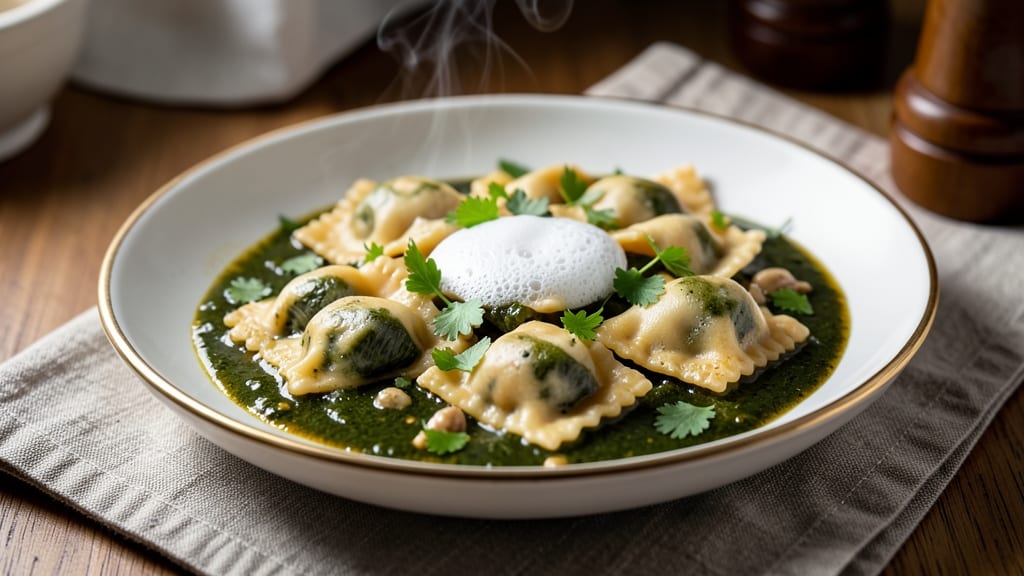
This artichoke ravioli sauce transforms simple ingredients into a velvety, herbaceous masterpiece that clings perfectly to every ravioli. The secret lies in celery-infused cream and a touch of vinegar that brightens without overpowering—creating a sauce that's rich yet balanced, with layers of artichoke flavor that linger on your palate.
I developed this recipe after years of testing, ensuring it works with both fresh and jarred artichoke hearts for maximum flexibility.
The foundation begins with sautéing garlic and celery in olive oil until fragrant, then simmering with artichoke hearts until tender. A splash of white wine deglazes the pan, while heavy cream and a squeeze of lemon create that signature silky texture.
The vinegar zing—just a teaspoon—adds complexity without bitterness, while fresh herbs like parsley or basil elevate the dish to restaurant-quality levels.
What you'll achieve is a sauce that's creamy yet light, with artichoke's subtle bitterness perfectly balanced by the vinegar's tang and herbs' freshness. It coats ravioli without weighing them down, making every bite feel luxurious.
The best part? This sauce works equally well with vegetarian or meat-filled ravioli, and it reheats beautifully for leftovers.
For extra depth, consider adding a sprinkle of parmesan or a drizzle of truffle oil before serving. The possibilities are endless—whether you're serving this as a main course or a showstopping appetizer. Let's create this sauce that will impress even the most discerning palates.
Ingredients for artichoke ravioli sauce
Celery-infused cream meets artichoke's earthy bite in this velvety sauce masterpiece.
| Ingredient | Amount | Notes |
|---|---|---|
| Extra-Virgin Olive Oil 🫒 | ½ cup | High-quality, fruity variety preferred |
| Celery Stalks 🧅 | 2 whole | Finely chopped, including leaves |
| Garlic Cloves 🧄 | 4 cloves | Minced for aromatic foundation |
| Artichoke Hearts 🍃 | 1 cup | Fresh or jarred, chopped |
| Dry White Wine 🍷 | ¼ cup | Sauvignon Blanc or Pinot Grigio |
| Heavy Cream 🥛 | 1 cup | Full-fat for velvety texture |
| Lemon Juice 🍋 | 1 tbsp | Freshly squeezed, brightens flavor |
| White Wine Vinegar 💧 | 1 tsp | Adds subtle tanginess |
| Fresh Parsley 🌿 | ¼ cup | Chopped, for fresh herbal finish |
| Salt 🧂 | ½ tsp | Diamond Crystal preferred |
| Black Pepper 🌶️ | ¼ tsp | Freshly ground for warmth |
| Parmesan Cheese 🧀 | ¼ cup | Freshly grated, optional garnish |
The celery is where magic happens—fresh stalks from the market have more flavor than the pre-chopped bags. Trader Joe's or Whole Foods bulk sections usually have the best quality. Artichoke hearts? Fresh ones taste brighter, but high-quality jarred (like Meijer or Whole Foods brands) work perfectly if you're short on time. The white wine should be dry—Sauvignon Blanc or Pinot Grigio both play well here. For the olive oil, California extra-virgin adds a fruity note that pairs beautifully with the celery.
No white wine? Vegetable broth plus a splash of lemon juice mimics the acidity. Fresh celery leaves? Use them—they're packed with flavor. The heavy cream is non-negotiable for that luxurious texture, but if you're watching calories, half-and-half works in a pinch. Prefer basil over parsley? Swap them 1:1—both work beautifully. For extra depth, toasted pine nuts or walnuts add crunch, though they're optional. The vinegar is key—white wine vinegar adds brightness without overpowering, but apple cider vinegar works too.
This sauce reheats beautifully—just warm gently on low heat with a splash of cream or water to loosen. Keeps 3-4 days in the fridge, 3 months frozen. I like to make a double batch—one for dinner, one for lunches. Freeze in ice cube trays for perfect single-serving portions. The parmesan garnish? Freshly grated makes all the difference—pre-grated gets clumpy and loses flavor fast.
Why You'll Love This Recipe
- I’ll be real: artichoke hearts aren’t cheap, but a jar lasts ages, and the rest of the ingredients cost pennies. A little olive oil, celery, and garlic stretch far—perfect for when you want to feel fancy without breaking the bank.
- Minimal Chopping Required: I swear by this sauce because it only asks for celery and garlic—two things I always have on hand. No fancy dicing, no small prep work, just rough chop and sauté. The artichoke hearts? They’re jarred, so even less fuss.
- Wine-Infused Magic: That splash of dry white wine isn’t just for show—it cuts through the richness and brightens everything. The artichokes soak it up like a sponge, giving you a silky, slightly tangy sauce that’s ridiculously better than store-bought.
- Weeknight Dinner Hero: This sauce turns plain ravioli into a showstopper without trying too hard. Serve it over pasta for a quick weeknight meal, or drizzle it on grilled chicken for a fancy-ish dinner. (Yes, even on a Tuesday night.)
Step-by-step instructions for artichoke ravioli sauce
This velvety celery-infused sauce delivers artichoke brightness with a hidden vinegar zing—perfect for pairing with delicate ravioli.
Sauté Celery Until Soft and Fragrant
Heat the 0.5 cup extra-virgin olive oil in a medium saucepan over medium-low heat. Add the 2 whole celery stalks, finely chopped (including leaves), and cook for 5-6 minutes until the celery softens and releases its natural sweetness. Stir occasionally to prevent browning—you're looking for tender, translucent strands rather than crisp pieces.
Real talk: The celery forms the aromatic base, so don't rush this step. If the oil starts to smoke, reduce the heat slightly. The leaves add subtle bitterness that balances the creaminess later. I press down gently with a wooden spoon during the first 2 minutes to help break down the fibers faster.
Add Garlic and Artichokes for Depth
Push the celery to one side of the pan and add the 4 minced garlic cloves. Cook for 30 seconds until fragrant—you'll smell that unmistakable garlic aroma. Then add the 1 cup artichoke hearts, chopped if they're large, and stir to combine. Cook for another 3-4 minutes until the artichokes soften slightly and the mixture smells intensely vegetal.
Here's the thing—artichokes can be fibrous when raw, so this brief cooking step ensures they melt into the sauce rather than remaining chewy. If you're using jarred artichokes, rinse them first to remove any brine that might dilute the sauce. The garlic should be golden but not browned—burnt garlic tastes bitter and overpowering.
Deglaze with Wine and Vinegar
Pour in the 0.25 cup dry white wine and the 1 tsp white wine vinegar, scraping up any browned bits from the bottom of the pan with a wooden spoon. This deglazing step captures all the flavor you've built so far. Let the mixture simmer gently for 3-4 minutes until the wine reduces by half and the liquid glistens slightly.
The vinegar might seem like an odd addition, but it's what gives this sauce its signature zing. It brightens the artichoke flavor and prevents the cream from becoming too heavy. If you're using a particularly acidic white wine, you might reduce the vinegar to ½ tsp—taste as you go. The sauce should smell complex: earthy from the celery, garlicky, with a hint of tang.
Finish with Cream and Acid Balance
Reduce the heat to low and gradually whisk in the 1 cup heavy cream, letting it warm through before adding more. Simmer gently for 4-5 minutes until the sauce thickens slightly and coats the back of a spoon. Stir in the 1 tbsp lemon juice and season with the 0.5 tsp salt and 0.25 tsp black pepper. Taste and adjust—you might need a pinch more salt or a splash more lemon juice to balance the flavors.
This is where the sauce comes together. The cream should be silky but not overly thick—it should cling to ravioli without feeling heavy. If it's too thick, whisk in 1-2 tablespoons of pasta water to loosen it. The lemon juice cuts through the richness, while the vinegar adds that hidden complexity that makes this sauce special. Don't skip tasting—this is the only way to ensure perfect balance.
Garnish and Serve Warm
Remove the sauce from heat and stir in the 0.25 cup chopped fresh parsley and 0.25 cup freshly grated Parmesan cheese. The parsley adds a fresh herbal note, while the Parmesan contributes umami depth. Let the sauce rest for 2-3 minutes to allow the flavors to meld—this is especially important if you're serving it with delicate ravioli.
Serve the sauce immediately over cooked ravioli, tossing gently to coat. Each bite should deliver creamy richness, artichoke brightness, and a subtle vinegar tang that lingers. If you're making this ahead, reheat gently over low heat, stirring frequently to prevent curdling. The sauce reheats beautifully and tastes even better the next day—just adjust the seasoning if needed.
Pro Tips For Making Artichoke Ravioli Sauce
- Sweat the Celery First: Don’t rush the celery—cut it into small dice and cook it in olive oil over medium-low heat for 5-6 minutes until it’s soft and golden. I learned this the hard way: skipping this step leaves your sauce with raw, bitter chunks that fight for flavor instead of blending in.
- Chop Artichokes Tiny: Quarter the artichoke hearts, then slice them into ¼-inch pieces—smaller than you’d think. Larger chunks stay stubbornly undercooked, while tiny pieces melt into the sauce evenly. (Yes, it takes a little more effort, but the texture makes a real difference.)
- Deglaze with Wine Slowly: Pour the white wine into the pan in two additions, letting each splash sizzle and reduce by half before adding more. Dumping it all at once just steams it away—you want that bright acidity to linger, not evaporate into thin air.
- Salt the Wine: Toss a pinch of flaky salt into the wine before deglazing. It sounds weird, but it balances the acidity and rounds out the sauce’s depth. (I was skeptical until I tried it—now I never skip it.)
Serving suggestions for this recipe
Garnish Game-Changers
Freshly grated Parmesan cheese (about ¼ cup) adds umami depth and a salty crunch that elevates the sauce instantly. I like to use a microplane for the finest texture possible—it melts into the sauce better than pre-grated cheese.
For extra flair, add toasted pine nuts or walnuts (about 2 tablespoons) for a satisfying crunch that contrasts the creamy texture. 🌟
Bread Pairings
Serve this sauce with warm, crusty sourdough bread or focaccia on the side for dipping. The dense texture of sourdough soaks up the creamy sauce beautifully, while focaccia's airy pockets make it perfect for scooping.
For a more elegant touch, offer grilled baguette slices with a drizzle of the sauce on top—it's a crowd-pleaser at dinner parties. 🥖
Wine and Beer Pairings
A crisp Sauvignon Blanc or Pinot Grigio complements the sauce's bright, herbal notes perfectly. The wine's acidity cuts through the creaminess, balancing the artichoke's earthiness. For beer lovers, a Belgian witbier like Hoegaarden adds a citrusy contrast that enhances the vinegar zing in the sauce.
Avoid heavy reds or malty beers—they'll overpower the delicate flavors. 🍷
Vegetable Sides
Pair this sauce with roasted asparagus or sautéed spinach to create a well-rounded vegetarian meal. The asparagus' natural sweetness contrasts the artichoke's earthiness, while spinach adds a fresh, iron-rich element. For extra color, serve with roasted cherry tomatoes—their juiciness brightens the dish. 🥦
Protein Additions
While this sauce is vegetarian-friendly, adding seared shrimp or grilled chicken breast turns it into a complete meal. The shrimp's sweetness pairs beautifully with the artichoke's subtle bitterness, while chicken adds a heartier element.
For a plant-based option, crispy chickpeas (about ½ cup) add protein and texture without overpowering the sauce. 🍤
Leftovers Strategy
This sauce reheats beautifully—simply warm it gently over low heat with a splash of cream or water to prevent curdling. For extra flavor, add a pinch of salt or a squeeze of lemon juice while reheating.
Store leftovers in an airtight container in the fridge for up to 4 days or freeze in ice cube trays for single-serving portions. The sauce actually tastes better the next day as the flavors meld further. ❄️
Nutrition facts
Frequently asked questions
Can I use jarred artichoke hearts instead of fresh?
Jarred artichoke hearts work perfectly and save time. Just rinse them well to remove excess brine before chopping. For best flavor, choose high-quality brands with minimal additives. The texture will be slightly softer than fresh, but the taste remains rich and earthy in the sauce.
What if I don't have white wine for deglazing?
No problem! Use vegetable broth or apple juice as a substitute. For extra brightness, add ½ teaspoon lemon juice to mimic the acidity. The key is maintaining the same liquid volume (¼ cup) to keep the sauce balanced.
Can I make this sauce ahead of time?
Yes, this sauce actually tastes better the next day! Store it in an airtight container in the fridge for up to 4 days. When reheating, warm gently over low heat with a splash of cream or water to restore its silky texture. For freezing, portion into ice cube trays for perfect single servings.
Why does the recipe call for vinegar when it's a creamy sauce?
The white wine vinegar adds a subtle tang that prevents the sauce from becoming too heavy. It brightens the artichoke flavor and balances the creaminess without overpowering. Think of it as the secret ingredient that makes this sauce restaurant-quality—just 1 teaspoon makes all the difference!
Is this sauce suitable for vegans?
Not as written, but it's easy to adapt! Replace the heavy cream with coconut milk or cashew cream, and use nutritional yeast instead of Parmesan. The vinegar and lemon juice will still work beautifully to balance the flavors. The texture will be slightly lighter but equally delicious.