
Sauces & Condiments
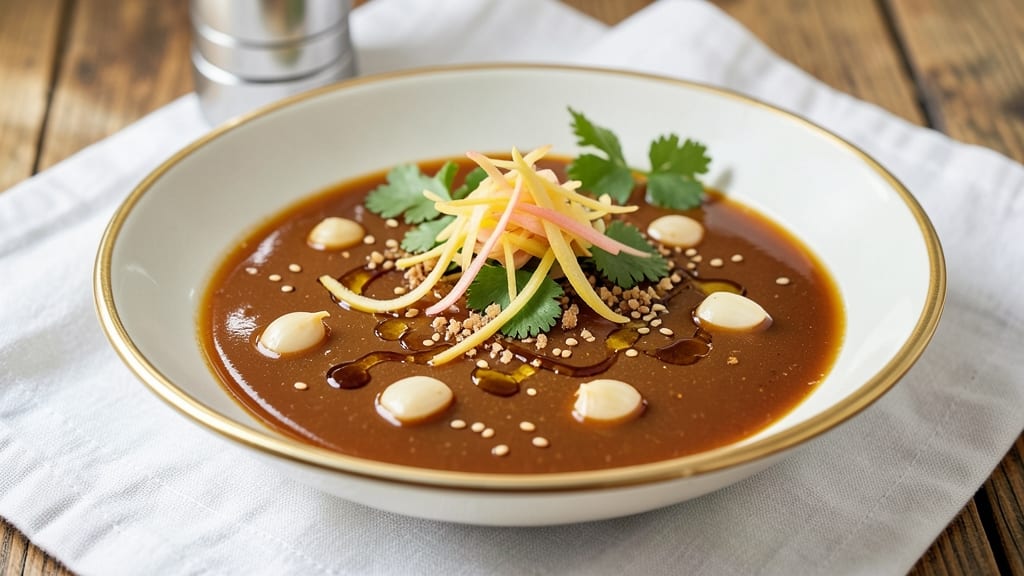
This all-purpose stir-fry sauce recipe transforms any wok dish into a restaurant-quality meal with just a few pantry staples. The secret lies in balancing soy sauce, garlic, ginger, and a touch of sweetness to create a sauce that works with proteins, vegetables, and noodles alike.
I developed this recipe after years of testing—it’s the one I reach for when I need depth of flavor without complicated techniques.
The beauty of this sauce is its versatility and simplicity. You can adjust the sweetness, spice, or thickness to match your dish, and it keeps well in the fridge for up to a month.
Whether you're cooking shrimp, chicken, or stir-fried veggies, this sauce adds that umami-rich, savory punch that makes every bite unforgettable. No more last-minute trips to the store for bottled sauces—this is your go-to base.
What sets this recipe apart is how it elevates even the simplest ingredients. The garlic and ginger infuse the sauce with aromatic warmth, while the soy sauce provides that essential salty depth.
A splash of rice vinegar brightens the flavor, and a hint of honey or brown sugar balances the acidity. The result? A sauce that’s bold, balanced, and impossible to resist.
Best of all, it takes just 15 minutes to make and requires no special equipment. Store it in an airtight container, and you’ll always have a flavorful sauce ready to transform your next meal. Let’s get started—your wok dishes are about to get an upgrade.
Ingredients for all purpose stir fry sauce
Nine pantry staples create restaurant-quality stir-fry sauce in minutes—no fancy tools needed.
| Ingredient | Amount | Notes |
|---|---|---|
| Low-Sodium Soy Sauce 🍶 | ½ cup | Kikkoman preferred for balance |
| Rice Vinegar 🍶 | ¼ cup | White or seasoned variety |
| Sesame Oil 🫒 | 1 tbsp | Toasted for nutty aroma |
| Garlic Cloves 🧄 | 4 cloves | Minced for aromatic depth |
| Fresh Ginger 🌿 | 1 tbsp | Grated, not powdered |
| Brown Sugar 🍯 | 2 tbsp | Packed for sweetness |
| Honey 🍯 | 1 tbsp | Wildflower for floral notes |
| Cornstarch 🌾 | 1 tsp | For thickening consistency |
| Red Pepper Flakes 🌶️ | ½ tsp | Adjust for heat preference |
| Sea Salt 🧂 | ½ tsp | Diamond Crystal preferred |
The soy sauce is the foundation, so don’t skimp. Kikkoman is my go-to for its clean, balanced flavor—avoid the high-sodium versions. For ginger, fresh is non-negotiable—powdered lacks the zesty kick. Garlic should be peeled and minced just before cooking to preserve its aroma. Brown sugar adds depth, but if you prefer a more refined sweetness, honey or maple syrup work beautifully. I always grab sesame oil from Trader Joe’s—it’s toasted and has that perfect nutty aroma without bitterness.
No rice vinegar? Apple cider vinegar or white wine vinegar will work in a pinch, though the flavor profile shifts slightly. Running low on honey? Agave nectar or maple syrup keep the sauce vegan-friendly. The cornstarch is key for that silky texture—arrowroot powder is a 1:1 substitute. For heat, Sichuan peppercorns or gochujang add complexity if you want to experiment. And if you’re making this ahead, store the dry ingredients (cornstarch, sugar, salt) separately until ready to use—prevents clumping.
This sauce keeps for up to 1 month in the fridge, but the flavor actually improves over time as the ingredients meld. For longer storage, freeze in ice cube trays—perfect for single-use portions. If it thickens too much, just whisk in a splash of water. And pro tip: add a splash of the sauce back to your wok after stir-frying for extra flavor—it’s like a secret weapon for restaurant-quality results.
Why You'll Love This Recipe
- Pantry Magic: This sauce lives in my fridge all the time—just soy sauce, vinegar, and a splash of sesame oil. No fancy shopping required, and I never run out because it doubles as a marinade, dipping sauce, or quick glaze.
- Umami Bomb: That first hit of garlic and ginger sizzling in the pan? Pure flavor payoff. The low-sodium soy adds depth without overpowering, and the vinegar keeps it bright—like a little Asian-inspired hug in every bite.
- Weeknight Swiss Army: It turns sad takeout leftovers into something special. Drizzle it over cold noodles, toss it with scrambled eggs, or use it to revive last night’s roasted veggies. My lazy nights thank me daily.
- Budget Game-Changer: A single batch costs pennies but stretches for ages. I keep a jar in the fridge and freeze extras in ice cube trays—perfect for when I’m too tired to measure. No waste, all flavor.
Step-by-step instructions for all-purpose stir-fry sauce
This umami-rich sauce builds layer by layer—each ingredient plays a crucial role in balancing flavor and texture.
Bloom the Aromatics in Sesame Oil
Heat a small saucepan over medium-low heat and add the 1 tablespoon sesame oil. Let it warm for 30 seconds until fragrant—you'll smell that toasty, nutty aroma we're after. Add the 4 minced garlic cloves and 1 tablespoon grated fresh ginger immediately after the oil warms.
Cook for 1-2 minutes until the garlic turns golden and the ginger loses its raw bite. Watch carefully—garlic burns faster than you think. If it starts to darken too quickly, reduce heat to low. These aromatics form the flavor foundation, so don't rush this step. The oil should coat the aromatics like a thin, glossy film.
Combine Wet Ingredients and Simmer
Pour in the 0.5 cup low-sodium soy sauce and 0.25 cup rice vinegar, stirring constantly to deglaze the pan. Add the 2 tablespoons packed brown sugar and 1 tablespoon honey, then bring to a gentle simmer over medium heat. Let it bubble for 3-4 minutes until slightly reduced by about 20%.
Here's where the magic happens—the sugar and honey caramelize slightly, deepening the sauce's complexity. You'll notice it thickens just a bit and develops a glossy sheen. Taste at this point—you should detect sweet, tangy, and salty notes all working together. If it tastes too sweet, add a pinch more sea salt; if too sharp, a tiny splash of honey.
Thicken and Season to Perfection
In a small bowl, whisk together the 1 teaspoon cornstarch with 2 tablespoons cold water until smooth. Slowly pour this mixture into the simmering sauce while stirring constantly. The sauce will thicken immediately—keep stirring for 1-2 minutes until it reaches a glossy, spoon-coating consistency.
Remove from heat and stir in the 0.5 teaspoon red pepper flakes and remaining 0.5 teaspoon sea salt. Let it sit off heat for 5 minutes—this resting period allows all the flavors to meld completely. The sauce should now be perfectly balanced: salty from the soy and salt, sweet from the sugar and honey, tangy from the vinegar, with a subtle heat from the red pepper flakes.
Adjust and Store for Maximum Freshness
Taste again and make final adjustments—this is your quality control moment. For more depth, add another ½ teaspoon soy sauce; for extra brightness, a splash of vinegar. The sauce should coat the back of a spoon with a velvety texture but still be pourable. If it's too thick, whisk in 1 teaspoon hot water to loosen.
Transfer to a clean jar and let cool completely before sealing. This sauce keeps in the refrigerator for up to 2 weeks—its flavor actually improves as it sits, developing even more complexity. For best results, use within 1 week when possible. The first time you use it on stir-fried vegetables or proteins, you'll understand why this becomes your go-to pantry staple.
Pro Tips For Making All Purpose Stir Fry Sauce
- Cook Garlic Low and Slow: I learned this the hard way—tossing raw garlic cloves into a hot pan burns them in seconds, leaving bitter, acrid flavor. Instead, smash them first (peel, then hit with the side of your knife), then sauté on medium-low for 2-3 minutes until golden but not crispy. That’s when they actually taste like garlic, not medicine.
- Toast Sesame Oil Last: Sesame oil’s nutty magic disappears if you add it too early. Save it for the very end—just drizzle it in after everything’s off heat, then toss. The heat will release its aroma without turning it rancid. (Yes, even if you’re impatient like me.)
- Grate Ginger, Don’t Mince: Thinly grated ginger blends smoother and infuses faster than chopped chunks. Use the large holes of a box grater—no need to go fine, just even. Skip the food processor unless you want a paste that takes forever to dissolve.
- Balance Vinegar Gradually: Rice vinegar’s tang can overpower if you dump it all in at once. Start with half the recipe’s amount, taste, then add the rest. You’re aiming for bright, not sour—especially if your soy sauce is low-sodium (which means it’s milder). Adjust to taste, but don’t skip this step.
Creative variations of this recipe
Asian-Inspired Fusion Twist
Swap the brown sugar for 1 tbsp maple syrup and add 1 tsp fish sauce (like Red Boat) for a Thai-inspired kick. Use lime juice instead of rice vinegar and finish with ½ tsp toasted shallots for depth.
This version works perfectly with grilled shrimp or rice noodles. The fish sauce adds umami that rivals traditional soy sauce. 🌶️
Sweet & Smoky BBQ Style
Replace the red pepper flakes with ½ tsp smoked paprika and add 1 tbsp molasses for a BBQ-inspired twist. Use apple cider vinegar instead of rice vinegar and finish with a pinch of ground cumin.
This sauce pairs beautifully with pulled pork stir-fries or grilled chicken. The molasses adds caramelized sweetness that’s irresistible. 🔥
Spicy Peanut Sauce
Add 2 tbsp smooth peanut butter and 1 tsp sriracha to the base recipe. Use apple cider vinegar for tang and finish with 1 tsp toasted sesame seeds. This sauce is perfect for tofu stir-fries or crispy chicken.
The peanut butter adds richness, while the sriracha brings heat. Store in an airtight container—it thickens as it cools. ✨
Creamy Garlic-Ginger
Replace the cornstarch with 1 tbsp arrowroot powder and stir in 2 tbsp coconut cream at the end. Add 1 tsp grated lemon zest for brightness. This velvety sauce works wonderfully with steamed dumplings or shrimp. The coconut cream adds a luxurious texture without overpowering the garlic-ginger base. 💫
Umami Bomb with Miso
Reduce the soy sauce to ¼ cup and add 1 tbsp white miso paste (like Miso Master) for an extra layer of depth. Use mirin instead of honey for sweetness.
This version is ideal for mushroom stir-fries or seared scallops. The miso adds a fermented richness that elevates every bite. 🍶
Herb-Infused Mediterranean
Replace the sesame oil with 1 tbsp extra-virgin olive oil and add 1 tsp dried oregano and ½ tsp lemon thyme. Use white wine vinegar instead of rice vinegar.
This sauce pairs beautifully with grilled lamb chops or roasted eggplant. The herbs add a fresh, aromatic twist to the classic stir-fry profile. 🌿
Nutrition facts
Frequently asked questions
Can I make this sauce without cornstarch?
Yes, but the texture will be thinner. For a naturally thickened version, use 1 tablespoon arrowroot powder instead—it blends seamlessly and creates a glossy finish. If you prefer no thickener, the sauce will still taste amazing but may be more watery. Just reduce it longer over medium heat to concentrate the flavors.
How much sauce should I use for a typical stir-fry?
Start with 2-3 tablespoons for a standard 12-ounce protein portion (like chicken or tofu). For vegetables or noodles, use 1-2 tablespoons—you can always add more later. The sauce is concentrated, so a little goes a long way. Taste as you go and adjust to your preference.
Can I use this sauce for marinating instead of stir-frying?
This sauce makes an excellent marinade for 2-4 hours (never longer than 6 hours for safety). For extra tenderness, add 1 tablespoon olive oil to the marinade. It works beautifully with chicken, shrimp, or beef—just pat dry before cooking for better browning. The flavors will penetrate deeply.
Why does my sauce taste too salty?
High-sodium soy sauce is the most likely culprit. Always use low-sodium soy sauce and taste as you go. If it’s already too salty, balance it with 1 teaspoon honey or ½ teaspoon sugar to mellow the saltiness. For a quick fix, add 1 tablespoon water or broth to dilute slightly. Prevention tip: Use ½ cup soy sauce for milder flavor.
Can I make this sauce spicier?
Add ½ teaspoon extra red pepper flakes or swap them for 1 teaspoon chili garlic sauce for deeper heat. For smoky spice, add ½ teaspoon smoked paprika. If you love Thai flavors, stir in ½ teaspoon sambal oelek at the end. Always taste first—you can adjust, but you can’t take out the heat!