
Sauces & Condiments
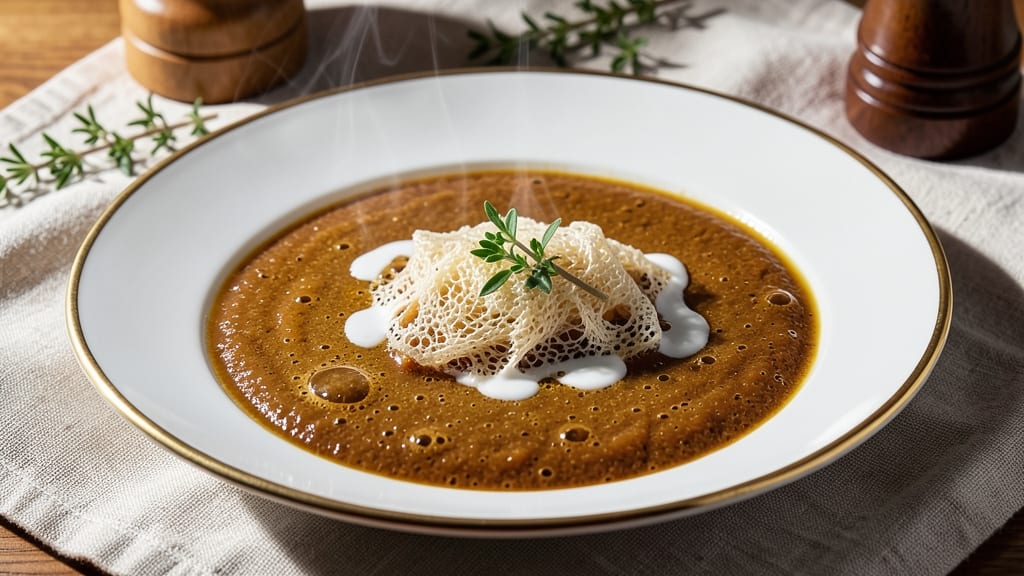
This all-purpose sauce recipe transforms ordinary meals into restaurant-quality dishes with just a few pantry staples. The secret lies in a simple yet powerful blend of butter, flour, and stock that creates a velvety base adaptable to any protein, grain, or vegetable.
I developed this recipe after years of testing pan sauces, gravies, and reductions—simplifying them into one foolproof foundation.
The magic happens when you cook butter and flour together to form a roux, then gradually whisk in warm stock. This method ensures a smooth, lump-free sauce that thickens perfectly without breaking.
The beauty of this recipe is its versatility—use it as a pan sauce for steak, a gravy for mashed potatoes, or even a drizzle for roasted vegetables. It’s the kind of sauce that makes every dish feel special without requiring advanced techniques.
What you’ll end up with is a rich, flavorful sauce that’s ready in just 15 minutes, using ingredients you likely already have on hand. The roux builds depth, while the stock adds body and adaptability.
Whether you’re cooking for a weeknight dinner or a holiday feast, this sauce delivers professional results every time. The best part? It keeps well in the refrigerator for up to 5 days, so you can make a big batch and use it all week.
For added flexibility, you can easily customize the sauce to fit dietary preferences—swap butter for olive oil for a lighter version, or use vegetable stock for a vegetarian base. The possibilities are endless, making this the ultimate kitchen staple. Let’s get started!
Ingredients for all purpose sauce
Pantry staples that turn into a velvety sauce for any dish—no fancy ingredients needed.
| Ingredient | Amount | Notes |
|---|---|---|
| Unsalted Butter 🧈 | ½ cup | Cold, cubed for even cooking |
| All-Purpose Flour 🌾 | ½ cup | White or whole wheat preferred |
| Chicken Stock 💧 | 2 cups | Homemade or quality store-bought |
| Heavy Cream 🥛 | ½ cup | Full-fat for richness (optional) |
| White Wine 🍷 | ¼ cup | Dry, like Chardonnay or Sauvignon Blanc |
| Salt 🧂 | 1 tsp | Kosher or sea salt preferred |
| Black Pepper 🌶️ | ½ tsp | Freshly ground for best flavor |
| Fresh Parsley 🌿 | ¼ cup | Chopped, for garnish (optional) |
| Garlic Cloves 🧄 | 2 cloves | Minced for depth of flavor |
| Lemon Juice 🍋 | 1 tbsp | Freshly squeezed for brightness |
The butter and flour are your foundation here. Use European-style butter (like Plugrá) if you can—it has more fat content and gives a richer roux. For flour, King Arthur or Bob's Red Mill are my go-tos, but any all-purpose will work. The stock is where flavor lives, so don't skimp. Pacific Foods or Swanson are solid store-bought options, but homemade always tastes better. If you're making a vegetarian version, swap chicken stock for vegetable stock. The garlic and lemon juice are non-negotiable—they add layers of flavor that make this sauce shine.
No wine? Extra chicken stock or a splash of vinegar works in a pinch. Short on butter? Olive oil or vegan butter keeps it vegan-friendly. The heavy cream is optional but adds that restaurant-quality richness—skip it if you're watching calories. For the flour, if you don't have all-purpose, bread flour works too (it's higher protein, so it thickens faster). The parsley is just for garnish, but if you're out, dried parsley at one-third the amount will do. Always taste as you go—this sauce is all about balance.
This sauce keeps beautifully. Pour it into a jar and cover it with a thin layer of olive oil to preserve freshness—it'll last 5 days in the fridge. For longer storage, freeze in ice cube trays for up to 3 months. The roux step is key—don't rush it. Cook it low and slow to avoid burning, or you'll end up with a bitter sauce. Make a double batch. Trust me, you'll want it on everything.
Why You'll Love This Recipe
- Foolproof Foundation: I swear by this sauce because it’s the one I always reach for when I forget what I’m making—literally. Melt butter, toss in flour, deglaze with wine, and let the stock and cream do the work. No measuring cups, no stress, just a smooth, velvety base that never fails.
- Rich Without Effort: That first sip of white wine hitting the pan? Pure magic. The butter and flour create this golden roux that’s rich but not heavy, while the cream adds silkiness. Honestly, it tastes like you slaved over it—even though you didn’t.
- Weeknight Swiss Army: I use this over chicken, pasta, or even mashed potatoes. Need a quick dinner? Toss it with roasted veggies. Hosting? Drizzle it on steak or seafood. It’s my go-to for when I’m too tired to think but still want something chef’s kiss.
- Pantry Goldmine: Between us, this sauce is my secret weapon for leftovers. Make a double batch, freeze half, and thank me later. The wine cuts the richness, so it’s not greasy cold, and the flour keeps it thick enough to coat everything. Budget-friendly? Absolutely. Life-saving? Even more.
Step-by-step instructions for all-purpose sauce
This sauce comes together in minutes and adapts to any dish—let's make it.
Create a Rich Roux Base
In a medium saucepan over medium heat, melt the 0.5 cup unsalted butter completely, stirring occasionally until it foams and turns golden. This is your flavor foundation, so don't rush it.
Once the butter is fully melted, reduce the heat to medium-low and gradually whisk in the 0.5 cup all-purpose flour. You want to create a smooth, lump-free roux that will form the thick base of your sauce. Cook this mixture for 2-3 minutes, stirring constantly, until it turns a light golden brown color—this removes the raw flour taste and adds depth.
Here's the thing—if the roux gets too dark, it'll taste bitter. I like to watch it closely and remove it from heat just as it starts to turn golden. This step is what transforms simple ingredients into something truly special.
Deglaze with Wine and Stock
Immediately pour in the 0.25 cup white wine and scrape the bottom of the pan vigorously with a wooden spoon. You're capturing all those delicious browned bits that contain so much flavor. Let the wine simmer for 1-2 minutes until it's mostly evaporated.
Next, slowly whisk in the 2 cups chicken stock while continuing to stir. The sauce will look thin and watery at first, but that's okay—it's about to come together. Increase the heat to medium-high and bring the mixture to a gentle boil. Then reduce the heat to medium-low and let it simmer uncovered for 8-10 minutes, stirring occasionally.
You'll notice the sauce gradually thickening as the starch from the roux activates. This is where patience pays off—don't walk away. The sauce should reduce enough to coat the back of a spoon but still be smooth and pourable.
Build Flavor with Aromatics
While the sauce simmers, add the 2 minced garlic cloves and cook for 30 seconds until fragrant. Garlic burns quickly, so don't let it brown. Then stir in the 1 tsp salt and 0.5 tsp black pepper, making sure they dissolve completely.
After 5 minutes of simmering, it's time to add the 0.5 cup heavy cream. Stir well and let the sauce simmer for another 2-3 minutes. The cream will make the sauce instantly richer and silkier. If the sauce starts to curdle, reduce the heat to low and keep stirring until it smooths out.
Finally, add the 1 tbsp lemon juice and stir one last time. The acidity brightens all the flavors and balances the richness. Taste and adjust seasoning if needed—this is your chance to make it perfect for your dish.
Finish and Garnish
Remove the sauce from heat and let it sit for 2 minutes to thicken slightly. Then stir in the 0.25 cup chopped fresh parsley—this adds freshness and a pop of color. The parsley is optional, but I always use it because it makes the sauce look as good as it tastes.
For the best results, use your sauce immediately while it's hot. It'll thicken more as it cools, so if you need to reheat it later, just add a splash of water or stock and warm through gently on the stove.
This versatile sauce works with everything—pasta, meats, vegetables, or even as a dip. The beauty is in its simplicity and adaptability. Store any leftovers in an airtight container in the refrigerator for up to 5 days, or freeze for 3 months.
Pro Tips For Making All Purpose Sauce
- WHISK LIKE A MANIAC: Start your butter-flour roux on medium-high heat—not simmering, not lazy. I learned this the hard way when my sauce turned into a sad, greasy paste because I played it too cool. The moment the flour stops looking like gray dust and starts smelling like toasted nuts, lower the heat immediately—this keeps your sauce from cooking itself into oblivion before the other ingredients even hit the pot.
- SIFT THE FLOUR FIRST: Yes, even if you’re in a hurry. Dumping flour straight from the bag into butter creates lumps that won’t dissolve, no matter how much you whisk. Give it a quick sift into a measuring cup or small bowl before adding it to the butter—smooth incorporation = no future straining. (And if you’re using a boxed mix, skip this. But honestly, why are you using a boxed mix?)
- DEGLAZE WITH WINE, THEN WAIT: Pour that white wine into the pan right after removing it from the heat—the residual heat helps it sizzle and lift those browned bits. Then, let it bubble for 30 seconds before adding stock. Rushing this step means you’ll end up with a sauce that tastes like it’s missing something. (Your future self will notice.)
- SALT THE STOCK: Unless your chicken stock is already briny, add a pinch of salt to the pot before it even hits the heat. Heavy cream and butter are rich enough to carry the flavor, but unsalted stock will make your sauce taste bland no matter how much you season at the end. Trust me, I’ve eaten enough underseasoned sauces to know—fix it early.
Pro cooking tips for this recipe
Roux Perfection
Your roux is the secret weapon here—cook it to a light golden brown (about 2-3 minutes on medium-low heat) to avoid bitterness. I use a heatproof wooden spoon for stirring because metal can scorch the roux faster.
If you're nervous about burning it, reduce the heat to low and keep stirring constantly. The moment it smells nutty and fragrant, you're golden. 🔥
Deglazing Like a Pro
Don’t skip the wine—it’s not just for flavor, it’s for flavor extraction. Scrape those browned bits (fond) from the pan with your spoon while adding the wine. This step alone can make your sauce taste 10x richer.
If you don’t have wine, apple cider vinegar or even extra stock works in a pinch. Just remember: high heat for 30 seconds, then reduce to simmer.
Stock Simmering
Simmering the stock is where the sauce transforms. Keep it at a gentle bubble—not a rolling boil—to prevent lumps. If it gets too thick too fast, whisk in 1-2 tablespoons of cold water to loosen it up.
I like to taste it at the 5-minute mark—this helps me gauge if it needs more salt or acid. Pro tip: Slant the saucepan slightly to maximize surface area for even reduction. ✨
Creamy Finish
Adding the heavy cream last ensures it stays silky and doesn’t curdle. If your sauce starts to separate, immediately reduce the heat to low and whisk vigorously.
For a vegan version, replace the cream with cashew cream (blend ½ cup soaked cashews + ½ cup water) or coconut milk. The lemon juice at the end is non-negotiable—it brightens everything and cuts through the richness.
Thickness Control
Sauce thickens as it cools, so stop while it’s still pourable. If it’s too thick later, whisk in 1 teaspoon of stock or water at a time. For a glossy finish, I drizzle in 1 teaspoon of olive oil before serving.
If you prefer a smoother texture, strain it through a fine-mesh sieve before garnishing. The key is consistency—adjust as you go!
Storage Secrets
Let your sauce cool completely before storing to prevent condensation. I store it in glass jars with a parchment paper lid to keep it fresh longer. For freezing, portion it into ice cube trays—thaw just what you need for the perfect amount.
If reheating, warm it gently on the stove with a splash of stock to restore its silky texture. 💫
Nutrition facts
Frequently asked questions
Can I make this sauce without wine?
If you don’t have wine, use 0.25 cup apple cider vinegar or even extra chicken stock to deglaze. The key is to scrape up those flavorful browned bits from the pan—this adds depth even without alcohol. For a neutral flavor, just use 2.25 cups stock total instead of splitting it.
How do I adjust the thickness for different dishes?
This sauce thickens as it cools, so stop when it's still pourable. For pasta or soups, keep it slightly thinner by adding 1-2 tablespoons of stock at the end. For meat glazes, reduce it longer until it coats the back of a spoon. If too thick later, whisk in 1 teaspoon of stock or water to loosen.
Can I make this sauce dairy-free?
Yes! Replace the 0.5 cup butter with 0.5 cup olive oil and the 0.5 cup heavy cream with ½ cup coconut milk or cashew cream (blend ½ cup soaked cashews + ½ cup water). The roux will still form, and the sauce will be just as rich and velvety.
What’s the best way to reheat leftover sauce?
Gently warm leftovers on the stove over low heat while stirring constantly. If the sauce thickens too much, whisk in 1-2 tablespoons of stock or water to restore its consistency. Never microwave—it can make the sauce grainy. For best results, reheat only what you need and keep the rest refrigerated.
Why did my sauce turn out grainy?
Graininess usually happens from too-high heat or adding cold ingredients too fast. Always whisk constantly when simmering, and let the stock warm slightly before adding it to the roux. If it’s already grainy, strain it through a fine-mesh sieve for a silky texture. For next time, reduce heat to medium-low when adding stock.