
Sauces & Condiments
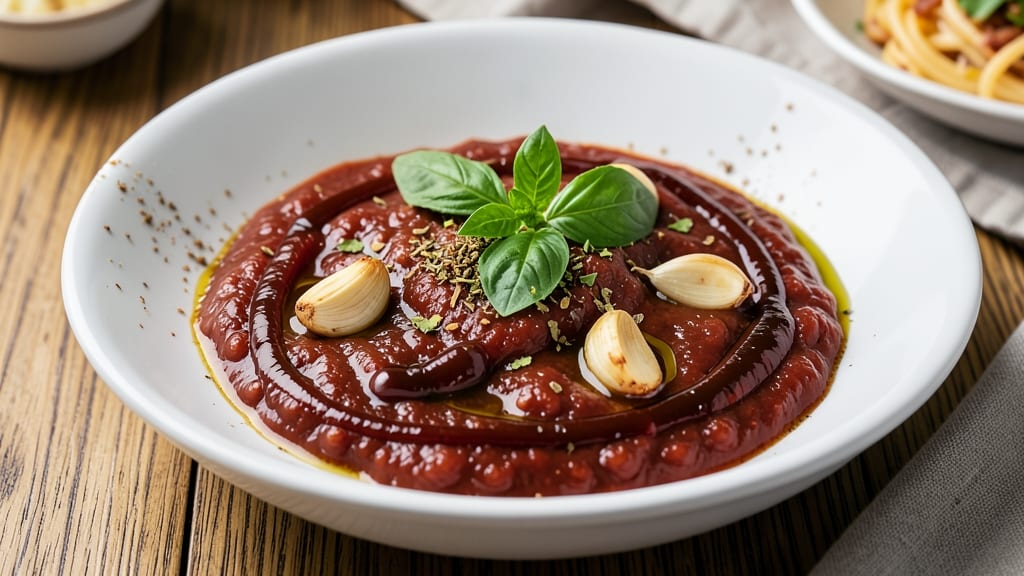
Your leftover spaghetti sauce doesn’t have to become yesterday’s trash—it can become tomorrow’s flavor foundation. This freezer-friendly technique transforms leftover sauce into a versatile, flavor-packed base for soups, dips, or baked dishes while preserving its rich, complex taste.
The secret lies in proper storage methods that lock in flavor and texture, ensuring every spoonful still tastes like fresh-cooked Italian goodness.
What sets this method apart is the two-step preservation process: first reducing the sauce slightly to concentrate flavors, then freezing it in portion-controlled containers.
This approach prevents freezer burn and makes it easy to grab just the right amount for future meals—whether you're making a quick weeknight soup or a hearty baked pasta dish. The result? A sauce that maintains its depth and richness even after months in the freezer.
By using this technique, you’ll eliminate food waste while creating a flavor booster that elevates any dish. The reduced sauce thickens slightly, intensifying its umami notes, and the freezing process preserves those flavors without compromising texture.
Whether you're repurposing a half-empty jar or saving an entire batch, this method ensures your leftover spaghetti sauce remains a kitchen staple.
Perfect for meal preppers, busy cooks, or anyone who wants to maximize their ingredients, this sauce can be used in everything from creamy soups to stuffed peppers or even as a marinade.
The possibilities are endless, and the process couldn’t be simpler. Let’s get started on turning leftovers into something even better.
Ingredients for leftover spaghetti sauce
Transform last night’s spaghetti sauce into a versatile, freezer-friendly flavor foundation.
| Ingredient | Amount | Notes |
|---|---|---|
| Leftover Spaghetti Sauce 🍅 | 4 cups | Homemade or store-bought, preferably reduced slightly |
| Extra-Virgin Olive Oil 🫒 | ¼ cup | High-quality, fruity variety preferred |
| Garlic Cloves 🧄 | 4 cloves | Freshly minced for optimal flavor |
| Fresh Basil Leaves 🌿 | ¼ cup | Packed, stems removed for freshness |
| Tomato Paste 🍅 | 2 tbsp | Canned, unsweetened for concentrated flavor |
| Dried Oregano 🌿 | 1 tsp | Italian or Mediterranean blend preferred |
| Red Wine 🍷 | ¼ cup | Dry, bold variety like Cabernet Sauvignon |
| Kosher Salt 🧂 | ½ tsp | Diamond Crystal preferred for balanced flavor |
| Black Pepper 🌶️ | ¼ tsp | Freshly cracked for enhanced aroma |
| Balsamic Vinegar 🍶 | 1 tbsp | Aged, for depth of flavor |
The quality of your leftover spaghetti sauce is the backbone of this recipe. Homemade sauces with visible meat chunks or fresh herbs work best, but even jarred sauces can be elevated with the right technique. If your sauce is watery, reduce it first by simmering uncovered until thickened—this concentrates flavors and prevents ice crystals during freezing. For maximum umami depth, opt for sauces with visible meat, mushrooms, or caramelized onions. If you're using store-bought, choose brands with minimal additives; Rao's or Barilla are reliable choices for their rich, balanced profiles. The garlic and basil should be freshly minced and packed—never dried substitutes, as they lack the aromatic complexity needed for this technique.
No red wine on hand? Substitute with an equal amount of dry white wine or additional tomato paste—both add acidity and depth. Short on fresh basil? Dried oregano at half the amount works in a pinch, though the flavor profile will differ slightly. The tomato paste is non-negotiable for texture—it thickens the sauce post-freezing and prevents a watery consistency. For a vegetarian version, ensure your leftover sauce contains no meat, and consider adding 1 tbsp nutritional yeast for a cheesy umami boost. If your sauce lacks acidity, a splash of lemon juice or apple cider vinegar can brighten the flavors before freezing.
This sauce is designed for long-term storage, so proper preparation is key. Portion into airtight, freezer-safe containers—glass jars or silicone molds work best—to prevent freezer burn. Leave a 1-inch headspace to allow for expansion. Label with the date and intended use (e.g., 'soup base' or 'baked pasta'). For best results, freeze within 48 hours of preparation. Thaw overnight in the fridge before using, or reheat directly from frozen in a saucepan over medium heat, stirring occasionally. Once thawed, the sauce will keep in the fridge for 5-7 days—though it's best used immediately to maintain peak texture.
Why You'll Love This Recipe
- I’ll be real: my grocery budget isn’t huge, but this recipe stretches every jar of sauce I buy. A little oil, a few cloves of garlic, and fresh basil (or dried in a pinch) turn cheap ingredients into something that tastes like you spent hours. Zero guilt, all flavor.
- No-Waste Magic: I swear by this trick—no sad, dried-out sauce here. Just scoop up what’s left, toss it in a pan with a glug of olive oil, and let the garlic sizzle. That’s it. The tomato paste thickens it up, and suddenly, your "leftovers" taste like you slaved over them.
- Garlic-Basil Bomb: Between us, this combo is ridiculously good. The garlic browns into crispy bits while the basil wilts just enough to release its perfume. Honestly, I’ve made this with store-bought sauce, and it still tastes like a restaurant dish—no lie.
- Weeknight Superhero: This is my go-to when I’m starving but don’t want to cook. Throw it on toast, dump it over pasta, or even stuff it into a crusty bread bowl. It’s the kind of meal that takes 10 minutes but feels like a hug in food form.
Step-by-step instructions for transforming leftover spaghetti sauce
Turn ordinary leftovers into extraordinary flavor with this professional technique.
Bloom the Tomato Paste for Deep Flavor
Heat the 0.25 cup extra-virgin olive oil in a medium saucepan over medium-low heat. Add the 2 tablespoons tomato paste and stir continuously for 3-4 minutes until it develops a rich, caramelized aroma. This step creates a flavor base that will anchor your sauce transformation.
Watch for the paste to darken slightly and smell intensely sweet—this indicates proper blooming. If you notice any browning spots, stir more vigorously to prevent burning. The tomato paste will release its concentrated flavor and form a glossy, thick layer at the bottom of the pan.
Incorporate Aromatics and Wine
Add the 4 minced garlic cloves and cook for 30 seconds until fragrant but not browned. Immediately pour in the 0.25 cup red wine and stir, scraping up any browned bits from the bottom of the pan. This deglazing step captures all the flavor compounds released during cooking.
Let the wine simmer for 2-3 minutes until reduced by half. You'll notice the alcohol aroma dissipating and the liquid becoming more concentrated. This reduction process intensifies the wine's flavor and removes any harsh alcohol notes that might overpower your sauce.
Combine and Simmer the Sauce Mixture
Gradually add the 4 cups leftover spaghetti sauce to the pan, stirring constantly to distribute the tomato paste mixture evenly. Bring to a gentle simmer over medium heat and cook for 10-12 minutes, stirring occasionally. This simmering time allows all the flavors to meld together.
Add the 0.5 teaspoon kosher salt, 0.25 teaspoon black pepper, and 1 teaspoon dried oregano, stirring well to incorporate. Taste the sauce and adjust seasoning if needed—this is your chance to perfect the balance before adding the fresh ingredients.
Finish with Fresh Herbs and Vinegar
Remove the pan from heat and stir in the 0.25 cup fresh basil leaves and 1 tablespoon balsamic vinegar. Let the mixture sit off the heat for 5 minutes to allow the basil to infuse its bright, fresh flavor. The vinegar will add a subtle tang that brightens the entire sauce.
Stir one final time before serving. The sauce should now have a rich, complex flavor with layers of tomato, wine, and fresh herbs. The texture should be smooth with a velvety consistency that clings beautifully to pasta or meat. This transformation takes what might have been ordinary leftovers and turns them into a restaurant-quality sauce.
Serve or Store for Future Use
Serve immediately over your choice of pasta, or let it cool completely before storing. For best results, transfer to airtight containers and refrigerate for up to 5 days. For longer storage, freeze for up to 3 months—this sauce actually improves with time as the flavors continue to develop.
When reheating, do so gently over low heat to prevent skin formation. Stir occasionally and add a splash of water or broth if the sauce becomes too thick. The result is a versatile sauce that can elevate simple meals or serve as a base for more elaborate dishes.
Pro Tips For Making Leftover Spaghetti Sauce
- SAUTÉ GARLIC LOW: Heat your olive oil over medium-low heat—garlic burns faster than you think, and you’ll end up with bitter smoke instead of fragrant aroma. Let those cloves sizzle gently for 30 seconds before adding anything else; they’ll release their sweetness without turning to ash.
- STIR IN TOMATO PASTE: Use a wooden spoon and break up the tomato paste into tiny bits before stirring—this prevents clumping and ensures it dissolves smoothly into the sauce. A splash of water or a pinch of sugar (if your sauce is acidic) helps it blend faster without sticking.
- SALT THE SAUCE LAST: Hold off on adding extra salt until the very end—leftover spaghetti sauce already has residual sodium, and you might overdo it. Taste as you go, but wait until after the basil is in; its freshness balances the salt better.
- PULSE BASIL IN OIL: Chop the basil roughly (no need for perfection) and toss half of it into the hot olive oil for 10 seconds before adding to the sauce—this infuses the oil with flavor faster than just tossing it in. Reserve the rest for garnish; you’ll want some bright green on top.
Flavor customization for these flavors
Sweet & Tangy Twist
Add 1 tablespoon honey and 1 teaspoon balsamic glaze to your reduced sauce for a sweet-tangy balance that works beautifully with chicken or pork dishes. Simmer for 2 minutes to blend flavors, then finish with ½ teaspoon red pepper flakes for a subtle kick.
This variation is perfect for glazing grilled meats or drizzling over polenta. 🌟
Creamy Garlic Parmesan
Blend ½ cup heavy cream and ¼ cup grated Parmesan cheese into your warmed sauce for a velvety texture. Stir in 1 teaspoon minced garlic and ½ teaspoon nutmeg for warmth.
This rich version pairs perfectly with creamy pasta like fettuccine or as a dip for crusty bread. For extra decadence, add 1 tablespoon butter at the end. ✨
Spicy Arrabbiata Style
Boost heat by adding 1 tablespoon Calabrian chili paste or 2 teaspoons crushed red pepper flakes to your sauce. Deglaze with ¼ cup white wine instead of red, then finish with 1 teaspoon fresh rosemary for a bright, fiery twist.
This version is ideal for tossing with spaghetti or stuffing into peppers. 🌶️
Umami Mushroom Boost
Sauté ½ cup finely chopped cremini mushrooms in olive oil until golden, then stir into your sauce along with 1 teaspoon soy sauce and ½ teaspoon smoked paprika. The mushrooms add deep, earthy umami that elevates the sauce for hearty dishes like lasagna or meatball subs.
For extra richness, stir in 1 tablespoon cream cheese at the end. 💫
Herb-Infused Olive Oil Finish
Create a vibrant topping by blending ¼ cup extra-virgin olive oil with 2 tablespoons chopped fresh basil, 1 tablespoon chopped parsley, and 1 clove minced garlic.
Drizzle over your finished sauce just before serving for a fresh, aromatic finish. This technique works wonders for bruschetta-style dishes or as a garnish for soups. 🌿
Cheesy Stuffed Shells
Thicken your sauce with ½ cup ricotta cheese and ¼ cup shredded mozzarella, then fold in 1 tablespoon chopped sun-dried tomatoes for a Mediterranean-inspired filling.
Use this mixture to stuff jumbo pasta shells and bake until golden. The ricotta adds creaminess while the sun-dried tomatoes bring a salty-sweet contrast. 🧀
Nutrition facts
Frequently asked questions
Can I use this method with store-bought spaghetti sauce?
Yes! This technique works beautifully with store-bought sauce, though homemade versions with visible meat or herbs yield richer results. For best flavor, choose brands with minimal additives like Rao's or Barilla. If your sauce is watery, reduce it first by simmering uncovered until thickened—this concentrates the flavors before freezing.
How long can I store this transformed sauce in the freezer?
Properly stored in airtight, freezer-safe containers, this sauce maintains quality for up to 3 months. The key is using containers with minimal airspace and pressing out excess air before sealing. For best texture, thaw overnight in the fridge before reheating gently over low heat. Never refreeze once thawed.
What are the best containers for freezing?
Glass jars with tight-sealing lids or silicone molds work best for freezing. For portion control, use 1-cup or ½-cup containers—perfect for single servings. Leave 1-inch headspace to prevent cracking, and label with the date and intended use. Mason jars are ideal for soups, while small silicone cubes work well for dips or baked dishes.
Can I add meat or other ingredients to this sauce?
For a heartier version, brown ½ pound ground beef or Italian sausage first, then proceed with the recipe. You can also stir in cooked diced tomatoes, mushrooms, or white beans during the simmering step. Just adjust seasoning after adding these ingredients, as they may alter the sauce's balance.
Why does my sauce get watery after thawing?
This happens when ice crystals form during freezing, which release moisture when thawed. To prevent it, reduce your sauce slightly before freezing—simmer uncovered for 5-10 minutes until slightly thickened. For thawed sauce, reheat gently over low heat, stirring frequently, and add 1-2 tablespoons of water or broth if needed. The texture will improve as it warms.