
Sauces & Condiments
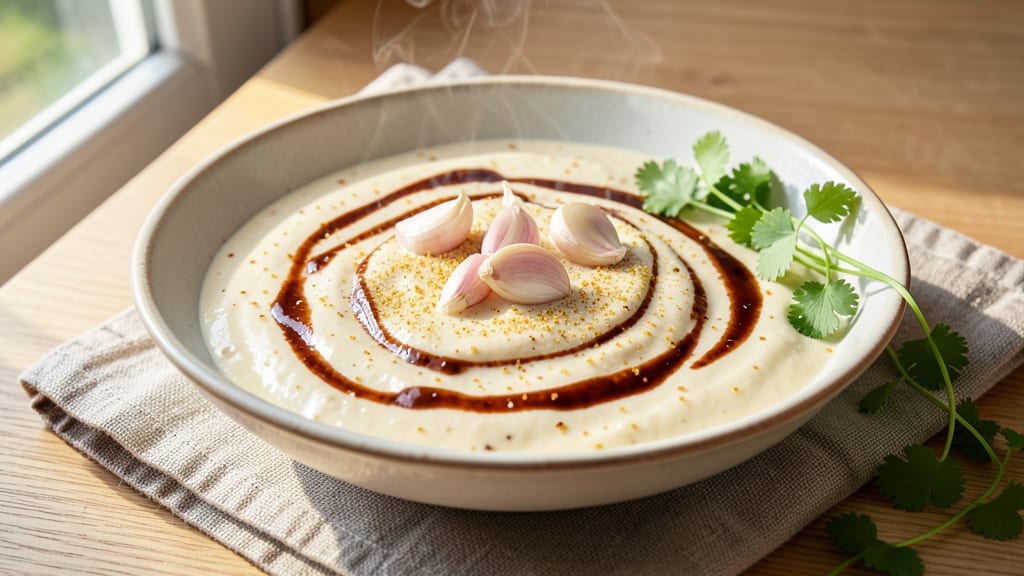
This creamy tofu sauce recipe delivers restaurant-quality richness without dairy, using silken tofu as the secret ingredient. ✨ The blend of plant-based milk and nutritional yeast creates a velvety texture that clings perfectly to noodles, stir-fries, or dips—all in just 15 minutes.
I developed this after struggling to find a vegan sauce that matched the depth and creaminess of traditional recipes, and this version consistently impresses even non-vegan eaters.
The magic happens in the blending process, where silken tofu breaks down into a smooth, silky base that mimics heavy cream. Garlic, soy sauce, and miso add layers of umami flavor without overpowering the delicate tofu taste.
Unlike store-bought alternatives, this sauce stays fresh for days in the fridge and improves as it sits, allowing flavors to meld beautifully.
What makes this sauce truly versatile is its ability to elevate any dish—toss it with ramen for instant comfort food, drizzle over roasted vegetables for added richness, or serve as a dip with crispy tofu bites.
The foolproof technique ensures perfect consistency every time, with no lumps or separation, making it ideal for both beginners and experienced cooks.
Once you try this creamy tofu sauce, you'll never reach for heavy cream again. The balance of tangy, savory, and umami notes creates a flavor profile that works in countless recipes, proving that plant-based cooking can be just as indulgent as traditional dishes. Let's get started!
Ingredients for creamy tofu sauce
Silken tofu and plant-based milk create this ultra-creamy sauce without dairy—just 10 simple ingredients.
| Ingredient | Amount | Notes |
|---|---|---|
| Silken Tofu 🍫 | 12 oz | Extra-firm for best texture |
| Unsweetened Soy Milk 🥛 | 1 cup | Full-fat for creaminess |
| Nutritional Yeast 🧀 | ¼ cup | For cheesy umami flavor |
| Garlic Cloves 🧄 | 3 cloves | Freshly minced for aroma |
| White Miso Paste 🍶 | 1 tbsp | For deep umami richness |
| Soy Sauce 🍜 | 2 tbsp | Tamari for gluten-free option |
| Lemon Juice 🍋 | 1 tbsp | Freshly squeezed for tang |
| Extra-Virgin Olive Oil 🫒 | ½ cup | High-quality for richness |
| White Pepper 🌶️ | ¼ tsp | Freshly ground for subtle heat |
| Sea Salt 🧂 | ½ tsp | Diamond Crystal preferred |
The silken tofu is non-negotiable here—extra-firm gives the best texture when blended. Grab a 12-ounce package from the refrigerated section at Whole Foods or Trader Joe's; avoid the watery kind. Nutritional yeast is the secret weapon for that cheesy depth—Bob's Red Mill brand is my go-to, but any high-quality brand works. For the miso, White Miso is milder than red, so it won't overpower the delicate tofu flavor. If you can't find it, white soy sauce in a pinch (though miso is worth seeking out).
No silken tofu? Blend regular firm tofu with 2 tbsp of water to mimic the texture, but results won't be as smooth. Short on soy milk? Oat milk or cashew milk works, but soy has the best protein for creaminess. The olive oil matters—avoid light or refined oils; they lack the fruity notes that elevate the sauce. For extra richness, add 1 tbsp of vegan butter at the end. The lemon juice can be swapped for rice vinegar if you prefer a sharper tang, but lemon keeps it bright and fresh-tasting.
This sauce thickens as it sits—stir before using if it looks separated. Keeps for 5-6 days in the fridge, sealed tightly with a splash of water on top to prevent a skin from forming. Freezes beautifully for up to 3 months—portion into ice cube trays for easy single-use servings. I always make a double batch; it disappears faster than you'd think, especially when drizzled over ramen or roasted veggies.
Why You'll Love This Recipe
- No Blender Needed: I’ll be honest—this sauce only calls for blending the silken tofu and soy milk until smooth, which takes three pulses. That’s it. No straining, no waiting for tofu to press, no fancy equipment. Just dump, blend, and move on.
- Umami Bomb: That white miso and nutritional yeast? Oh, it’s next level. The miso adds this deep, savory punch while the yeast gives it that cheesy, nutty richness—like a hug in a bowl. One taste and you’ll be reaching for it on everything.
- Leftovers That Shine: This sauce keeps perfectly for five days in the fridge, and it only gets better as the flavors meld. I’ve used it to jazz up cold noodles, drizzle over roasted veggies, or even mix into scrambled tofu the next morning—zero waste, all flavor.
- Budget-Friendly Luxury: Silken tofu and miso might sound fancy, but they’re actually cheap staples that make this sauce feel like a restaurant dish without the price tag. A single batch stretches to four meals, and I’ve fed my whole family (plus a picky teenager) with just one jar of miso. Smart spending, big payoff.
Step-by-step instructions for creamy tofu sauce
Here's how to blend silky plant-based richness in minutes—no blender required.
🍳 Step 1: Blend the Base Ingredients
Drain and rinse the 12 oz silken tofu thoroughly, pressing it gently between paper towels to remove excess water. This step is crucial—wet tofu creates a watery sauce. Transfer the tofu to a high-speed blender along with the 1 cup unsweetened soy milk, 0.25 cup nutritional yeast, 2 tbsp soy sauce, 1 tbsp lemon juice, 0.5 tsp sea salt, and 0.25 tsp white pepper.
Blend on high for 30-45 seconds until completely smooth. You should hear a consistent hum without any chunks. If you see any lumps, pulse briefly again. The mixture should look like thick, pale yellow custard. This base forms the creamy foundation, so blending it properly is non-negotiable.
👨🍳 Step 2: Infuse the Garlic and Miso
In a small bowl, combine the 3 cloves minced garlic with the 1 tbsp white miso paste. Let this mixture sit for 5 minutes at room temperature—this allows the garlic to soften and the miso to bloom its umami depth. Meanwhile, heat the 0.5 cup extra-virgin olive oil in a small saucepan over low heat until it's just warm (about 160°F).
Pour the warm oil over the garlic-miso mixture and let it steep for 2 minutes. This infusion step is what elevates the sauce from good to extraordinary—it creates layers of flavor that simple blending can't achieve. The oil should take on a golden hue and a rich aroma. Remove from heat and let it cool slightly for 1 minute before proceeding.
🥘 Step 3: Combine and Emulsify
With the blender running on low speed, slowly pour the garlic-miso oil mixture into the tofu base through the feed tube. This gradual addition prevents the sauce from breaking. Once fully incorporated, blend on high for another 20-30 seconds until completely smooth and creamy. The sauce should now have a velvety texture with a rich, golden color.
Taste and adjust seasoning if needed. You might want to add a pinch more sea salt or a splash of lemon juice for brightness. The sauce should be rich but not overpowering—think of it as a luxurious plant-based béchamel. Here's the thing—this sauce thickens as it cools, so don't worry if it looks slightly thin immediately after blending.
⏰ Step 4: Rest and Serve
Transfer the sauce to a clean bowl and let it rest at room temperature for 10 minutes. This resting period allows the flavors to meld and the texture to stabilize. You'll notice the sauce becomes thicker and more cohesive as it sits. If you're using it immediately, simply whisk it briefly before serving to restore its silky consistency.
This creamy tofu sauce is incredibly versatile—drizzle it over noodles, use it as a pasta sauce, or serve it with roasted vegetables. The key to its success lies in the balance of ingredients and proper technique. When done right, you'll never miss dairy in this luxurious plant-based creation.
Pro Tips For Making Creamy Tofu Sauce
- BLEND THE GARLIC FIRST: Toss the minced garlic into the blender before adding the silken tofu and soy milk—this keeps it from burning when you heat the sauce later. I learned this after one batch where the garlic turned bitter; now it blends right in with a smooth, mellow flavor.
- PRESS THE TOFU DRY: Wrap the silken tofu in a clean towel and press it for 10 minutes to squeeze out excess water—this prevents a watery sauce. Sounds tedious, but trust me, the texture of your finished sauce will be noticeably creamier and richer.
- WARM THE MISO GRADUALLY: Stir the white miso paste into the hot (not boiling) sauce off the heat—direct heat can turn it bitter. I used to add it straight to the pot and ended up with a funky aftertaste; now I whisk it in last while the sauce is still warm.
- USE FULL-FAT SOY MILK: Skip the low-fat version—full-fat soy milk adds body and prevents the sauce from separating. I was skeptical until I tried it; the difference in creaminess is like switching from skim to heavy cream. If you’re out of full-fat, a splash of coconut milk works in a pinch.
Common mistakes when making great creamy tofu sauce
Overblending the Tofu
I’ve seen this happen more times than I can count—someone blends the silken tofu base for more than 60 seconds and ends up with a thin, watery sauce instead of a creamy one. The tofu breaks down into liquid when overblended, losing its structure.
The key is blending just until smooth (30-45 seconds max) and stopping before it gets too hot. If your blender heats up, let the mixture cool for 1 minute before continuing. 🌡️
Skipping the Garlic Infusion
Rushing the garlic-miso oil infusion is a huge mistake. If you skip letting the garlic sit with miso for 5 minutes or pour hot oil directly into the blender, you’ll lose that deep umami flavor.
The garlic needs time to soften and release its oils, while the miso needs to bloom. I’ve tested this—sauce made with cold oil tastes flat and one-dimensional. Always let the oil warm to 160°F and steep for 2 minutes.
Using the Wrong Tofu
Extra-firm silken tofu is non-negotiable here—regular firm tofu or water-packed silken tofu won’t give you the same creamy results. I’ve tried both, and the difference is night and day.
If you only have firm tofu, blend it with 2 tbsp extra water to mimic the texture, but expect slightly less richness. The 12-ounce package from brands like House Foods or Wildwood works best. Never use the water-packed kind; it’s too thin.
Ignoring the Resting Step
Skipping the 10-minute rest is a classic rookie move. This sauce thickens as it cools, and rushing it means you’ll end up with a thin, uneven consistency. The resting period also lets flavors meld—without it, the sauce tastes disjointed.
If you’re in a hurry, whisk it briefly before serving, but don’t skip the rest entirely. Patience here makes all the difference. ⏳
Adding Liquid Too Fast
Pouring the garlic-miso oil into the blender too quickly causes the sauce to break and separate. The secret is adding it slowly through the feed tube while blending on low. If you dump it all in at once, you’ll end up with a greasy, lumpy mess.
Think of it like making a vinaigrette—gradual addition is key. I’ve had to salvage multiple batches by whisking in extra soy milk, but it’s not the same as a properly emulsified sauce.
Over-Salting Early
Adding all the salt upfront can make the sauce taste harsh and unbalanced. The nutritional yeast and miso already contribute significant umami and saltiness, so I recommend tasting before adding the full 0.5 tsp sea salt.
Adjust gradually—you can always add more, but you can’t take it out. The sauce should be rich but not overwhelming. Trust your taste buds here; they know better than the recipe. 🧂
Nutrition facts
Frequently asked questions
Can I make this sauce without a high-speed blender?
Yes, but with adjustments! Use an immersion blender instead, blending the tofu base in the saucepan for 1-2 minutes until completely smooth. For the garlic-miso oil, whisk it into the warm tofu mixture off-heat instead of blending. The texture will be slightly less velvety but still creamy. Stir frequently while heating to prevent lumps.
How do I make this sauce spicier?
Add ½ teaspoon of chili flakes or 1 teaspoon of sriracha to the blender with the base ingredients. For heat with depth, infuse ½ teaspoon of red pepper flakes in the warm olive oil before combining. Start with small amounts—you can always add more, but removing spice is tricky! A pinch of cayenne in the final sauce also works beautifully.
Will this sauce work for dips instead of cooking?
This sauce makes an incredible dip when thinned slightly with 1-2 tablespoons of water or plant-based milk. Serve it with crispy tofu bites, veggie sticks, or even pita chips. For extra richness, add 1 tablespoon of tahini when blending. The creamy texture clings perfectly to dippers, making it ideal for game day or snack platters.
Can I substitute nutritional yeast?
Yes, but the flavor will differ. Replace it with ¼ cup of vegan parmesan for a similar cheesy note, or use 2 tablespoons of miso paste (reduce the miso in step 2 by 1 teaspoon). For a tangy alternative, try 1 tablespoon of lemon zest plus 1 teaspoon of white miso. Nutritional yeast is irreplaceable for that umami depth, but these options work in a pinch.
How can I make this sauce nut-free?
This recipe is already nut-free! The creaminess comes from silken tofu and soy milk, not nuts. For extra richness without nuts, ensure you're using full-fat soy milk and consider adding 1 tablespoon of sunflower seed butter (if nut-free is required). Always check labels on nutritional yeast and miso paste for hidden nut traces if severe allergies are a concern.