
Sauces & Condiments
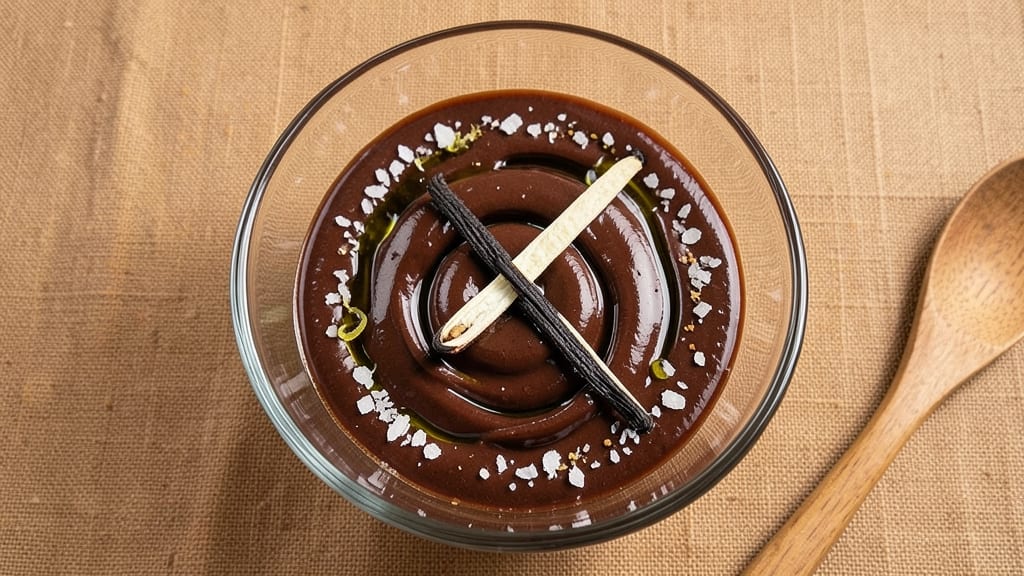
This baker's unsweetened chocolate sauce transforms desserts with its rich, velvety texture and deep cocoa intensity. Professional pastry chefs rely on this recipe to elevate everything from cakes to fruit dips, using just three core ingredients for maximum flavor impact.
The secret lies in tempering the heat of unsweetened chocolate with warm liquid—creating a smooth, glossy finish that clings beautifully to any surface.
The process is surprisingly simple yet precise: melted chocolate combined with warm milk (or dairy-free alternative) creates a sauce that's thick enough to drizzle but still pours effortlessly. A touch of vanilla extract enhances the natural cocoa notes, while a pinch of salt balances the richness without overpowering.
This version maintains all the depth of quality chocolate without added sugars, making it perfect for dietary-conscious baking.
What you'll achieve is a sauce with restaurant-quality sheen and perfect consistency—neither too thin nor grainy. It sets slightly when chilled, allowing for elegant drizzles or sturdy dipping, yet remains silky when warmed.
The sauce keeps beautifully in the refrigerator for up to two weeks, ready to transform your desserts at a moment's notice.
Whether you're dressing layer cakes, topping ice cream, or creating elegant chocolate ganache, this versatile sauce delivers professional results with minimal effort. The key is patience during the melting process—allowing the chocolate to bloom fully ensures a smooth, lump-free finish every time. Let's create this essential baking companion.
Ingredients for baker's unsweetened chocolate sauce
Three core ingredients plus a touch of salt—this transforms into velvety chocolate perfection.
| Ingredient | Amount | Notes |
|---|---|---|
| Unsweetened Chocolate Bars 🍫 | 8 oz | High-quality, 70% cocoa or higher |
| Whole Milk 🥛 | 1 cup | Warmed to 110°F for smooth blend |
| Pure Vanilla Extract 🌿 | ½ tsp | Bottled, not imitation |
| Fine Sea Salt 🧂 | ⅛ tsp | Kosher preferred for balance |
| Extra-Virgin Olive Oil 🫒 | 1 tbsp | Optional for silky texture |
The chocolate is non-negotiable here. Valrhona or Guittard are my go-tos—look for bars labeled 70% cocoa or higher. Grocery stores often carry Ghirardelli or Hershey's Special Dark in the baking aisle, but if you want that professional sheen, splurge on the good stuff. The milk should be warmed gently (microwave 30 seconds, stir, repeat) to 110°F—hotter and it seizes, cooler and it won't blend smoothly. Trust me, the temperature matters more than you'd think for that silky finish. And if you're dairy-free? Swap the milk for warmed coconut milk—same rules apply.
No vanilla extract? Vanilla bean paste works in a pinch, or scrape seeds from a pod (use half a bean). Salt is crucial—skip it and the sauce tastes flat. The olive oil is optional but adds a luxurious mouthfeel (think ganache-level smooth). Running out of milk? Heavy cream or oat milk both work, but adjust the final consistency with a splash more liquid if needed. Pro tip: chop the chocolate into even 1/4-inch pieces before melting—it blooms faster and more evenly. And if you're making this ahead, let it cool completely before storing so it doesn't sweat in the fridge.
This sauce keeps for 2 weeks in the fridge, sealed in an airtight container with parchment between layers to prevent sticking. For longer storage, freeze in 1-tbsp portions—perfect for single-use drizzles. Reheat gently in the microwave (20-second bursts) or on the stovetop over low heat. The texture thickens as it cools, so thin with a splash of warm milk if needed. And if it sets too firm? Pop it in the microwave for 10 seconds—back to pouring consistency instantly. Leftovers? Use it to dress pancakes, swirl into yogurt, or drizzle over fresh fruit.
Why You'll Love This Recipe
- Four-Ingredient Magic: I swear, this sauce only needs five things—no fancy gadgets, no waiting for water to boil. Just melt the chocolate in warm milk, stir in vanilla, and a pinch of salt to wake it up. That’s it. No stress, no mess.
- Rich Without Sugar: The deep, bittersweet intensity of unsweetened chocolate shines here, but the olive oil and salt make it luxurious, not harsh. It’s the kind of sauce that turns simple toast into a dessert or elevates pancakes to "why didn’t I think of this sooner?" level.
- Weeknight Superstar: Drizzle it over oatmeal when you’re running late, fold it into yogurt for a quick breakfast, or use it to glaze roasted veggies in 10 minutes. Honestly, I’ve even poured it over ice cream when I forgot to make dinner—no judgment here.
- Pantry Goldmine: This sauce keeps for days in the fridge, and a single batch stretches across multiple uses. Between us, the olive oil makes it cost less than store-bought versions, and I’ve never regretted having it on hand. (Yes, even on a Tuesday night.)
Step-by-step instructions for baker's unsweetened chocolate sauce
Here's how to make a silky, velvety chocolate sauce that's perfect for dipping, drizzling, or pairing with desserts.
Chop and Warm the Chocolate
Break the 8 oz unsweetened chocolate bars into small, even pieces—about the size of a dime. This ensures they melt uniformly without clumping. Place the chopped chocolate in a heatproof bowl that fits snugly over your saucepan. The goal is to create a double boiler setup, which gently melts the chocolate without scorching it.
Warm the 1 cup whole milk in a saucepan over medium-low heat until it reaches 110°F—just below a simmer. You'll know it's ready when small bubbles form around the edges but the milk hasn't started to boil vigorously. This gentle warmth is key to preventing the chocolate from seizing up. If you don't have a thermometer, test the milk by dipping a spoon in—it should feel warm but not hot to the touch.
Melt the Chocolate Over Warm Milk
Position the bowl of chopped chocolate over the warm milk, ensuring the bottom of the bowl doesn't touch the liquid. This indirect heat method allows the chocolate to melt smoothly without developing a bitter taste. Stir the chocolate gently with a silicone spatula, working in small circles to encourage even melting. It should take about 5-7 minutes for the chocolate to transform into a glossy, liquid state.
Here's the thing—if the milk gets too hot, the chocolate can seize and turn grainy. If this happens, remove the bowl from the heat, add a splash of cool milk, and stir vigorously until smooth. The sauce should look rich and velvety, not streaky or lumpy. Once fully melted, remove the bowl from the heat and let it sit for 1 minute to cool slightly before adding the remaining ingredients.
Incorporate Vanilla, Salt, and Olive Oil
Stir in the 0.5 tsp pure vanilla extract and 0.125 tsp fine sea salt into the melted chocolate. The vanilla adds depth, while the salt balances the bitterness of the unsweetened chocolate. Use a whisk to combine everything thoroughly—this ensures the salt dissolves completely and the vanilla is evenly distributed. The mixture should look uniform and glossy.
Now, add the 1 tbsp extra-virgin olive oil. This step is optional but transforms the sauce from velvety to truly silky. The olive oil adds a subtle richness and prevents the sauce from becoming too thick as it cools. Stir in the oil until it's fully incorporated, and the sauce should coat the back of a spoon smoothly. If you're using this sauce for dipping, the olive oil makes it even more luxurious.
Thin and Adjust to Perfect Consistency
Return the sauce to the warm (not hot) milk for 1-2 minutes to blend the flavors. If the sauce is too thick for your liking, whisk in small amounts of warm milk, 1 tablespoon at a time, until it reaches a pourable consistency. You want it to drizzle easily but still cling slightly to a spoon—this ensures it coats desserts beautifully without running off.
Taste the sauce and adjust the sweetness if needed. Since we're using unsweetened chocolate, you might want to add a touch of honey or maple syrup if you prefer a sweeter drizzle. However, the natural bitterness of the chocolate shines when paired with tart fruits, like raspberries, or rich desserts like brownies. Once you've achieved the perfect balance, transfer the sauce to a clean jar or bowl and let it cool to room temperature before serving.
Pro Tips For Making Baker'S Unsweetened Chocolate Sauce
- CHOP CHOCOLATE SMALL: I learned this the hard way—using big chunks means you’ll end up with lumps no matter how much you stir. Break the bars into ¼-inch pieces or even finer; they’ll melt faster and smoother, giving you that silky texture you’re after.
- SIMMER LOW AND SLOW: After burning three batches, I finally figured out that medium-low heat is your friend here. Too hot, and you’ll get grainy bits; too low, and it’ll take forever. Keep it at a gentle bubble—just enough to see tiny ripples on the surface.
- SALT THE MILK FIRST: Sounds weird, but it works: Add the salt to the warm milk before you even think about melting the chocolate. It dissolves better this way, and you won’t end up with clumpy salt crystals at the end—trust me, it’s a game-changer.
- SWAP OIL FOR BUTTER (OPTIONAL): Olive oil keeps this sauce vegan, but if you’re not strict about it, a pat of butter at the end makes the sauce richer and glossier. Just whisk in 1 tablespoon at the very end—it’s the easiest upgrade I’ve found.
Perfect pairings for this recipe
Dessert Drizzle Perfection
This sauce transforms layer cakes and cupcakes with its glossy finish—think elegant wedding desserts or bakery-style treats. For cakes, warm the sauce slightly before drizzling to create a semi-solid effect that clings beautifully.
I like to use a squeeze bottle for precision, creating zigzag patterns or concentric circles. The sauce sets slightly when chilled, making it ideal for garnishing cheesecakes or dressing fruit tarts. 🍰
For ice cream or frozen yogurt, let the sauce cool completely before drizzling—it’ll create a crisp chocolate shell that contrasts perfectly with creamy textures. I often add a pinch of espresso powder (¼ tsp) to the warm milk when making this variation for a mocha twist.
The bitterness of the chocolate pairs beautifully with vanilla bean ice cream, creating a sophisticated flavor profile.
Fruit Pairings
Tart fruits like strawberries, raspberries, and blackberries become decadent when dipped in this sauce. The acidity cuts through the richness, balancing the flavors beautifully. For a fruit salad, drizzle the sauce over fresh berries and top with whipped cream or crumbled almonds for texture.
I also love using it as a dipping sauce for sliced apples or pears—the contrast of crisp fruit and velvety chocolate is unbeatable. 🍓
For bananas or peaches, warm the sauce slightly before serving to create a melting effect when dipped. The natural sweetness of the fruit complements the deep cocoa notes without overpowering them.
Pro tip: Add 1 tsp orange zest to the warm milk when making the sauce for a citrusy twist that pairs perfectly with stone fruits.
Savory Surprises
Yes, you read that right—this sauce isn’t just for desserts! Drizzle it over dark chocolate brownies or molten lava cakes for an extra layer of richness. The bitterness of the unsweetened chocolate enhances the caramelized sugar in baked goods, creating a deeper flavor.
I also use it as a glaze for chocolate-covered pretzels or nuts—the salt in the sauce amplifies the sweet-savory balance. 🥜
For a gourmet twist, pair it with cheese plates. The sauce’s bitterness cuts through creamy cheeses like brie or gouda, creating a surprising yet delicious combination.
Warm the sauce slightly before serving and drizzle over aged cheddar or blue cheese for a sophisticated appetizer. It’s a crowd-pleaser at holiday gatherings!
Beverage Pairings
Warm the sauce slightly and drizzle it over hot coffee or chai tea for an instant mocha upgrade. The bitterness of the chocolate complements the roasted notes in coffee, creating a restaurant-quality drink at home.
For cold beverages, drizzle over vanilla lattes or iced chai—the contrast of hot and cold makes it extra special. 🍵
For alcoholic pairings, try it with espresso martinis or dark rum. The sauce’s depth enhances the caramel and spice notes in rum, while the bitterness balances the sweetness.
I also love adding a dash of the sauce to chocolate stout beers—it adds a luxurious finish that beer lovers will adore.
Nutrition facts
Frequently asked questions
Can I substitute dairy milk for a plant-based alternative?
Use warm coconut milk, oat milk, or almond milk instead of dairy milk—just heat it to 110°F first. For the creamiest texture, full-fat plant milks work best. Avoid rice milk, as it can make the sauce too thin. If using cashew milk, add 1 extra tablespoon of thickener like cornstarch to prevent separation.
Why did my chocolate sauce turn grainy?
Graininess happens when the milk gets too hot and seizes the chocolate. Remove from heat immediately, whisk in 1 tablespoon cool milk, and stir vigorously. If it's still grainy, strain through a fine-mesh sieve before using. To prevent this, keep milk at 110°F or lower—never boiling.
How do I adjust the thickness for different uses?
For drizzling, keep it slightly thick (like honey). For dipping, thin with 1 tbsp warm milk at a time until it coats a spoon smoothly. If too thick after chilling, reheat gently (microwave 10-second bursts) and stir. The sauce should be pourable but still cling to surfaces.
Can I make this sauce without olive oil?
Yes! Skip the oil or replace it with 1 tbsp heavy cream or 1 tsp butter for richness. The sauce will still be velvety, though slightly less silky. For a vegan version, use coconut oil instead—it adds a neutral flavor while maintaining texture.
How do I store leftovers for best results?
Store in an airtight container with parchment between layers to prevent sticking. Keeps 2 weeks refrigerated or 3 months frozen in 1-tbsp portions. To reheat, microwave 10-second bursts or warm over a double boiler until smooth. Avoid reheating in the microwave too long—it can make the sauce grainy.