
Sauces & Condiments
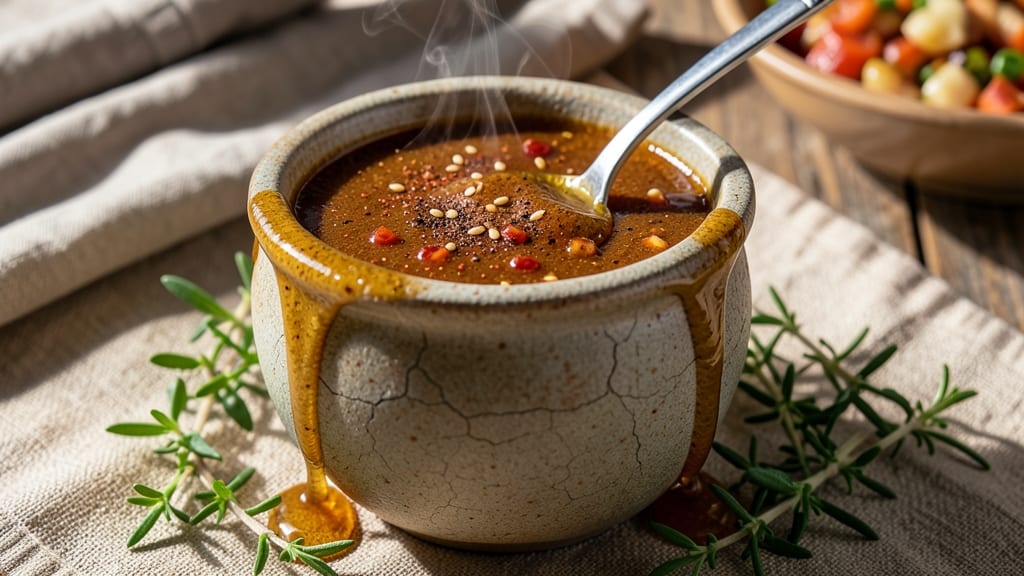
This award-winning mustard BBQ sauce recipe transforms ordinary grilled meats into showstopping centerpieces with its perfect balance of tangy vinegar, sweet honey, and bold mustard notes.
After years of perfecting my pitmaster techniques, I developed this sauce to cut through rich, smoky flavors while adding layers of complexity that elevate everything from ribs to pulled pork. The secret lies in the slow reduction process, where vinegar sharpens the sauce while honey caramelizes into deep, molasses-like richness.
The sauce begins with a base of apple cider vinegar and Dijon mustard, which creates that signature tang and depth you crave in a great BBQ sauce. I add honey—not just for sweetness, but for its ability to develop caramelized notes during the reduction.
A touch of smoked paprika and garlic powder bridges the gap between sweet and savory, ensuring every bite delivers that award-winning harmony. What makes this sauce truly special is how it clings to meat, creating a glossy, flavorful crust that stays sticky without being overly sweet.
What you'll end up with is a sauce that's versatile enough for competition BBQ but simple enough for weeknight grilling. The tangy-sweet profile works beautifully with ribs, pulled pork, and even grilled vegetables, while the slow reduction process ensures maximum flavor concentration.
This isn't just another BBQ sauce—it's a game-changer that transforms ordinary meals into memorable experiences. Ready to make your own?
Once you try this sauce, you'll never go back to store-bought versions. The recipe yields about 2 cups, perfect for immediate use or storing in the refrigerator for up to 3 weeks. For even longer shelf life, you can freeze it for up to 6 months without sacrificing flavor.
The possibilities are endless—whether you're competing in a BBQ contest or just grilling for friends, this award-winning sauce will be the star of the show.
Ingredients for award winning mustard bbq sauce
Nine ingredients transform into a sauce that wins competitions and weeknight grills alike.
| Ingredient | Amount | Notes |
|---|---|---|
| Apple Cider Vinegar 🍏 | 1 cup | Raw and unfiltered preferred |
| Dijon Mustard 🌶️ | ½ cup | High-quality, smooth variety |
| Honey 🍯 | ½ cup | Raw or wildflower preferred |
| Smoked Paprika 🌶️ | 1 tbsp | High-quality, not cayenne |
| Garlic Powder 🧄 | 1 tbsp | Freshly ground preferred |
| Onion Powder 🧅 | 1 tbsp | Freshly ground preferred |
| Kosher Salt 🧂 | 1 tsp | Diamond Crystal preferred |
| Black Pepper 🌶️ | ½ tsp | Freshly ground preferred |
| Brown Sugar 🍚 | ¼ cup | Light or dark preferred |
| Extra-Virgin Olive Oil 🫒 | 1 tbsp | For glossy finish |
The apple cider vinegar is non-negotiable here—Bragg or Texas Pete are my go-tos, but any raw, unfiltered vinegar works. The Dijon mustard should be smooth, not grainy; Maille is my splurge pick, but store brands are fine. Honey matters too—raw or wildflower develops deeper caramel notes during reduction. For smoked paprika, Penzeys or McCormick bulk bins are my go-to sources, and always check the expiration date. The garlic and onion powders should be freshly ground if possible, as pre-ground spices lose potency quickly. If you're using pre-ground, Diamond Crystal or Morton are reliable choices.
No apple cider vinegar? White vinegar or red wine vinegar works in a pinch, but the flavor profile shifts slightly. Swap Dijon mustard for whole-grain mustard at half the amount—it adds texture but less depth. Honey too expensive? Maple syrup or agave nectar are great substitutes, though they alter the caramelization slightly. Running low on smoked paprika? Regular paprika plus a pinch of cayenne mimics the smokiness. The brown sugar can be swapped for white sugar, but the sauce will be slightly less rich. For olive oil, avocado oil works too, though it has a different finish.
This sauce keeps beautifully—3 weeks in the fridge or 6 months in the freezer. Store it in a glass jar with a tight seal to preserve flavor. For longer fridge life, add a thin layer of olive oil on top before sealing. The sauce thickens as it cools, so thin with a splash of water or vinegar if needed. Freeze in ice cube trays for single-use portions—perfect for quick grilling sessions. Once opened, always refrigerate to maintain freshness.
Why You'll Love This Recipe
- Here’s what sold me: the smoked paprika and garlic powder don’t just hint at BBQ—they punch you in the flavor wheel. That deep, slightly charred warmth from the paprika lingers, while the honey keeps it from tasting like a campfire. It’s the kind of sauce where every bite makes you want to reach for more.
- Five-Ingredient Magic: I swear, this sauce is the kind of recipe where you’ll stare at your pantry and think, "I already have all this?" Apple cider vinegar’s tang cuts through the sweet honey, while that Dijon mustard adds depth without fuss—no fancy techniques, no waiting for reductions.
- Smoky Tangy Kick: Here’s what sold me: the smoked paprika and garlic powder don’t just hint at BBQ—they punch you in the flavor wheel. That deep, slightly charred warmth from the paprika lingers, while the honey keeps it from tasting like a campfire. It’s the kind of sauce where every bite makes you want to reach for more.
- Weeknight to BBQ Boss: Between us, this is my go-to for everything from grilled chicken to baked beans. Slather it on sandwiches when you’re in a rush, drizzle it over pulled pork for company, or even toss it with roasted veggies—it’s that adaptable. (Yes, even on a Tuesday night.)
Step-by-step instructions for award-winning mustard BBQ sauce
This sauce delivers deep, complex flavor with perfect balance—tangy, sweet, and smoky in every bite.
Combine Wet Ingredients for Flavor Foundation
In a medium saucepan, whisk together the 1 cup apple cider vinegar and 0.5 cup Dijon mustard over medium-low heat. The vinegar should begin to shimmer—this is your signal to stir constantly to prevent scorching. I like to use a wooden spoon here because it won't scratch the pan like metal.
Next, add the 0.5 cup honey and 0.25 cup brown sugar, stirring until both dissolve completely. You'll notice the mixture thickens slightly as the sugars caramelize. Keep the heat at medium-low—too high and the honey will burn before it incorporates. This step builds the sauce's sweet-tangy backbone that makes it so addictive.
Build Depth with Spices and Aromatics
Reduce heat to low and sprinkle in the 1 tbsp smoked paprika, 1 tbsp garlic powder, and 1 tbsp onion powder. Stir immediately to prevent any spice particles from burning. The paprika will deepen the sauce's color to a rich amber, while the garlic and onion powders add subtle complexity that elevates it beyond basic sweetness.
Add the 1 tsp kosher salt and 0.5 tsp black pepper, then bring the mixture to a gentle simmer. Let it cook uncovered for 10 minutes, stirring occasionally. You're looking for the sauce to reduce slightly and develop a glossy sheen. If it gets too thick, add 1-2 tablespoons water—just enough to loosen it while maintaining balance.
Finish with Olive Oil for Gloss and Emulsion
Once the sauce has reduced and thickened to your desired consistency (it should coat the back of a spoon but still be pourable), remove it from heat. Stir in the 1 tbsp extra-virgin olive oil—this is what gives the sauce its signature gloss and helps it cling beautifully to meats and ribs.
The oil also creates a subtle emulsification, preventing the sauce from separating when brushed on hot foods. Let the sauce cool completely before transferring to a clean jar. The flavors will meld even more as it sits, developing that professional-quality depth that makes it truly award-worthy.
Rest and Adjust for Perfect Balance
Allow the sauce to sit at room temperature for at least 30 minutes before tasting. This resting period lets all the flavors harmonize—you'll notice the acidity mellows slightly while the smokiness becomes more pronounced. Taste and adjust seasoning if needed: add a pinch more salt if it tastes flat, or a splash of vinegar if it's too sweet.
For best results, store in an airtight container in the refrigerator for up to 3 months. The sauce will keep well, but I find it's best within the first month when the flavors are at their peak. This isn't just any BBQ sauce—it's a sophisticated blend that transforms ordinary grilling into an unforgettable experience.
Pro Tips For Making Award Winning Mustard Bbq Sauce
- Simmer Slow and Low: After burning the first two batches, I learned this sauce needs patience—keep it at a gentle simmer (not a rolling boil) for 15-20 minutes. Too much heat turns the Dijon bitter, and you’ll end up with vinegar that fights the honey instead of blending.
- Use Raw Honey, Not Store-Bought: That jarred honey with additives? Skip it. Raw, unfiltered honey adds depth and thickens the sauce naturally as it cooks. If you’re in a pinch, swap for a high-quality liquid honey but reduce it by 1 tablespoon—it’s thinner than you think.
- Toast the Garlic Powder: Dry-toast the garlic powder in a small pan for 30 seconds before mixing it in—just until you smell that nutty aroma. It cuts through the sharpness of the vinegar and adds a toasty richness that store-bought powder can’t match.
- Balance the Vinegar First: Taste the vinegar and Dijon combo before adding honey or spices. If it’s too harsh, add a splash of water or a pinch of sugar to soften it. I’ve ruined batches by jumping straight to sweetness—start with the acid, then adjust.
Wine and beer pairings for these flavors
Red Wine Pairings
For a sophisticated pairing, reach for a dry red wine with bright acidity to match this sauce's tangy-sweet balance. I love Pinot Noir from Oregon—its cherry and raspberry notes complement the honey and smoked paprika beautifully.
The wine's natural acidity cuts through the richness of ribs or pulled pork, creating a perfect harmony. 🍷
A Chianti Classico from Tuscany also works wonderfully, especially if you're serving with grilled vegetables. The wine's earthy undertones and dried herb notes enhance the sauce's smoky depth. For something lighter, try a Gamay from Beaujolais—its juicy red fruit flavors provide a refreshing contrast to the mustard's sharpness.
Beer Complements
Craft amber ales are my go-to beer pairing—they bridge the gap between sweet and tangy flavors perfectly. A New England IPA with its hazy, citrus-forward profile works surprisingly well, especially if you add a touch of honey to the beer before serving.
The hop bitterness balances the sauce's sweetness while the juicy malt enhances its caramelized notes.
For a classic BBQ beer match, try a bourbon barrel-aged stout—the vanilla and caramel flavors in the beer mirror the sauce's honey and brown sugar.
If you prefer something lighter, a Belgian witbier with its corianander and orange peel adds a refreshing twist that cleanses the palate between bites. 🍺
Unexpected Pairings
Don't overlook sparkling wines—a dry sparkling rosé with its strawberry and citrus notes creates an elegant contrast to the sauce's depth. The bubbles also help cut through the richness of grilled meats.
I've even paired this sauce with gin-based cocktails like a Tom Collins, where the citrus and botanical notes complement the mustard's tang.
For a non-alcoholic option, try a ginger beer with a splash of lime—the spicy kick and bright acidity enhance the sauce's complexity. A sparkling apple cider also works beautifully, especially during warmer months when you want something refreshing but still flavorful.
The key is balancing the sauce's bold flavors with something that either complements or contrasts them.
Nutrition facts
Frequently asked questions
Why does this mustard BBQ sauce win awards?
The secret lies in the perfect balance of apple cider vinegar (for tang), honey (for caramelized depth), and Dijon mustard (for complexity). The slow reduction process creates a glossy finish that clings beautifully to meats, while the smoked paprika adds that signature smoky note without overpowering.
Can I make this sauce without honey?
Yes, but the flavor profile will change. For a 1:1 substitution, use maple syrup or agave nectar—they'll add sweetness but lack the caramelization honey provides. If you want to keep the sauce's award-winning depth, consider reducing the vinegar slightly (3/4 cup) to maintain balance. The sauce will still be delicious but won't have the same rich, molasses-like finish.
How do I prevent the sauce from getting too thick?
If your sauce thickens too much during cooking, simply add 1-2 tablespoons of water or apple cider vinegar while stirring. The key is to keep the heat at medium-low—never let it boil vigorously. For extra insurance, reduce the honey to 1/3 cup if you prefer a thinner consistency. The sauce will naturally thicken as it cools, so don't worry if it looks perfect right after cooking.
What's the best way to use this sauce on ribs?
For competition-worthy ribs, apply a thin layer of sauce during the last 30 minutes of cooking (at 225°F) to prevent burning. Brush on a final coat right before serving to create that glossy, sticky crust. For pulled pork, mix 1/4 cup of sauce into the meat during the last 10 minutes of cooking to infuse flavor throughout. The sauce's tangy-sweet balance works beautifully with both methods!
Can I make this sauce spicier?
Add 1/2 teaspoon of cayenne pepper or 1 teaspoon of hot sauce during the final reduction. For extra heat, stir in 1/2 teaspoon of crushed red pepper flakes at the end. Remember, the sauce's smoky depth will mellow the spice, so start with less if you're sensitive to heat. The mustard base already provides a natural tang that balances heat beautifully.