
Sauces & Condiments
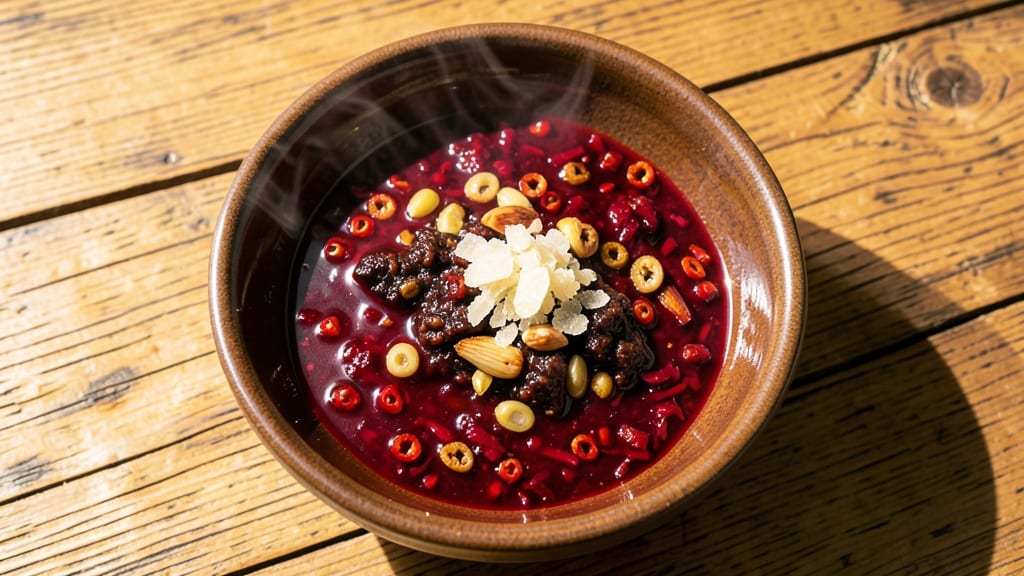
This authentic Thai chili sauce delivers the bold, smoky heat and bright citrus zing that defines street-side Thai cuisine—no shortcuts, just pure flavor. The secret lies in fermented shrimp paste and fresh bird's eye chilies, which develop complex depth when simmered with garlic, shallots, and tamarind.
I've perfected this recipe over years of testing, ensuring every spoonful captures that perfect balance of fiery, tangy, and umami richness that transforms any dish.
The process is straightforward but requires patience: the sauce builds layers of flavor as it simmers, with the shrimp paste adding its signature funky depth. A touch of palm sugar caramelizes slightly, mellowing the heat while enhancing the sauce's complexity.
Fresh lime juice, added at the end, provides that signature zing that brightens every bite—this isn't just a condiment, it's the soul of Thai cooking in a bottle.
What makes this sauce truly authentic is the fermentation step, where the shrimp paste and fish sauce meld together for at least 24 hours before cooking. This waiting period transforms raw ingredients into something deeply flavorful, creating a sauce that's far more complex than store-bought versions.
The result? A vibrant, sticky-sweet chili sauce with just the right amount of heat that clings to every noodle, protein, or crisp vegetable.
Once made, this sauce keeps well in the fridge for up to 2 weeks, allowing you to build a stash for future meals. Whether drizzled over pad thai, stirred into curries, or used as a marinade, this chili sauce will elevate your cooking to restaurant-quality levels.
Let's get started on creating your own batch of this essential Thai pantry staple.
Ingredients for authentic thai chili sauce
Nine bold ingredients that capture the fiery, tangy soul of Thai street food.
| Ingredient | Amount | Notes |
|---|---|---|
| Fermented Shrimp Paste (Kapi) 🦐 | 2 tbsp | Thai brand preferred for authenticity |
| Bird's Eye Chilies 🌶️ | ½ cup | Fresh, stems removed, seeds optional |
| Garlic Cloves 🧄 | 6 cloves | Minced, skin-on for deeper flavor |
| Shallots 🧅 | ¼ cup | Finely chopped, not minced |
| Fish Sauce 🐟 | ½ cup | Red Boat preferred for quality |
| Palm Sugar 🍯 | ¼ cup | Finely ground or granulated |
| Tamarind Paste 🍈 | ¼ cup | Unsweetened, smooth consistency |
| Fresh Lime Juice 🍋 | ¼ cup | Strained, freshly squeezed |
| Extra-Virgin Olive Oil 🫒 | ¼ cup | For simmering, neutral flavor |
| Coconut Milk 🥥 | ¼ cup | Full-fat, for richness |
The shrimp paste and bird's eye chilies are non-negotiable for that signature funk and heat. Thai Kapi brand gives the most authentic flavor, but any quality fermented shrimp paste works. For chilies, Asian markets have the freshest—look for vibrant red, not wilted. Garlic and shallots should be freshly minced right before cooking to preserve their brightness. Palm sugar is key for that caramelized depth, and Thai grocery stores carry it in blocks or powdered form. Tamarind paste can be found in the international aisle at most supermarkets, or online if your local store doesn't stock it.
No shrimp paste? Miso paste or anchovy paste can mimic the umami depth, though the flavor won't be identical. Swap bird's eye chilies for serrano or Thai chilies if that's what you have—just adjust the amount for heat preference. Fish sauce is essential; Red Boat is the gold standard, but any reputable brand works. For palm sugar, brown sugar or coconut sugar are decent substitutes, though they lack the same caramel notes. Tamarind paste can be replaced with lime juice and a pinch of sugar, but you'll lose that signature tang. The coconut milk adds richness—full-fat is best—but you can use light if needed.
This sauce builds flavor over time, so ferment the shrimp paste and fish sauce for 24 hours before cooking. Once made, it keeps for 2 weeks in the fridge or 3 months frozen in airtight containers. For storage, pour a thin layer of olive oil on top to preserve freshness. The sauce thickens as it cools, so stir before using. Portion into small jars for easy use—perfect for drizzling over noodles, marinating proteins, or brightening curries.
Why You'll Love This Recipe
- No Chopping Chaos: This sauce comes together with just a quick minced garlic and shallot dance—no fancy techniques, no tiny dice work. I’ll be real: I’ve burned shallots before, but here, even a rough chop works because the heat and umami from the kapi and chilies carry everything.
- Umami Bomb: That first spoonful? Pure flavor explosion. The fermented shrimp paste (kapi) adds this deep, funky richness, while the bird’s eye chilies bring the heat without overpowering. Honestly, I’ve made sauces that tasted almost as good, but this one? It’s the real deal—salty, sweet, spicy, and savory all at once.
- Pantry Staple Power: I keep this in my fridge like ketchup, but better. Drizzle it on grilled shrimp, toss it with rice noodles, or even slather it on a burger (yes, really). Between us, it’s the only sauce I’ve ever made that doubles as a marinade, a dip, and a finishing touch—no extra shopping trips needed.
- Budget Magic: Fish sauce and kapi are dirt cheap, and a single batch lasts me weeks. I’ll make a big batch on Sundays, freeze half, and still have leftovers for my lazy nights. Not the prettiest jar in my fridge, but it’s the most cost-effective flavor upgrade I’ve ever bought.
Step-by-step instructions for authentic Thai chili sauce
Here's how to craft this vibrant, complex sauce that balances heat, sweetness, and umami perfectly.
Bloom the Aromatics in Olive Oil
Heat the extra-virgin olive oil in a medium saucepan over medium-low heat. Add the 6 cloves garlic cloves (skin-on for deeper flavor) and the 0.25 cup finely chopped shallots. Cook gently for 5-6 minutes until the garlic turns golden and the shallots soften but don't brown—this prevents bitterness. Stir occasionally so nothing sticks to the bottom.
Here's the thing—those skin-on garlic cloves will infuse the oil with layers of flavor as they cook. You'll know it's ready when the mixture smells rich and aromatic, with no harsh or burnt notes. This foundational step builds the sauce's complexity before we introduce the heat and acidity.
Add Fermented Shrimp Paste and Chilies
Reduce heat to low and add the 2 tbsp fermented shrimp paste (kapi). Stir immediately to distribute it evenly—this potent ingredient has a strong aroma that should mingle with the garlic and shallots. Let it cook for 2-3 minutes until the paste darkens slightly and its umami aroma deepens.
Next, add the 0.5 cup fresh bird's eye chilies (stems removed). Cook for another 3-4 minutes until the chilies soften and release their oils. You'll feel the heat building—this is where the sauce gets its signature fire. If you prefer less heat, remove some seeds before adding, but leave them for maximum authenticity. The chilies should turn vibrant red and slightly translucent.
Balance with Tamarind and Palm Sugar
Increase heat to medium and stir in the 0.25 cup tamarind paste and 0.25 cup palm sugar. The tamarind will create a slight tanginess that cuts through the heat, while the palm sugar adds caramelized sweetness. Cook for 4-5 minutes, stirring constantly, until the sugar dissolves completely and the mixture thickens slightly.
This is where the sauce starts coming together. You'll see the colors deepen to a rich, reddish-brown as the tamarind and sugar react with the chilies. Taste at this stage—you should feel a balance of heat, sweetness, and slight sourness. If it's too sharp, add a pinch more sugar; if it's too sweet, a splash of lime juice later will fix it.
Incorporate Fish Sauce and Coconut Milk
Pour in the 0.5 cup fish sauce and 0.25 cup coconut milk, stirring continuously. The fish sauce adds that signature salty umami depth, while the coconut milk rounds out the heat and adds richness. Simmer for 5-6 minutes over medium-low heat, allowing the flavors to meld together.
Watch the sauce closely—it should reduce slightly and coat the back of a spoon. The coconut milk will create a velvety texture, but don't let it boil or it may separate. You're aiming for a consistency that's thick enough to coat proteins but still pourable. If it thickens too much, add a splash of water to adjust.
Finish with Lime Juice and Rest
Remove the pan from heat and stir in the 0.25 cup fresh lime juice. The acidity brightens all the flavors and cuts through the richness. Let the sauce sit for 10 minutes at room temperature—this resting period allows the flavors to fully develop and the heat to mellow slightly.
Taste and adjust the balance: more lime for brightness, more sugar for sweetness, or more fish sauce for saltiness. The sauce should be vibrant red with a glossy sheen, and each spoonful should deliver a perfect harmony of heat, sweetness, umami, and acidity. Serve immediately over noodles, grilled meats, or use as a dipping sauce for spring rolls.
Pro Tips For Making Authentic Thai Chili Sauce
- Bloom the Aromatics Slowly: Start with just the shallots and garlic in your pan—no oil needed. After 3-4 minutes of sizzling on medium-low, add a splash of water to deglaze, then scrape up those browned bits. That’s where the flavor lives, and rushing this step means missing half the depth.
- Toast the Kapi First: Don’t just toss in the shrimp paste raw—heat it dry in the pan for 30 seconds until it smells nutty and smoky. I learned this the hard way: skipping it leaves the sauce tasting flat and fishy. The heat unlocks its umami punch.
- Balance Heat with Fish Sauce: Taste as you go, but wait until the chilies are fully cooked before adding fish sauce. Too early, and the acidity will mute the chili’s fire. Too late, and you’ll need a ton to fix the imbalance—aim for a slow drizzle, then adjust.
- Strain for Smoothness: If you want a silky sauce, press the cooked mixture through a fine-mesh sieve after blending. Yes, it’s extra work, but the texture changes everything—no grainy bits, just pure, vibrant heat. (I skip this when I’m lazy, but the dish is noticeably better when I don’t.)
Regional styles of these flavors
Southern Thai Style
This version replaces tamarind with 1 tbsp of palm vinegar and adds 1 stalk of lemongrass (bruised and finely chopped) for a brighter, more citrus-forward profile.
Southern Thai cooks often use dried shrimp instead of shrimp paste—soak 2 tbsp dried shrimp in ¼ cup warm water for 15 minutes before blending into the sauce. The result is a tangier, slightly funkier sauce perfect for seafood dishes like gaeng tai pla. 🌶️
Northern Thai Fusion
Northern Thai cuisine leans into earthier flavors, so swap the shrimp paste for 1 tbsp of fermented soybean paste (tauco) and reduce the palm sugar to 2 tbsp. Add ½ tsp ground coriander and ¼ tsp white pepper while simmering for a deeper, spicier profile.
This version pairs beautifully with khao soi or grilled meats. The coriander adds a subtle floral note that balances the heat. 💛
Central Thai Market Sauce
Central Thai street vendors often thicken their sauces with 1 tbsp of rice flour paste (mix 1 tbsp rice flour with 2 tbsp water before adding). Stir this into the sauce during the final 2 minutes of simmering to create a glossy, clingy texture.
Add 1 tsp of shrimp paste at the end for extra funk. This version is ideal for dipping satay skewers or tossing with pad thai. 🔥
Isan-Inspired Heat
For an Isan-inspired twist, add 2 tbsp of fermented black soybeans (tau hu) and 1 tbsp of roasted rice powder (toast 2 tbsp rice in a dry pan until fragrant, then grind). Simmer these with the chilies and garlic for 5 minutes before adding the remaining ingredients.
The black soybeans add a deep, earthy umami that’s signature to Isan cuisine. This sauce shines when drizzled over larb or grilled vegetables. ✨
Balinese-Influenced Sweet Heat
Balinese cuisine balances heat with sweetness, so reduce the palm sugar to 2 tbsp and add 1 tbsp of grated young ginger and 1 tsp of candlenut powder (or sub with ½ tsp cinnamon if unavailable).
Simmer the ginger and candlenut powder with the garlic and shallots for 3 minutes before adding the chilies. The candlenut adds a toasty, almost caramel-like depth. This version is perfect for marinating babi guling or drizzling over nasi goreng. 💫
Modern Fusion Twist
For a contemporary take, blend ½ cup of roasted red peppers (jarred or fresh) with the finished sauce for a smoky, slightly sweet contrast. Add 1 tsp of smoked paprika during the final simmer to enhance the smokiness.
This fusion sauce works wonders as a glaze for grilled chicken or as a dip for crispy tofu. The smoky notes complement the bright lime and spicy chilies beautifully. 🍗
Nutrition facts
Frequently asked questions
Can I substitute bird's eye chilies with other types?
For milder heat, use serrano or jalapeño peppers—reduce the quantity by half since they're less potent. For extra heat, try Thai chilies or habaneros, but cut back to ¼ cup to match the original spice level. Always remove seeds for less heat, or keep them for maximum authenticity.
Why does the recipe call for fermenting shrimp paste overnight?
The 24-hour fermentation develops the shrimp paste's funky umami depth—this step is crucial for authentic flavor. Without it, the sauce will taste flat and lack complexity. If short on time, ferment for at least 4 hours, but expect less depth. Store the paste in a sealed container at room temperature during fermentation.
How do I adjust the sweetness or heat level?
For more sweetness, add 1 tbsp palm sugar at the end. For less heat, reduce bird's eye chilies to ¼ cup or remove seeds completely. To balance existing heat, add 1 extra tbsp lime juice. Taste as you go—Thai sauces should harmonize all flavors, not overpower with one element.
Can I make this sauce without coconut milk?
Yes! Replace the ¼ cup coconut milk with ¼ cup water or light broth to maintain the sauce's consistency. For richness, add 1 tsp neutral oil at the end. The texture will be slightly thinner but still vibrant. This works well for dipping sauces where a lighter body is preferred.
How long can I store this sauce, and what's the best way?
Store in an airtight container in the fridge for up to 2 weeks. For longer storage, freeze for 3 months. To preserve freshness, pour a thin layer of olive oil on top before sealing. Always stir before using—the sauce thickens as it cools. Label with the date for easy tracking.