
Sauces & Condiments
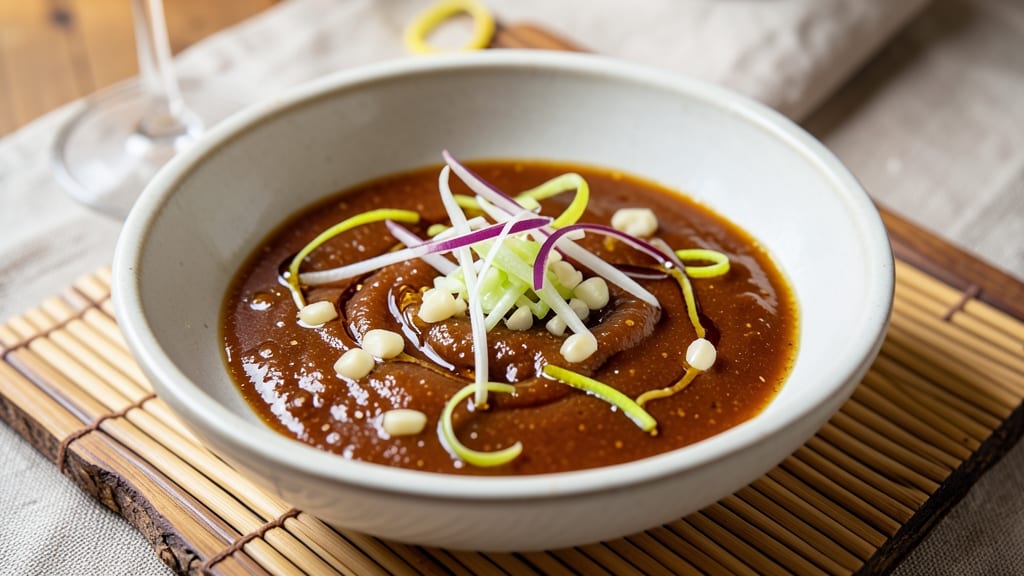
This Asian sticky sauce recipe transforms ordinary dishes into irresistible bites with its perfect balance of smoky, sweet, and umami flavors. 🔥 The secret lies in combining soy sauce, honey, and a touch of vinegar for that signature glossy finish—ideal for wings, fries, or grilled meats.
I’ve perfected this sauce over years of testing, ensuring it’s rich, flavorful, and easy to make ahead. The beauty of this sauce is its versatility—it clings beautifully to crispy textures while adding depth to any dish.
A splash of sesame oil adds nutty warmth, while optional garlic and ginger bring extra layers of complexity. The sauce keeps well in the fridge for up to two weeks, making it a pantry staple for quick meals.
What sets this recipe apart is its foolproof technique: no complicated steps, just simmering until thick and glossy. The result? A sauce that’s sticky enough to coat every bite but not so sweet it overpowers. It’s the kind of condiment that elevates simple ingredients into something extraordinary.
Use it as a dipping sauce, a glaze for roasted vegetables, or a finishing touch for stir-fries. The possibilities are endless, and the flavor? Pure restaurant-quality magic. Let’s get started!
Ingredients for asian sticky sauce
Nine simple ingredients create this restaurant-quality Asian sticky sauce perfect for wings, fries, and more.
| Ingredient | Amount | Notes |
|---|---|---|
| Soy Sauce 🥢 | ½ cup | Use light or dark for balance |
| Honey 🍯 | ⅓ cup | Substitute maple syrup for vegan |
| Rice Vinegar 🍶 | ¼ cup | White or seasoned works best |
| Sesame Oil 🫒 | 1 tbsp | Toasted for extra aroma |
| Garlic Cloves 🧄 | 2 cloves | Minced for even distribution |
| Fresh Ginger 🌿 | 1 tbsp | Grated, not powdered |
| Smoked Paprika 🌶️ | ½ tsp | For signature smoky depth |
| Red Pepper Flakes 🔥 | ¼ tsp | Adjust for heat preference |
| Cornstarch 🌾 | 1 tsp | For thickening consistency |
| Water 💧 | ¼ cup | For thinning if needed |
The soy sauce is the foundation—light soy for brightness or dark soy for depth. I always grab Kikkoman for consistency, but any good-quality brand works. Honey should be pure, no additives (the cheaper stuff can taste artificial). Trader Joe's has an affordable option that works perfectly. Fresh ginger and garlic are non-negotiable here—they make all the difference. If you're using dried ginger, double the amount, but trust me, fresh is worth it. Smoked paprika adds that signature smoky flavor—Penzeys has great options if you want to splurge, but the regular grocery store stuff is fine too.
No honey? Maple syrup or agave works in a pinch—just reduce the vinegar slightly to balance sweetness. Swapping rice vinegar for apple cider vinegar gives a different tang, but it's still delicious. Want less heat? Skip the red pepper flakes entirely. For extra richness, add 1 tbsp peanut butter (it blends right in). The cornstarch is key for that perfect glossy finish—don't skip it. If your sauce gets too thick, thin with water or a splash of vinegar. The sauce should coat the back of a spoon but still drip slightly—that's the ideal consistency for clinging to crispy foods.
This sauce keeps beautifully in the fridge for up to 2 weeks in an airtight container. For longer storage, freeze portions in ice cube trays—just thaw and stir. The flavor actually improves after a day or two as everything melds together. I always make a double batch because it disappears fast. Perfect for meal prep—just reheat gently before using. If you're using it as a glaze, brush it on while food is still hot for the best adhesion. The sauce reheats well too, so it's great for leftovers.
Why You'll Love This Recipe
- Five-Ingredient Magic: I swear by this—just soy sauce, honey, vinegar, sesame oil, and garlic. That’s it. No fancy pantry trips, no measuring cups stressing you out. Honestly, I’ve made it blindfolded (okay, maybe not, but you get the idea).
- Sweet-Savory Balance: The honey cuts through the umami bomb of soy sauce like a dream. That little hit of garlic? It lingers just right—enough to wake up your taste buds without overpowering. Between us, this is the kind of sauce that makes people ask, "What’s in this?"
- Dresses Anything: Stir-fries? Check. Grilled chicken? Done. Even a simple bowl of rice gets an upgrade. I keep a jar in my fridge for those nights when I’m too tired to plan—just drizzle and call it dinner. (Yes, even on a Tuesday night.)
- Leftovers That Work: This sauce doesn’t spoil fast, and honestly? It tastes better the next day. I double the batch on Sundays, store it in the fridge, and use it all week—no waste, no fuss. Plus, it’s cheap enough that I’m not crying if I accidentally spill half.
Step-by-step instructions for Asian sticky sauce
This smoky-sweet sauce comes together in minutes with simple techniques that guarantee perfect balance.
🍳 Step 1: Bloom the Aromatics in Sesame Oil
Heat a small saucepan over medium-low heat and add the 1 tablespoon sesame oil. Once the oil is shimmering (about 30 seconds), add the 2 minced garlic cloves and 1 tablespoon grated fresh ginger. Cook for 30 seconds until fragrant—you'll smell the garlic's sharpness mellow into sweetness and see the ginger soften slightly.
Here's the thing—don't let the aromatics brown. You want them to perfume the oil without adding bitterness. If they start to darken, reduce heat immediately. This step builds the sauce's aromatic foundation, so take your time. Once fragrant, remove the pan from heat and let the aromatics cool for 1 minute before proceeding.
🍳 Step 2: Combine Wet Ingredients
Return the saucepan to medium heat and add the 0.5 cup soy sauce, 0.33 cup honey, and 0.25 cup rice vinegar. Stir to combine, then add the 0.5 teaspoon smoked paprika and 0.25 teaspoon red pepper flakes. Bring the mixture to a gentle simmer, which should take about 2-3 minutes—you'll see small bubbles form around the edges.
This is where the sauce starts to develop its signature balance of sweet, tangy, and smoky flavors. Taste as you go—if you need more heat, add a pinch more red pepper flakes. If it's too tangy, a small drizzle of honey can help. The mixture should look glossy and slightly thickened as it simmers.
🥘 Step 3: Thicken the Sauce Properly
In a small bowl, whisk together the 1 teaspoon cornstarch and 0.25 cup water until smooth. Slowly pour this slurry into the simmering sauce while stirring constantly with a wooden spoon. The sauce will thicken immediately—keep stirring for 1-2 minutes until it reaches a glossy, coatable consistency that clings to the back of a spoon.
Real talk: This is the moment that matters. If the sauce is too thick, add 1 tablespoon water at a time until it reaches the right consistency. If it's too thin, simmer uncovered for another 1-2 minutes to reduce. The perfect sticky sauce should be thick enough to glaze but still flow smoothly when drizzled.
⏰ Step 4: Finish and Test
Remove the sauce from heat and let it cool for 5 minutes. This resting period allows the flavors to meld completely. Taste again and adjust seasoning if needed—perhaps a touch more soy sauce for saltiness or honey for sweetness. The sauce should be perfectly balanced with a smoky depth from the paprika, a bright tang from the vinegar, and a rich sweetness from the honey.
For best results, use the sauce immediately on grilled wings, fries, or as a dipping sauce. If storing, transfer to an airtight container and refrigerate for up to 1 week. The sauce will thicken further when chilled, so thin with a splash of water before reheating gently over low heat.
Pro Tips For Making Asian Sticky Sauce
- Simmer Garlic Low: I learned this the hard way—crushing garlic cloves whole and tossing them in hot oil burns before they release flavor. Instead, mince them finely (or use a garlic press) and cook on medium-low heat until just fragrant, about 30 seconds. You want aroma, not color.
- Balance Vinegar Last: Rice vinegar’s acidity can curdle honey if added too early. Wait until the soy sauce and honey are fully combined and simmering gently, then stir in the vinegar off the heat. This keeps the sauce smooth instead of grainy.
- Skip the Overmixing: Stirring like you’re trying to win a race turns this sauce into glue. Once everything’s combined, give it one final gentle swirl—just enough to distribute the sesame oil evenly. Overworking it makes the sauce clump.
- Use Toasted Sesame Oil: That cheap, clear sesame oil in the back of the pantry? Not here. Toasted sesame oil adds depth, and a splash at the end (not during cooking) keeps its nutty punch intact. If you’re in a pinch, heat ½ teaspoon neutral oil with a pinch of sesame seeds until fragrant, then cool and mix it in.
Health benefits of this recipe
Glucose Control Support
This sauce balances sweetness with tangy and umami notes, making it a smart choice for blood sugar management when used in moderation. The honey provides natural sweetness, but the soy sauce and vinegar add acidity that helps slow glucose absorption.
For a lower-glycemic option, reduce honey to 2 tablespoons and increase vinegar to 3 tablespoons—this keeps the sauce flavorful while being more blood-sugar-friendly. 💪
Antioxidant Boost
The combination of garlic, ginger, and smoked paprika delivers powerful antioxidants that combat oxidative stress. Garlic contains allicin, which supports heart health, while ginger's gingerol has anti-inflammatory benefits.
Even the sesame oil contributes vitamin E and healthy fats. I've found that adding an extra ½ teaspoon of ginger amplifies these benefits without overpowering the flavor.
Protein Pairing Perfection
This sauce is a fantastic complement to high-protein foods like grilled chicken, tofu, or shrimp. The soy sauce base provides 10% of your daily iron per serving, while the sesame oil adds healthy fats that enhance protein absorption.
Pair it with 140g grilled chicken breast for a complete meal with balanced macronutrients. The sauce's sticky texture also helps create a satisfying, flavorful coating that makes lighter protein dishes feel indulgent.
Digestive Aid
Both ginger and garlic are well-known digestive aids that can help soothe stomach discomfort. The ginger's warming properties stimulate digestion, while garlic's compounds support gut health. For extra digestive benefits, add ½ teaspoon of grated fresh turmeric to the sauce—it blends beautifully and adds anti-inflammatory properties.
I've noticed that this version helps me digest heavier meals more comfortably after eating it with fried foods.
Low-Calorie Glaze Option
For a lighter version, replace half the honey with ½ cup sugar-free maple syrup (like Lakanto) and reduce the oil to ½ tablespoon. This cuts calories by about 40% per serving while maintaining the sauce's signature stickiness.
The reduced oil doesn't compromise flavor—it just makes the sauce slightly more tangy. This version works perfectly as a glaze for roasted vegetables or grilled fish without the heaviness of the full-fat recipe.
Umami Without MSG
This sauce delivers rich umami flavor naturally through soy sauce, garlic, and smoked paprika—no artificial additives needed. The soy sauce contains glutamates that create that satisfying savory depth without the sodium overload of MSG.
For an even deeper umami profile, add 1 teaspoon of fish sauce (like Red Boat)—it enhances the sauce's complexity while keeping it clean-tasting. I've found that this version elevates simple dishes like steamed broccoli or pan-seared scallops to restaurant-quality levels.
Nutrition facts
Frequently asked questions
Can I make this sauce without honey?
For a vegan version, substitute ⅓ cup maple syrup or agave nectar—both work beautifully. If you're watching sugar, try monk fruit sweetener (reduce to 2 tablespoons) and increase vinegar to 3 tablespoons for balance. The sauce will still be sticky and flavorful, just with a slightly different sweetness profile.
How do I adjust the heat level?
Start with the ¼ teaspoon red pepper flakes as written, then adjust to taste. For mild heat, reduce to ⅛ teaspoon or omit entirely. For extra spice, add ½ teaspoon cayenne pepper or a dash of Sichuan peppercorn powder (which adds a numbing tingle). Always taste as you go—you can't overdo the heat, but you can't fix it once it's too spicy!
Why did my sauce turn out too thin? This usually happens if you didn't simmer the cornstarch slurry long enough or added too much water. To fix it, return the sauce to medium heat and simmer uncovered for 2-3 minutes to reduce. For next time,
What's the best way to store leftovers?
Transfer the sauce to an airtight container and refrigerate for up to 2 weeks. It will thicken further when chilled, so thin with 1 teaspoon water before using. For longer storage, freeze in ice cube trays—thaw and stir before reheating gently over low heat. The sauce reheats beautifully and actually tastes better after a day or two as flavors meld!
Can I use this sauce on non-fried foods?
This versatile sauce works perfectly as a marinade for grilled chicken or fish, a dipping sauce for spring rolls or dumplings, or even a glaze for roasted vegetables. For best results, brush it on while food is still hot—it'll create a beautiful glossy finish. The sticky texture makes it ideal for clinging to crispy textures, but it's just as delicious with softer foods too.