
Sauces & Condiments
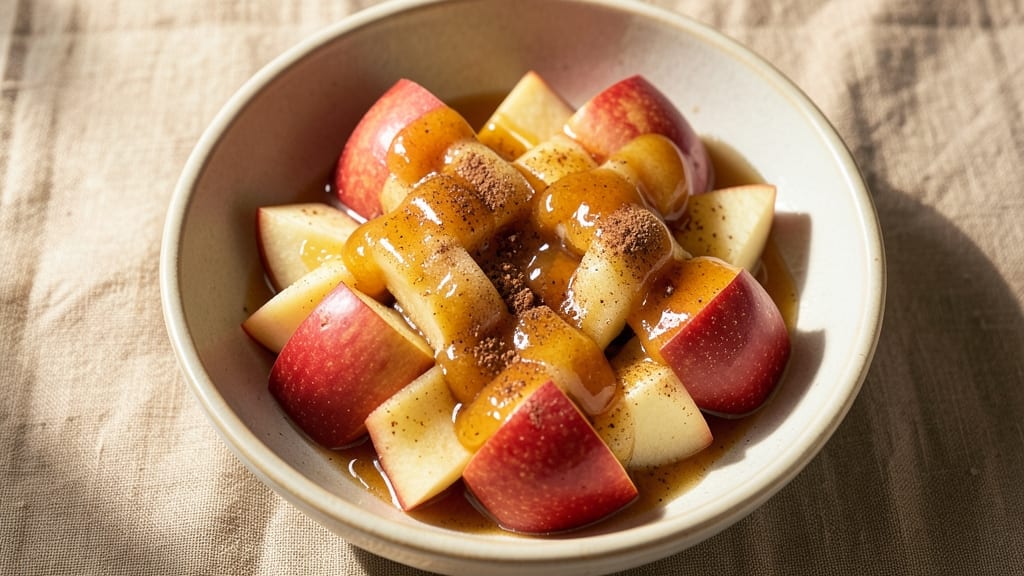
This apple sauce recipe for baking transforms simple apples into a versatile, spiced condiment perfect for pies, cobblers, and glazes. The secret lies in balancing sweetness with warm cinnamon and a touch of lemon, creating a smooth, aromatic sauce that elevates any baked good.
With just five ingredients and 30 minutes of active time, you’ll have a pantry staple that’s better than store-bought—and far more customizable.
The process is straightforward: peel, core, and simmer apples until tender, then mash or blend to your preferred texture. A splash of lemon juice brightens the flavor, while cinnamon adds depth that pairs beautifully with apples.
The sauce thickens naturally as it cooks, but you can adjust consistency with a cornstarch slurry if needed. This isn’t just filling for pies—it’s a game-changer for drizzling over oatmeal, swirling into yogurt, or using as a glaze for roasted meats.
What makes this recipe stand out is its adaptability. Use it fresh for immediate baking or store it in the fridge for up to a week, or freeze for months.
The spices can be adjusted to suit your taste—more cinnamon for warmth, a pinch of nutmeg for complexity, or even a dash of cardamom for an unexpected twist. Every batch delivers that homemade comfort that store-bought versions simply can’t match.
Once you master this technique, you’ll find yourself reaching for apples whenever you need a foolproof, flavorful addition to your baking repertoire. The possibilities are endless, from classic apple pies to unexpected uses like stuffing for chicken or a topping for pancakes.
Let’s get started—your kitchen (and your pastries) will thank you.
Ingredients for apple sauce recipe for baking
Five simple ingredients transform apples into a spiced sauce perfect for pies, cobblers, and beyond.
| Ingredient | Amount | Notes |
|---|---|---|
| Honeycrisp Apples 🍎 | 4 medium | Peeled, cored, cut into chunks |
| Granulated Sugar 🍚 | ½ cup | Adjust to taste for sweetness |
| Fresh Lemon Juice 🍋 | 2 tbsp | Brightens apple flavor |
| Ground Cinnamon 🌿 | 1 ½ tsp | Warmth essential for baking |
| Cornstarch 🌾 | 1 tsp | For thickening if needed |
| Water 💧 | ¼ cup | Adds moisture during cooking |
Honeycrisp apples are ideal—they stay firm during cooking and bring natural sweetness. Local orchards or grocery store bins usually have them in season, but Gala or Fuji work just as well. Look for apples that are firm but yield slightly when pressed; avoid any with bruises or soft spots. The peel contains valuable fiber and nutrients, but if you prefer a smoother texture, peel them before chopping. For a larger batch, Costco or Trader Joe's often sell apples in bulk at a better price, but a single bag from the store is plenty for this recipe.
No Honeycrisp? Any crisp apple variety will work—just expect slightly more variation in texture. Running short on sugar? Maple syrup or agave adds depth and works at a 1:1 ratio, though the flavor profile shifts slightly. Fresh lemon juice is best, but bottled works in a pinch if you've got it. The cinnamon is non-negotiable for that classic apple pie warmth, but you can boost it to 2 teaspoons if you love spice. For thickening, cornstarch is foolproof, but arrowroot powder works equally well. If you're not using the sauce immediately, skip the cornstarch and add it later when reheating.
This sauce keeps beautifully in the fridge for up to 1 week in an airtight container, though it actually tastes better after a day as flavors meld. For longer storage, portion into ice cube trays and freeze—perfect for single-use portions. The sauce thickens as it cools, so if it seems too stiff after refrigeration, warm gently and stir. I always make a double batch: one jar for immediate baking and another to freeze for future pies or oatmeal toppings. The spices can be adjusted to taste, so don't be afraid to experiment with nutmeg or cardamom for a gourmet twist.
Why You'll Love This Recipe
- No Peel, No Stress: I swear by Honeycrisp apples here—they’re sweet enough to skip the lemon juice if you’re in a rush, and their texture? Buttery after simmering. Just core, chop, and toss in the pot. That’s it.
- Sweet-Spiced Magic: The cinnamon and sugar combo is what makes this sauce sing, but here’s the secret: a splash of lemon juice brightens it up so it doesn’t taste like dessert. It’s warm, cozy, and just a little tangy—like autumn in a jar.
- Baking’s Secret Weapon: This sauce works in pies, muffins, or even as a glaze for roasted pork. I keep a jar in the fridge for last-minute Thanksgiving fillings or to dollop over oatmeal when I’m lazy. Versatile? Yes. Essential? Absolutely.
- Lasts All Week: A full batch makes enough for two pies and leftovers that taste just as good reheated. Cornstarch thickens it perfectly—no grainy texture, no weird aftertaste. Plus, it’s cheap to make; you’ll spend more on the apples than the rest of the ingredients combined.
Step-by-step instructions for homemade apple sauce
Here's how to transform sweet Honeycrisp apples into velvety, perfectly spiced sauce perfect for pies and pastries.
Prepare the Apples for Cooking
Start by peeling the 4 medium Honeycrisp Apples using a vegetable peeler or sharp paring knife. I like to work over a bowl to catch any apple peels for composting later. Core the apples completely, then cut them into even 1-inch chunks. The uniform size ensures even cooking throughout.
For best results, I recommend using a mandoline for cutting if you're comfortable with it—it gives you perfectly consistent pieces. Place the cut apples in a large bowl and toss them with the 2 tablespoons of fresh lemon juice. This prevents browning and adds that bright, tangy note that balances the sweetness in baked goods.
Combine Ingredients in the Cooking Pot
Transfer the prepared apples to a medium-sized saucepan with a tight-fitting lid. Add the 0.5 cup granulated sugar, 1.5 teaspoons ground cinnamon, and 1 teaspoon cornstarch. Stir gently to distribute the spices evenly without crushing the apple pieces. The cornstarch will help thicken the sauce as it cooks.
Pour in the 0.25 cup water and give everything another stir. You'll want to make sure all the apple pieces are moistened—this helps them break down more easily during cooking. I like to use a wooden spoon for this step because it won't scratch the pot like metal utensils might.
Simmer Until Apples Are Tender
Place the saucepan over medium-high heat and bring the mixture to a gentle boil. Once boiling, reduce the heat to medium-low and let it simmer uncovered for 15-20 minutes. You're looking for the apples to soften completely—when a knife slides in easily and the sauce starts to thicken naturally.
I check for doneness by pressing an apple piece with a fork. It should mash easily but still hold some shape. The sauce should coat the back of a spoon and have a glossy appearance. If it's not thick enough after 20 minutes, you can add a little more cornstarch mixed with water to adjust the consistency.
Finish and Adjust the Sauce
Once the apples are tender, remove the pan from heat and let it cool for 5 minutes. This resting period allows the flavors to meld together. Use an immersion blender to puree the sauce until smooth, or transfer it to a food processor for a completely silky texture.
Taste the sauce and adjust the sweetness if needed. If it's too tart, add a little more sugar (about 1 teaspoon at a time). For extra warmth, you can add a pinch more cinnamon. The sauce should be thick enough to hold its shape on a spoon but still spreadable—perfect for filling pies or spreading on pastries.
Store or Use Immediately
For immediate use, transfer the warm apple sauce to a serving bowl. It's best used within 2-3 days for optimal texture. If storing, let it cool completely, then transfer to airtight containers. The sauce will keep in the refrigerator for up to 1 week or can be frozen for up to 6 months.
I like to add a sprinkle of extra cinnamon on top before serving or using in recipes. This homemade version tastes so much better than store-bought—richer, more complex, and perfectly balanced between sweet and tart. The natural pectin in the apples helps create that ideal consistency without needing too much thickener.
Pro Tips For Making Apple Sauce Recipe For Baking
- PEEL AND CORE UNIFORMLY: Honeycrisp apples have thick skin and a tough core—don’t rush this step. Use a sharp paring knife to peel in long strips (not jagged chunks) and cut out the core in one clean slice. Uneven pieces take longer to cook and leave weird textures in your sauce.
- START WITH HIGH HEAT: The first 5 minutes in the pot should be aggressive—no simmering yet. High heat breaks down the apples faster and prevents that watery, mushy consistency. Once it’s bubbling, you can lower the heat to medium-low and let it thicken properly.
- MEASURE CORNSTARCH DRY: That 1 tablespoon of cornstarch is your thickener—don’t eyeball it. Spoon it directly into the dry measuring cup, level it off, and tap it gently on the counter. Packed cornstarch means clumpy sauce, and nobody wants that.
- ADD LEMON JUICE LAST: The acid brightens the flavor, but if you add it too early, the apples turn grayish and dull. Wait until the sauce is thickened and off the heat, then stir in the juice. It’ll keep the color vibrant and cut through the sweetness just right.
Wine and beer pairings for these flavors
Sweet White Wine
For this apple sauce, I always reach for a crisp dry Riesling from Germany or a Sauvignon Blanc from New Zealand. The bright acidity and subtle fruit notes in these wines complement the warm cinnamon and sweet apple flavors beautifully.
A chilled glass of Dr. Loosen Blue Slate Riesling (around $15-$20) pairs perfectly with apple pie or cobblers made with this sauce. The wine’s slight tartness cuts through the richness, making every bite feel refreshing. 🍷
Spiced Red Wine
If you prefer red wine, go for something light and fruity like a Pinot Noir or a Gamay. The Louis Jadot Bourgogne Pinot Noir (about $25) has enough acidity to stand up to the cinnamon and sugar in the sauce.
For a more affordable option, try a Beaujolais like Château de Pizay—its berry notes harmonize wonderfully with the apple’s natural sweetness. Serve it slightly cooler than room temperature (55-60°F) to enhance its crispness.
Apple Cider Beer
For beer lovers, a hard cider or apple cider-infused beer is a match made in heaven. I love Angry Orchard Crisp Apple or Strongbow Original—the apple flavors in these drinks mirror the sauce’s profile.
If you prefer beer, try a Belgian witbier like Hoegaarden or a German Hefeweizen—the citrusy notes and light effervescence cleanse your palate between bites of spiced apple goodness. Serve both at 45-50°F for the best experience. 🍺
Coffee or Tea Pairings
Don’t overlook coffee or tea as pairings! A dark roast coffee with notes of caramel (like Peet’s Major Dickason’s Blend) enhances the sauce’s sweetness, while a spiced chai tea (with cinnamon and cardamom) mirrors the flavors perfectly.
For something lighter, try an Earl Grey tea—the bergamot adds a citrusy contrast that’s surprisingly delightful. These pairings work especially well when serving the sauce as a topping for oatmeal or yogurt.
Seasonal Variations
In fall, lean toward dry Riesling or hard cider to complement the harvest flavors. For summer, switch to a crisp Sauvignon Blanc or pale ale—the brighter acidity balances the sauce’s sweetness without overwhelming it.
Experiment with sparkling wine (like Prosecco) for a festive touch when serving the sauce as a glaze for roasted meats or as a dessert dip. The bubbles add a fun contrast to the smooth, spiced apple texture. ✨
Nutrition facts
Frequently asked questions about homemade apple sauce for baking
Can I use any type of apple for this sauce?
Honeycrisp, Gala, and Fuji apples work best—they stay firm during cooking and have balanced sweetness. Tart varieties like Granny Smith need extra sugar (1-2 extra tablespoons), while overly soft apples (like Red Delicious) may break down too much. For a chunkier texture, use a mix of tart and sweet apples.
How do I adjust the thickness of the sauce?
If the sauce is too thin after cooking, mix 1 teaspoon cornstarch with 1 tablespoon water and stir in while simmering. For a thicker result, cook uncovered for 5-10 extra minutes to evaporate moisture. If it's too thick, thin with 1 tablespoon apple cider or water while warm.
Can I make this sauce without added sugar?
Yes! Use 1-2 extra apples (about 2 cups chopped) and reduce sugar to 2-3 tablespoons. Sweeter apples like Honeycrisp or Braeburn work best. For depth, add 1 teaspoon maple syrup or 1/2 teaspoon vanilla extract to compensate for the missing sweetness.
What are the best ways to use leftover apple sauce?
Beyond baking, try it as a natural sweetener in smoothies, a glaze for roasted pork, or a topping for pancakes. Mix with Greek yogurt for a breakfast dip, or freeze in ice cube trays for single-use portions. The spiced version also makes a great filling for crepes or a sauce for chicken dishes.
Why did my sauce turn out watery?
This usually happens if you didn't simmer long enough or used too much water. Next time, cook uncovered for 20-25 minutes to reduce liquid, or add 1/2 teaspoon cornstarch per cup of sauce. For immediate fixes, simmer the watery sauce for 5 more minutes or blend in 1 tablespoon chia seeds to thicken naturally.