
Sauces & Condiments
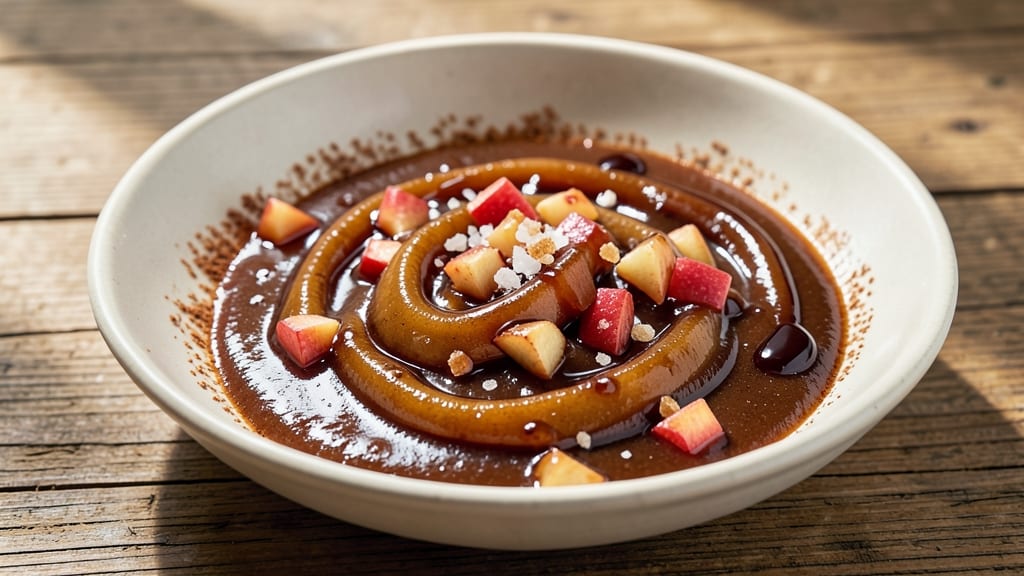
This apple cinnamon barbecue sauce recipe transforms your grill into a fall feast with every brush. 🍎 The perfect balance of smoky depth, sweet apple tang, and a whisper of cayenne creates a glaze that caramelizes beautifully on ribs, chicken, or even roasted vegetables. I developed this sauce after years of perfecting the art of balancing sweet and heat—something I learned from my grandfather's old-school pitmaster techniques. The magic happens in the slow simmer, where apple cider and molasses meld with spices to create a rich, velvety sauce that's versatile enough for grilling, glazing, or dipping. What sets this apart is the hidden cayenne kick that lingers just beneath the surface, giving it that signature "smoky-sweet with a bite" profile that keeps people coming back for seconds. By the time you're done, you'll have a batch of sauce that's perfect for glazing ribs, basting chicken, or serving as a tangy dipping sauce for fries. The aroma alone will have your kitchen smelling like a fall festival, and the flavor? Well, let's just say it's the kind of sauce that makes people ask for the recipe every time. Store it in the fridge for up to two weeks, or freeze for longer shelf life. Here's everything you need to make it!
Ingredients for apple cinnamon barbecue sauce
These pantry staples and a few specialty finds create the perfect fall sauce for grilling or glazing.
| Ingredient | Amount | Notes |
|---|---|---|
| Apple Cider 🍎 | 2 cups | Freshly pressed preferred |
| Molasses 🍯 | ½ cup | Unsulphured for best flavor |
| Tomato Paste 🍅 | ½ cup | Smooth texture preferred |
| Apple Cider Vinegar 🍋 | ¼ cup | For tangy balance |
| Brown Sugar 🍚 | ½ cup | Light or dark variety |
| Cinnamon 🌿 | 2 tsp | Ground, not stick |
| Ground Ginger 🌶️ | 1 tsp | Freshly ground preferred |
| Smoked Paprika 🌶️ | 1 tsp | For smoky depth |
| Cayenne Pepper 🔥 | ½ tsp | Adjust for heat preference |
| Salt 🧂 | 1 tsp | Kosher or sea salt |
| Black Pepper 🌶️ | ½ tsp | Freshly ground preferred |
| Water 💧 | ½ cup | For thinning if needed |
The apple cider is the heart of this sauce—Bragg or local orchard brands have the best flavor. For molasses, unsulphured is key—it's sweeter and less bitter. Tomato paste can be the canned kind, but Trader Joe's squeeze tubes are a game-changer (no waste, lasts forever). I always grab extra cinnamon since it's the star spice here—Penzeys or bulk bins have the freshest. The smoked paprika gives that smoky depth, and Albertsons or Whole Foods carry good quality brands.
No apple cider vinegar? White vinegar or lemon juice works in a pinch, but it won't be quite the same. Short on molasses? Maple syrup at half the amount gets you close. Want less heat? Skip the cayenne or use red pepper flakes at one-third the amount. The sauce thickens as it cools, so if it's too thick while simmering, add a splash of water or apple cider. Fresh ginger? Grate it and use one teaspoon of fresh for every half teaspoon of ground. Brown sugar substitutes? Coconut sugar or white sugar work, but molasses and brown sugar are the real MVPs here.
This sauce keeps beautifully—2 weeks in the fridge and 6 months in the freezer. I always double the batch because it disappears fast. Store it in a glass jar with a tight lid. The flavor actually improves after a day or two as everything melds together. Perfect for glazing ribs, basting chicken, or even drizzling over roasted veggies. Freeze in ice cube trays for single-use portions—just thaw and reheat.
Why You'll Love This Recipe
- Pantry Magic: I swear by this sauce because it uses stuff I already have—no fancy shopping trips. Just open the apple cider, dump in the molasses and brown sugar, and let the vinegar cut through the sweetness like a dream.
- Sweet-Spicy Balance: That first tangy bite? Pure magic. The molasses adds depth, the apple cider keeps it bright, and the tomato paste gives it that rich, smoky backbone—like a hug in sauce form.
- Weeknight Wonder: Slather it on grilled chicken for a Tuesday dinner, toss it with roasted veggies for a crowd, or even drizzle it over baked beans. It’s the one sauce that works everywhere without trying too hard.
- Lasts All Week: Make a double batch—it keeps for ages in the fridge. I’ve used the same jar for sandwiches, slow-cooker ribs, and even as a glaze for roasted carrots. Less waste, more flavor, zero guilt.
Step-by-step instructions for apple cinnamon barbecue sauce
Here's how to blend sweet, smoky, and spicy flavors into the perfect glaze.
🍳 Step 1: Combine Wet Ingredients in a Saucepan
In a medium saucepan, combine the 2 cups apple cider, 0.5 cup molasses, 0.5 cup tomato paste, and 0.25 cup apple cider vinegar. Stir well to fully incorporate the tomato paste—it should dissolve completely into the liquid. I like to use a wooden spoon for this because it helps scrape up any stubborn bits from the bottom of the pan.
Place the saucepan over medium-high heat and bring the mixture to a gentle boil. You'll see small bubbles forming around the edges—this is your signal that the liquid is heating through. Let it boil vigorously for 5 minutes to cook off any raw flavors from the apple cider and develop a deeper base flavor. The mixture will reduce slightly, but don't worry about that yet.
🍳 Step 2: Add Sweetness and Spices
After the initial boiling, reduce the heat to medium-low and stir in the 0.5 cup brown sugar, 2 teaspoons cinnamon, 1 teaspoon ground ginger, 1 teaspoon smoked paprika, 0.5 teaspoon cayenne pepper, 1 teaspoon salt, and 0.5 teaspoon black pepper. Give it a thorough stir to ensure all the spices are evenly distributed throughout the sauce.
Here's where the magic happens: let the sauce simmer uncovered for 15-20 minutes. You're looking for it to thicken noticeably and develop a rich, aromatic smell. The sauce should coat the back of a spoon and have a glossy sheen—this indicates it's reaching the perfect consistency. If it starts to stick to the pan, add 1-2 tablespoons of water to keep it moving smoothly.
⏰ Step 3: Simmer to Perfect Thickness
Continue simmering for another 10-15 minutes, stirring occasionally. This final reduction is crucial—it intensifies the flavors and achieves that perfect barbecue sauce consistency. You'll notice the sauce darkening slightly as the sugars caramelize, which adds depth to the flavor profile.
To test for doneness, take a spoonful and let it cool slightly. Run your finger through it—if it leaves a clean line without dripping, your sauce is ready. If it's still too thin, simmer uncovered for another 5 minutes. If it's too thick, you can thin it with the 0.5 cup water reserved for this purpose, adding it 1 tablespoon at a time until you reach your desired consistency.
🥘 Step 4: Cool and Store for Maximum Flavor
Once you've achieved the perfect consistency, remove the saucepan from heat and let the sauce cool for 10 minutes. This resting period allows the flavors to meld together completely. I always taste it at this stage—you might want to adjust the seasoning slightly. If it needs more sweetness, add a pinch of brown sugar. If it needs more tang, a splash of apple cider vinegar works wonders.
Transfer the finished sauce to a clean glass jar or airtight container. Let it cool completely before sealing. This sauce keeps beautifully in the refrigerator for up to 2 weeks, or you can freeze it for up to 3 months. The flavors actually improve with time as they continue to develop. Use it to glaze meats, drizzle over roasted vegetables, or serve as a dipping sauce for fries and wings.
Pro Tips For Making Apple Cinnamon Barbecue Sauce
- Simmer Slowly, Not Fast: This sauce isn’t a race—boil it hard, and you’ll end up with a thin, vinegary mess. After combining your apple cider, molasses, and tomato paste, reduce the heat to medium-low and let it bubble gently. I learned this the hard way after rushing a batch and ending up with something that tasted more like apple cider vinegar than sauce.
- Strain the Molasses: Cheap molasses is often gritty, and nothing ruins a smooth sauce faster than tiny sand-like particles. Before adding it to the pot, pour the molasses through a fine-mesh strainer into a measuring cup—yes, even if the label says "pure." Trust me, your teeth (and your sauce) will thank you.
- Balance the Vinegar: Apple cider vinegar is the flavor anchor here, but too much turns your sauce into a sour punch. After adding it, taste and adjust—if it’s too sharp, a pinch of brown sugar (even just ½ teaspoon) will mellow it out. I used to eyeball it and always overdid it.
- Toast the Tomato Paste: Skip this step, and your sauce will taste flat. In a dry pot over medium heat, cook the tomato paste for 2–3 minutes until it darkens slightly and smells caramelized. This deepens the flavor without adding extra sugar—my grandmother swore by this, and she was right.
Pro cooking tips for great apple cinnamon barbecue sauce
Heat Control Secrets
Start with medium-high heat to bring your sauce to a boil quickly—this ensures the apple cider and vinegar cook off their raw flavors. Once boiling, immediately reduce to medium-low heat to prevent scorching.
I’ve learned the hard way that rushing this step can burn the molasses and turn your sauce bitter. Keep the heat steady and let the sauce work its magic over time. 🔥
Thickness Mastery
The perfect barbecue sauce should coat the back of a spoon without being gluey. Simmer uncovered for 25-35 minutes total, stirring occasionally to prevent sticking. If it thickens too fast, add 1-2 tablespoons of water—but don’t overdo it, or you’ll dilute the rich flavors.
I test doneness by letting a spoonful cool slightly and running my finger through it; if it leaves a clean line, it’s ready.
Spice Balance
The cayenne gives this sauce its signature kick, but it’s easy to overdo it. Start with ½ teaspoon and taste as you go—you can always add more, but you can’t take it out.
For a smoother heat, mix the cayenne with a pinch of cinnamon before adding it to the sauce. The smoked paprika adds depth without overpowering, so don’t skimp on that either. Trust your taste buds; they’re your best tool here.
Caramelization Trick
Let the sauce simmer until it darkens slightly—this is the Maillard reaction at work, creating deep, complex flavors. If you’re impatient, you might rush it, but patience pays off.
The longer you simmer, the richer the sauce becomes. I’ve found that 10-15 minutes of final reduction is ideal for achieving that perfect balance of sweet, smoky, and tangy.
Equipment Matters
A heavy-bottomed saucepan is a game-changer—it prevents scorching and ensures even heat distribution. I use a stainless steel or enameled cast iron pan because they’re durable and easy to clean.
Avoid nonstick pans for this recipe; they can’t handle the high heat and may release harmful fumes when the sugar caramelizes. A wooden spoon helps scrape up any stuck bits, ensuring a smooth, consistent sauce every time.
Nutrition facts
Frequently asked questions
Can I substitute apple cider for apple juice in this recipe?
Apple juice works, but it won't have the same depth of flavor. Apple cider contains the pomace (fruit particles) that add natural sweetness and tang during simmering. If using juice, reduce the brown sugar by 1-2 tablespoons and add 1 teaspoon of lemon juice to compensate for the missing acidity.
How do I adjust the spice level for kids or sensitive palates?
For milder heat, reduce the cayenne to ¼ teaspoon or omit it entirely. You can also blend the cayenne with ½ teaspoon of cinnamon before adding to distribute the heat more evenly. The smoked paprika and ginger provide plenty of flavor without the burn.
Can I make this sauce in an Instant Pot or slow cooker?
Yes! For an Instant Pot, combine all ingredients and cook on High Pressure for 5 minutes, then natural release. For a slow cooker, simmer on Low for 3-4 hours, stirring occasionally. The texture will be slightly thinner, so reduce by 10-15 minutes uncovered on the stove afterward to achieve the right consistency.
What's the best way to use leftover sauce?
This versatile sauce works on everything from grilled pork chops to baked sweet potatoes. For extra flavor, simmer leftovers with 1 tablespoon of butter for 5 minutes before using. It also makes an amazing dipping sauce for fried chicken or a glaze for roasted Brussels sprouts.
Why did my sauce turn out too thin?
Sauces thicken as they cool, so don't rush the simmering process. If it's still too thin after simmering 30 minutes, mix 1 tablespoon of cornstarch with 2 tablespoons of cold water, stir into the sauce, and simmer 2-3 minutes more. Avoid adding too much water - this will dilute the rich flavors.