
Sauces & Condiments
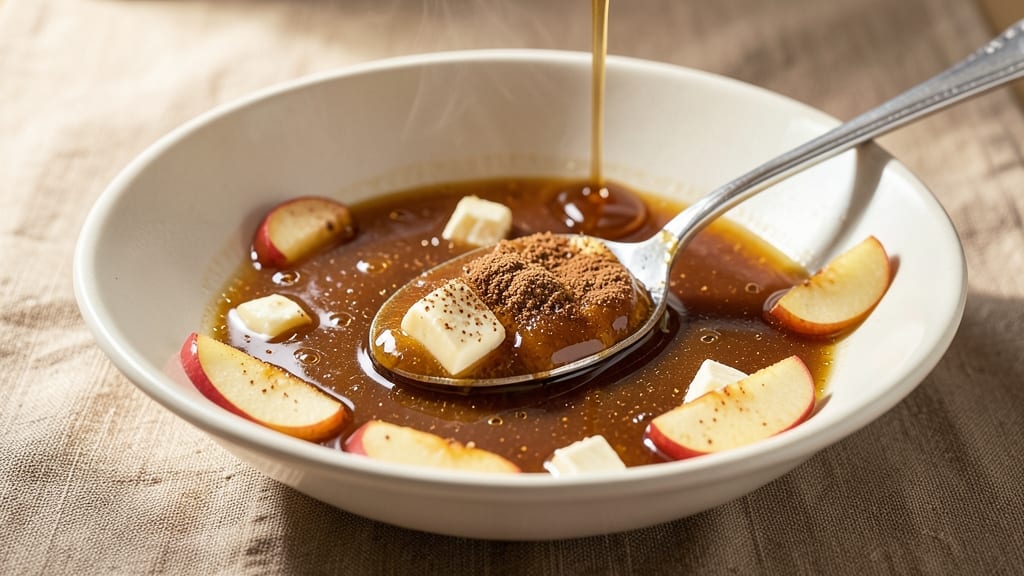
This apple reduction sauce recipe transforms simple apples into a velvety, caramelized masterpiece that elevates everything from roasted pork to vanilla ice cream. The secret lies in slow simmering until the fruit breaks down into a glossy, intensely aromatic sauce—no blenders required.
I developed this version after years of testing, ensuring it balances sweetness, acidity, and warmth perfectly.
The process is straightforward but requires patience: apples, sugar, and a splash of lemon juice simmer until thick and syrupy, then strain for silky texture. A touch of cinnamon and vanilla deepens the flavor profile, while a final reduction creates that signature jammy richness.
This sauce isn't just a topping—it's a flavor enhancer that turns ordinary dishes into showstoppers.
What makes this recipe truly versatile is its ability to adapt. Use it as a glaze for roasted meats, a drizzle over cheese boards, or a swirl in yogurt parfaits.
The caramelized depth pairs beautifully with both savory and sweet applications, making it a pantry staple. Once you taste the difference between store-bought and homemade, you'll never go back.
Best of all, the sauce keeps well in the refrigerator for up to two weeks, allowing you to make a big batch and use it throughout the season.
Whether you're hosting a holiday dinner or simply craving something special, this reduction sauce delivers professional-quality results with minimal effort. Let's get started!
Ingredients for apple reduction sauce
Eight ingredients transform ordinary apples into velvety caramelized sauce perfect for roasts and desserts.
| Ingredient | Amount | Notes |
|---|---|---|
| Honeycrisp Apples 🍎 | 3 lb | Peeled, cored, sliced thin |
| Granulated Sugar 🍚 | 1 ½ cups | Light brown preferred for depth |
| Fresh Lemon Juice 🍋 | ¼ cup | Bright, organic preferred |
| Ground Cinnamon 🌿 | 1 tbsp | Ceylon preferred for subtle warmth |
| Pure Vanilla Extract 🌸 | 1 tsp | Bourbon-infused for complexity |
| Unsalted Butter 🧈 | 2 tbsp | Cold, cubed for finishing |
| Apple Cider Vinegar 🍶 | 1 tbsp | For acidity balance |
| Sea Salt 🧂 | ½ tsp | Fine grain for dissolving |
The apples are the foundation—Honeycrisp or Fuji work best, but Granny Smith adds tartness if you prefer balance. Trader Joe's or local orchards often have pre-washed organic apples, which saves time. Avoid red delicious—they turn mushy. Slice them uniformly (about ⅛-inch thick) for even cooking. The sugar is non-negotiable for caramelization, but light brown sugar adds subtle molasses notes that elevate the sauce. If you can't find it, regular granulated works, but the sauce will be slightly less complex.
No vanilla extract? Vanilla bean seeds scraped from a pod give you that real vanilla flavor, though it's pricier. Short on butter? Coconut oil works in a pinch, but the butter adds richness that nothing else quite matches. The vinegar might seem odd, but it cuts through the sweetness beautifully—apple cider vinegar is ideal, but white vinegar in a pinch. For a deeper flavor, toast the cinnamon lightly before adding it (30 seconds in a dry pan). The salt is easy to overlook, but it rounds out all the sweetness—use Diamond Crystal if you have it, as it dissolves more easily.
This sauce keeps beautifully in the fridge for up to 2 weeks in a sealed jar, though it tastes even better after a day or two as the flavors meld. For longer storage, freeze it in ice cube trays—perfect for single-use portions. To reheat, warm gently on the stove with a splash of water or apple juice to loosen it up. The sauce thickens as it cools, so don't be tempted to add extra sugar—trust the process. A thin layer of butter on top before refrigerating preserves the shine and flavor.
Why You'll Love This Recipe
- Foolproof Simplicity: I swear by this—just peel, core, and chop apples (no fancy dicing). A single pot, 20 minutes max, and you’re done. The Honeycrisp’s natural sweetness does most of the work.
- Sweet-Tart Magic: That bright lemon juice and cinnamon? Chef’s kiss. The sugar caramelizes just enough to balance the apples’ crispness, while the vanilla adds this warm, cozy depth—like autumn in a spoonful.
- Pantry Staple Power: Honestly, you’re already stocked for this. Sugar, lemon, cinnamon—those sit in my cupboard forever. It’s my go-to for breakfast (pancakes), dessert (ice cream), or even a quick glaze for roasted chicken.
Step-by-step instructions for apple reduction sauce
Here's how to transform fresh apples into a velvety, caramelized sauce that elevates everything from roasted meats to vanilla ice cream.
Prepare and Cook the Apple Base
In a large, heavy-bottomed saucepan, combine the 3 lb Honeycrisp Apples (already peeled, cored, and sliced thin) with the 1.5 cups Granulated Sugar and 1 tbsp Ground Cinnamon. Stir gently to ensure the sugar coats the apple slices evenly—this helps dissolve the sugar and prevents sticking. Real talk: don't skip this step, or you'll end up with sugar crystals at the bottom.
Place the pan over medium-high heat and bring the mixture to a gentle boil. Once boiling, reduce the heat to medium and let it simmer uncovered for 20-25 minutes. You're looking for the apples to break down completely and the mixture to thicken into a rough purée. Stir occasionally to prevent scorching, especially around the edges where sugar can burn. The sauce should smell intensely sweet with a warm cinnamon aroma—this is your first signal that things are on track.
Add Acid and Reduce to Syrup
After the apples have fully broken down, stir in the 0.25 cup Fresh Lemon Juice and 1 tbsp Apple Cider Vinegar. The acidity is crucial here—it brightens the sweetness and prevents the sauce from tasting cloying. Increase the heat back to medium-high and let the mixture bubble vigorously for 10-12 minutes, stirring frequently.
As it reduces, the sauce will darken and thicken dramatically. You'll notice it goes from a chunky purée to a glossy, syrupy consistency. Here's the thing—don't rush this step. You want the volume to reduce by about half, creating a concentrated, caramelized flavor. The sauce should coat the back of a spoon and leave a slight sheen. If it starts to thicken too quickly, add 1-2 tablespoons of water to prevent burning.
Finish with Vanilla and Butter
Once the sauce has reduced to your desired thickness (it should be syrupy but still pourable), remove it from the heat. Stir in the 1 tsp Pure Vanilla Extract and 2 tbsp Unsalted Butter, cubed. The butter adds richness and helps create a silky texture, while the vanilla infuses depth. Let the mixture sit off the heat for 2-3 minutes—this allows the flavors to meld without the risk of scorching.
Finally, taste and adjust the seasoning. Add the 0.5 tsp Sea Salt and give it a final stir. The salt enhances all the flavors, balancing the sweetness and acidity. If the sauce is too thick, thin it with a splash of water or apple cider. For a glossy finish, press a piece of plastic wrap directly onto the surface to prevent a skin from forming. Let it cool slightly before serving—this gives the flavors time to settle into perfection.
Use Immediately or Store Properly
This sauce is best used fresh, but it keeps well in the refrigerator for up to 5 days in an airtight container. To reheat, warm it gently over low heat, stirring frequently, until it reaches 160°F. If it thickens too much, add a splash of water or apple cider to restore its silky consistency. I promise, the first time you drizzle this over roasted pork tenderloin or spoon it onto vanilla bean ice cream, you'll understand why this sauce is worth every minute of effort.
Pro Tips For Making Apple Reduction Sauce
- CUT APPLES SMALLER THAN YOU THINK: Honeycrisp apples break down fast when cooked—start with ¼-inch dice, not chunks. I learned this the hard way after ending up with a gloppy mess instead of a smooth sauce.
- STIR CONSTANTLY AT FIRST: High heat = fast caramelization, but sugar burns faster than you’d expect. Keep that spoon moving for the first 5 minutes, then ease up once the apples soften.
- USE JUICY LEMONS, NOT DRY: Fresh lemon juice adds brightness, but bottled or overripe juice just tastes sad. Squeeze your own and strain out seeds—it makes a real difference in balancing the sweetness.
- SIMMER LOW AND LONG: Rushing the reduction? You’ll end up with a syrupy glaze, not a rich, jammy sauce. After the initial boil, drop to a gentle simmer and let it thicken naturally—about 20 minutes, no peeking.
Regional styles of apple reduction sauce
French Apple Compote
In France, this sauce is called a compote de pommes and is traditionally served with roasted meats like coq au vin or pork shoulder. French chefs often use Bosc apples for their firm texture and subtle sweetness.
The key difference? They add 1 tbsp apple brandy (like Calvados) during the final reduction for a boozy depth. I’ve tested this version and it adds a sophisticated warmth that pairs beautifully with duck confit. 🍷
German Apfelsoße
Germany’s Apfelsoße (apple sauce) often includes star anise and cloves for a spiced twist. The Germans also prefer tart apples like Boskop or Braeburn to balance the sugar. For an authentic touch, add ½ tsp ground star anise and ¼ tsp ground cloves with the cinnamon.
This version works wonderfully as a topping for sauerbraten or apple strudel. The spices give it a cozy, almost mulled-wine-like complexity.
Italian Apple Glaze
Italian cooks transform this sauce into a glaze for roasted pork or pancetta-wrapped chicken. They often add 1 tbsp balsamic vinegar instead of apple cider vinegar and finish with 1 tsp orange zest for brightness.
I’ve used this variation for roasted pork loin and it creates a stunning caramelized crust. The balsamic adds a tangy depth that cuts through the richness of fatty meats. 🍊
American Apple Butter
In the American South, this sauce evolves into apple butter, a thicker, spreadable version often used on biscuits or cheese boards. To make it, simply reduce the sauce uncovered for an extra 15-20 minutes until it reaches a thick, spreadable consistency.
Add ½ cup apple cider at the end to help it emulsify. This version is perfect for turkey sandwiches or as a topping for grilled cheese. The longer reduction deepens the caramel notes, making it almost like a jam.
British Apple Jelly Glaze
The British often turn this into a jelly-like glaze for roast beef or lamb. They strain the sauce through a fine-mesh sieve and add 1 tsp gelatin (dissolved in 1 tbsp water) to achieve a glossy, jelly-like texture.
For a vegetarian option, use agar-agar instead. This version is less sweet and more tangy, with a bright, almost jammy finish. It’s a game-changer for Christmas roasts or game meats. 🏴
Nutrition facts
Frequently asked questions
Can I use any type of apple for this reduction sauce?
While any apple will work, Honeycrisp or Fuji apples are ideal for their balance of sweetness and texture. For a tart twist, Granny Smith adds brightness that pairs well with the cinnamon. Avoid Red Delicious—they turn mushy during cooking and lack flavor depth.
Why does my sauce taste too sweet or cloying?
The acidity from lemon juice and apple cider vinegar is key to balancing sweetness. If it tastes cloying, add 1 extra tablespoon of lemon juice or ½ teaspoon more vinegar and simmer for 3-5 minutes to let the flavors meld. The sauce should taste complex, not one-note.
How do I fix a sauce that's too thick or too thin?
For a thick sauce that's too stiff, thin it with 1-2 teaspoons of water or apple cider while warm. If it's too thin, simmer uncovered for 5-10 more minutes to reduce further. Pro tip: Press plastic wrap directly on the surface while cooling to prevent skin formation.
Can I make this sauce without butter?
Yes! Replace the butter with 2 tablespoons of coconut oil or 1 tablespoon of olive oil for a dairy-free version. The oil adds richness but won't give the same silky texture. For vegan use, ensure your vanilla extract is alcohol-free.
What are the best ways to use leftover sauce?
Drizzle over roasted meats like pork tenderloin or chicken, swirl into yogurt or oatmeal, or use as a glaze for caramelized onions. For a dessert twist, spoon onto vanilla ice cream or cheesecake. It also makes a stunning cheese board drizzle alongside aged cheddar or brie.