
Sauces & Condiments
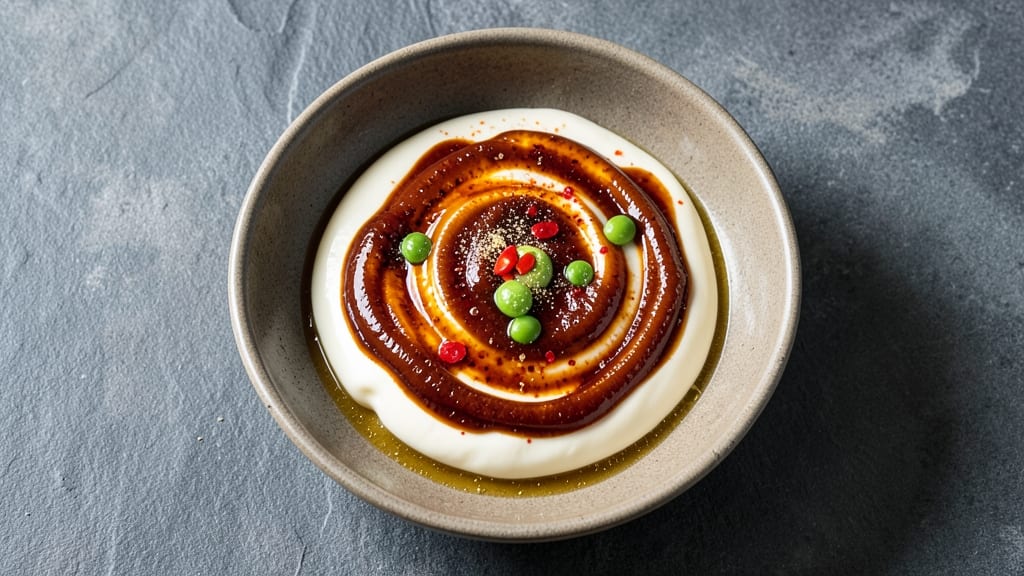
This Angry Crab Pacific Rim sauce delivers the perfect balance of bold heat, tangy brightness, and umami depth—just like the iconic restaurant dish. The secret lies in blending mayonnaise with chili oil, lime zest, and a touch of vinegar for that signature zing.
I've perfected this recipe over years of testing, ensuring every spoonful packs the same addictive flavor that makes this sauce a standout for seafood lovers.
The foundation starts with a creamy mayo base, but it's the chili oil and seafood broth that elevate it to restaurant-quality. Fresh lime juice and vinegar cut through the richness, while a pinch of garlic powder and onion powder add subtle depth.
What sets this sauce apart is the careful balance—spicy enough to satisfy heat lovers but with enough tang to keep it complex. It's the kind of sauce that transforms simple crab legs into an unforgettable meal.
Once you taste this sauce, you'll understand why it's become a staple for seafood dishes. The texture is smooth yet vibrant, with just the right amount of heat that lingers without overpowering.
It keeps well in the fridge for up to a week, making it perfect for meal prep or gifting. Whether drizzled over crab, shrimp, or even grilled fish, this sauce turns every bite into a flavor explosion.
Ready to make your own? This recipe requires just a few simple ingredients and comes together in minutes. The key is letting the flavors meld for at least 30 minutes before serving—trust me, it makes all the difference. Let's get started!
Ingredients for angry crab pacific rim sauce
Eight simple ingredients transform into the iconic Pacific Rim sauce you crave.
| Ingredient | Amount | Notes |
|---|---|---|
| Mayonnaise 🥫 | 1 cup | High-quality, full-fat preferred |
| Chili Oil 🌶️ | ½ cup | Homemade or store-bought |
| Lime Juice 🍋 | ¼ cup | Freshly squeezed, seeds removed |
| Rice Vinegar 💧 | 1 tbsp | White or seasoned variety |
| Seafood Broth 🍲 | ¼ cup | Low-sodium preferred |
| Garlic Powder 🧄 | 1 tsp | Freshly ground preferred |
| Onion Powder 🧅 | 1 tsp | For subtle depth |
| Lime Zest 🍋 | 1 tbsp | Finely grated, no pith |
| Sriracha 🌶️ | 1 tbsp | Adjust for heat preference |
| Salt 🧂 | ½ tsp | Kosher or sea salt |
The mayo is your creamy base—Hellmann's or Duke's are my go-tos, but any full-fat brand works. Chili oil is non-negotiable for that signature heat; Trader Joe's has a great one, or make your own with chili crisp and oil. Lime juice needs to be fresh—bottled won't cut it here. The seafood broth adds umami depth, so low-sodium is key. I always grab Pacific Foods brand if I'm at Whole Foods, but any quality brand works. For the zest, use a microplane—it's worth the extra minute for that fine texture.
No chili oil? Sriracha plus a splash of sesame oil gets you close. Fresh lime juice missing? Lemon juice plus a pinch of sugar works in a pinch, but it won't be identical. The vinegar can be swapped for apple cider vinegar if that's what you've got. For extra umami, add 1 tsp fish sauce—trust me, it's a game-changer. The garlic and onion powders are subtle but essential; don't skip them. And if you're sensitive to heat, cut the sriracha to 1 tsp or use less spicy chili oil.
This sauce keeps beautifully in the fridge for up to 1 week—just store it in an airtight container. For longer storage, freeze it for up to 3 months (though texture may separate slightly). I like to double the batch and give it away—it disappears fast. Before serving, give it a quick whisk to re-emulsify. Works perfectly over crab, shrimp, or even grilled fish—just drizzle generously!
Why You'll Love This Recipe
- No-Fuss Mixing: I swear by this sauce because it’s just stirring—no blenders, no straining, no mess. Toss mayo, chili oil, and lime juice together, then let the rice vinegar and seafood broth cut through the richness. Five minutes, tops, and you’ve got that signature Pacific Rim heat without the fuss.
- Umami-Packed Punch: That seafood broth? Chef’s kiss. It’s the secret weapon—deep, briny, and just salty enough to make your taste buds sit up. The lime brightens it, the chili oil adds fire, and the mayo ties it all into something dangerously addictive. Honestly, I’ve made this sauce three times in a week because it’s that good.
- Game for Any Meal: Slather it on crab legs for a date night, drizzle it over grilled shrimp for a summer barbecue, or toss it with cold noodles when you’re too tired to cook. It’s my go-to for lazy nights, potlucks, or whenever I need something that says “I tried” without actually trying too hard.
- Leftovers That Don’t Suck: Unlike sauces that turn sad after day one, this one stays vibrant in the fridge for at least five days. The vinegar keeps it fresh, the chili oil holds its kick, and the mayo doesn’t separate—just give it a quick stir before using. Between us, I’ve had it last even longer, but I won’t tell if you don’t.
Step-by-step instructions for angry crab Pacific Rim sauce
This sauce comes together in minutes with bold flavors and perfect balance.
Whisk Together the Base Ingredients
In a medium bowl, combine the 1 cup mayonnaise with the 0.5 cup chili oil and 1 tbsp sriracha. Use a whisk to blend everything until completely smooth and well incorporated. The chili oil will add that signature heat and smoky depth, while the sriracha brings that familiar Pacific Rim kick.
Next, add the 0.25 cup lime juice and 1 tbsp rice vinegar. Whisk again until fully combined. The acidity from these ingredients will brighten the rich mayonnaise and cut through the heat just enough to make each bite balanced. Don't rush this step—properly blending now ensures a silky texture later.
Add the Aromatics and Seasonings
To the bowl, add the 1 tsp garlic powder, 1 tsp onion powder, 1 tbsp lime zest, and 0.5 tsp salt. Mix everything together until the lime zest is evenly distributed and the salt is fully dissolved. The lime zest adds a bright citrus note that complements the heat, while the powders provide subtle depth.
Taste the mixture at this point. You should notice the heat from the chili oil and sriracha, the tang from the lime and vinegar, and a smooth base from the mayonnaise. If it needs more salt, add a pinch more—this is where you can adjust the seasoning before adding the final ingredient.
Incorporate the Seafood Broth
Stir in the 0.25 cup seafood broth one tablespoon at a time. This ingredient might seem small, but it's crucial—it adds umami depth and helps balance the richness of the mayonnaise while keeping the sauce from being too heavy. Whisk continuously as you add it to ensure even distribution.
After adding all the broth, give the sauce one final whisk to make sure everything is perfectly combined. The texture should be smooth and creamy, with no visible streaks of any ingredient. If the sauce is too thick, you can thin it slightly with an additional splash of seafood broth or even a little water.
Rest and Adjust Before Serving
Let the sauce rest for 10-15 minutes at room temperature. This allows all the flavors to meld together and the heat to evenly distribute. During this time, taste it again—sometimes flavors develop differently once they've had a chance to sit.
If you find the sauce needs more heat, add a pinch more sriracha or a drizzle of chili oil. If it needs more brightness, a splash of lime juice or vinegar will help. The goal is a perfect balance of creamy, tangy, and spicy with that signature Pacific Rim kick. Once adjusted, your sauce is ready to serve!
Pro Tips For Making Angry Crab Pacific Rim Sauce
- Whisk in Stages: Don’t dump all the seafood broth at once—mix in about a third first, then taste. The sauce thickens as it sits, so adding it gradually keeps the texture smooth instead of watery. I learned this the hard way after ending up with a gloppy mess that needed extra mayo to fix.
- Use Fresh Lime: Bottled lime juice tastes flat in this sauce. Roll the limes on the counter first to soften the pulp, then cut and strain through a fine-mesh sieve to remove seeds and bits. The extra effort makes the tang sharper and the sauce brighter—no one will guess you spent 2 minutes doing it.
- Temper the Heat: Chili oil packs a punch, so add it last and in small batches. Start with just 1 teaspoon, stir, then adjust to taste—you can always add more, but you can’t take it out. My first batch was so spicy I had to dilute it with extra rice vinegar, and that killed the balance.
- Chill Before Serving: Let the sauce sit uncovered in the fridge for 15 minutes after mixing. The flavors meld better when it’s cold, and the mayo sets up properly so it doesn’t turn grainy when it hits the crab. Skipping this step means your sauce might separate or taste disjointed—trust the wait.
Serving suggestions for this dish
Crab Leg Perfection
This sauce is a game-changer for crab legs—drizzle it generously over steamed or boiled crab before serving. For extra drama, toss the crab with 1 tbsp melted butter first to create a creamy base, then top with the sauce.
I like to serve it with lemon wedges on the side so guests can adjust the tanginess to their taste. 🦀
Shrimp & Fish Pairings
Grilled or sautéed shrimp becomes irresistible with this sauce—toss them in a bowl with 1-2 tbsp sauce and a pinch of black pepper before serving. For fish, try blackened catfish or grilled salmon—the sauce’s heat stands up beautifully to smoky charred flavors.
I once served it with miso-glazed cod and it was a hit at a dinner party. 🐟
Asian-Inspired Sides
Pair with steamed jasmine rice or coconut rice to soak up every last drop of sauce. For a full Pacific Rim experience, serve with quick-pickled cucumbers (toss cucumbers with rice vinegar, sugar, and sesame seeds) to balance the heat.
I also love adding crispy fried wontons on the side for texture contrast. 🥢
Dipping & Snacking
This sauce doubles as a dipping sauce for spring rolls, edamame, or crispy calamari. Keep a small bowl on the table for sharing—it disappears fast! For a fun twist, serve it in mini shot glasses with toothpicks as dippers at parties.
I once made a DIY "sauce bar" with this and other dipping sauces, and it became the star of the spread. 🍢
Breakfast Twist
Yes, really! Drizzle this sauce over scrambled eggs or fish tacos for a bold breakfast or brunch. The heat wakes up your taste buds, while the tang cuts through the richness. I’ve even used it as a condiment for breakfast burritos with crab meat—trust me, it’s a flavor explosion. 🍳
Gifting & Storing
This sauce makes an amazing gift—just portion it into small jars with a ribbon and a handwritten note. Store leftovers in an airtight container in the fridge for up to 1 week, or freeze for 3 months.
Before serving, give it a whisk to re-emulsify if it separates slightly. I always double the batch so I have extra to share! 🎁
Nutrition facts
Frequently asked questions
Can I make this sauce without chili oil?
Yes! For a close substitute, mix 1 tbsp sriracha with 1 tsp sesame oil to replace the 0.5 cup chili oil. The sesame oil adds depth, while the extra sriracha boosts heat. For smokiness, add a pinch of smoked paprika. The texture will be slightly different but still delicious.
How do I adjust the heat level?
Start with the full 1 tbsp sriracha and 0.5 cup chili oil for medium heat. For milder sauce, reduce sriracha to 1 tsp and use 0.25 cup chili oil. For extra spice, add 1 tsp cayenne pepper or an additional 1 tbsp chili oil. Always taste before serving!
Why does my sauce separate after refrigeration?
This happens when fats (like mayo) and liquids separate. Before serving, whisk vigorously or gently fold with a fork. For prevention, chill the sauce for only 30 minutes before refrigerating. If it separates again, add 1 tsp seafood broth to re-emulsify. Store in an airtight container to minimize separation.
What's the best way to use this sauce if I don't eat seafood?
This sauce works beautifully with grilled chicken, tofu, or vegetable spring rolls. The umami from seafood broth can be replaced with 1 tsp soy sauce or mushroom broth. For extra richness, add 1 tbsp miso paste—it enhances the savory notes perfectly. The heat and tang still shine through!
Can I make this sauce ahead of time?
This sauce actually tastes better after 24 hours as flavors meld. Store in an airtight container in the fridge for up to 1 week. For longer storage, freeze for 3 months. Thaw overnight in the fridge and whisk before using. The texture may separate slightly but can be easily fixed with a whisk.