
Sauces & Condiments
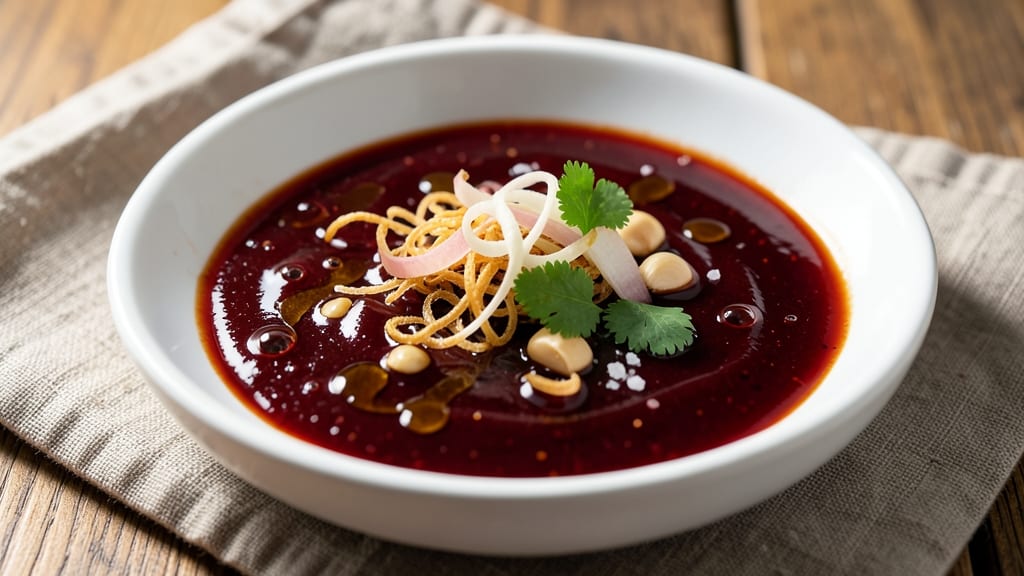
This Asian sweet chilli sauce recipe delivers the perfect balance of bold sweetness and fiery heat that transforms ordinary dishes into extraordinary ones.
The secret lies in the harmonious blend of ripe tomatoes, vinegar, and chili flakes that simmer into a glossy, tangy-sweet sauce with just the right amount of kick. I developed this version after years of experimenting with store-bought sauces that never quite captured that authentic restaurant-quality depth.
The magic happens when you reduce the sauce until it thickens just enough to cling beautifully to whatever you're drizzling it over. Garlic and ginger add aromatic layers, while a touch of soy sauce provides that signature umami punch.
What makes this sauce truly special is its versatility—it works as a dipping sauce for spring rolls, a marinade for grilled meats, or a glaze for roasted vegetables.
By the time you're done, you'll have a vibrant red sauce with a perfect balance of sweet, sour, and spicy flavors that's infinitely better than anything you can buy. The sauce keeps well in the refrigerator for up to two weeks, making it perfect for meal prep and batch cooking.
This is the kind of condiment that elevates everyday meals to restaurant-worthy status.
Whether you're dipping, glazing, or marinating, this sweet chilli sauce will become your new kitchen essential. The process is straightforward, but the results are restaurant-quality—rich, balanced, and packed with authentic Asian-inspired flavor that's impossible to resist.
Ingredients for asian sweet chilli sauce
Restaurant-quality flavor in one jar—just these ten ingredients transform into vibrant, tangy-sweet sauce.
| Ingredient | Amount | Notes |
|---|---|---|
| San Marzano Crushed Tomatoes 🍅 | 1 ½ cups | Canned, no salt added |
| Rice Vinegar 💧 | ½ cup | Seasoned preferred for depth |
| Red Chili Flakes 🌶️ | 2 tbsp | Adjust for preferred heat |
| Fresh Garlic Cloves 🧄 | 4 cloves | Minced for aromatic punch |
| Fresh Ginger Root 🌿 | 1 tbsp | Finely grated, peeled |
| Light Soy Sauce 🥢 | 2 tbsp | Kikkoman preferred |
| Honey 🍯 | ½ cup | Wildflower preferred |
| Extra-Virgin Olive Oil 🫒 | 2 tbsp | For glossy finish |
| Sesame Oil 🌾 | 1 tsp | Toasted sesame aroma |
| Salt 🧂 | 1 tsp | Diamond Crystal preferred |
The tomatoes are the foundation—San Marzano is non-negotiable for that natural sweetness. Grab the crushed variety at Whole Foods or any well-stocked grocery store; it's worth the extra cost. For the vinegar, seasoned rice vinegar adds that subtle complexity, but plain works in a pinch. Chili flakes? Penzeys has the best quality, but any good brand will do. The garlic and ginger? Fresh is essential—dried just won't cut it here. I always grab extra ginger because it keeps for months in the freezer.
No San Marzano? High-quality canned tomatoes work, but skip the chunky ones. Vinegar substitute? Apple cider vinegar at half the amount gives a different tang. Chili flakes too hot? Swap for 1 tbsp chili paste—it's thicker but packs the same punch. The honey can be maple syrup if you're avoiding it, though it'll taste slightly different. Sesame oil out of reach? Toasted sesame seeds at 1/2 tsp add a similar aroma. For soy sauce, tamari works too if you're gluten-free.
This sauce gets better with time—30 minutes after making, it's even more vibrant. Store in a glass jar in the fridge for up to 2 weeks. I always make double batches because it disappears fast. Freezes beautifully too—6 months in the freezer with no texture changes. The first time you drizzle it over spring rolls or toss it with noodles, you'll never buy store-bought again.
Why You'll Love This Recipe
- Pantry-to-Pot Magic: I swear by this sauce—no fancy prep, just crushed tomatoes, vinegar, and a quick simmer. The ginger and garlic mingle while you chop veggies for stir-fry or toss it on eggs. Honestly, I’ve made it while scrolling through emails.
- Sweet Heat Balance: That first bite? The San Marzano tomatoes lend a natural sweetness while the chili flakes add a slow-building warmth. The rice vinegar cuts through it just enough to keep your taste buds guessing—not too cloying, not too sharp.
- Weeknight Workhorse: Drizzle it over noodles, mix into marinades, or use it to glaze roasted chicken. I keep a jar in the fridge because it’s the one sauce that turns a simple meal into something special. (Yes, even on a Tuesday night.)
- Budget-Friendly Staple: A single batch stretches across three meals—leftover sauce gets tossed into fried rice or slathered on grilled shrimp. Fresh ginger and garlic bulk up the flavor without breaking the bank, and the tomatoes last forever in the pantry.
Step-by-step instructions for Asian sweet chili sauce
Here's how to craft a vibrant, balanced sauce with perfect sweetness and tangy depth.
Bloom the Aromatics in Olive Oil
Heat the 2 tablespoons extra-virgin olive oil in a medium saucepan over medium-low heat until shimmering but not smoking. Add the 4 minced fresh garlic cloves and 1 tablespoon finely grated fresh ginger root, stirring constantly for 1-2 minutes until fragrant and just beginning to turn golden.
This is where the magic starts—I like to watch until the garlic turns a pale golden color, but never let it brown or it'll turn bitter. The ginger should release its bright, citrusy aroma. If you smell it burning, immediately reduce the heat to low and let it cool slightly before continuing.
Add Tomatoes and Chili Flakes
Pour in the 1.5 cups San Marzano crushed tomatoes and 2 tablespoons red chili flakes, stirring to combine. Increase heat to medium and bring the mixture to a gentle simmer. Let it cook uncovered for 5 minutes, stirring occasionally, until the tomatoes soften slightly and the liquid reduces by about one-third. You'll see the sauce thicken and the raw tomato flavor mellow.
I like to taste at this stage—it should be tangy with a mild chili heat, but still bright. If the chili flakes aren't dispersing well, use a wooden spoon to mash any large pieces against the pan's sides. This ensures even distribution of heat throughout the sauce.
Balance with Vinegar and Soy Sauce
Reduce heat to low and stir in the 0.5 cup rice vinegar and 2 tablespoons light soy sauce. The vinegar will make the sauce bubble vigorously—let it simmer gently for 3-4 minutes until the acidity mellows and the flavors meld. You'll notice the sauce becomes glossier as the vinegar integrates.
Here's where the sauce transforms from raw ingredients to something cohesive. Taste again—you should detect the vinegar's sharpness but not its harshness. If it's too acidic, add 1 teaspoon honey now to balance. The soy sauce adds umami depth that ties everything together.
Sweeten and Finish with Honey
Add the remaining 0.5 cup honey and 1 teaspoon salt, stirring constantly over low heat for 5-6 minutes until the sauce thickens to a syrupy consistency. You're looking for a sauce that coats the back of a spoon but still flows smoothly. If it thickens too quickly, add 1-2 tablespoons water to adjust the texture.
The honey should dissolve completely, creating a beautiful amber color. I like to taste at this stage—it should be sweet but not cloying, with the vinegar's tang cutting through the sweetness. The chili heat should be present but not overpowering. If needed, add more chili flakes or honey to fine-tune the balance.
Incorporate Sesame Oil and Rest
Remove the sauce from heat and stir in the 1 teaspoon sesame oil until fully incorporated. The oil adds a nutty aroma and rich finish that elevates the sauce. Let it cool to room temperature—this allows the flavors to fully develop and the sauce to thicken slightly more as it sits.
For best results, refrigerate the sauce for at least 1 hour before using. This resting period lets the flavors meld completely. The sauce will thicken further in the fridge, so you may want to thin it slightly with water or vinegar when ready to use. Store in an airtight container for up to 2 weeks—it only gets better with time!
Pro Tips For Making Asian Sweet Chilli Sauce
- Simmer Low and Slow: After burning my first batch trying to rush the tomatoes, I learned this sauce needs patience—keep heat at a gentle simmer (medium-low) for at least 20 minutes. The longer it cooks, the deeper the flavor, and the smoother the texture. Don’t walk away; stir occasionally to prevent sticking, but don’t obsess.
- Peel and Mince Ginger: Skip the pre-peeled ginger from the jar—it’s waterlogged and lacks punch. Use a microplane or knife to finely mince fresh ginger (about 1 teaspoon) right into the pot. The tiny pieces dissolve better and add brightness without bitterness. (Yes, even if you’re impatient like me.)
- Balance Vinegar Gradually: Dumping all the rice vinegar at once makes the sauce taste harsh. Start with half, let it simmer 5 minutes, then add the rest. Taste as you go—you can always add more, but you can’t take it out. This keeps the sweetness and acidity in harmony.
- Toast the Chili Flakes: Dry-toast the red chili flakes in the empty pot for 30 seconds before adding oil. This deepens their flavor and prevents a raw, peppery taste. Just don’t let them burn—watch closely. (I know, I know, but trust the process.)
Common mistakes when making great asian sweet chilli sauce
Skipping the Bloom
One of the biggest mistakes is rushing the aromatic bloom step. When you add garlic and ginger to hot oil, you need to let them cook for 1-2 minutes until fragrant—not just toss them in and move on.
I’ve seen people skip this entirely, and the sauce ends up tasting flat with no depth. The key is patience here: those aromatics release their oils gradually, building the sauce’s foundation. If you smell burning, immediately reduce heat—burnt garlic and ginger will make your sauce bitter and inedible. 🌶️
Overcooking the Tomatoes
Tomatoes are delicate, and overcooking them turns your sauce into a mushy, watery mess. Simmer them for only 5 minutes—any longer and you’ll break down their texture completely.
I’ve ruined batches by letting them cook too long, resulting in a sauce that’s more like tomato paste than the glossy, vibrant condiment we want. Keep an eye on it and taste frequently to gauge when they’ve just softened enough to release their sweetness.
Ignoring Taste Tests
Many people skip tasting the sauce at critical stages, especially after adding vinegar or honey. This is how you lose balance—maybe the vinegar’s too sharp, or the honey’s too sweet. I taste at least three times** during the process: after the tomatoes soften, after adding vinegar, and after sweetening.
Adjustments are easy at these points but nearly impossible once the sauce’s fully cooked. Trust your palate—it’s the best tool you have!
Using Low-Quality Ingredients
Cutting corners on ingredients like tomatoes or vinegar can make or break your sauce. San Marzano tomatoes are non-negotiable for their natural sweetness, and seasoned rice vinegar adds depth that plain vinegar can’t match.
I’ve tried making this sauce with cheaper tomatoes or apple cider vinegar, and while it’s edible, it lacks that restaurant-quality depth. Invest in the good stuff—your taste buds will thank you. 🍯
Not Resting the Sauce
Rushing to use the sauce immediately after cooking is another common mistake. Letting it rest for at least 1 hour (or overnight) allows flavors to meld and the sauce to thicken naturally.
I’ve served sauce straight from the pan, and while it’s good, it’s not great—the flavors need time to develop. The longer you wait, the better it gets, especially in the fridge. Patience here makes all the difference.
Overthickening the Sauce
Some recipes call for long simmering to thicken the sauce, but this can concentrate flavors unevenly and make it too syrupy. Instead, focus on reducing the sauce gradually and use honey to help with thickening while adding sweetness.
If it gets too thick, a splash of water or vinegar can thin it out. I’ve seen sauces turn into sticky globs because of overcooking—don’t let that happen to yours! The goal is a glossy, spoonable consistency, not a paste. ✨
Nutrition facts
Frequently asked questions
Can I make this sauce without fresh garlic and ginger?
Yes, but the flavor will be less vibrant. For garlic, use 1 teaspoon garlic powder (1/2 tsp less than fresh) and for ginger, 1/2 teaspoon ground ginger. Add them with the tomatoes to avoid burning. If you have frozen garlic or ginger, thaw and mince them first—they work almost as well as fresh!
How do I adjust the heat level in this recipe?
Start with the 2 tablespoons chili flakes as written, then taste before adding honey. For milder heat, reduce to 1 tablespoon. Need more kick? Add 1/2 teaspoon cayenne pepper or 1/2 teaspoon extra chili flakes. For a smoky depth, stir in 1/4 teaspoon smoked paprika at the end. Always taste as you go!
What's the best way to use leftover sweet chilli sauce?
This versatile sauce works as a dipping sauce for spring rolls or dumplings, a marinade for grilled chicken or pork, or a glaze for roasted vegetables. For extra richness, mix 1 tablespoon with 2 tablespoons peanut butter and drizzle over noodles. It also makes a fantastic BBQ sauce—just add 1/4 cup ketchup and simmer for 5 minutes. Store leftovers for up to 2 weeks in the fridge!
Can I substitute honey with another sweetener?
Yes! For a 1:1 substitution, use maple syrup (add 1/4 teaspoon extra vinegar to balance). For a lower-glycemic option, try agave nectar or date syrup. If using brown sugar, dissolve it in the vinegar first to prevent graininess. Keep in mind these alternatives may slightly alter the sauce's texture and depth of flavor.
Why did my sauce turn out too thin?
This usually happens from undercooking or using too much liquid. Simmer uncovered for 5-6 minutes longer to reduce further, or mix 1 teaspoon cornstarch with 1 tablespoon water, stir in, and cook for 1 more minute. If it's still too thin, let it chill overnight—the sauce will naturally thicken in the fridge. For immediate results, reduce by 1/4 cup** next time.