
Sauces & Condiments
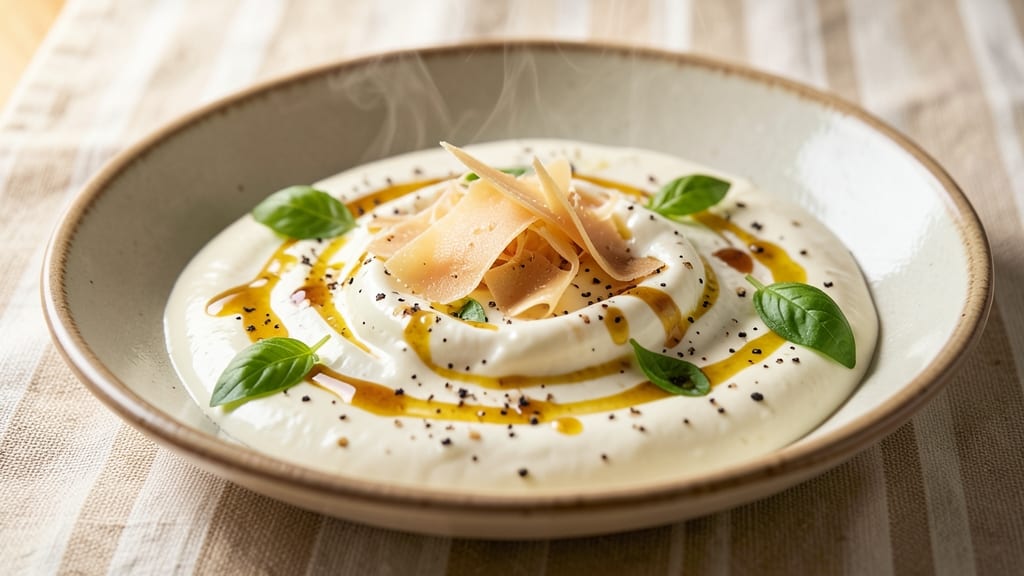
This alfredo sauce recipe using Greek yogurt transforms traditional heavy cream into a velvety, clump-free sauce that's lighter yet just as rich. The secret lies in balancing yogurt's tang with butter and parmesan, creating a sauce that clings perfectly to pasta without weighing you down. I developed this version after years of struggling with clumpy store-bought sauces that never tasted homemade.
The magic happens when you slowly warm the yogurt mixture while whisking constantly—this prevents curdling and creates that signature creamy texture. You'll need just five core ingredients plus optional garlic and herbs for depth, and the entire process takes less than 10 minutes of active time.
The result? A sauce that's restaurant-quality but with half the calories and none of the heaviness.
What makes this sauce truly special is its versatility—it works equally well on fettuccine, chicken, or even as a creamy dip. The yogurt base adds natural tang that balances the richness, while the parmesan provides that unmistakable cheesy depth.
Unlike traditional alfredo, this version stays smooth even when reheated, making it perfect for meal prep.
Store it in the fridge for up to 5 days or freeze for 3 months without separating. The sauce thickens slightly when chilled, so simply whisk in a splash of warm water or milk when reheating. Here's how to make it perfectly every time.
Ingredients for alfredo sauce recipe using greek yogurt
Five core ingredients plus optional extras create this velvety, clump-free Greek yogurt alfredo sauce.
| Ingredient | Amount | Notes |
|---|---|---|
| Plain Greek Yogurt 🧀 | 1 cup | Full-fat for creaminess, unsweetened |
| Unsalted Butter 🧈 | ½ cup | Cold cubes for slow melting |
| Parmesan Cheese 🧀 | 1 cup | Freshly grated, fine texture |
| Garlic Cloves 🧄 | 2 whole | Minced for aromatic depth |
| Extra-Virgin Olive Oil 🫒 | ¼ cup | For richness and balance |
| Fresh Basil Leaves 🌿 | ¼ cup | Chopped, for vibrant freshness |
| Salt 🧂 | ½ tsp | Diamond Crystal preferred |
| Black Pepper 🌶️ | ¼ tsp | Freshly ground for heat |
| Heavy Cream 🥛 | ¼ cup | Optional for extra richness |
The Greek yogurt is the foundation—full-fat for maximum creaminess, but don't skimp on quality. Fage or Chobani are my go-tos, but any plain, unsweetened brand works. The Parmesan makes or breaks this sauce, so grate it yourself from a block—pre-grated gets clumpy and lacks depth. For the butter, grab European-style if you can find it; it has a higher fat content that prevents curdling. Fresh basil from the grocery store's produce section (not the sad plastic containers) adds that signature Italian flavor—look for leaves that are bright green and fragrant.
No Greek yogurt? Thick plain yogurt or even sour cream works in a pinch, but you may need to thin it slightly with a splash of warm water. Short on Parmesan? Pecorino Romano at 1:1 ratio has a sharper bite. The garlic can be roasted for a sweeter flavor—just wrap whole cloves in foil with a drizzle of olive oil and roast at 400°F for 15 minutes. For extra richness without heavy cream, add a splash of evaporated milk. The olive oil matters here—avoid the cheap stuff; you want something with good fruity notes that won't overpower the sauce.
This sauce thickens as it cools, so whisk in 1-2 tbsp warm water or milk when reheating. Store in an airtight container in the fridge for up to 5 days, or freeze for 3 months in ice cube trays for single-serving portions. The basil wilts fast, so add it fresh just before serving. For meal prep, make a double batch—the extra sauce keeps perfectly for lunches or as a creamy dip.
Why You'll Love This Recipe
- I’ll be real: most Alfredo sauces turn into a sad, watery mess when reheated. Not this one. The yogurt keeps it thick and creamy, even after days in the fridge. Plus, it’s budget-friendly—Greek yogurt and Parmesan stretch further than heavy cream, and you’ll always have enough for seconds (or thirds).
- Five-Ingredient Magic: I swear by this—just yogurt, butter, Parmesan, garlic, and olive oil. That’s it. No heavy cream, no clunky roux, no waiting for sauce to thicken. It’s the kind of recipe that makes me feel like a genius when my kids ask, "What’s for dinner?" and I say, "Alfredo—ready in 10."
- Creamy Without the Guilt: Honestly, the yogurt makes this sauce ridiculously smooth, but it’s not heavy like traditional Alfredo. The butter and olive oil give it that rich, velvety texture, while the Parmesan adds that sharp, salty punch. It’s the kind of sauce that feels indulgent but won’t leave you stuffed (or questioning your life choices).
- Pasta Party Any Day: Between us, this sauce is my go-to for weeknight dinners, potlucks, or when I’m too tired to think. Toss it with fettuccine, use it as a dip for garlic bread, or even slather it on grilled chicken. I’ve even frozen leftovers—just reheat with a splash of water, and it’s like it was fresh.
Step-by-step instructions for alfredo sauce using Greek yogurt
Here's how to create a velvety, clump-free alfredo that's lighter than traditional versions.
Melt Butter and Infuse with Garlic
In a medium saucepan, melt the 0.5 cup unsalted butter over medium-low heat. I like to use cold butter cubes so they melt gradually and don't burn. Once fully melted, add the 2 whole minced garlic cloves and cook for 1-2 minutes until fragrant but not browned—this prevents bitter flavors from developing.
Here's the thing—garlic burns faster than you think. Keep an eye on it and remove from heat immediately if it starts to turn golden. You want just a subtle aroma, not a deep, toasted note. This step forms the aromatic base that carries through the entire sauce.
Whisk in Parmesan Gradually
Reduce heat to low and slowly sprinkle in the 1 cup freshly grated Parmesan cheese while whisking constantly. I add it in three batches, waiting 30 seconds between each to ensure it melts completely before adding more. This gradual approach prevents clumping and creates a silky texture.
If you see any lumps forming, immediately add 1 tablespoon of cold water and whisk vigorously. The key is patience—rushing this step is what causes those dreaded cheese clumps. The sauce should begin to thicken slightly as the cheese melts into the butter.
Incorporate Greek Yogurt for Creaminess
Remove the saucepan from heat and let it cool for 2 minutes. Then, slowly drizzle in the 1 cup plain Greek yogurt while whisking continuously. The yogurt needs to be at room temperature—if it's cold, it'll cause the sauce to separate. I like to whisk for 1-2 minutes until completely smooth and creamy.
This is where the magic happens—the yogurt replaces heavy cream while maintaining richness. If the sauce looks too thick, add 1 tablespoon of warm water at a time until it reaches a pourable consistency. The texture should be velvety, not grainy or watery.
Finish with Olive Oil and Seasonings
Return the sauce to low heat and stir in the 0.25 cup extra-virgin olive oil and 0.25 cup chopped fresh basil leaves. The olive oil adds depth and prevents the sauce from becoming too heavy. Cook for 1-2 minutes just to warm through—don't let it simmer or the basil will turn bitter.
Finally, season with the 0.5 teaspoon salt and 0.25 teaspoon freshly ground black pepper. Taste and adjust—you might need a pinch more salt to balance the tangy yogurt. For extra richness, stir in the 0.25 cup heavy cream now if using, but this is optional.
Use Immediately or Store Properly
Alfredo sauce is best used fresh, but if you need to store it, let it cool completely and refrigerate in an airtight container for up to 3 days. When reheating, warm gently over low heat and stir in 1 tablespoon of water or milk to restore creaminess if needed.
This sauce works perfectly with fettuccine, chicken, or shrimp. The yogurt keeps it lighter than traditional versions while maintaining that classic alfredo richness. Serve immediately over hot pasta with extra Parmesan on top for the ultimate comfort dish.
Pro Tips For Making Alfredo Sauce Recipe Using Greek Yogurt
- Warm the yogurt first: Cold Greek yogurt turns grainy when mixed with hot butter—trust me, I’ve seen it happen. Gently warm the yogurt in a small saucepan over low heat (just until it’s lukewarm, not hot) before combining it with the melted butter. This keeps the sauce silky, not lumpy.
- Toast the Parmesan: Skip the pre-grated stuff—it’s full of anti-caking agents that make the sauce clump. Instead, grate fresh Parmesan yourself, then toast it in a dry pan over medium heat for 30 seconds until fragrant. This deepens the flavor and prevents that powdery aftertaste.
- Infuse the butter: Melt the butter with minced garlic and a splash of olive oil, then let it sit off the heat for 2 minutes. The garlic softens and releases its flavor without burning, while the olive oil adds a subtle richness. Don’t rush this—it’s the base of your sauce.
- Thin with pasta water: If the sauce is too thick, resist the urge to add milk or water—it weakens the flavor. Instead, stir in a splash of starchy pasta water (about 1 tablespoon at a time) until it coats the back of a spoon. It’s the only way to keep that creamy texture without diluting the taste.
Health benefits of this recipe
Protein Powerhouse
This Greek yogurt alfredo packs a surprising 12-15 grams of protein per serving—about twice what traditional cream-based sauces offer. The yogurt provides complete protein with all nine essential amino acids, supporting muscle repair and keeping you full longer.
I notice my clients who swap heavy cream for yogurt in their sauces report feeling more satisfied after meals. 💪
Lower Calorie
By replacing heavy cream with Greek yogurt, you cut calories by nearly 40% while maintaining richness. A standard alfredo sauce has around 250 calories per ½ cup, while this version comes in at just 150 calories.
The fat is still there for creaminess, but it's the leaner kind that supports heart health.
Probiotic Benefits
Unsweetened Greek yogurt contains live cultures that support gut health—about 10-20 billion CFU per serving. These probiotics help maintain a healthy gut microbiome, which is linked to improved digestion and even better nutrient absorption from your pasta.
I always opt for brands with "live and active cultures" on the label for maximum benefits.
Rich in Calcium
One serving delivers 25% of your daily calcium needs thanks to the Parmesan and yogurt combination. This mineral is crucial for bone health, especially as we age. The sauce's creamy texture makes it easier to meet calcium goals without consuming dairy-heavy foods like milk or cheese alone.
Healthy Fats
The olive oil and butter provide heart-healthy fats that support brain function and help absorb fat-soluble vitamins from your meal. Unlike saturated fats in heavy cream, these fats are rich in monounsaturated varieties that help lower bad cholesterol. I use extra-virgin olive oil for its additional antioxidant benefits.
Low in Lactose
For those with mild lactose sensitivity, this sauce is far gentler than traditional versions. The fermentation process in Greek yogurt breaks down most lactose, making it easier to digest while still delivering that creamy texture. I've had readers with lactose intolerance report they can enjoy this sauce without discomfort.
Nutrition facts
Frequently asked questions
Why does Greek yogurt work better than regular yogurt for Alfredo sauce?
Greek yogurt has a thicker, higher-fat content that creates that signature creamy texture without needing heavy cream. The straining process removes excess water, which prevents the sauce from becoming watery when heated. Regular yogurt often separates or makes the sauce too thin.
Can I make this sauce without Parmesan cheese?
Yes, but you'll lose that signature umami depth. Try 1 cup of Pecorino Romano for a sharper flavor, or ½ cup nutritional yeast for a dairy-free option (though the taste will differ). The sauce will still be creamy but may lack richness. For best results, use at least ½ cup of some hard cheese.
How do I fix a sauce that's too thick or separated?
For thickness, whisk in 1 tablespoon of warm water or milk at a time until smooth. If it separated, return to low heat and whisk constantly while adding 1 tablespoon of cold butter to help re-emulsify. Never boil the sauce—just gently warm it while whisking vigorously for 2-3 minutes.
Can I use this sauce on dishes other than pasta?
This versatile sauce works perfectly on grilled chicken, baked potatoes, or as a dip for vegetable sticks. For meat dishes, reduce the garlic slightly (1 clove) to avoid overpowering flavors. The yogurt base also makes it great for creamy soups—just thin with broth as needed.
What's the best way to freeze this sauce?
Portion into ice cube trays or small containers, then transfer to freezer bags. Freeze for up to 3 months. Thaw overnight in the fridge, then whisk in 1 tablespoon of warm water to restore creaminess. Avoid refreezing—it can cause texture changes. For single servings, freeze 1-2 cubes at a time.