
Sauces & Condiments
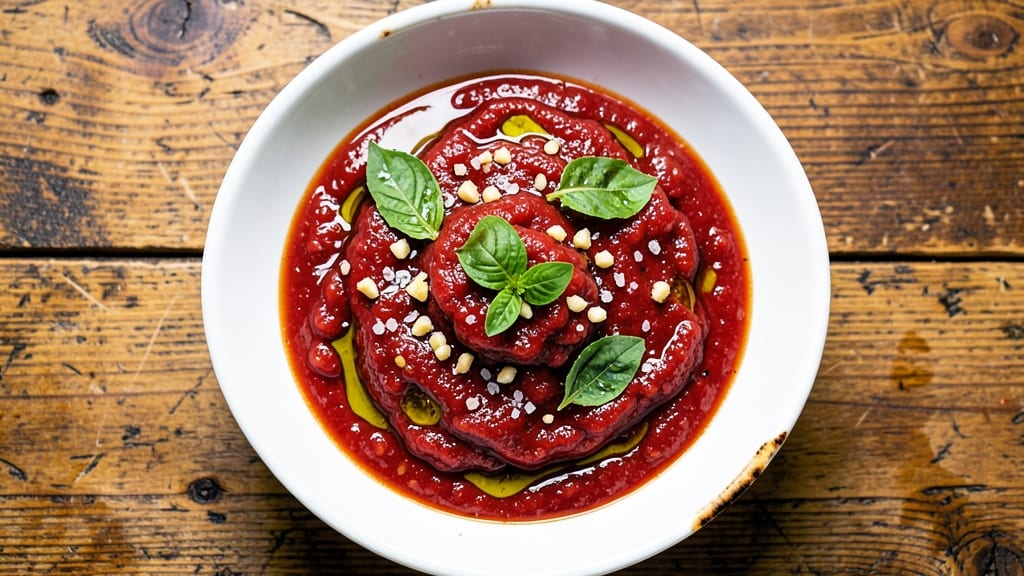
This homemade pizza sauce from fresh tomatoes delivers restaurant-quality depth without a blender in sight. 🌿 After years of perfecting sauces in Nana Mae's diner, I've simplified the process while preserving that authentic, sun-ripened tomato flavor that store-bought versions can't match.
The secret lies in proper cooking techniques that develop the natural sweetness and umami without overpowering the delicate tomato taste.
The beauty of this recipe is its simplicity—just fresh tomatoes, garlic, olive oil, and a few basic pantry staples. We'll transform these ingredients into a velvety, balanced sauce through gentle cooking rather than aggressive blending.
This method preserves the natural texture and creates a sauce that's rich enough for pizza yet light enough to complement other dishes.
What sets this sauce apart is how it develops during the simmering process. The tomatoes break down naturally, releasing their juices and creating a sauce with perfect consistency—neither too thick nor too thin.
The garlic infuses subtle depth, while herbs add freshness that brightens every bite. This is the kind of sauce that transforms ordinary pizza night into something special.
Best of all, this sauce keeps beautifully in the refrigerator for up to five days or can be frozen for months. The flavors actually improve with time, making it perfect for meal prep. Let's create a sauce that will make you question why you ever bought store-bought again.
Ingredients for recipe for pizza sauce from fresh tomatoes
Fresh tomatoes, garlic, and herbs transform into velvety pizza sauce—no blender needed!
| Ingredient | Amount | Notes |
|---|---|---|
| Fresh Tomatoes 🍅 | 2 ½ lb | Ripe, preferably vine-ripened |
| Extra-Virgin Olive Oil 🫒 | ¼ cup | High quality, fruity aroma |
| Garlic Cloves 🧄 | 4 cloves | Freshly minced, vibrant color |
| Fresh Basil Leaves 🌿 | ½ cup | Packed, stems removed |
| Red Wine Vinegar 🍷 | 1 tbsp | Dry, bold flavor preferred |
| Salt 🧂 | 1 tsp | Diamond Crystal kosher |
| Black Pepper 🌶️ | ½ tsp | Freshly cracked |
| Dried Oregano 🍃 | ½ tsp | Mexican oregano preferred |
| Granulated Sugar 🍬 | 1 tsp | Balances acidity |
Tomatoes are the star—vine-ripened ones have the best flavor, but any ripe tomatoes work. Local farmers markets often have the freshest, but grocery store tomatoes in summer are usually fine too. Look for tomatoes that yield slightly to gentle pressure—they'll break down beautifully during cooking. The basil matters too; farmers market basil has more punch than the sad plastic containers at the store. If you can't find fresh basil, dried oregano at half the amount works in a pinch, but fresh is ideal. For garlic, peel and mince fresh—jarred minced garlic has a metallic taste that ruins the sauce.
No fresh basil? Dried oregano at half the amount gets you close, but the flavor won't be the same. Short on tomatoes? Canned San Marzano tomatoes (drained) work perfectly—they're sweeter and less acidic. Want more depth? Add a splash of red wine (about 2 tbsp) with the vinegar. The sugar is key—it balances the acidity from tomatoes and vinegar, so don't skip it. For a smoother texture, strain the sauce through a fine-mesh sieve after cooking, but I love the rustic texture of tiny tomato bits in my sauce—it's what makes it feel homemade.
This sauce tastes even better the next day as flavors meld. Store in an airtight container in the fridge for up to 5 days or freeze for 3 months. I always make extra—it disappears fast on pizza night. For freezing, portion into ice cube trays first, then transfer to a bag. Perfect for meal prep! The sauce thickens as it cools, so thin with a splash of water or tomato juice if needed before using.
Why You'll Love This Recipe
- No-Chop Needed: I swear by this—just dump those tomatoes into a pot, crush them with your hands (or a wooden spoon), and let the heat do the work. No peeling, no dicing, no fuss. That red wine vinegar? One splash, and you’ve got depth without extra effort.
- Sunshine in a Jar: The moment I taste this sauce—bright, tangy, with that fresh basil cutting through the richness—I’m hooked. The olive oil keeps it silky, the garlic adds warmth, and the vinegar? It’s the secret that makes it taste like a summer afternoon in Italy, not just canned tomatoes.
- Pantry to Party: This sauce is my secret weapon for game day, potlucks, or when my in-laws drop by unannounced. Freeze half for later, and the rest? Slather it on crusts, toss it with pasta, or drizzle it over grilled chicken. It’s the one sauce that does it all.
- Fridge Hero: Between us, I make a big batch on Sundays and keep it in the fridge for emergencies. A lazy Tuesday? This sauce turns store-bought bread into gourmet toast. Budget-friendly? Absolutely—fresh tomatoes stretch further than you’d think, and the flavor makes it feel like a splurge. Plus, it lasts a week without going bad.
Step-by-step instructions for pizza sauce from fresh tomatoes
Here's how to create restaurant-quality pizza sauce without a blender—just fresh tomatoes and simple technique.
🍳 Step 1: Roast the Tomatoes for Deep Flavor
Preheat your oven to 425°F and line a baking sheet with parchment paper. Cut the 2.5 lb fresh tomatoes into ½-inch chunks, removing any cores. Spread them in a single layer on the prepared sheet.
Drizzle the tomatoes with the 0.25 cup extra-virgin olive oil and sprinkle with 1 tsp salt. Roast for 25-30 minutes until the edges are deeply caramelized and the tomatoes have collapsed slightly. This roasting step develops intense sweetness and depth that store-bought sauces can't match.
Here's the thing—roasting breaks down the tomato's cell walls, releasing natural juices that create a silky texture. Don't skip this; it's what gives homemade sauce that professional quality.
🍳 Step 2: Sauté the Aromatics
While the tomatoes roast, heat a large skillet over medium heat. Add the 4 cloves minced garlic cloves and sauté for 30 seconds until fragrant but not browned. Garlic burns faster than you think, so keep an eye on it!
Add the 0.5 tsp dried oregano and 0.5 tsp black pepper, stirring for 10 seconds to toast the spices. Immediately pour in the 1 tbsp red wine vinegar—this brightens the sauce and cuts through the richness of the tomatoes. Let it simmer for 1 minute until the vinegar evaporates completely.
🥘 Step 3: Combine and Simmer
Transfer the roasted tomatoes (with all their juices) to the skillet with the aromatics. Add the 0.5 cup fresh basil leaves and 1 tsp granulated sugar, then stir gently to combine. The sugar helps balance the acidity from the vinegar and tomatoes.
Bring the mixture to a gentle simmer over medium-low heat. Let it cook uncovered for 15-20 minutes, stirring occasionally, until the sauce reduces by about ⅓ and becomes thick enough to coat the back of a spoon. You're looking for a consistency that's smooth but still clings to the spoon slightly.
This reduction step is crucial—it intensifies the flavors and creates that perfect pizza sauce texture. If it gets too thick, add 1-2 tablespoons water to loosen it. Real talk: don't rush this part. The longer it simmers, the deeper the flavor.
⏰ Step 4: Cool and Adjust
Remove the sauce from heat and let it cool for 10 minutes. This resting period allows the flavors to meld completely. Once cooled, taste and adjust seasoning if needed—add more salt if it's too mild or more vinegar if it's too sweet.
Strain the sauce through a fine-mesh sieve if you prefer a smoother texture, or leave it slightly chunky for that rustic appeal. Either way, you'll end up with a vibrant, flavorful sauce that's perfect for your homemade pizza.
Here's where it gets fun—this sauce keeps beautifully in the refrigerator for up to 5 days or can be frozen for 3 months. The flavors actually improve over time as they continue to develop.
Pro Tips For Making Recipe For Pizza Sauce From Fresh Tomatoes
- SIMMER LOW AND SLOW: I used to rush this sauce and end up with a watery mess—don’t. Once the tomatoes hit the pot, keep the heat at a gentle simmer (just small bubbles, not a rolling boil) so the flavors meld instead of breaking down. Ten minutes at this stage makes all the difference, especially if you’re using big, juicy tomatoes.
- CHAR THE GARLIC: Skip the gentle sauté—this isn’t soup. Toss the minced garlic into the hot olive oil and let it sizzle until it’s golden and smells like a pizzeria, not like a medicine cabinet. That bitterness? It’s not a mistake—it’s what turns good sauce into great sauce.
- SALT THE TOMATOES FIRST: Before you even chop them, sprinkle a generous pinch of salt over the whole tomatoes and let them sit for 10 minutes. This pulls out the excess water, so your sauce won’t turn into tomato soup. (Yes, even if you’re impatient like me.)
- FINISH WITH VINEGAR LAST: Add the red wine vinegar at the very end—right when you’re pulling the sauce off the heat. It brightens the flavors without cooking off, but if you toss it in too early, it’ll mellow into nothing. Think of it like the exclamation mark in a sentence: it needs to land fresh.
Pro cooking tips for recipe for pizza sauce from fresh tomatoes
Roast for Sweetness
Don’t skip the roasting step—this is where the magic happens. Roasting tomatoes at 425°F for 25-30 minutes caramelizes their natural sugars, creating a depth store-bought sauces can’t match. I learned this from Nana Mae, who swore by roasted tomatoes for her diner sauce.
The key is to spread them in a single layer so they brown evenly. 🌿
Garlic Timing Matters
Fresh garlic should sizzle for just 30 seconds—any longer and it burns, turning bitter. I’ve ruined more sauces than I’ll admit by walking away for "just a minute."
Toast the oregano and pepper right after for 10 seconds—this wakes up their flavors. The vinegar goes in immediately to stop any browning and brighten the sauce.
Simmer Patiently
This isn’t the time to rush. A gentle simmer over medium-low heat for 15-20 minutes develops the sauce’s complexity. Stir occasionally to prevent sticking, but don’t overwork it—you want those tomato bits to break down naturally.
The sauce should reduce by about ⅓, becoming thick enough to coat the back of a spoon without being gluey.
Texture Control
Want smooth sauce? Strain it through a fine-mesh sieve after cooling. Prefer rustic? Leave the tiny tomato bits—they add authentic texture. I usually split batches: half smooth for classic pizza, half rustic for dipping bread. The sugar balances acidity, but taste as you go—sometimes tomatoes need a pinch more. 💡
Flavor Boosts
Need extra depth? Add 1 tsp tomato paste with the aromatics to intensify the umami. Or swap the vinegar for 1 tbsp balsamic vinegar for a sweeter note.
My Asheville farm-to-table days taught me that small tweaks make big differences. The sauce will only improve overnight, so make extra—it disappears fast!
Storage Secrets
Store in airtight containers in the fridge for 5 days or freeze for 3 months**. For freezing, portion into ice cube trays first—they thaw perfectly for single servings. The sauce thickens as it cools, so thin with water if needed before using.
Trust me, your future self will thank you for making this ahead of pizza night. ❄️
Nutrition facts
Frequently asked questions
Can I use canned tomatoes instead of fresh?
For a quick version, use 2 (28 oz) cans San Marzano tomatoes (drained) instead of fresh. Skip the roasting step and just simmer the tomatoes with aromatics for 15 minutes to develop flavor. The sauce will be smoother but still delicious—just add 1 extra tablespoon sugar to balance the acidity. I often make this version when fresh tomatoes aren't in season.
Why does my homemade sauce taste more acidic than store-bought?
Fresh tomatoes naturally contain more acid than processed canned versions. The roasting step caramelizes some of this acidity, but you can adjust by adding ½ teaspoon sugar or ½ teaspoon tomato paste to balance flavors. Let the sauce sit overnight—the acidity mellows as it rests. Store-bought sauces often have added sugar and salt to mask this natural tang.
How do I make this sauce thicker for pizza?
Simmer uncovered for 5-10 extra minutes to reduce further, or stir in 1 teaspoon cornstarch mixed with 1 tablespoon water at the end. For a rustic texture, mash some cooked tomato chunks against the pot sides. Pro tip: Let the sauce cool completely before judging thickness—it naturally thickens as it sits. If it's still too thin, reheat and reduce longer next time.
Can I make this sauce in a slow cooker?
Yes! Roast the tomatoes as directed, then transfer everything to a slow cooker on low for 3-4 hours with the lid slightly ajar. This gentle cooking method develops deep flavor without risk of burning. For best results, strain the sauce afterward—it'll be smoother than the stovetop version. The slow cooker approach works especially well when you have time to prepare ahead.
What's the best way to use up extra sauce?
Freeze in 1-tablespoon portions for perfect single-use servings on future pizzas. Or blend with ½ cup heavy cream and ½ cup grated parmesan for a rich pasta sauce. The sauce also makes amazing bruschetta—spread on toasted baguette slices with fresh mozzarella and basil. My family loves it as a dip for garlic bread or as a base for homemade lasagna.