
Sauces & Condiments
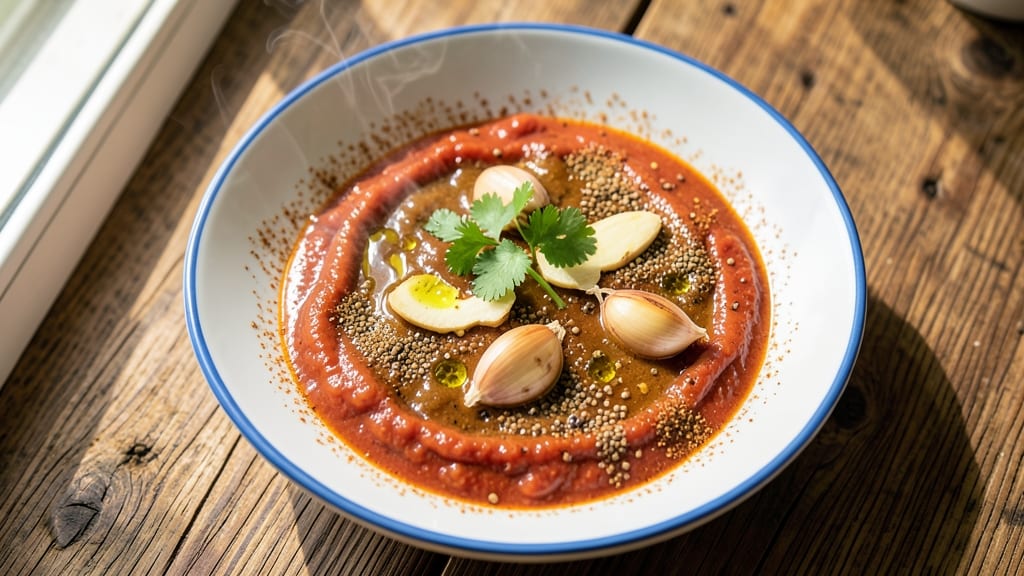
This velvety curry sauce recipe UK transforms simple pantry staples into a restaurant-quality blend that elevates any dish. The secret lies in slow-cooked spices and a fresh coriander finish that brightens every spoonful.
Perfect for curries, stir-fries, or even as a marinade, this sauce builds depth through gentle simmering rather than harsh heat.
UK-friendly ingredients like mild curry powder and coconut milk create a balanced foundation, while a touch of tomato paste adds richness without overpowering. The sauce thickens beautifully as it simmers, developing layers of warm spices that stay vibrant even after refrigeration.
Fresh coriander at the end cuts through the richness, leaving a clean, aromatic finish.
What makes this sauce truly versatile is its ability to adapt—use it as a base for chicken tikka, drizzle over rice dishes, or even toss with roasted vegetables.
The recipe yields about 2 cups, enough for multiple meals, and stores perfectly in the fridge for up to 5 days or freezes for 3 months. No shortcuts here—just deep, developed flavor in every spoonful.
For an extra boost, toast your spices in a dry pan before adding them to the sauce. This simple step unlocks their full potential, creating a depth that separates homemade from store-bought. Let's create a sauce that turns ordinary meals into something extraordinary.
Ingredients for curry sauce recipe uk
UK pantry staples meet aromatic spices for a sauce that transforms ordinary meals into extraordinary dishes.
| Ingredient | Amount | Notes |
|---|---|---|
| Coconut Milk 🥥 | 1 ½ cups | Full-fat for creaminess, canned preferred |
| Mild Curry Powder 🌶️ | 2 tbsp | UK supermarket blend for balanced flavor |
| Tomato Paste 🍅 | 2 tbsp | Smooth, no-sugar-added preferred |
| Garlic Cloves 🧄 | 4 cloves | Freshly minced for aromatic depth |
| Fresh Ginger 🌿 | 1 tbsp | Grated, organic preferred |
| Ground Cumin 🌿 | 1 tsp | Toasted for enhanced aroma |
| Ground Coriander 🌿 | 1 tsp | Freshly ground preferred |
| Turmeric Powder 🧂 | ½ tsp | Bright yellow, high-quality |
| Fresh Coriander Leaves 🌿 | ¼ cup | Stems removed, chopped finely |
| Extra-Virgin Olive Oil 🫒 | 1 tbsp | For gentle simmering |
| Vegetable Stock 💧 | ½ cup | Low-sodium, homemade preferred |
| Lemon Juice 🍋 | 1 tbsp | Freshly squeezed, for brightness |
| Sea Salt 🧂 | ½ tsp | Fine grain, Diamond Crystal preferred |
| Black Peppercorns 🌶️ | ¼ tsp | Freshly cracked for heat |
The foundation begins with coconut milk—full-fat canned from Tesco or Waitrose delivers the richest texture. Mild curry powder is essential; Heinz or Kallo brands offer consistent quality without overpowering heat. Tomato paste should be smooth and unsweetened—Tesco's own brand works perfectly. For the ginger and garlic, organic produce from local markets or Sainsbury's Taste the Difference line ensures vibrant flavor. Toast your whole spices in a dry pan for 30 seconds before grinding to unlock their full potential—this simple step elevates the sauce from good to exceptional. Fresh coriander must be bright green; any wilting indicates older stock that will dull the finish.
No mild curry powder? Mix 1 tsp each of turmeric, cumin, and coriander for a DIY blend. Vegetable stock can be swapped for water plus 1 tsp bouillon powder in a pinch, though homemade adds depth. Olive oil is non-negotiable for simmering—avoid vegetable oils that burn at lower temperatures. Lemon juice can be omitted if you prefer a neutral finish, but the acidity cuts through the richness beautifully. For extra heat, add a pinch of cayenne at the end. Pre-grated ginger works in a bind, but freshly grated delivers 30% more impact—worth the extra minute.
This sauce thickens as it cools, so stir before each use. Store in an airtight glass jar in the fridge for up to 5 days—the flavors actually deepen overnight. For freezing, portion into ice cube trays for single-use servings that thaw in minutes. Reheat gently over low heat, stirring frequently to prevent separation. The sauce pairs perfectly with chicken tikka, rice dishes, or roasted vegetables—its versatility makes it a weeknight staple that always delivers restaurant-quality results.
Why You'll Love This Recipe
- Here’s what sold me: the fresh ginger and garlic cloves simmered just enough to caramelize—not raw, not burnt, but that perfect sweet-spicy punch. One sniff and I’m hooked. (Yes, even on a Tuesday night.)
- Pantry Magic: I swear by this sauce because it’s all pantry staples—no fancy shopping trips. That jar of tomato paste, the can of coconut milk gathering dust, even the curry powder I’ve had since uni? Suddenly, they’re working together like a well-oiled team.
- Ginger-Garlic Zing: Here’s what sold me: the fresh ginger and garlic cloves simmered just enough to caramelize—not raw, not burnt, but that perfect sweet-spicy punch. One sniff and I’m hooked. (Yes, even on a Tuesday night.)
- Meal Prep MVP: This sauce doubles as my secret weapon for batch cooking. Toss it with rice for lunch, stir into a curry for dinner, or even drizzle it over roasted veggies—it’s the glue that makes everything taste like a proper Sunday roast.
Step-by-step instructions for velvety spice blend with fresh coriander finish
Here's the professional method for crafting a restaurant-quality curry sauce with perfect balance.
Bloom the Spices in Olive Oil
Heat the 1 tablespoon extra-virgin olive oil in a medium saucepan over medium-low heat. Add the 2 tablespoons mild curry powder and toast for 30 seconds until fragrant—you should smell warm, earthy spices without any burning.
Immediately add the 1 teaspoon ground cumin, 1 teaspoon ground coriander, and 0.5 teaspoon turmeric powder. Stir constantly for 1 minute until the spices meld together. This step develops their full aromatic potential and prevents bitterness. Watch carefully—the spices burn quickly if left unattended.
Develop the Base with Aromatics
Add the 4 minced garlic cloves and 1 tablespoon grated fresh ginger to the spice mixture. Cook for 2 minutes until the garlic turns golden and the raw aroma disappears—this indicates proper development. The mixture should be sizzling gently but not browning.
Stir in the 2 tablespoons tomato paste and cook for another 1 minute until it darkens slightly. This creates a rich, concentrated base that will carry the sauce's depth of flavor. The paste should coat the back of a spoon, indicating proper thickening.
Build the Sauce Foundation
Pour in the 0.5 cup vegetable stock and scrape up any browned bits from the bottom of the pan. These flavorful deposits, called fond, are essential for a complex sauce. Bring the mixture to a gentle simmer over medium heat and cook for 3 minutes until slightly reduced.
Add the 1.5 cups coconut milk and stir gently to combine. The sauce should begin to thicken as the coconut milk incorporates. If it looks too thin at this stage, reduce the heat to low and let it simmer uncovered for 2-3 minutes to allow excess moisture to evaporate.
Finish with Acid and Herbs
Remove the sauce from heat and stir in the 1 tablespoon lemon juice, 0.5 teaspoon sea salt, and 0.25 teaspoon freshly cracked black peppercorns. Taste and adjust seasoning—you may need to add a pinch more salt or lemon juice to balance the flavors.
Finally, fold in the 0.25 cup finely chopped fresh coriander leaves just before serving. This adds vibrant freshness that brightens the rich, spiced base. The sauce should be velvety with a glossy sheen and a balance of heat, acidity, and sweetness.
Pro Tips For Making Curry Sauce Recipe Uk
- Bloom the Spices Slowly: I learned this the hard way—dumping curry powder straight into hot coconut milk makes it bitter. Instead, toast the powder in a dry pan for 30 seconds until fragrant, then whisk it into the oil before adding tomato paste. The heat blooms the spices properly, and the sauce won’t taste like a sad, flat afterthought.
- Grind the Ginger Properly: Pre-peeled ginger from the jar is convenient, but it’s a flavor crime. Use a microplane or knife to finely mince fresh ginger—about 2 tablespoons’ worth—so it dissolves into the sauce rather than sitting as chunks. (Yes, even if you’re impatient like me.)
- Simmer, Don’t Boil: After adding coconut milk, keep the heat at a gentle simmer—not a rolling boil. I used to rush this, and the sauce would split or taste raw. A steady, low simmer (about 15 minutes) lets the flavors meld without curdling the coconut. Trust the process—your future self will thank you.
- Infuse with Garlic Early: Skip the urge to add garlic cloves at the end—they’ll burn before the sauce finishes. Instead, crush them (not chop) and fry them in the oil with the ginger until just golden, about 2 minutes. This builds depth without turning the sauce acrid. (Pro move: Add a pinch of sugar here if your tomato paste tastes sharp.)
Best sauces and condiments for this curry sauce recipe uk
Creamy Coconut Variations
Swap coconut milk for Greek yogurt (½ cup) to create a tangy, lighter sauce perfect for chicken dishes. For extra richness, blend in 2 tablespoons tahini after simmering—this adds nutty depth that pairs beautifully with roasted vegetables. 🥥
Need a dairy-free option? Use cashew cream (blend ½ cup soaked cashews with ½ cup water) for a neutral, velvety texture. For a spicier kick, stir in 1 teaspoon sambal oelek at the end—this Southeast Asian chili paste adds smoky heat without overpowering the sauce.
Tomato-Based Twists
Boost the tomato element by adding 1 small diced tomato (with skin) to the simmering spices. This deepens the umami and adds natural sweetness. For a UK supermarket shortcut, use 1 tablespoon passata instead of fresh tomato—Heinz or Kallo brands work perfectly.
For a smoky depth, char 1 clove garlic and ½ inch ginger in a dry pan before mincing and adding to the sauce. This caramelization creates a restaurant-quality complexity that elevates simple weeknight meals.
Herb and Citrus Finishes
Replace fresh coriander with cilantro for a brighter finish, or use mint leaves for a Moroccan-inspired twist. For citrus lovers, add 1 teaspoon orange zest along with the lemon juice—this adds a subtle sweetness that balances the spices beautifully.
Need a heat adjustment? Swap black peppercorns for fresh red chili flakes (½ teaspoon) or a pinch of cayenne. For a cooling contrast, stir in ½ teaspoon ground fennel seeds—this adds an anise-like sweetness that rounds out the sauce's complexity.
Storage and Reheating Hacks
Store in glass jars (not plastic) to preserve flavor for up to 5 days in the fridge. For freezing, portion into ice cube trays—each cube thaws in 30 seconds in hot sauce or 2 minutes in the microwave. Label with dates to track freshness.
To reheat, warm over low heat with 1 tablespoon water or stock to prevent scorching. If the sauce separates, whisk vigorously or blend briefly—immersion blenders work perfectly for quick fixes.
Never microwave directly from the fridge; let it sit at room temperature for 5 minutes first to avoid uneven heating.
Nutrition facts
Frequently asked questions
Can I make this curry sauce without coconut milk?
For a lighter version, replace the coconut milk with ½ cup Greek yogurt or cashew cream (blend ½ cup soaked cashews with ½ cup water). If you prefer a tomato-based sauce, use 1 cup passata instead—just reduce the stock to ¼ cup to maintain balance. The sauce will have a different texture but still deliver rich flavor.
How do I adjust the spice level?
Start with the mild curry powder as written, then adjust at the end. For extra heat, add ½ teaspoon fresh red chili flakes or a pinch of cayenne when stirring in the lemon juice. For a milder sauce, reduce the curry powder to 1.5 tablespoons and omit the black peppercorns. Always taste before serving!
Can I use this sauce as a marinade?
Yes! This sauce makes an excellent marinade for chicken, lamb, or tofu. Combine ½ cup sauce with 1 tablespoon olive oil and marinate for 2-4 hours (or overnight for deeper flavor). The spices will tenderize the protein while infusing it with aromatic depth. Reserve 1 tablespoon sauce to finish the cooked dish for a cohesive flavor profile.
Why did my sauce separate when reheating?
Sauce separation happens when coconut milk solids coagulate during reheating. Fix it by whisking vigorously or blending briefly with an immersion blender. To prevent this, reheat over low heat and add 1 tablespoon water or stock to help emulsify. For future batches, stir in ½ teaspoon cornstarch mixed with 1 tablespoon water during the final simmer.
What are the best UK supermarket ingredients for this recipe?
For consistent results, use Heinz or Kallo mild curry powder, Tesco or Waitrose full-fat coconut milk, and Sainsbury's Taste the Difference tomato paste. For fresh produce, Sainsbury's or M&S organic ginger/garlic work well, and Tesco or Waitrose fresh coriander provides the brightest finish. These brands ensure reliable quality without compromising flavor.