
Sauces & Condiments
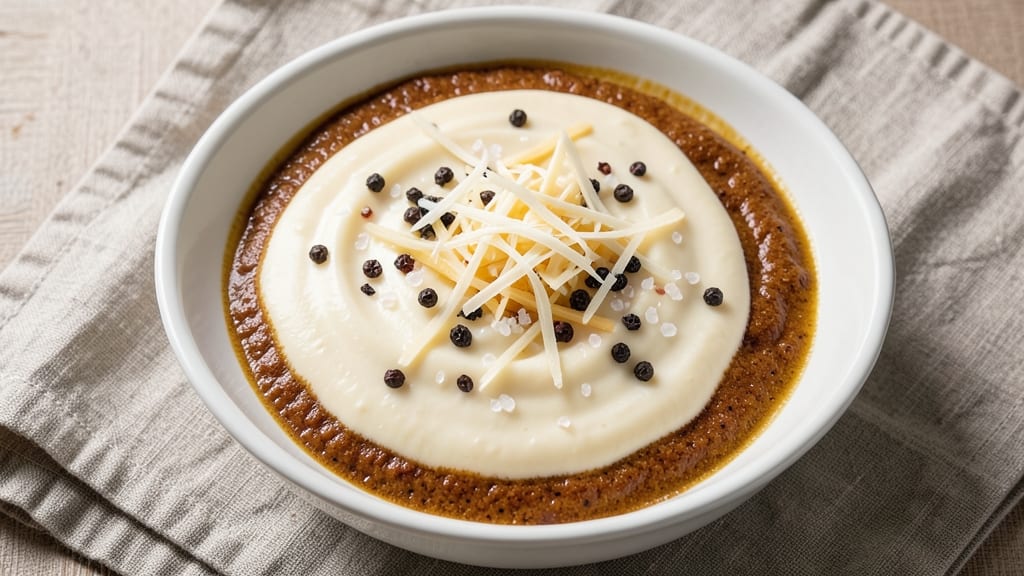
This microwave cheese sauce recipe transforms three simple ingredients into velvety smoothness in just minutes—no stove required. I developed this method during a particularly busy week when I needed a quick, foolproof sauce that still delivered restaurant-quality results.
The secret lies in gradual melting and stirring to prevent lumps and splattering, ensuring a perfectly creamy texture every time.
What makes this recipe work is the combination of butter, flour, and cheese—classic components that create a rich, velvety sauce without the need for complicated techniques. The microwave method is surprisingly foolproof when done correctly, and it's perfect for weeknight dinners when you need something fast but still impressive.
This sauce works equally well as a pasta topping, dipping sauce, or even a creamy side dish.
By the time you're done, you'll have a smooth, creamy cheese sauce that's ready to pour over macaroni and cheese, dip fries, or top baked potatoes. The texture is velvety and rich, with no graininess or lumps—just pure, comforting cheesiness.
It's the kind of sauce that makes simple meals feel special without requiring hours in the kitchen.
One of the best things about this recipe is how versatile it is. Double the batch and freeze half for later, or adjust the cheese blend to suit your taste.
Whether you're feeding a family or just craving comfort food, this microwave cheese sauce delivers big flavor with minimal effort. Let's get started!
Ingredients for cheese sauce recipe microwave
Three ingredients, one microwave, velvety perfection in minutes—no stove needed.
| Ingredient | Amount | Notes |
|---|---|---|
| Unsalted Butter 🧈 | ½ cup | Cold cubed for even melting |
| All-Purpose Flour 🌾 | ½ cup | Lightly spooned, no packing |
| Shredded Sharp Cheddar Cheese 🧀 | 2 cups | Freshly grated preferred |
| Whole Milk 🥛 | ¼ cup | Warmed slightly for creaminess |
| Diamond Crystal Kosher Salt 🧂 | ¼ tsp | Adjust to taste |
| Ground Black Pepper 🌶️ | ⅛ tsp | Freshly cracked |
| Garlic Powder 🧄 | ¼ tsp | For subtle depth |
The butter is non-negotiable here—unsalted gives you control over seasoning. Grab a stick from the dairy case, not the tub margarine. Trader Joe's sells pre-cubed butter that melts beautifully, but regular sticks work fine if you cut them into even pieces. The flour should be all-purpose, not self-rising—we're not baking here. For the cheese, sharp cheddar is ideal, but Monterey Jack or Colby work too. Pre-shredded cheese has anti-caking agents, so freshly grating makes all the difference. Milk adds silkiness, but warm it slightly first—just 10 seconds in the microwave—so it blends seamlessly.
No butter? Olive oil or vegan butter works, but texture changes slightly. Skip the milk? Heavy cream or half-and-half makes it richer, but whole milk keeps it light. Cheese options are endless—Pepper Jack adds heat, Gruyère brings nutty depth. The garlic powder is optional but worth the tiny effort—it rounds out flavors beautifully. For a dairy-free version, cashew cream or coconut milk replaces milk and cheese, but texture won't be identical. Pro tip: if your cheese sauce gets too thick, add milk 1 tbsp at a time until silky smooth.
This sauce reheats beautifully—microwave 30 seconds, stir, repeat until smooth. Keeps 5 days in the fridge, sealed tightly. For longer storage, freeze in ice cube trays—just thaw and stir. Double the batch and freeze half for lazy days. The key to reheating? Low power, stir frequently. Leftovers taste even better the next day as flavors meld. Store in a glass container to avoid absorbing fridge odors.
Why You'll Love This Recipe
- No-Pan Needed: I’ll be real—this sauce only needs a bowl and a microwave. No stove, no waiting for water to boil, no extra pots to wash. Just melt butter, whisk in flour, add milk, and watch that cheddar transform into something velvety in minutes.
- Sharp Cheddar Magic: That first bite? It’s like a hug for your taste buds. The sharp chedddar melts into a rich, tangy blanket—no bland aftertaste here. Honestly, I’ve tried store-bought, but this homemade version actually tastes like cheese, not filler.
- Mac & Cheese MVP: Dumping this sauce over pasta makes it feel like a restaurant dish, no fancy skills required. But it’s also my secret weapon for dipping bread, topping baked potatoes, or even slathering on nachos. (Yes, even on a Tuesday night.)
- Leftovers That Don’t Suck: Unlike stovetop cheese sauce that separates or turns grainy, this keeps smooth for days. I make a big batch, store it in the fridge, and reheat portions—perfect for lazy mornings or last-minute cravings. Budget-friendly too, since a little goes a long way.
Step-by-step instructions for microwave cheese sauce
Here's how to make a velvety, foolproof cheese sauce in minutes using just your microwave.
Melt Butter and Flour Together
Place the 0.5 cup unsalted butter (cubed as specified) and 0.5 cup all-purpose flour in a microwave-safe bowl. Microwave on high for 1 minute, then stir vigorously with a wooden spoon. The mixture should look like wet sand—this is your roux base. Microwave again for 30-second intervals, stirring well after each interval, until the mixture is smooth and bubbly.
I like to keep the butter cold at first to prevent burning, then gradually melt it in stages. This controlled melting ensures the flour incorporates evenly without clumping. If you see any dry spots after stirring, add 1 teaspoon of the whole milk to help dissolve the flour completely.
Add Cheese Gradually for Smoothness
Remove the bowl from the microwave and let it cool slightly for 1 minute—this prevents the cheese from separating. Sprinkle ½ cup of the shredded sharp cheddar cheese over the roux and stir until fully melted and smooth. Then add the remaining 1½ cups of cheese in small batches, stirring vigorously after each addition. The sauce should thicken noticeably as the cheese melts.
Here's the thing—adding cheese too quickly can cause lumps. I've found that patience here makes all the difference. If the sauce looks too thick, you can thin it later with milk, but you can't fix lumps once they form. For extra flavor, add the 0.25 teaspoon garlic powder now and mix well.
Thin and Season the Sauce
Pour in the 0.25 cup whole milk (warmed slightly as recommended) and stir until fully incorporated. Microwave the sauce for 30 seconds, then stir again. Repeat this process, microwaving for 20-second intervals and stirring well after each, until the sauce reaches your desired consistency. It should coat the back of a spoon smoothly without being gluey.
Season immediately with 0.25 teaspoon kosher salt and 0.125 teaspoon ground black pepper. Taste and adjust the salt if needed—cheddar can vary in saltiness. For extra depth, you could add a pinch of mustard powder or cayenne, but we're keeping it classic here. The sauce should be hot but not boiling when you're done.
Finish and Use Immediately
Let the sauce sit for 1 minute after microwaving to thicken slightly. This resting period helps the flavors meld together. If it's too thick for your liking, whisk in 1 tablespoon of milk at a time until you reach the perfect pourable consistency. The sauce should be velvety smooth with no graininess—this is your goal.
Use immediately over mac and cheese, as a dip for veggies, or as a topping for baked potatoes. The sauce will thicken more as it cools, so don't worry if it looks perfect right after microwaving. For best results, serve while warm and creamy. If you need to reheat later, just microwave for 20-second intervals, stirring between each, until warmed through.
Pro Tips For Making Cheese Sauce Recipe Microwave
- MELT CHEESE SLOWLY: I learned this the hard way—dumping shredded cheddar straight into the microwave makes it clump into a greasy, uneven mess. Instead, stir in cheese after the milk-butter mixture reaches a gentle simmer (about 120°F), then let it melt for 30-second bursts, stirring vigorously between each. This keeps the sauce silky, not stringy.
- WHISK LIKE YOUR LIFE DEPENDS ON IT: The microwave’s uneven heat means your roux will separate faster than you can say "lumpy cheese sauce." After adding milk, whisk constantly for the first 30 seconds to break up any flour clumps—no, your arm isn’t tired enough yet. This is the thing that matters most for a smooth finish.
- SALT THE BUTTER FIRST: Skip this, and your sauce will taste flat, even if you add salt later. Mix ¼ teaspoon of kosher salt directly into the melted butter before adding flour—it dissolves evenly and cuts through the richness. (Yes, even if you’re using unsalted butter, trust me.)
- USE MICROWAVE-SAFE BUTTER: I was skeptical until I tried it: swap half the butter for a microwave-safe version (like ghee or clarified butter) if you’re cooking in a mug. Regular butter can splatter or burn at the edges, turning your perfect sauce into a sad, browned disaster. Save yourself the cleanup.
Troubleshooting perfect results
Lumpy Sauce Fix
If your cheese sauce develops lumps, don’t panic—it’s fixable! Immediately remove the bowl from the microwave and whisk in 1 tablespoon of warm milk while stirring vigorously. For stubborn lumps, place the bowl over a pot of barely simmering water (double boiler) and stir constantly until smooth.
I’ve seen this work miracles even with fully formed cheese clumps. The key is acting fast—once the sauce cools, lumps become permanent. 💫
Sauce Too Thin?
If your sauce ends up too thin, simply microwave it again for 20-second intervals, stirring between each, until it thickens. Alternatively, mix 1 teaspoon cornstarch with 1 tablespoon cold water, stir into the sauce, then microwave for 15 seconds.
This trick works like magic for instant thickening without altering flavor. I keep a small container of cornstarch mix in my pantry for emergencies.
Burnt or Greasy Taste
Microwaving butter too long can cause a burnt or greasy flavor. To prevent this, always start with cold cubed butter and melt it in 30-second intervals, stirring well between each.
If you notice a burnt smell, immediately remove the bowl and stir in 1 tablespoon milk to dilute the flavor. For extra insurance, use European-style butter—it has a higher fat content and melts more evenly. 🧈
Cheese Separation
If your cheese separates into oily pools, the sauce was likely too hot when the cheese was added. Let the roux cool for 2 minutes before adding cheese, and stir constantly until fully melted.
For a quick fix, whisk in 1 tablespoon milk and microwave for 10 seconds, then stir vigorously. This helps re-emulsify the sauce. I’ve had this happen when rushing, so now I always give the roux a proper rest before adding cheese.
Sauce Too Thick?
Over-thickened sauce is easily fixed by adding milk 1 tablespoon at a time while stirring. For a smoother texture, warm the milk slightly first—this helps it blend seamlessly. If the sauce is still too thick after adding milk, microwave it for 10 seconds to help the ingredients meld.
The goal is a pourable consistency that coats the back of a spoon without being gluey. 🥄
No Microwave? Stovetop Swap
If you don’t have a microwave-safe bowl, transfer the mixture to a small saucepan and cook over low heat, stirring constantly for 3-5 minutes until smooth. The stovetop method gives you more control but requires constant attention to prevent burning.
I’ve used this method when traveling and still achieved great results—just keep the heat low and stir like your life depends on it! 🔥
Nutrition facts
Frequently asked questions
Can I make this cheese sauce without milk?
Yes! Replace the 0.25 cup whole milk with 0.25 cup heavy cream for extra richness or 0.25 cup water for a lighter version. For a dairy-free option, use unsweetened almond milk or coconut milk, but expect a slightly thinner texture. Always warm your substitute slightly before adding to help it blend smoothly.
What's the best microwave-safe bowl for this recipe?
Use a glass or ceramic bowl rated for microwave use—these distribute heat evenly and prevent splattering. Avoid plastic bowls unless labeled microwave-safe, as they can warp or melt. A wide, shallow bowl works best for stirring. Pro tip: Place a paper towel over the bowl before microwaving to catch any potential splatters.
Why did my cheese sauce get grainy?
Graininess usually happens when cheese melts too quickly or butter overheats. Always add cheese gradually and stir constantly. For pre-shredded cheese, pulse it in a food processor first to break up anti-caking agents. If it's already grainy, whisk in 1 tablespoon warm milk and microwave for 10 seconds to help smooth it out.
How long can I store leftover cheese sauce?
Store in an airtight container in the fridge for up to 5 days. For longer storage, freeze in ice cube trays—thaw overnight in the fridge and stir to restore creaminess. Reheat gently in 20-second microwave intervals, stirring between each. Freezing works best for single servings rather than large batches.
Can I add other cheeses to this recipe?
Try Monterey Jack for creaminess, Gruyère for nutty depth, or Pepper Jack for heat. For a smoky flavor, add 1/4 tsp smoked paprika. Just remember: sharp cheddar is the base—mix it 50/50 with other cheeses for balanced flavor. Always grate cheese fresh if possible for the best texture.