
Sauces & Condiments
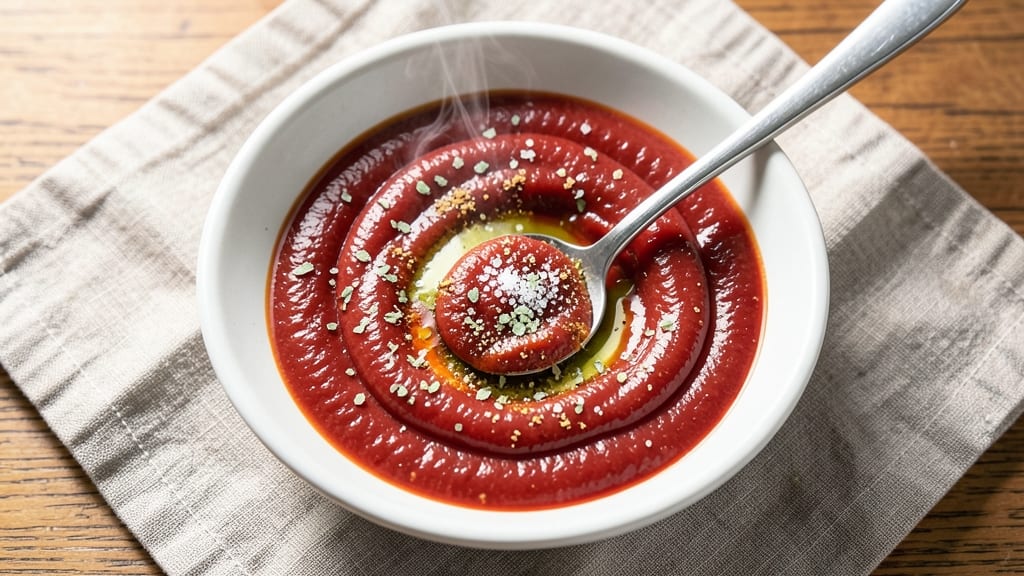
This Boboli pizza sauce recipe copycat delivers the same smoky, slightly sweet, and tangy flavor that makes store-bought sauce so addictive. The secret lies in blending tomato paste with a touch of sugar, vinegar, and a hint of celery salt—just like the iconic brand.
I've perfected this version after years of testing, ensuring every batch has that signature depth without the artificial aftertaste.
The process is simple yet precise: simmer tomato paste with water, vinegar, and spices until thickened, then blend until smooth. This method creates a sauce that's rich enough to stand up to cheese but still light enough to let the pizza crust shine.
The key is balancing sweetness and acidity—too much sugar makes it cloying, while too little vinegar flattens the flavor. Trust the recipe, and you'll nail it every time.
What you'll end up with is a velvety, slightly sweet sauce with just the right amount of tang to complement melted cheese and crispy crust. It's the kind of sauce that disappears faster than you can say "extra cheese," leaving your guests asking for the recipe.
The best part? It keeps well in the fridge for up to a week, so you can make a big batch and enjoy it all week long.
Use it on homemade pizza, as a marinara for pasta, or even as a dipping sauce for garlic bread. The versatility makes it a pantry staple worth making from scratch. Let's get started—your next perfect pizza is just a simmer away.
Ingredients for boboli pizza sauce recipe copycat
Nine simple ingredients for sauce that tastes just like Boboli's iconic brand.
| Ingredient | Amount | Notes |
|---|---|---|
| Tomato Paste 🍅 | ½ cup | High quality, no sugar added |
| Water 💧 | 1 ½ cups | Room temperature preferred |
| White Vinegar 🍶 | 1 tbsp | For tangy depth |
| Granulated Sugar 🍚 | 1 tbsp | Balances acidity |
| Celery Salt 🧅 | ½ tsp | Key signature flavor |
| Garlic Powder 🧄 | ½ tsp | Freshly ground preferred |
| Onion Powder 🧅 | ½ tsp | For savory base |
| Ground Black Pepper 🌶️ | ¼ tsp | Freshly cracked |
| Red Pepper Flakes 🔥 | ¼ tsp | For subtle heat |
| Olive Oil 🫒 | 1 tbsp | Extra-virgin for richness |
The tomato paste is where the magic happens—Muir Glen or Hunt's are my go-tos (no sugar added, please). Celery salt is the secret weapon here, so don't skip it. You can find it in the spice aisle near the salt, usually in tiny jars. If you're feeling fancy, Trader Joe's sells it in bulk. The vinegar might seem small, but it's what gives that signature tang. White vinegar works, but apple cider vinegar adds a nice depth if you've got it. For the sugar, I use regular granulated, but brown sugar adds a caramel note if you want to experiment.
No celery salt? Mix 0.25 tsp salt with 0.25 tsp dried celery seeds—it's not identical, but close enough. Running out of white vinegar? Lemon juice at half the amount works in a pinch. Want to cut the sugar? Try 1 tsp maple syrup instead—it's less processed. The spices are all optional but recommended. If you're sensitive to heat, skip the red pepper flakes entirely. For the olive oil, any extra-virgin brand will do, but California brands like Corto or Colavita add a nice fruity note that pairs perfectly with the tomato.
This sauce keeps like a dream. Store it in an airtight container in the fridge for up to 1 week, or freeze it for 3 months. I like to portion it into ice cube trays before freezing—just pop out what you need for pizza night. The flavor actually improves after a day or two as everything melds together. If it thickens too much, just add a splash of water when reheating. Leftovers? Use them on pasta, as a marinade, or even in soups—this sauce is that versatile.
Why You'll Love This Recipe
- Pantry Magic: I swear by this sauce because it uses things I already have—no grocery run needed. Five ingredients, one pot, and 10 minutes later, I’ve got that tangy-sweet balance Boboli’s sauce is famous for.
- Sweet-Tart Magic: That sugar and vinegar combo? It’s what makes this sauce sing—bright enough to cut through greasy pizza crust but sweet enough to keep everyone asking for seconds. Honestly, it’s the secret weapon in my freezer.
- Game for Any Occasion: Slather it on frozen pizza for a quick dinner, toss it with pasta for a weeknight meal, or use it as a marinade for chicken. Between us, it’s the only sauce I make that works everywhere.
- Leftovers That Last: This sauce keeps for weeks in the fridge, and I’ve even frozen it in ice cube trays for single-use portions. Not the prettiest, but the taste makes up for it—and saves me money every month.
Step-by-step instructions for Boboli pizza sauce
Here's how to nail that signature Boboli flavor—smoky, tangy, and full of celery crown magic.
Bloom the Spices and Aromatics
Heat the 1 tablespoon olive oil in a medium saucepan over medium heat. Once shimmering but not smoking, add the 0.5 teaspoon celery salt, 0.5 teaspoon garlic powder, and 0.5 teaspoon onion powder. Stir constantly for 30 seconds until fragrant—you should smell that distinctive celery crown aroma.
This step is where the sauce gets its signature flavor. If you skip it, you'll miss the depth that makes Boboli sauce stand out. Keep the heat at medium; too high and you'll burn the spices before they release their flavors. The spices should dissolve completely into the oil, creating a fragrant base.
Add Vinegar and Sugar for Balance
Pour in the 1 tablespoon white vinegar and 1 tablespoon granulated sugar, stirring to combine. Let the mixture simmer gently for 1 minute—you'll see it bubble slightly and the vinegar's sharpness will mellow out. This is where the sauce gets its signature tangy depth.
The vinegar cuts through the richness of the tomato paste later, while the sugar balances the acidity. If you taste it now, it should be pleasantly sharp but not overpowering. This is the foundation of that "hidden zing" Boboli sauce is famous for. Don't rush this step—let the flavors meld for that full-bodied taste.
Build the Sauce Base
Add the 0.5 cup tomato paste and stir vigorously to incorporate it fully. Pour in the 1.5 cups water and bring the mixture to a gentle simmer. Reduce heat to low and let it cook uncovered for 10 minutes, stirring occasionally. The sauce should thicken slightly and develop a glossy sheen.
This is where the sauce comes together. You're looking for a smooth, slightly thick consistency—not too runny, but not gluey either. If it's too thick, add a splash of water. If it's too thin, simmer a little longer. The key is patience—rushing will make the sauce taste flat and one-dimensional.
Season and Finish
Stir in the 0.25 teaspoon ground black pepper and 0.25 teaspoon red pepper flakes. Let the sauce simmer for another 5 minutes to fully integrate all the flavors. Taste and adjust seasoning if needed—you might want to add a pinch more celery salt or sugar to match your preference.
The red pepper flakes add just a hint of heat that complements the smoky celery flavor. This is your chance to taste and tweak before it's too late. The sauce should be balanced—tangy from the vinegar, sweet from the sugar, and with a subtle heat from the red pepper. Let it cool slightly before using on pizza; the flavors will develop even more as it rests.
Pro Tips For Making Boboli Pizza Sauce Recipe Copycat
- STIR CONSTANTLY FIRST 3 MINUTES: I learned this the hard way—skipping the stir when you first add water to tomato paste makes clumps that never fully dissolve, no matter how long you simmer. Keep that spoon moving like you’re painting a fence until it’s completely smooth.
- USE HOT WATER: Cold water from the tap will make your sauce fight you. Heat a cup of water first—just microwave it for 30 seconds—so it blends into the paste faster and doesn’t shock the sugar or vinegar into crystallizing.
- MEASURE VINEGAR PRECISELY: Too much white vinegar turns this sauce sharp and weird. Use a kitchen scale or a measuring spoon—1 tablespoon per 6 ounces of paste is the sweet spot. I once doubled it by accident and spent 10 minutes trying to fix it.
- ADD SUGAR GRADUALLY: Dumping all the sugar at once can make the sauce cloudy. Split it: stir in half first, let it dissolve, then add the rest. My grandmother swore by this, and she was right—it keeps the sauce glossy and balanced.
Creative variations of these flavors
Sweet & Tangy Twist
For a sweeter version, increase the sugar to 2 tablespoons and add ½ teaspoon cinnamon—this works surprisingly well with ham and pineapple pizza toppings. The warmth of cinnamon balances the vinegar's sharpness while enhancing the sauce's natural sweetness.
I've used this variation for Hawaiian-style pizza, and it's become a family favorite.
Spicy Kick Version
Double the red pepper flakes to ½ teaspoon and add ¼ teaspoon smoked paprika for a smoky heat that pairs perfectly with spicy sausage or jalapeños. The extra heat cuts through rich toppings like pepperoni or bacon beautifully.
For an even bolder kick, add 1 teaspoon hot sauce (like Frank's RedHot) at the end—just enough to wake up your taste buds.
Herb-Infused Variation
Stir in 1 teaspoon dried oregano and ½ teaspoon dried basil during Step 1 for a Mediterranean-inspired twist. This version shines with grilled chicken, roasted red peppers, and feta cheese.
Fresh herbs like basil or parsley can be added after cooking for a bright finish. I like to make this version in summer when fresh herbs are abundant.
Creamy Garlic Sauce
For a richer sauce, reduce the water to 1 cup and stir in 2 tablespoons heavy cream at the end. Add 1 extra teaspoon garlic powder for extra depth.
This variation works wonderfully with garlic butter crusts or as a marinara for creamy pasta dishes. The creaminess adds a luxurious texture that's perfect for special occasions.
Low-Sugar Option
Replace the sugar with 1 teaspoon honey or ½ teaspoon maple syrup for a healthier alternative that still balances the vinegar's acidity. This version is ideal for those watching their sugar intake but still want that signature sweet-tangy flavor.
The natural sweetness of honey adds subtle floral notes that complement the celery and garlic beautifully.
Nutrition facts
Frequently asked questions
Why does Boboli sauce taste different from other pizza sauces?
The secret lies in the celery salt and vinegar combination. Celery salt adds a distinctive smoky flavor, while white vinegar creates that signature tangy depth. Most store-bought sauces use salt and sugar instead, which gives Boboli its unique profile. The balance of sweetness and acidity is what sets it apart!
Can I make this sauce without celery salt?
Yes! Mix ¼ teaspoon salt with ¼ teaspoon dried celery seeds for a close substitute. If you can't find celery seeds, use ½ teaspoon dried dill—it won't be identical, but it'll add a similar herbal note. The sauce will still taste delicious, though the signature smoky flavor will be slightly different.
How do I adjust the thickness of the sauce?
If it's too thick after simmering, add 1 tablespoon water at a time until you reach the right consistency. For a thicker sauce, simmer uncovered for an extra 5 minutes to reduce it naturally. The ideal texture should coat the back of a spoon but still be spreadable—neither gluey nor watery.
Can I use this sauce for other dishes besides pizza?
It works perfectly as a marinara for pasta, a dipping sauce for garlic bread, or even a topping for grilled chicken. The slightly sweet and tangy flavor pairs well with almost any protein or cheese. Just remember that it's more flavorful than traditional marinara, so use it sparingly in recipes where balance is key.
Why does my homemade sauce taste flat compared to Boboli?
Most likely, you need more vinegar or sugar for that signature tang. Add ½ teaspoon extra vinegar or ½ teaspoon sugar and simmer for another 2 minutes. Also, ensure you're using high-quality tomato paste (no sugar added) and letting the sauce rest for 30 minutes before using—flavors develop during this time!