
Sauces & Condiments
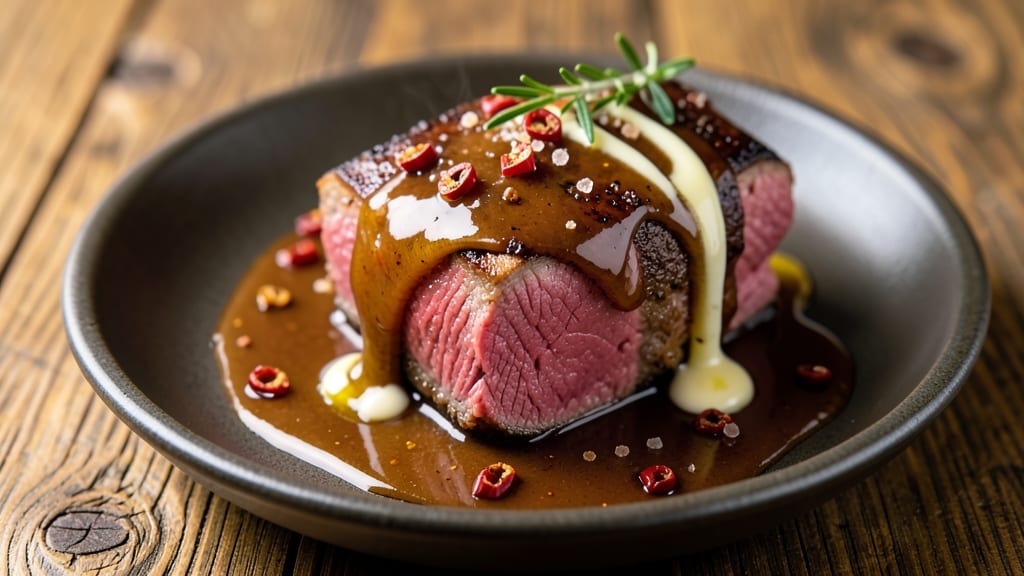
This beef basting sauce transforms ordinary grilled steaks into restaurant-quality masterpieces with every juicy bite. The smoky chipotle glaze locks in moisture while adding deep, complex flavors that penetrate the meat—no more dry steaks here.
I developed this recipe after years of experimenting with different basting techniques, and it consistently delivers that perfect charred crust with tender, melt-in-your-mouth centers.
The secret lies in balancing rich beef broth, smoky chipotle peppers, and a touch of red wine for depth. We'll build the sauce by simmering these ingredients until it reaches that ideal consistency—thick enough to cling beautifully but still fluid enough to baste effectively.
The butter at the end adds a luxurious finish that makes every bite irresistible.
What sets this sauce apart is its ability to elevate even simple steaks into something extraordinary. Whether you're grilling for a special occasion or a weeknight dinner, this glaze ensures your meat stays juicy and packed with flavor.
The best part? It takes just 15 minutes to prepare and lasts for up to a week in the fridge, so you can always have it on hand for your next cookout.
Use it generously while grilling, letting the sauce drip over the meat for maximum flavor infusion. The smoky, slightly sweet glaze pairs perfectly with classic steakhouse sides or a fresh garden salad. Let's get started on creating your new go-to basting sauce!
Ingredients for beef basting sauce
Rich, smoky, and packed with flavor—this sauce turns simple grilled steaks into showstoppers.
| Ingredient | Amount | Notes |
|---|---|---|
| Beef Broth 🥫 | 1 ½ cups | High-quality, low-sodium preferred |
| Chipotle Peppers in Adobo 🌶️ | 2 tbsp | Adjusted to taste for smokiness |
| Red Wine 🍷 | ½ cup | Bold, dry variety like Cabernet |
| Brown Sugar 🍚 | 2 tbsp | Light or dark, packed firmly |
| Apple Cider Vinegar 🍏 | 1 tbsp | For tangy brightness |
| Unsalted Butter 🧈 | ¼ cup | Cold, cubed for finishing |
| Garlic Cloves 🧄 | 2 cloves | Minced for aromatic depth |
| Fresh Rosemary 🌿 | 1 tbsp | Chopped, or 1 tsp dried |
| Salt 🧂 | 1 tsp | Kosher or sea salt |
| Black Pepper 🌶️ | ½ tsp | Freshly cracked for heat |
The beef broth is the foundation—use homemade or high-quality store-bought like Kitchen Basics or Pacific Foods. Chipotle peppers in adobo are key for that signature smokiness, but if you can't find them, smoked paprika at double the amount works in a pinch. Red wine adds depth, so grab whatever bold, dry bottle you have open—Cabernet or Merlot both work. The brown sugar balances the smokiness, so don't skip it. I always buy the light brown sugar from Trader Joe's—it's less gritty and dissolves smoothly.
No red wine? Substitute beef broth with a splash of balsamic vinegar for tang. Fresh rosemary is ideal, but dried at one-third the amount gets you close. The butter at the end is non-negotiable—it adds that luxurious finish. If you're short on time, microwave the butter 40 seconds to just melt it before whisking. The garlic can be minced with a knife or pulsed quickly in a food processor. Just don't overdo it—you want flavor, not a garlic punch.
This sauce keeps beautifully in the fridge for up to 1 week—it actually tastes better the next day as the flavors meld. Store it in a glass jar with a tight seal, and give it a quick stir before using. For grilling, keep it warm in a small saucepan over low heat. The butter will separate slightly, but just whisk it back together. If you make extra, freeze portions in ice cube trays for easy single-use servings later.
Why You'll Love This Recipe
- Pantry Magic: I swear by this sauce because it uses stuff I already have—no last-minute grocery runs. That jar of chipotles in adobo? The red wine you’ve been saving for “special occasions”? They all come together in a single pot while you chop veggies or toss a salad.
- Smoky-Sweet Magic: The chipotle peppers give it that deep, smoky punch, but the brown sugar and apple cider vinegar cut through the heat with this bright, sticky-sweet finish. It’s the kind of sauce that makes you close your eyes and think, “Yes, this is why I cook.”
- Weeknight Superstar: This isn’t just for Sunday dinners—it’s my go-to for quick weeknight meals. Drizzle it over grilled steak, toss it with roasted potatoes, or even use it as a marinade. It turns ordinary proteins into something special without extra effort.
- Budget-Friendly Luxury: A little goes a long way, and it keeps well in the fridge for up to a week. Honestly, it’s the kind of sauce that makes me feel fancy without breaking the bank—especially when I stretch it over a big batch of slow-cooked beef or stir-fried veggies.
Step-by-step instructions for smoky chipotle glaze
Here's how to make a rich, flavorful basting sauce that'll keep your steak impossibly juicy.
Build the Smoky Base
In a medium saucepan, combine the 1.5 cups beef broth, 2 tablespoons chipotle peppers in adobo (minced finely), and 0.5 cup red wine. Bring to a gentle simmer over medium heat, then reduce heat to low. Let it bubble away for 10 minutes until the liquid reduces by about one-third and the flavors meld together.
This slow reduction concentrates the flavors and removes any alcohol sharpness from the wine. You'll notice the sauce darkening slightly—that's the chipotle peppers working their magic, infusing that deep, smoky heat. Keep an eye on it so it doesn't boil over, as the chipotle peppers can make the sauce foam.
Sweeten and Acidify
Stir in the 2 tablespoons brown sugar and 1 tablespoon apple cider vinegar. Let the mixture simmer for another 5 minutes until the sugar dissolves completely. The vinegar will brighten the flavors and cut through the richness of the butter we'll add later.
Here's where the sauce starts to come together. You'll see tiny bubbles forming around the edges—that's your cue the sugar is fully incorporated. If you taste it now, you'll get a preview of the final product: sweet, tangy, and just a hint of smoky heat. This balance is what makes the sauce work so well on grilled meats.
Add Aromatics and Thicken
Push the minced 2 cloves garlic and 1 tablespoon fresh rosemary into the sauce. Let it simmer for 3-4 minutes until the garlic is fragrant but not browned. Then, reduce heat to low and whisk in the 0.25 cup unsalted butter, one cube at a time, letting each melt completely before adding the next.
The butter will create a beautiful sheen on the sauce, indicating it's emulsified properly. If the sauce looks too thick, add 1-2 tablespoons water to loosen it slightly. Season with 1 teaspoon salt and 0.5 teaspoon black pepper, then taste and adjust—you might want more chipotle heat or a touch more sweetness depending on your preference.
Finish and Strain
Continue simmering gently for another 5 minutes to let all the flavors fully develop. Then, remove from heat and let it cool slightly for 2 minutes. Strain through a fine-mesh sieve into a clean saucepan to remove any rosemary sprigs or garlic bits, pressing gently with a spoon to extract all the flavor.
This strained sauce is now ready to baste your steaks. The texture should be glossy and thick enough to cling beautifully to the meat without being too heavy. If you're not using it immediately, you can store it in an airtight container in the refrigerator for up to 5 days or freeze it for 3 months. When reheating, warm gently over low heat—never boil it or the sauce will separate.
Pro Tips For Making Beef Basting Sauce
- Blend the Adobo First: Chop the chipotle peppers in adobo before adding them to the sauce—this way, they dissolve smoothly into the broth instead of lurking as chunky surprises. I used to toss them in whole, and half the time, I’d get a mouthful of seared pepper instead of flavor. A quick pulse in the blender (or fine dice) makes all the difference.
- Deglaze with Vinegar Last: Wait until the wine has reduced by half before adding the apple cider vinegar—otherwise, you’ll end up with a thin, tangy mess instead of a glossy, balanced sauce. The vinegar cuts through the sweetness and beefy richness, but timing is everything here. Think of it like a dramatic entrance: save it for the finale.
- Simmer Slow or Burn It: Keep the heat at a steady simmer (not a rolling boil) once the wine is added, or you’ll evaporate the alcohol too fast and end up with a flat, bitter sauce. I learned this the hard way—my first attempt tasted like overcooked red wine instead of a silky glaze. Patience here guarantees depth.
- Sweeten in Stages: Stir in the brown sugar after the sauce has thickened slightly, not at the start—this prevents it from caramelizing into a grainy sludge. A quick taste test mid-simmer will tell you when to add it: the sauce should coat the back of a spoon like syrup, not cling like molasses. Trust your tongue.
Common mistakes when making this recipe
Over-Simmering the Sauce
One of the biggest mistakes is letting the sauce boil vigorously, which can cause the butter to separate and create a greasy, unappetizing finish. I've ruined several batches by walking away and letting it reduce too aggressively.
Always keep the heat at a gentle simmer—just enough to see small bubbles breaking the surface. If you notice the sauce foaming or boiling hard, immediately reduce the heat to low and whisk gently to smooth it out. 🔥
Skipping the Straining Step
Leaving rosemary sprigs or garlic bits in the sauce can make it gritty and ruin the smooth texture you want for basting. I used to skip this step, thinking it wasn't necessary, but it makes a noticeable difference.
Use a fine-mesh sieve and press gently with a spoon to extract every bit of flavor without the texture issues. If you're in a hurry, a cheesecloth works too—just squeeze it well to get all the liquid out.
Using Low-Quality Broth
The foundation of your sauce is the beef broth, and using a low-sodium, high-quality version makes all the difference. I've tried cheap canned broths, and they add a metallic taste that ruins the sauce. Brands like Kitchen Basics or Pacific Foods have rich, deep flavors that shine in this recipe.
If you're making your own, always deglaze the pan after browning meat for extra flavor—it's worth the extra effort.
Adding Butter Too Quickly
Dumping cold butter into a hot sauce all at once can cause it to clump and separate, creating a lumpy, unappetizing texture. Instead, add the butter one cube at a time, whisking until each melts completely before adding the next.
This gradual approach ensures a silky, emulsified sauce every time. I also like to microwave the butter for 40 seconds to soften it slightly before whisking—it melts more evenly.
Ignoring the Resting Period
Rushing to baste your steak immediately after making the sauce can lead to uneven flavor distribution. Let the sauce rest for 5-10 minutes after simmering so the flavors fully meld and the butter emulsifies properly.
This step is especially important if you're using the sauce for a special occasion—patience here makes all the difference. Trust me, your steak will thank you. ✨
Over-Salting the Final Sauce
It's easy to overdo the salt, especially if your broth or wine already contains some. Taste the sauce before adding the final 1 teaspoon of salt—you might find it already needs very little.
I've learned the hard way that it's easier to add more salt later than trying to fix an oversalted sauce. Adjust gradually, and remember that the steak itself will contribute to the overall flavor profile. 🧂
Nutrition facts
Frequently asked questions
Can I make this sauce without red wine?
Replace the 0.5 cup red wine with an equal amount of beef broth plus 1 tablespoon balsamic vinegar for tang. The sauce will still develop rich flavors—just slightly less depth. For extra umami, add 1 teaspoon soy sauce along with the vinegar.
How do I properly baste steaks with this sauce?
Keep your sauce warm in a small saucepan over low heat while grilling. Use a basting brush to apply sauce every 3-5 minutes, focusing on all sides. For maximum flavor, let the sauce drip over the meat rather than brushing it on thickly. The butter in the sauce will create a beautiful crust when it hits the hot grill.
Can I use this sauce for other meats besides beef?
Yes! This sauce works beautifully on pork chops, lamb chops, and even grilled chicken breasts. For poultry, reduce the chipotle to 1 tablespoon to avoid overpowering the more delicate flavors. The smoky-sweet profile pairs well with most grilled proteins.
Why did my sauce separate when reheating?
This happens when the sauce is reheated too quickly or boiled vigorously. Always warm it over low heat and whisk constantly until smooth. If it separates, simply whisk in 1 teaspoon cold water at a time until emulsified. The butter needs gentle treatment to stay incorporated.
How can I make this sauce spicier?
Add 1 extra chipotle pepper (minced) or ½ teaspoon cayenne pepper when simmering. For heat without smoke, substitute with 1 teaspoon smoked paprika plus ½ teaspoon red pepper flakes. Always taste first—you can adjust while the sauce cools before straining.