
Sauces & Condiments
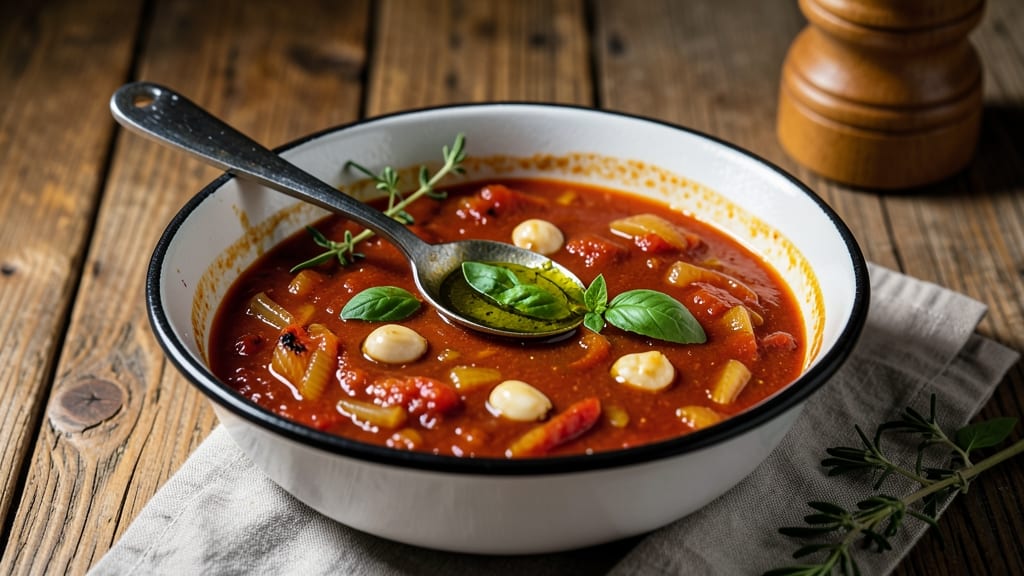
This Ball canning marinara sauce recipe with fresh tomatoes captures summer's sun-ripened tomatoes in every jar, preserving their vibrant flavor for months. The key lies in proper sterilization and acidification—both critical for safe, long-lasting results.
I’ve perfected this method over years of canning, balancing sweetness and acidity to create a sauce that tastes fresh even after storage.
Fresh tomatoes form the heart of this recipe, their natural acidity helping preserve the sauce when combined with the right amount of vinegar and salt. The process requires patience: sterilizing jars, processing them in a water bath, and letting the sauce cool properly.
But the reward—a pantry stocked with homemade marinara ready for pasta, pizza, or dipping—makes every step worthwhile.
The result is a rich, velvety sauce with deep tomato flavor and just the right balance of tang. Each jar delivers restaurant-quality taste, free from preservatives or artificial ingredients. Whether you're a seasoned canner or trying it for the first time, this method ensures foolproof results that taste homemade.
Perfect for meal prep, holiday gifting, or simply building your pantry staples, this marinara keeps beautifully for up to a year. The instructions walk through every detail—from ingredient prep to canning safety—so you can confidently preserve your harvest. Let’s get started!
Ingredients for ball canning marinara sauce recipe with fresh tomatoes
Sun-ripened tomatoes and precise acidification create the perfect canned marinara foundation.
| Ingredient | Amount | Notes |
|---|---|---|
| Fresh Tomatoes 🍅 | 10 lbs | Ripe, vine-ripened preferred |
| Yellow Onions 🧅 | 2 whole | Medium size, peeled |
| Garlic Cloves 🧄 | 6 cloves | Fresh, peeled |
| Extra-Virgin Olive Oil 🫒 | ½ cup | High quality, fruity |
| White Vinegar 💧 | ½ cup | White or apple cider |
| Salt 🧂 | 2 tbsp | Diamond Crystal preferred |
| Sugar 🍚 | 1 tbsp | Granulated, adjust to taste |
| Dried Basil 🌿 | 1 tbsp | Or 0.25 cup fresh basil |
| Ball Mason Jars 🥫 | 7 pieces | Pint size, sterilized |
| Lemon Juice 🍋 | ¼ cup | Freshly squeezed |
| Black Pepper 🌶️ | ½ tsp | Freshly ground |
Fresh tomatoes are non-negotiable here—heirloom or vine-ripened deliver the best flavor. When shopping, look for tomatoes that yield slightly to gentle pressure and have a sweet, earthy aroma. Local farmers markets often have the ripest varieties, but any ripe grocery store tomatoes work in a pinch. The onions and garlic should be firm with no soft spots, and the garlic should smell pungent, not musty. For the vinegar, white vinegar is standard, but apple cider vinegar adds a subtle fruitiness that pairs beautifully with tomatoes. Store your tomatoes at room temperature until ready to use—they'll ripen further, intensifying their flavor.
No fresh basil? Dried works at one-third the amount, but the flavor won't be as bright. Running low on vinegar? Lemon juice at 1:1 ratio can substitute, though it adds a slightly different tang. The sugar is optional but helps balance acidity—adjust based on your tomatoes' natural sweetness. For the jars, pint-sized Ball Mason jars are ideal, but quart jars work too if you prefer larger batches. Always use new lids for safe canning. If you're short on time, sterilize jars in boiling water for 10 minutes before filling—no need for fancy equipment.
This sauce keeps beautifully—up to 18 months when processed properly. Store jars in a cool, dark place like your pantry, and always check seals before opening. Once opened, transfer to the fridge and use within 5-7 days. The sauce thickens as it cools, so don't be alarmed if it looks too thin right after canning. For gifting, wrap jars in twine with a handwritten tag—homemade marinara makes the best present. Freeze extras in ice cube trays for convenient single-serving portions.
Why You'll Love This Recipe
- No-Fuss Prep: I’ll be real—this sauce comes together faster than I can say "pasta night." Just blanch those tomatoes, rough-chop onions and garlic, toss them in a pot with olive oil, and let the vinegar brighten everything up. No peeling, no fancy techniques—just honest, satisfying cooking.
- Sunshine in a Jar: That first bite of fresh tomatoes, caramelized onions, and a whisper of garlic? It’s like summer in your pantry. The vinegar cuts through the richness while the olive oil keeps it luscious—simple ingredients, but the balance is ridiculously good.
- Pantry MVP: This sauce isn’t just for spaghetti. Slather it on toast with cheese for bruschetta, toss it with roasted veggies, or freeze it for future pizza nights. Honestly, I’ve used it in everything from meatball subs to a quick shakshuka, and it never lets me down.
- Year-Round Savings: Canning it means I’m not scrambling to buy sauce when life gets busy. A few jars in the pantry = fewer takeout nights and more money in my wallet. Plus, the vinegar helps preserve it longer, so I’m not left with wilted tomatoes or sad leftovers.
Step-by-step instructions for preserving homemade marinara sauce
Master the art of canning vibrant marinara sauce with this reliable method.
Prepare and Cook the Tomato Base
Start by washing the 10 lbs fresh tomatoes thoroughly and cutting them into quarters, removing the cores. Place them in a large stockpot along with the 2 whole yellow onions, cut into large chunks, and the 6 cloves garlic cloves, lightly crushed. Add the 0.5 cup extra-virgin olive oil and bring to a boil over medium-high heat. Once boiling, reduce to medium-low heat and let it simmer uncovered for 45-60 minutes, stirring occasionally.
You'll notice the tomatoes breaking down and releasing their juices, creating a thick, rich base. The onions should soften completely, and the garlic should infuse its aroma without burning. This step develops the sauce's deep flavor—don't rush it. After simmering, use an immersion blender or food mill to partially blend the mixture until it reaches your desired consistency, leaving some texture for authentic Italian-style sauce.
Season and Acidify for Safety
Return the sauce to a boil over medium-high heat and stir in the 2 tbsp salt, 1 tbsp sugar, 1 tbsp dried basil, 0.5 tsp black pepper, 0.5 cup white vinegar, and 0.25 cup lemon juice. The vinegar and lemon juice are critical—they provide the necessary acidity to create an acidic environment in the jars, ensuring safe preservation. Let the sauce boil vigorously for 10 minutes to sterilize it further and help the flavors meld.
Taste the sauce and adjust seasoning if needed. The sugar balances the acidity, while the basil and pepper add depth. This is where the sauce transforms from simple tomato base to complex, flavorful marinara. Keep the sauce at a rolling boil for the next step.
Fill and Process the Mason Jars
Using a ladle or large spoon, carefully fill each of the 7 sterilized pint-sized Ball Mason jars with the hot marinara sauce, leaving ½-inch headspace at the top. This space allows for proper expansion during processing. Remove air bubbles by gently sliding a non-metallic spatula around the inside of the jar, then wipe the jar rims with a clean, damp cloth to ensure a proper seal.
Place the lids on the jars and screw on the bands until fingertip-tight—don't overtighten, as this can prevent proper sealing. Place the filled jars into a canning pot or large stockpot filled with 2-3 inches of hot water, ensuring the water covers the jars by at least 1 inch. Bring the water to a gentle boil and process the jars for 85 minutes for pint-sized jars.
Cool and Store the Canned Sauce
Once the processing time is complete, carefully remove the jars from the pot using tongs and place them on a clean towel-lined surface. Let them cool undisturbed for 12-24 hours—this allows the lids to seal completely. You'll hear a satisfying "ping" as the lids seal, indicating a successful preservation.
After cooling, check the seals by pressing down on the center of each lid. If the lid doesn't pop up, the jar is properly sealed. Store the sealed jars in a cool, dark place for up to 12 months. The sauce will continue to develop flavor over time, making it even more delicious as the months pass. If any jars don't seal properly, refrigerate and use within 1 week or reprocess.
Pro Tips For Making Ball Canning Marinara Sauce Recipe With Fresh Tomatoes
- Sear the Onions Slow: Low and slow wins here—cook your diced yellow onions in olive oil for 15-20 minutes until deep golden, not brown. I used to rush this and end up with bitter bits. Patience pays off when canning; you want flavor, not burnt edges.
- Crush Garlic, Don’t Mince: Smash those garlic cloves with the flat side of your knife before adding them—this releases more aroma without burning. I learned this the hard way after overcooking minced garlic into oblivion. A few extra seconds here makes a real difference.
- Acidify Early, Acidify Right: Stir in that white vinegar (or lemon juice) before canning, not after—it’s the only way to guarantee safe pH levels. Skimp here, and your jars might fail. Aim for about 2 tablespoons per quart; your future self will thank you.
- Peel Tomatoes Like a Pro: Score the bottom of each tomato with an X, drop them in boiling water for 30 seconds, then ice bath—skins slip off effortlessly. I used to wrestle with them, but this method cuts prep time in half. No more tomato skin nightmares.
Regional styles of this recipe
Southern Italian Style
In Southern Italy, marinara sauce is often made with San Marzano tomatoes—the sweet, low-acid variety that grows near Mount Vesuvius. For a regional twist, add 1 tsp red pepper flakes and 1 bay leaf during simmering, then remove the bay leaf before canning.
The result is a spicier, more aromatic sauce perfect for spaghetti alla puttanesca. I like to add 1 tbsp tomato paste to deepen the color and flavor, just like nonnas do in Naples. 🌶️
Sicilian Sun-Dried Twist
Sicily’s version incorporates sun-dried tomatoes for an intense, concentrated flavor. Before canning, blend ½ cup sun-dried tomatoes (oil-packed) into the sauce along with 1 tsp dried oregano and ½ tsp fennel seeds. This adaptation works beautifully with grilled meats or as a pizza topping.
For extra authenticity, use white wine vinegar instead of white vinegar—it adds a subtle fruity note that pairs perfectly with the tomatoes. 🍷
California Farmhouse Style
West Coast canners often use heirloom tomatoes like Brandywine or Cherokee Purple for their rich, complex flavors. Add 1 tsp smoked paprika and ½ tsp ground coriander to the sauce for a subtle smokiness.
This version pairs wonderfully with grilled chicken or fish, and the deep purple hues make it visually stunning. I’ve found that roasting the tomatoes before blending adds a caramelized depth that’s pure California charm. 🌿
New England Simplicity
Up north, marinara sauce tends to be simpler and brighter, focusing on fresh herbs and a touch of sweetness. Replace half the vinegar with apple cider vinegar and add 1 tsp dried thyme along with the basil.
This version works perfectly with clam chowder or as a dipping sauce for fresh bread. The cooler climate-inspired approach highlights the natural sweetness of the tomatoes without overpowering them. 🍂
Mexican-Inspired Adaptation
For a bold twist, add 1 tsp ground cumin and ½ tsp chili powder to the sauce during the final 10-minute boil. This adaptation transforms the marinara into a mole-inspired sauce that pairs beautifully with tacos or enchiladas.
The cumin adds earthiness, while the chili powder brings a subtle heat. Serve with corn tortillas and avocado slices for a fusion dish that’s sure to impress. 🌶️🔥
Greek-Inspired Oregano Boost
Inspired by Greek flavors, swap the basil for 1 tbsp dried oregano and add ½ tsp dried mint during the simmer. This version pairs wonderfully with grilled lamb or as a topping for gyros. The oregano adds a distinct Mediterranean aroma, while the mint brightens the sauce.
For extra richness, stir in 1 tbsp olive oil after canning. This adaptation is a game-changer for anyone looking to explore global marinara flavors. 🌿✨
Nutrition facts
Frequently asked questions
Why is vinegar essential in canned marinara?
The vinegar (and lemon juice) provides the necessary acidity to prevent harmful bacteria growth during storage. Canned foods require a pH below 4.6 for safety, and these acidic ingredients ensure your sauce stays safe for up to 12 months. Never skip this step—it's what makes home canning possible!
Can I use canned tomatoes instead of fresh?
While fresh tomatoes give the best flavor, you can substitute 28 oz canned crushed tomatoes (drained) for the 10 lbs fresh. Add ½ cup extra tomato paste to compensate for lost body. The sauce will be less vibrant but still safe when properly acidified. For canning, fresh tomatoes are ideal because their natural acidity helps meet pH requirements.
What if my jars don't seal properly?
If a jar doesn't seal after cooling, refrigerate and use within 1 week or reprocess it immediately. Check for proper headspace (½-inch) and ensure lids were tightened only until fingertip-tight. Never reuse lids—they only seal once. For extra security, add 2 tbsp lemon juice per pint jar during processing.
How do I adjust the thickness of the sauce?
For a thicker sauce, simmer the tomatoes longer (60-90 minutes) before blending. For a thinner consistency, add ½ cup water or tomato juice during the final boil. Remember, sauce thickens as it cools—don't over-thicken before canning. The 85-minute processing time helps set the final texture.
Can I add meat to this canned marinara?
No, adding meat requires pressure canning due to its low acidity. For meat sauces, use pressure canning methods with 10 pounds pressure for 75 minutes (pint jars). Alternatively, can the sauce separately and add cooked meat later. The acidity in this marinara makes it unsafe for meat additions during the canning process.