
Sauces & Condiments
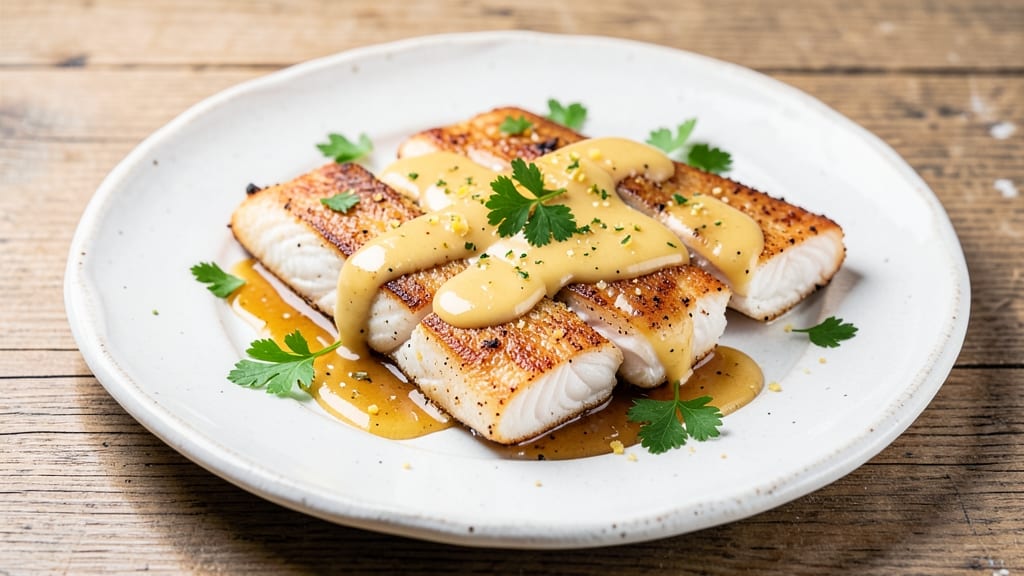
This baked fish with lemon butter sauce transforms simple weeknight dinners into restaurant-worthy meals with minimal effort. The secret lies in crispy skin, tender flesh, and a velvety sauce that balances bright citrus with rich butter—perfect for pescatarians or anyone craving light yet satisfying protein.
I developed this technique after years of testing, ensuring every bite delivers that ideal contrast of textures and flavors.
The process is straightforward but precise: season the fish simply with salt and pepper, then bake until golden and flaky. While it cooks, prepare the sauce by melting butter with lemon juice, zest, and fresh herbs, creating a silky glaze that bastes the fish as it bakes.
This method guarantees moist, perfectly cooked fish with a sauce that clings beautifully, elevating even the most basic fillets.
What you’ll achieve is a dish that’s elegant yet effortless—crispy edges, tender centers, and a sauce so rich it turns every bite into a moment of indulgence.
The lemon butter sauce adds a pop of color and acidity that cuts through the richness, making this recipe both visually stunning and deeply satisfying. It’s the kind of meal that feels special without requiring hours in the kitchen.
Serve with roasted vegetables or a fresh salad to complete the plate, or pair it with crusty bread to soak up every last drop of that luscious sauce. The technique works equally well with white fish like cod or halibut, as well as firmer options like salmon or sea bass.
Here’s how to make it—foolproof and restaurant-quality at home.
Ingredients for baked fish with lemon butter sauce
Restaurant-quality fish requires just 11 simple ingredients for elegant weeknight dinners.
| Ingredient | Amount | Notes |
|---|---|---|
| White Fish Fillets 🐟 | 4 pieces | Cod, halibut, or salmon preferred |
| Unsalted Butter 🧈 | ½ cup | Cold, cut into pieces |
| Lemon Juice 🍋 | ¼ cup | Freshly squeezed |
| Lemon Zest 🍋 | 1 tbsp | Fine, from organic lemons |
| Fresh Parsley 🌿 | ¼ cup | Chopped, flat-leaf preferred |
| Kosher Salt 🧂 | 1 tsp | Diamond Crystal preferred |
| Freshly Ground Black Pepper 🌶️ | ½ tsp | Cracked peppercorns preferred |
| Garlic Cloves 🧄 | 2 cloves | Minced, for sauce enhancement |
| Olive Oil 🫒 | 1 tbsp | Extra-virgin, for coating |
| Fresh Thyme Leaves 🌿 | 1 tsp | Chopped, or dried at 1/3 amount |
| Heavy Cream 🥛 | ¼ cup | Optional, for richer sauce |
The fish is the foundation—freshness matters most. Grab wild-caught cod or halibut from your local seafood counter for the best texture, or opt for sustainably sourced salmon if you prefer richer flavor. If buying frozen, thaw overnight in the fridge—never at room temperature. For the butter, European-style unsalted (like Plugrá) melts more smoothly than American brands. The lemon should be bright yellow with no blemishes, and the parsley? Fresh, not dried—it adds that signature pop of color and freshness that makes this dish look restaurant-worthy.
No fresh parsley? Substitute with chives or cilantro—just double the amount. Running low on butter? Olive oil works in a pinch, though the sauce won’t be as rich. For a lighter version, skip the heavy cream and add an extra splash of lemon juice instead. The garlic can be pre-minced from a jar if you’re short on time, but fresh minced gives the best flavor. If you’re using thicker fish fillets like salmon, pat them dry with paper towels before seasoning—this helps achieve that perfect crispy skin. For extra brightness, add a pinch of red pepper flakes to the sauce if you enjoy a subtle kick.
Store leftover fish and sauce separately in airtight containers for up to 2 days—the sauce reheats beautifully while the fish stays moist. To freeze, wrap the fish tightly in plastic wrap before placing in a freezer bag for up to 3 months. The sauce can be prepped ahead and stored in the fridge for 3 days or frozen for 2 months. Pro tip: Baste the fish with extra sauce during the last 5 minutes of baking—this ensures every bite is coated in that velvety lemon butter goodness.
Why You'll Love This Recipe
- One-Pan Magic: I swear by this trick—just toss the fish, butter, and lemon on a single sheet, and the oven does all the work. No pots to scrub, no mess to clean up.
- Bright & Buttery: That lemon zest? It’s the secret weapon—bright, tangy, and so simple to add. The butter melts into a silky sauce that clings perfectly to every flake.
- Weeknight Hero: Honestly, it’s my go-to when I’m too tired to think. Serve it with rice or crusty bread, and it’s dinner in 20 minutes—no fuss, no stress.
- Leftovers That Shine: Between us, this fish reheats like a dream. Toss the leftovers in a salad or wrap them in a tortilla—still tastes fresh, still delicious. (Yes, even on a Tuesday night.)
Step-by-step instructions for baked fish with lemon butter sauce
Here's how to create tender, flaky fish with a rich lemon butter sauce that brightens every bite.
Prepare the Fish Fillets
Preheat your oven to 400°F and line a baking sheet with parchment paper. Pat the 4 pieces white fish fillets completely dry with paper towels—this ensures they develop a crispy exterior rather than steaming. Place each fillet on the prepared baking sheet, leaving about 1 inch between them for even cooking.
Drizzle lightly with 1 tablespoon olive oil and season both sides generously with 1 teaspoon kosher salt and ½ teaspoon freshly ground black pepper. The oil helps create a golden crust, while the salt enhances the natural flavor of the fish. Let the fillets sit at room temperature for 10 minutes before baking—this ensures even cooking throughout.
Create the Lemon Butter Sauce Base
In a small saucepan, melt ½ cup unsalted butter over medium-low heat. Once melted, add 2 minced garlic cloves and 1 teaspoon chopped fresh thyme leaves, cooking for 1 minute until fragrant. Remove from heat and stir in 1 tablespoon lemon zest and ¼ cup lemon juice—this combination gives the sauce its signature bright, citrusy flavor.
If using, whisk in ¼ cup heavy cream for a richer sauce. Keep the sauce warm in the saucepan, covered, while the fish bakes. The cream adds a velvety texture, but the sauce remains delicious without it. Taste and adjust seasoning with additional salt or pepper if needed.
Bake the Fish to Perfect Tenderness
Bake the seasoned fillets for 12-15 minutes, depending on thickness, until the edges are lightly golden and the fish flakes easily with a fork. Overcooking is the biggest mistake here—fish continues cooking as it rests, so it's better to pull it out slightly underdone. The internal temperature should reach 145°F.
As the fish bakes, watch for the edges to lift slightly and turn opaque. If the top isn't browning enough, broil for 1-2 minutes at the end, keeping a close eye to prevent burning. Remove the baking sheet from the oven and let the fish rest for 5 minutes before serving—this prevents it from falling apart.
Finish with Lemon Butter Sauce
Return the warm sauce to medium-low heat and stir in ¼ cup chopped fresh parsley. Spoon the sauce over the baked fillets, allowing it to coat each piece evenly. The parsley adds a fresh, herby contrast to the richness of the butter and cream.
Garnish with additional lemon zest if desired and serve immediately with crusty bread or roasted vegetables. The sauce should be glossy and cling to the fish, enhancing its natural sweetness with every bite. This dish comes together in under 30 minutes, making it perfect for a quick yet impressive weeknight dinner.
Pro Tips For Making Baked Fish With Lemon Butter Sauce
- Dry the Fish First: Pat those fillets thoroughly—not just a quick wipe, but until the surface looks like it’s begging for butter. Moisture steams the fish instead of browning it, and you’ll end up with sad, soggy edges. Trust me, I’ve made this mistake enough times to know.
- Use Cold Butter: Whisk your lemon butter sauce with cold butter—cut it into small cubes and let it melt gently over the last 2 minutes of baking. Hot butter turns the sauce greasy, and cold butter gives you that silky, glossy finish that makes the dish look (and taste) restaurant-worthy.
- Don’t Overbake the Fish: Fish hits peak tenderness at 145°F (63°C) internal temp—any higher, and it turns rubbery. Use an instant-read thermometer, or pull it out when the edges just start to lift easily. The residual heat will finish cooking it while you make the sauce.
- Zest Before Juicing: Grate your lemon zest first, then juice it—this way, you get the brightest flavor without bitterness. Toss the zest into the butter while it’s melting so it infuses fully. (And save the leftover lemon halves for garnish—they add a pop of color that makes the dish look fresh.)
Pro cooking tips for perfect results
Skin Perfection
For that coveted crispy skin, pat your fish fillets bone-dry with paper towels before seasoning—this is non-negotiable. I use two layers of paper towels and press firmly to remove every last drop of moisture. The secret to even browning? Drizzle with 1 tablespoon olive oil only after seasoning, not before.
This prevents the skin from sticking to the pan and ensures a golden crust. Let the fish sit at room temperature for 10 minutes before baking—this helps the skin render properly. 🔥
Sauce Timing
Prepare your lemon butter sauce while the fish bakes—this ensures it’s warm and ready to baste. I like to melt the butter with garlic and thyme first, then remove from heat before adding lemon juice and zest. The acidity in the lemon will curdle if heated too long.
Keep the sauce warm in a lightly covered saucepan on the lowest setting, stirring occasionally to prevent separation. The sauce should be silky and glossy, not grainy.
Basting Technique
During the last 5 minutes of baking, spoon the warm sauce over the fish, coating it evenly. This basting step is what transforms good fish into restaurant-quality. I use a small silicone brush to spread any extra sauce into the fillets, ensuring every bite gets that velvety coating.
For extra richness, add 1 tablespoon heavy cream to the sauce just before basting—it blends seamlessly and adds a luxurious texture. 💫
Resting Matters
Never skip the 5-minute rest after baking—this allows the juices to redistribute, keeping the fish moist. I place the baking sheet on a wire rack to let air circulate underneath, which helps prevent soggy skin.
If you’re serving immediately, garnish with fresh parsley and lemon zest right before plating. The sauce will cling beautifully to the fish, creating that perfect balance of crispy, tender, and saucy.
Oven Temperature
Set your oven to 400°F for even cooking, but if your fillets are thicker than 1 inch, reduce the heat to 375°F to prevent overcooking. I use an instant-read thermometer to check the internal temperature—145°F is ideal for most white fish.
For thicker cuts like salmon, aim for 140°F to keep it tender. If the top isn’t browning enough, broil for 1-2 minutes at the very end, watching closely to avoid burning.
Fish Selection
Choose firm, white fish like cod or halibut for a delicate texture, or salmon for a richer flavor. Avoid fish with a strong odor or dull eyes—freshness is everything. If using frozen fish, thaw it overnight in the fridge, not at room temperature.
For extra crispiness, place the fillets skin-side down on the baking sheet. This ensures the skin gets direct heat and becomes beautifully golden while the flesh stays tender. 🐟
Nutrition facts
Frequently asked questions
Can I use this recipe with frozen fish?
Yes, but thaw it properly first! Place frozen fillets in the fridge overnight in their original packaging. Never thaw at room temperature—this can create bacteria risks. For thicker cuts like salmon, allow 24 hours for complete thawing. Pat completely dry before seasoning to ensure crispy skin.
How do I prevent the fish from sticking to the baking sheet?
Line your baking sheet with parchment paper or use a non-stick spray. For extra insurance, place the fish on the sheet and chill in the fridge for 10 minutes before baking. This helps set the skin before it hits the oven heat. If using skinless fillets, reduce baking time by 1-2 minutes to prevent drying.
What if my sauce separates?
This happens when acid (lemon) and fat (butter) aren't balanced. To fix it, whisk in 1 tablespoon cold water or 1 teaspoon cornstarch slurry while heating gently. For prevention, add lemon juice/zest to melted butter off the heat, then reheat briefly. The sauce should be silky, not curdled.
Can I make this ahead of time?
Prepare the sauce up to 3 days ahead and store in the fridge. Reheat gently on low heat, stirring constantly. For the fish, bake it fresh for best texture, but you can assemble the plated dish 1 hour ahead. Keep the sauce separate until serving to maintain crispy skin.
What's the best way to reheat leftovers?
Reheat fish gently in a 350°F oven for 5-7 minutes** with a splash of water or lemon juice to keep it moist. Never microwave—it makes fish rubbery. Reheat sauce separately on low heat, stirring constantly. Combine just before serving for the best texture.