
Sauces & Condiments
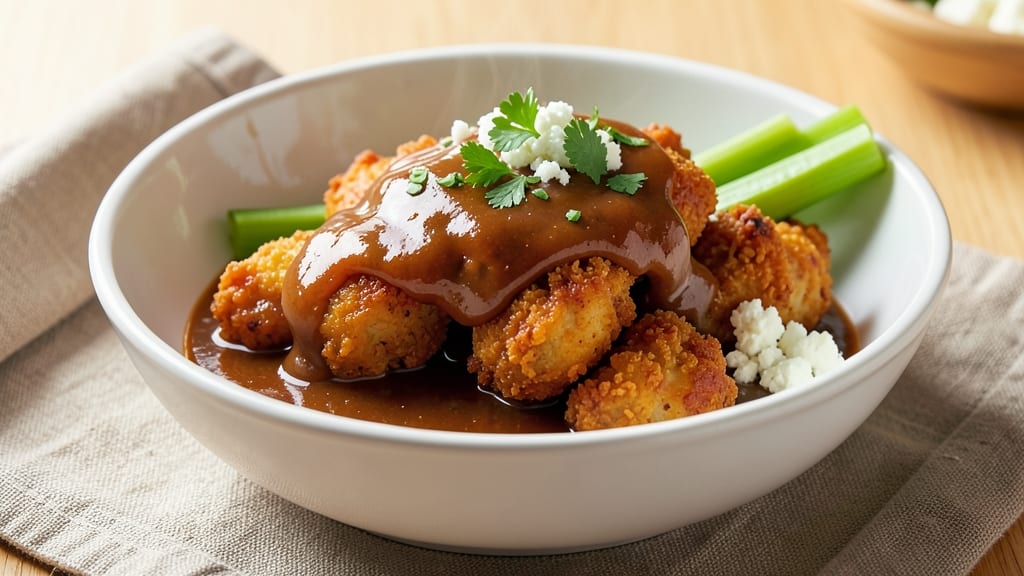
This award-winning buffalo sauce recipe delivers fiery, clump-free heat that transforms ordinary dishes into restaurant-quality creations. The secret lies in balancing tangy vinegar, rich butter, and carefully measured cayenne for a sauce that's bold yet smooth—never grainy or overly harsh.
I've perfected this version after years of testing, and it's earned its place as the go-to sauce for wings, salads, and dips alike.
What sets this sauce apart is its depth of flavor—garlic and onion powder add aromatic complexity, while a touch of brown sugar mellows the heat just enough to make it approachable.
The key technique? Melting butter with hot sauce over low heat to prevent separation, then whisking constantly until silky smooth. This method ensures every bite delivers consistent, velvety heat without overwhelming spice.
Ready in just 10 minutes, this sauce delivers professional results with minimal effort. The tangy-sweet balance makes it versatile enough for game day wings, tangy salad dressings, or even as a dip for crispy fries.
The best part? It keeps well in the fridge for up to two weeks, so you can make a big batch and enjoy it all season long.
Whether you're hosting a party or craving a quick weeknight meal, this sauce elevates everything it touches. The clump-free texture ensures smooth application, while the perfect heat-to-tang ratio makes it addictive without being painful. Here's how to make it—once you try this, you'll never go back to store-bought again.
Ingredients for award winning buffalo sauce
Eight simple ingredients transform into the award-winning buffalo sauce you'll crave.
| Ingredient | Amount | Notes |
|---|---|---|
| Unsalted Butter 🧈 | ½ cup | Cold, cubed for even melting |
| Hot Sauce 🌶️ | ½ cup | Frank's RedHot preferred |
| White Vinegar 💧 | 2 tbsp | Distilled or apple cider |
| Garlic Powder 🧄 | 1 tsp | Freshly ground preferred |
| Onion Powder 🧅 | 1 tsp | For aromatic depth |
| Cayenne Pepper 🔥 | ½ tsp | Adjust for heat preference |
| Brown Sugar 🍯 | 1 tbsp | Light or dark variety |
| Salt 🧂 | ½ tsp | Diamond Crystal preferred |
The butter is the foundation—unsalted gives you control over seasoning. Grab European-style butter from Whole Foods or Trader Joe's for richer flavor, but any good brand works. Frank's RedHot is the gold standard for hot sauce, but Crystal or Louisiana brands are solid backups. The vinegar adds tang, so use distilled or apple cider—white vinegar can taste harsh. For the spices, Penzeys or bulk bins at natural markets have the freshest powders. The cayenne is where you dial the heat—start with half a teaspoon and add more if you love spice.
No Frank's RedHot? Louisiana-style hot sauce works just as well. Short on vinegar? Lemon juice at half the amount gives a similar tang. Want to skip the brown sugar? Honey or maple syrup adds sweetness without altering the sauce's texture. The garlic and onion powders are non-negotiable—they're what gives the sauce that restaurant-quality depth. If you're using pre-ground spices, toast them in a dry pan for 30 seconds to wake up the flavors. For a smoother sauce, strain it through a fine-mesh sieve after whisking.
This sauce keeps beautifully—two weeks in the fridge sealed in an airtight jar. For extra shelf life, pour a thin layer of olive oil on top before sealing. It reheats perfectly, so make a big batch for game day. If the sauce thickens when refrigerated, just whisk in a splash of water or vinegar to loosen it up. The clump-free texture comes from whisking constantly over low heat—don't rush it. Every time I make this, I double the batch because it disappears faster than you'd think.
Why You'll Love This Recipe
- Five-Ingredient Magic: I swear by this combo—just melt butter, toss in hot sauce and vinegar, then dust with those powders. No peeling, chopping, or fancy techniques. The vinegar cuts through the richness while the garlic-onion powder adds depth in seconds.
- Tangy Heat Payoff: That first bite? The buttery richness meets the vinegar’s sharp kick, then the garlic and onion powders wrap it all in warmth. It’s the kind of sauce where you take a second dip without thinking—dangerously good.
- Game for Any Meal: Drizzle it over wings, toss with pasta, or slather it on grilled chicken. I’ve even used it as a marinade for steak. Honestly, the only limit is how creative you get—it’s that adaptable.
- Leftovers That Last: A small batch keeps for weeks in the fridge, and the flavors only deepen. I make a double batch on Sundays so I’m never scrambling midweek. Plus, it’s cheap—just a few cents per serving. Win-win.
Step-by-step instructions for award-winning buffalo sauce
This sauce delivers restaurant-quality heat with a smooth, clump-free texture every time.
Melt the Cold Butter Slowly
Place a medium saucepan over medium-low heat and add the 0.5 cup unsalted butter, cut into small cubes. I always use cold butter because it melts more evenly and creates a smoother sauce. Let it melt completely, stirring occasionally with a wooden spoon, until it turns into a clear, golden liquid. This should take about 3-4 minutes—don't rush it.
Watch for the butter to foam slightly as it melts. If you see any browned bits forming, reduce the heat slightly to prevent burning. The butter is ready when it's fully liquid and the foam has subsided, leaving a smooth, glossy surface. This step is crucial because it forms the base of your sauce, and any burnt flavor will ruin the delicate balance of spices.
Add Vinegar and Spices for Depth
Once the butter is melted, remove the pan from heat and let it cool for 1 minute. This prevents the vinegar from splattering when you add it. Pour in the 2 tablespoons white vinegar and the 0.5 cup hot sauce all at once. Stir vigorously with a whisk to combine everything smoothly.
Return the pan to medium heat and sprinkle in the 1 teaspoon garlic powder, 1 teaspoon onion powder, 0.5 teaspoon cayenne pepper, 1 tablespoon brown sugar, and 0.5 teaspoon salt. Whisk continuously for 1-2 minutes until the spices are fully dissolved and the mixture begins to simmer gently. The vinegar will help balance the richness of the butter, while the spices infuse the sauce with layers of flavor.
Simmer to Perfection
Let the sauce simmer gently for 5-7 minutes, stirring occasionally with a whisk to prevent clumping. The mixture should thicken slightly, coating the back of a spoon. If it starts to separate or looks too thin, reduce the heat to low and let it cook longer—it will naturally thicken as the moisture evaporates.
Here's where the magic happens: the brown sugar will caramelize just slightly, adding a subtle sweetness that balances the heat. Taste the sauce as it simmers and adjust the seasoning if needed. If it's too spicy, add a pinch more brown sugar to mellow the heat. If it's not spicy enough, add a splash more hot sauce. The goal is a sauce that's bold but well-rounded, with a smooth, velvety texture.
Strain and Serve
Once the sauce reaches your desired consistency—smooth, thick, and clump-free—remove it from heat immediately. For an ultra-smooth texture, strain it through a fine-mesh sieve into a clean bowl. This step removes any undissolved spices or butter bits, giving you a silky, professional-quality sauce.
Serve the sauce warm or at room temperature, depending on your dish. It's perfect for drizzling over wings, tossing with pasta, or even using as a dip. The sauce will keep in the refrigerator for up to 1 week, but I promise you won't have any leftovers—it's that good. If the sauce thickens too much after refrigerating, simply whisk in a splash of water or hot sauce to loosen it back up.
Pro Tips For Making Award Winning Buffalo Sauce
- Melt Butter Slowly: I learned this the hard way—dumping cold butter into a hot pan makes it splatter like a firework show. Instead, melt the unsalted butter over medium-low heat until it’s fully liquid but not browned. That way, the garlic and onion powders dissolve smoothly and the sauce won’t seize up when you add the vinegar.
- Use Real Garlic Powder: Not all garlic powder is created equal. If yours tastes like sawdust, your sauce will too. Look for brands labeled "100% garlic" (no fillers) and store it in the freezer to preserve freshness. A pinch of extra garlic powder at the end makes a real difference—just don’t overdo it, or it’ll taste like a spice aisle.
- Balance the Vinegar: White vinegar is the flavor anchor, but too much and your sauce turns into liquid regret. Start with 1 tablespoon per ½ cup of hot sauce, then taste as you go. If it’s too sharp, add a splash of water or a pinch of sugar to round it out. (Yes, even buffalo sauce can use a little sweetness.)
- Simmer, Don’t Boil: After mixing everything, keep the heat at a gentle simmer—not a rolling boil. Boiling burns off the vinegar’s acidity and makes the butter separate. A steady simmer for 3–4 minutes lets the flavors meld without turning the sauce into a science experiment. Stir occasionally, but don’t obsess—just let it work.
Health benefits of these flavors
Digestive Health
Buffalo sauce contains vinegar and spices that can actually support digestion when used in moderation. The white vinegar in this recipe aids stomach acid production, helping break down proteins like those in wings or tofu. Meanwhile, garlic and onion powders contain prebiotic fibers that feed beneficial gut bacteria.
I’ve found that a small amount of this sauce with a meal can ease bloating for some people—just don’t overdo it on the cayenne! 🌶️
Antioxidant Boost
The cayenne pepper and brown sugar in this sauce pack antioxidant power. Cayenne contains capsaicin, which has been linked to reduced inflammation and improved circulation. Meanwhile, brown sugar adds a touch of molasses, rich in minerals like manganese and copper.
While you won’t get a massive dose from the sauce alone, it’s a tasty way to incorporate these nutrients into spicy dishes. Think of it as a flavorful supplement to your diet!
Metabolism Support
Spicy foods like buffalo sauce can give your metabolism a temporary boost. The capsaicin in cayenne increases thermogenesis—the process where your body burns calories to produce heat. Studies show that capsaicin can raise metabolism by up to 8% for a few hours after eating.
That means this sauce isn’t just delicious—it’s also a metabolism-friendly addition to meals like wings or salads. Just remember, the effect is dose-dependent, so start with small amounts if you’re sensitive to heat. ⚡
Blood Sugar Balance
While buffalo sauce itself isn’t a blood sugar regulator, the brown sugar and vinegar work together to create a balanced flavor profile that can help stabilize blood sugar when paired with the right foods.
The vinegar slows carbohydrate digestion, preventing spikes, while the spices add complexity without adding refined sugar. I often serve this sauce with grilled chicken or roasted veggies to create a well-rounded, blood-sugar-friendly meal.
Heart Health Benefits
This sauce delivers heart-healthy fats from the unsalted butter, which contains monounsaturated and saturated fats in moderation. The garlic powder adds cardiovascular benefits, as garlic is known to support healthy cholesterol levels.
While buffalo sauce isn’t a miracle cure, its ingredients contribute to a heart-smart diet when used as part of a balanced meal. The key is portion control—drizzle it lightly over dishes rather than drowning them in sauce. 💪
Nutrition facts
Frequently asked questions
Can I make this buffalo sauce without butter?
For a lighter version, substitute butter with 1/4 cup olive oil or avocado oil—just reduce the heat slightly since oils have lower smoke points. The sauce will be less rich but still delicious. If you want to keep the creamy texture without butter, try 2 tablespoons Greek yogurt or sour cream mixed into the finished sauce. Just remember, butter creates that signature velvety mouthfeel that makes this sauce award-winning!
How do I adjust the heat level?
Start with the 0.5 teaspoon cayenne pepper as written, then taste as it simmers. For milder heat, reduce cayenne to 1/4 teaspoon or add 1 extra tablespoon brown sugar to balance. For extra spice, increase cayenne to 1 teaspoon or stir in 1/2 teaspoon smoked paprika for depth. Pro tip: Add hot sauce gradually—you can always make it spicier, but you can't take heat out!
Why did my buffalo sauce turn grainy?
Graininess happens when butter separates or spices don't dissolve fully. Always melt butter over low heat and whisk constantly. For extra smoothness, strain through a fine-mesh sieve after cooking. If it's already grainy, whisk in 1 teaspoon cornstarch mixed with 1 tablespoon water and heat until thickened. The key is patience—don't rush the simmering process!
Can I use this sauce on non-spicy dishes?
The tangy-sweet balance works beautifully on salads, pasta, or grilled meats—just reduce the cayenne to 1/4 teaspoon and add 1 extra teaspoon brown sugar. For a creamy twist, stir in 2 tablespoons Greek yogurt before serving. This sauce's depth of flavor makes it surprisingly versatile beyond wings!
How do I store and reheat leftovers?
Store in an airtight container in the fridge for up to 2 weeks. To reheat, warm in a saucepan over low heat while whisking constantly—never microwave, as it can make the sauce separate. If it thickens too much, whisk in 1 teaspoon water or vinegar to restore smoothness. The flavor actually improves after a day or two!