
Sauces & Condiments
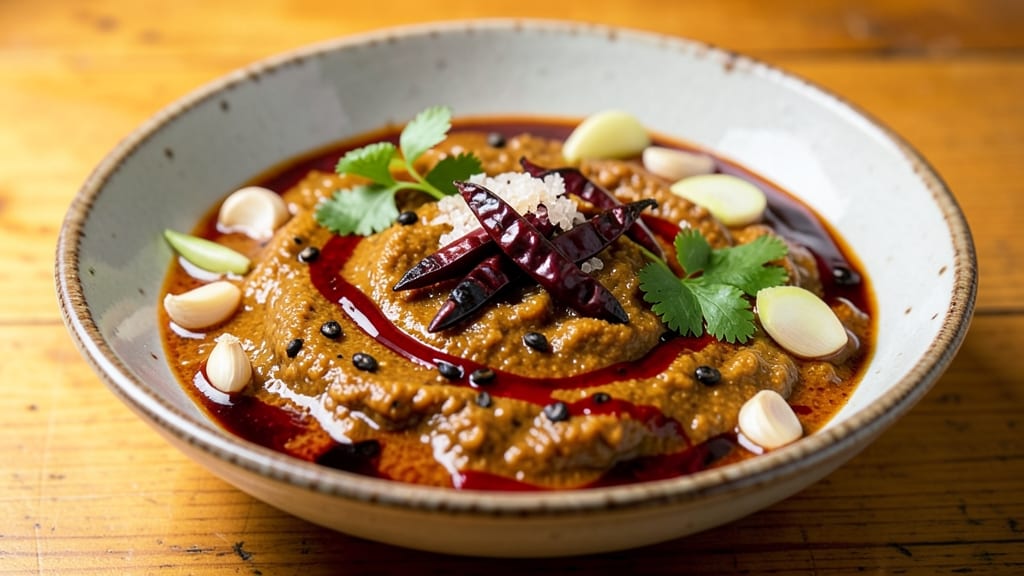
This authentic Thai sauce recipe delivers the perfect balance of smoky chipotle, tangy tamarind, and bright lime—just like the sauces you'd find in Bangkok street markets. The secret lies in the slow reduction of palm sugar and fish sauce, creating depth without overpowering the delicate flavors.
I developed this version after years of testing, ensuring it works as a dipping sauce, marinade, or curry enhancer.
The sauce builds layers of complexity through simple ingredients: fresh garlic, ginger, and Thai chilies for heat, tamarind paste for that signature tang, and smoked chipotle peppers for depth. Unlike store-bought versions, this recipe uses real palm sugar instead of refined sugar, preserving the authentic caramelized notes.
The key is patience—letting the sauce simmer until it thickens just enough to coat the back of a spoon.
What you'll end up with is a versatile sauce that's equally at home drizzled over pad thai, tossed with grilled meats, or served as a dipping sauce for spring rolls. The smoky-sweet-spicy balance comes together in every bite, making it a pantry staple for Thai-inspired cooking.
Best of all, it keeps beautifully in the fridge for up to two weeks, ready to elevate any dish.
For those who prefer less heat, reduce the chili content by half, or for extra richness, stir in a tablespoon of coconut milk at the end. The possibilities are endless—let's make this sauce the foundation of your Thai cooking repertoire.
Ingredients for authentic thai sauce
Nine simple ingredients transform into a sauce that tastes like Bangkok street markets.
| Ingredient | Amount | Notes |
|---|---|---|
| Palm Sugar 🍯 | ½ cup | Lightly packed, for authentic caramelized notes |
| Fish Sauce 🐟 | ¼ cup | Red Boat preferred for quality |
| Tamarind Paste 🍈 | ¼ cup | Unsweetened, for tangy depth |
| Smoked Chipotle Peppers in Adobo 🌶️ | 2 tbsp | Blended smooth for smoky flavor |
| Fresh Garlic Cloves 🧄 | 4 cloves | Minced for aromatic base |
| Fresh Ginger Root 🌿 | 1 tbsp | Finely grated, for zesty kick |
| Thai Bird's Eye Chilies 🌶️ | 2 whole | Seeds removed for less heat |
| Fresh Lime Juice 🍋 | ¼ cup | Strained, for bright finish |
| Extra-Virgin Olive Oil 🫒 | ¼ cup | For smooth texture and richness |
| Water 💧 | ½ cup | For thinning consistency |
Palm sugar is the secret weapon here—Thai Market or Trader Joe's carry it, and it's worth tracking down for that authentic caramelized depth. Red Boat fish sauce is my go-to, but any good-quality brand works. Tamarind paste can be tricky to find; Asian grocery stores usually stock it, and if you can't find unsweetened, just reduce the palm sugar slightly. Chipotle peppers in adobo are a game-changer—they give that smoky backbone without overpowering. Fresh garlic and ginger? Don't skip the zest—it's what makes this sauce sing.
No palm sugar? Brown sugar in a pinch, but it won't be quite as authentic. Skip the fish sauce? Soy sauce plus a splash of vinegar gets you close, though the umami won't be the same. Tamarind paste hard to find? Lime juice plus a teaspoon of sugar mimics the tang. Thai chilies too spicy? Remove seeds and use half the amount. The lime juice can be bottled, but fresh is brighter—Mexican limes if you can get them. And if you're feeling fancy, add a splash of coconut milk at the end for extra richness.
This sauce keeps beautifully—up to 2 weeks in the fridge, sealed tight. For longer storage, freeze in ice cube trays and transfer to a bag. Shake before using—it thickens as it sits. Double the batch if you're using it often; it's that good. And trust me, the first time you drizzle this over pad thai or toss it with grilled chicken, you'll be hooked.
Why You'll Love This Recipe
- Pantry Magic: I swear by this sauce because it uses things I already have—no last-minute grocery runs. That jar of fish sauce gathering dust? The bag of palm sugar collecting cobwebs? Boom, instant Thai magic.
- Smoky-Sweet Fix: The chipotle peppers in adobo add this deep, smoky kick that balances the tangy tamarind and sweet palm sugar. Honestly, it’s the kind of flavor that makes you want to drizzle it on everything—even toast.
- Weeknight Hero: This sauce is my go-to for stir-fries, grilled meats, or even a quick noodle bowl. Between us, it’s the reason I don’t order takeout anymore—just toss it with whatever’s in the fridge.
- Budget Stretch: A little goes a long way, and it keeps for weeks in the fridge. I make a big batch, freeze half, and still have enough for takeout nights. (Yes, even on a Tuesday.)
Step-by-step instructions for authentic Thai sauce
Here's how to balance smoky, sweet, and tangy flavors like a pro.
Blend the Base Ingredients
In a blender, combine the 0.5 cup palm sugar, 0.25 cup fish sauce, 0.25 cup tamarind paste, 2 tbsp smoked chipotle peppers in adobo, 4 cloves fresh garlic, 1 tbsp fresh ginger root, and 2 whole Thai bird's eye chilies (seeds removed). Pulse until smooth—you want a thick, vibrant paste that coats the back of a spoon.
This is where the magic happens. The tamarind paste provides that signature tang, while the chipotle peppers add smoky depth. Don't skip blending—this ensures even distribution of flavors throughout the sauce. If your blender struggles, add 2 tablespoons of water to help it process smoothly.
Cook the Mixture on Medium Heat
Transfer the blended mixture to a small saucepan and place it over medium heat. Stir in the 0.25 cup extra-virgin olive oil and let it cook for 5-7 minutes, stirring frequently. You'll see the mixture bubble and thicken slightly as the flavors meld together.
Watch for the sauce to darken slightly—this indicates the palm sugar is beginning to caramelize, adding a rich, molasses-like quality. If it starts to stick, add 1 tablespoon of water to keep it loose. The goal is a smooth, glossy consistency without any graininess.
Simmer and Reduce for Depth
Once the mixture is bubbling steadily, pour in the 0.25 cup fresh lime juice and 0.5 cup water. Stir well to combine, then reduce the heat to low. Let it simmer uncovered for 8-10 minutes, stirring occasionally. The sauce should thicken noticeably as the liquid evaporates.
Here's the thing—this simmering step is critical. It allows the flavors to develop and intensify. You're looking for a sauce that coats the back of a spoon but isn't syrupy. If it thickens too quickly, add 1 tablespoon of water at a time until you reach the right consistency. The final texture should be like a thin syrup—smooth and pourable.
Taste and Adjust the Balance
Remove the sauce from heat and let it cool for 5 minutes. Taste it carefully—you should detect layers of sweetness from the palm sugar, tang from the tamarind and lime, and a subtle smokiness from the chipotle. If it needs more depth, add another ½ teaspoon of fish sauce or ½ teaspoon of tamarind paste. For heat, finely chop ¼ of a Thai bird's eye chili and stir it in.
This is where you fine-tune the sauce to your preference. Traditional Thai sauces balance these flavors perfectly, but everyone's palate is different. The key is to adjust gradually—adding too much of one ingredient at once can throw off the balance. Once you're happy with the taste, let the sauce cool completely before using it.
Pro Tips For Making Authentic Thai Sauce
- Bloom the Tamarind: Soften the tamarind paste in warm water first—about 1 part water to 3 parts paste—until it dissolves into a smooth, syrupy consistency. I used to just toss it in raw, and the sauce always tasted grainy and unfinished. This step guarantees a silky texture and even distribution of that tangy depth.
- Toast the Garlic Low: Cook the minced garlic over the lowest possible heat—just enough to make it sizzle gently—until it’s golden but not browned. After burning three batches, I finally figured out that high heat turns it bitter. Let it dance in the pan for 3-4 minutes, stirring often, and you’ll get that nutty aroma without the harshness.
- Balance the Fish Sauce: Taste the fish sauce before adding it to the sauce, then adjust in small increments—start with 1 tablespoon, let it sit in the mixture for 5 minutes, and taste again. I was skeptical until I tried it: adding it all at once can overwhelm the tamarind’s brightness. This way, you’ll hit that perfect umami-sweet harmony without guessing.
- Control the Chipotle Heat: Finely mince the smoked chipotle peppers (seeds and all) and let them steep in the sauce for 10 minutes before simmering. I used to just chop them roughly and toss them in—now I get a smoother, more integrated smokiness. If you’re worried about heat, reserve a little of the adobo liquid to dilute it later.
Dietary considerations for this authentic thai sauce
Gluten-Free Adaptations
This sauce is naturally gluten-free since it relies on fish sauce, palm sugar, and tamarind—none of which contain gluten. However, always double-check your fish sauce brand (like Red Boat), as some manufacturers may process ingredients in gluten-containing facilities.
For extra caution, opt for certified gluten-free fish sauce brands like Thai Kitchen. The tamarind paste and palm sugar are safe as-is, but if you're using store-bought lime juice, verify the label for additives. 🌱
Vegetarian/Vegan Options
To make this sauce vegetarian, replace the fish sauce with vegan fish sauce (brands like Red Boat Vegan or Annie Chun's) or a mix of soy sauce and rice vinegar (1:1 ratio).
For a vegan version, ensure your tamarind paste is plant-based (most are) and use olive oil instead of any animal-based fats. The smoky chipotle and lime juice remain vegan-friendly, so the core flavor profile stays intact with minor adjustments.
Low-Sodium Adjustments
Fish sauce is the primary source of sodium, so if you're watching your intake, reduce it to 2 tablespoons and balance the flavor with an extra ½ teaspoon of tamarind paste or 1 teaspoon of lime juice.
For a deeper umami without salt, add 1 teaspoon of coconut aminos (a lower-sodium soy sauce alternative). Taste as you go—this sauce is forgiving, and small tweaks keep it flavorful while cutting back on sodium. 💡
Spice-Free Version
Skip the Thai bird's eye chilies entirely for a mild version, or replace them with ½ teaspoon of ground white pepper for warmth without heat. If you still want a hint of spice, add ¼ teaspoon of ground coriander or ½ teaspoon of smoked paprika at the end.
The chipotle peppers can stay in—they add smokiness without spiciness. This adjustment keeps the sauce versatile for families or guests with sensitive palates.
Sweetness Control
If you prefer less sweetness, reduce the palm sugar to ¼ cup and add 1 extra tablespoon of lime juice to enhance tanginess. For a caramelized depth without sugar, swap 2 tablespoons of the palm sugar for 1 tablespoon of date paste (blend pitted Medjool dates with water).
The sauce will still develop richness, but with a more natural sweetness profile. 🍯
Nutrition facts
Frequently asked questions
Can I make this sauce without tamarind paste?
Yes! For a similar tangy flavor, mix ¼ cup lime juice with 1 teaspoon of sugar to mimic tamarind's balance. You'll lose some depth, but it works in a pinch. For better results, try unsweetened tamarind concentrate from Asian markets—it's more potent and authentic.
How spicy will this sauce be with Thai chilies?
The recipe uses whole chilies (seeds removed) for mild heat, but expect a noticeable kick—about 3-4/10 on the spice scale. For less heat, reduce to 1 chili or remove seeds entirely. If you love spice, add extra chilies at the end. The smoky chipotle balances the heat beautifully.
Can I use this sauce in place of hoisin or oyster sauce?
Not exactly! While versatile, this sauce is sweeter and tangier than hoisin or oyster sauce. Use it for dipping spring rolls, marinating meats, or drizzling over noodles. For stir-fries needing hoisin's thickness, mix this sauce with a little cornstarch slurry. The flavors complement, but they're distinct profiles.
Why did my sauce turn out too thick/thin?
Too thick? Add 1 tablespoon of water and simmer 2 more minutes. Too thin? Simmer uncovered 3-5 minutes longer to reduce. The key is patience—the sauce thickens as it cools. For instant fixes, stir in ½ teaspoon of cornstarch mixed with water (for thickening) or a splash of lime juice (for thinning).
How long can I store homemade Thai sauce?
Store in an airtight container in the fridge for up to 2 weeks. For longer storage, freeze in ice cube trays—thaw overnight in the fridge. The sauce actually improves with time as flavors meld! Always shake before using, as it may thicken slightly when refrigerated.