
Sauces & Condiments
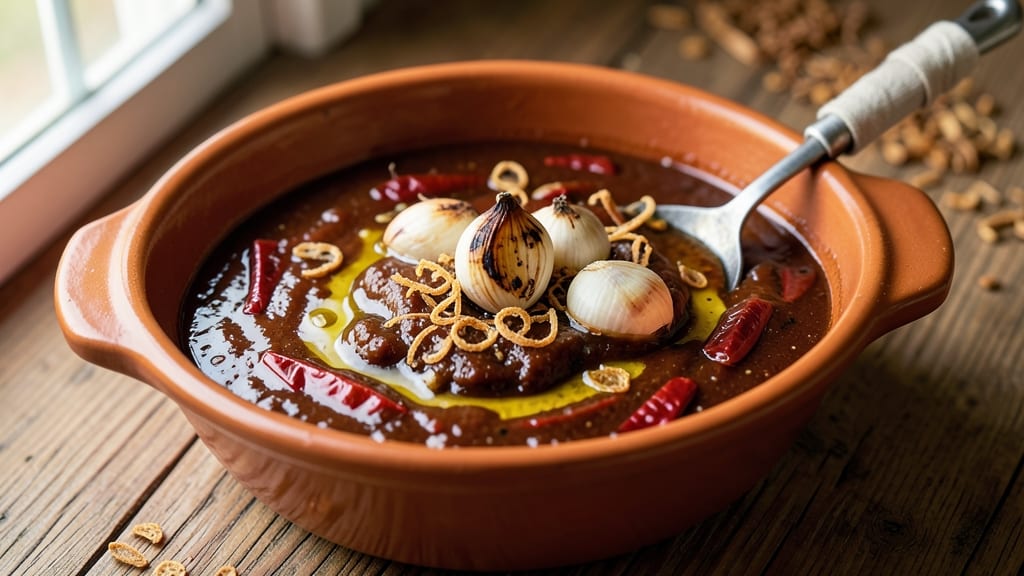
This authentic Mexican adobo sauce transforms simple ingredients into a complex, smoky masterpiece that elevates everything it touches. The secret lies in balancing chipotle's deep heat with vinegar's bright tang, creating a sauce that's as versatile as it is flavorful.
I've perfected this recipe after years of testing—each element plays a crucial role in delivering that signature Mexican restaurant depth at home.
The foundation starts with adobo paste, the smoky heart of this sauce, blended with garlic, cumin, and oregano for warmth. White vinegar cuts through the richness while preserving the chile's intensity, and chicken broth adds body without overpowering the flavors.
What makes this sauce truly authentic is the slow simmering process, which allows all the components to meld into a harmonious balance of heat, acidity, and earthy spices.
What you'll end up with is a sauce that's rich enough to use as a marinade for meats, bold enough to drizzle over tacos, or versatile enough to cook with beans and vegetables.
The aroma alone will transport you to a bustling Mexican kitchen, while the taste delivers that perfect marriage of smoky, spicy, and tangy notes that define authentic Mexican cooking. This isn't just a sauce—it's a flavor experience.
Once made, this adobo sauce keeps beautifully in the refrigerator for up to two weeks, allowing you to build flavor over time.
Whether you're marinating chicken for carnitas, basting grilled vegetables, or simply drizzling it over corn tortillas, this sauce will become your go-to for adding authentic Mexican depth to any dish. Let's make it—your taste buds will thank you.
Ingredients for authentic mexican adobo sauce
Nine essential ingredients transform into a smoky, tangy masterpiece that defines Mexican cooking.
| Ingredient | Amount | Notes |
|---|---|---|
| Adobo Paste 🌶️ | ½ cup | Smoky chipotle in adobo sauce |
| White Vinegar 💧 | ½ cup | Distilled white vinegar preferred |
| Chicken Broth 🍲 | 1 cup | Low-sodium preferred |
| Garlic Cloves 🧄 | 3 cloves | Fresh, peeled, minced |
| Ground Cumin 🌿 | 1 tbsp | Toasted for deeper flavor |
| Dried Oregano 🍃 | 1 tsp | Mexican oregano preferred |
| Salt 🧂 | 1 tsp | Diamond Crystal kosher salt |
| Black Pepper 🌶️ | ½ tsp | Freshly ground preferred |
| Olive Oil 🫒 | 2 tbsp | Extra-virgin for richness |
The adobo paste is non-negotiable—La Costeña or Gourmet Mexicaine are my go-tos, but any reputable brand with whole chipotles works. Look for paste that's thick and deeply red, not watery or diluted. Mexican grocery stores often carry better quality than mainstream supermarkets. If you can't find adobo paste, chipotle peppers in adobo sauce blended with a splash of vinegar is a decent substitute, though the texture won't be identical. Toast your cumin seeds in a dry pan for 30 seconds before grinding to unlock their nutty depth—trust me on this. For garlic, I use elephant garlic when available—it's milder and sweeter, perfect for balancing the heat.
No white vinegar? Apple cider vinegar works in a pinch, though it'll add a subtle sweetness. Short on chicken broth? Vegetable broth or even water with a pinch of bouillon keeps the sauce from tasting flat. Can't find Mexican oregano? Regular dried oregano at half the amount still delivers, though it lacks that authentic earthy note. Olive oil is where you shouldn't skimp—California Olive Ranch or Colavita add a fruity brightness that cuts through the smokiness. For extra depth, add a dash of smoked paprika if you're feeling adventurous. And if you're worried about heat, remove the chipotle seeds before blending the paste—no one will know.
This sauce builds flavor like fine wine. Day one. Store it in a glass jar in the fridge, and the flavors will meld beautifully over 3-5 days. For longer storage, freeze in ice cube trays—perfect for thawing just what you need. The sauce thickens as it cools, so stir in a splash of broth if it becomes too stiff. Once opened, it keeps for up to 2 weeks, though I rarely have any left that long. Pro tip: drizzle it over avocado toast or use it as a marinade for grilled shrimp—the possibilities are endless.
Why You'll Love This Recipe
- Pantry Magic: Honestly, I can make this sauce with stuff I already have—no last-minute grocery runs. The adobo paste and vinegar do all the heavy lifting while I chop garlic in under two minutes.
- Umami Bomb: That smoky-sweet adobo paste? It’s the star. One spoonful and the whole kitchen smells like a Mexican street stall. The cumin deepens it into something you’ll want to drizzle on everything.
- Leftovers That Shine: I make a big batch on Sundays because this sauce only gets better after sitting. Toss it with rice, slather it on grilled chicken, or freeze half for when you’re too tired to cook.
- Weeknight Hero: Between us, this is my go-to when I’m swamped. Simmer it while dinner cooks—no babysitting required. Even my picky-eating partner asks for seconds, and that’s saying something.
Step-by-step instructions for authentic Mexican adobo sauce
This smoky, vibrant sauce delivers restaurant-quality depth with just a few key ingredients.
Bloom the Spices in Olive Oil
Heat the 2 tablespoons olive oil in a medium saucepan over medium-low heat. Add the 1 tablespoon ground cumin and 1 teaspoon dried oregano, stirring constantly for 30 seconds until fragrant. This step awakens the spices' flavors—you'll notice the aroma intensify as they warm.
Here's the thing—don't walk away. Cumin burns quickly, and once it's toasted, there's no going back. Keep your eye on the pan until you see the spices dance with tiny bubbles around the edges. This foundational step ensures your sauce has that authentic Mexican depth right from the start.
Add Garlic and Adobo Paste
Push the spices to one side of the pan and add the 3 cloves minced garlic, allowing it to sizzle gently for 30 seconds until golden. Then add the 0.5 cup adobo paste, stirring to combine. The paste will darken slightly as it melts into the oil, releasing its smoky chipotle essence.
Real talk: the adobo paste is where the magic happens. That's your smoky backbone right there. Stir continuously for 1-2 minutes until the paste is fully incorporated and the mixture becomes smooth. You're building flavor layers here—don't rush it. The sauce should look glossy and unified, with no visible chunks of paste.
Deglaze with Vinegar and Broth
Pour in the 0.5 cup white vinegar and scrape up any browned bits from the bottom of the pan with a wooden spoon. This deglazing step captures all those concentrated flavors you've built. Let the vinegar simmer for 2-3 minutes until it reduces by about half and the raw acidity mellows.
Now add the 1 cup chicken broth, bringing everything to a gentle simmer. Here's where it gets fun—the vinegar cuts through the richness while the broth adds body. Let it cook uncovered for 8-10 minutes until the sauce thickens slightly and coats the back of a spoon. You're looking for a consistency between glaze and gravy—thick enough to cling but still pourable.
Season and Simmer to Perfection
Add the 1 teaspoon salt and 0.5 teaspoon black pepper, stirring to dissolve completely. Taste and adjust seasoning—this is your quality control moment. The sauce should balance smoky, tangy, and earthy flavors with just a hint of heat from the chipotle.
Simmer uncovered for another 5-7 minutes until the sauce reduces slightly more and the flavors meld completely. You'll know it's ready when it coats a spoon smoothly and the aroma is rich and complex. The sauce should be vibrant red with a glossy sheen—this indicates proper reduction without burning.
Finish and Use Immediately
Remove from heat and let the sauce rest for 5 minutes—this allows the flavors to settle and the sauce to thicken slightly. The resting period is crucial; it lets the sauce come together while preventing curdling when you add it to hot foods later.
This authentic adobo sauce is best used immediately on grilled meats, roasted vegetables, or drizzled over tacos. For maximum flavor impact, use it within 3-4 days when stored in an airtight container in the refrigerator. The smoky chipotle notes will deepen as it sits, but the vinegar's brightness remains sharpest when fresh.
Pro Tips For Making Authentic Mexican Adobo Sauce
- Bloom the Cumin First: I learned this the hard way—adding ground cumin straight to the simmering sauce makes it taste bitter. Toast it dry in a small pan for 30 seconds until fragrant, then stir it into the vinegar and broth before adding the adobo paste. The aroma jumps out instantly.
- Simmer, Don’t Boil: This sauce needs patience—if you let it boil hard, the vinegar will evaporate too fast and the garlic will turn sharp. Keep it at a gentle bubble, just below a full boil, for at least 15 minutes. Your future self will notice the difference in depth.
- Muddle the Garlic: Whole cloves? Skip it. Peel and muddle the garlic with a pinch of salt first—this releases more flavor into the sauce. I used to just chop it, but now I crush it with the flat side of my knife like I’m pounding nails. (Yes, it looks weird, but it works.)
- Balance the Vinegar: Store-bought adobo paste is salty, and vinegar can overwhelm it. Taste the raw paste first—if it’s dry or bitter, add a splash of broth to it before combining everything. Start with ¼ cup vinegar, then adjust: too sharp? Add a spoon of broth; too mild? A splash more vinegar.
Common mistakes when making perfect results
Overcooking the Vinegar
Don’t let that white vinegar boil vigorously—once it hits a full simmer, it’ll evaporate too quickly and lose its bright acidity. Keep the heat at medium-low and stir occasionally to prevent scorching.
I’ve ruined batches by walking away during this step, so set a timer for 2-3 minutes max. The goal is to mellow the raw acidity, not cook it dry. 💧
Skipping the Resting Period
That 5-minute rest after removing from heat isn’t optional—it’s when the sauce’s flavors truly marry. Without it, the vinegar’s sharpness can overwhelm the smoky chipotle notes when you use it.
I once drizzled freshly made sauce over hot grilled chicken and got a mouthful of vinegar punch. Patience here makes all the difference. ⏱️
Using Low-Quality Adobo Paste
Not all adobo pastes are created equal. Cheap, watery versions will make your sauce taste flat and diluted. Always choose a thick, deep red paste with visible chipotle peppers—brands like La Costeña or Gourmet Mexicaine are worth the investment.
If you’re using chipotle peppers in adobo sauce instead, blend them with 1 tablespoon vinegar to mimic the paste’s consistency. 🌶️
Ignoring the Cumin Toasting
That 30-second cumin toast is non-negotiable for authentic flavor. Skipping it means your sauce will taste dull and one-dimensional. Toast the cumin until it’s fragrant and just starting to bubble—over-toasting burns it, turning bitter.
Use a medium-low heat and keep stirring. Trust me, your taste buds will notice the difference. 🌿
Adding Broth Too Early
If you add the chicken broth before the vinegar has reduced, you’ll dilute the sauce’s intensity. Always deglaze with vinegar first to capture those flavorful browned bits, then add the broth.
This two-step process builds depth. I’ve seen home cooks rush this and end up with a watery, lackluster sauce. Take your time—it’s worth it. 🍲
Over-Salting at the End
Taste your sauce before adding the final 1 teaspoon salt. The adobo paste, vinegar, and broth already contribute significant saltiness. I’ve ruined batches by over-salting because I assumed the sauce needed more.
Start with half the salt, taste, then adjust. Remember, you can always add more, but you can’t take it out. 🧂
Nutrition facts
Frequently asked questions
Can I make this adobo sauce without white vinegar? Yes! If you're missing white vinegar, apple cider vinegar works well—it'll add a subtle sweetness that complements the smoky flavors. For a more neutral acidity, use rice vinegar instead, but reduce it to ¼ cup since it's milder. The key is balancing the chipotle's heat with acidity, so any vinegar will work in a pinch. Just
How spicy will this sauce be, and can I adjust the heat?
The heat comes from the chipotle in the adobo paste, which gives a medium heat (around 3,000-5,000 Scoville units). For milder sauce, remove the chipotle seeds before blending the paste or reduce the amount to ¼ cup. If you love spice, add ½ teaspoon cayenne pepper or a pinch of crushed red pepper flakes. Always taste as you go!
What’s the best way to use leftover adobo sauce?
This versatile sauce works as a marinade for grilled chicken or shrimp, a glaze for roasted vegetables, or a drizzle over tacos and tostadas. For extra depth, simmer it with beans or use it as a base for soups. Store leftovers in an airtight container for up to 2 weeks—the flavors actually improve as it sits! Freeze in ice cube trays for portion control.
Why does my adobo sauce look thin or watery?
If your sauce is too thin, it likely needs more reduction time. Simmer uncovered for another 5-10 minutes until it thickens slightly. For instant thickening, mix 1 teaspoon cornstarch with 1 tablespoon water, stir into the sauce, and cook for 1-2 minutes until it reaches a glossy consistency. Avoid adding flour—it can make the sauce taste gritty.
Can I make this sauce vegetarian or vegan?
Swap the chicken broth for vegetable broth or water with 1 teaspoon bouillon powder. For a vegan version, ensure your adobo paste is vegan (some contain animal fat) and use vegan olive oil. The sauce remains rich and flavorful—just omit any animal-based ingredients. Perfect for drizzling over veggie tacos or roasted cauliflower!