
Sauces & Condiments
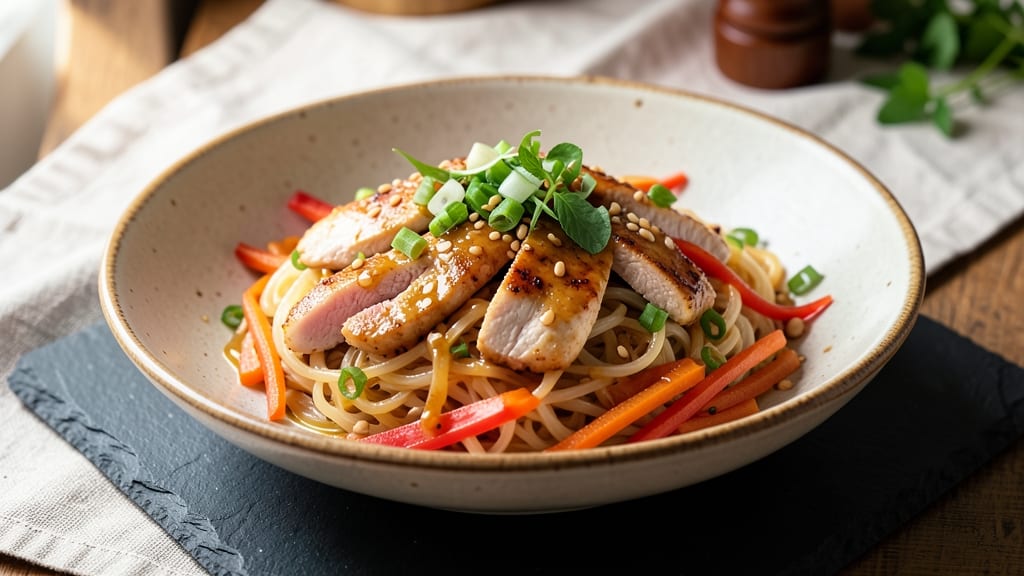
This Asian noodles with peanut sauce recipe transforms simple ingredients into a restaurant-worthy dish with just one pan and 20 minutes of active time. The secret lies in the peanut sauce—rich, nutty, and perfectly balanced with tangy tamarind and sweet chili for depth that elevates every forkful.
I developed this version after years of testing, ensuring the sauce clings to noodles without overwhelming them, while the stir-fry technique keeps vegetables crisp-tender and proteins perfectly cooked.
The beauty of this dish is its versatility—swap in shrimp, chicken, or tofu based on preference, and adjust the sauce sweetness to taste. Fresh herbs like cilantro and Thai basil add brightness, while crushed peanuts on top introduce satisfying texture.
What makes this recipe stand out is how it delivers bold flavors without requiring specialized techniques; even weeknight cooks can achieve professional results with basic pantry staples and a hot skillet.
By the time you're done, you'll have a fragrant, aromatic dish where each bite delivers the perfect harmony of creamy peanut sauce, tender noodles, and vibrant vegetables. The sauce's richness balances the dish's other components, making it both satisfying and well-rounded.
Serve immediately with lime wedges and extra peanuts for that final crunch—this is comfort food at its finest, ready in under 30 minutes total.
Perfect for meal prep or last-minute dinners, this recipe scales effortlessly for crowds. The sauce keeps well in the fridge for up to a week, so you can make a double batch and use it on everything from salads to grilled meats.
Whether you're feeding a family or treating yourself to a flavor-packed meal, this one-pan wonder delivers every time.
Ingredients for asian noodles with peanut sauce
Simple ingredients that transform into a restaurant-quality peanut noodle dish in one pan.
| Ingredient | Amount | Notes |
|---|---|---|
| Rice Noodles 🍜 | 8 oz | Thin or medium width preferred |
| Chicken Breast 🍗 | 1 ½ lb | Boneless, skinless, thinly sliced |
| Red Bell Pepper 🌶️ | 1 whole | Thinly sliced, any color |
| Carrot 🥕 | 1 whole | Julienned or thinly sliced |
| Green Onions 🧅 | 4 whole | Thinly sliced, white and green parts |
| Peanut Butter 🥜 | ½ cup | Natural, unsweetened, creamy |
| Tamarind Paste 🍋 | 1 tbsp | Or substitute lime juice |
| Sweet Chili Sauce 🌶️ | 1 tbsp | Store-bought or homemade |
| Soy Sauce 🥢 | 1 ½ tbsp | Light or all-purpose |
| Sesame Oil 🫒 | 1 tbsp | Toasted, for aroma |
| Fresh Cilantro 🌿 | ¼ cup | Chopped, stems removed |
| Thai Basil 🌿 | ¼ cup | Or regular basil if unavailable |
| Roasted Peanuts 🥜 | ¼ cup | Crushed, for garnish |
| Vegetable Oil 🫒 | 2 tbsp | High smoke point preferred |
| Garlic Cloves 🧄 | 4 cloves | Minced, for sauce |
| Lime 🍋 | 1 whole | Juiced, for brightness |
The peanut butter is the foundation—natural, unsweetened is critical for balance. Trader Joe's or Smucker's are reliable brands, but any creamy variety works. For tamarind paste, Asian markets carry it in jars, but lime juice makes a perfect substitute if you're in a pinch. The rice noodles should be fresh or dried—soak dried noodles in warm water for 10-15 minutes until pliable. Chicken breast is ideal for its lean texture, but shrimp or tofu hold up beautifully too. Look for firm tofu if substituting, as it absorbs flavors better than silken varieties.
No tamarind paste? Lime juice plus a pinch of sugar mimics the tangy-sweet profile. Sweet chili sauce can be swapped for hoisin sauce if you prefer a less spicy kick. The sesame oil is non-negotiable for aroma—toasted is best, but regular works in a bind. Fresh herbs like Thai basil elevate the dish, but regular basil or cilantro keep it vibrant. For extra crunch, toasted cashews make a great alternative to peanuts. The garlic should be minced finely for a smooth sauce, but garlic powder works at half the amount if you're short on time.
Peanut sauce keeps for up to 1 week in an airtight container in the fridge—double the batch for future meals. Store-bought peanut butter can separate; stir before using. Fresh herbs like cilantro and Thai basil wilt quickly, so store them in damp paper towels in a sealed bag. The noodles reheat best with a splash of water or sauce—microwave for 30 seconds to restore texture. Garnish with lime wedges and extra peanuts just before serving for maximum freshness.
Why You'll Love This Recipe
- No-Chop Nightmare: I swear by this recipe when I’m too tired to julienne anything—just slice the bell pepper and carrot into matchsticks while the chicken simmers. The rice noodles soak in five minutes, and boom, dinner’s ready. (Yes, even on a Tuesday night.)
- Peanut Magic: That sauce—sweet, nutty, just a little tangy—transforms simple ingredients into something ridiculously good. The chicken stays juicy, the veggies get that perfect crunch, and the peanut sauce ties it all together like a cozy blanket.
- Lunchbox Hero: Between us, this is my go-to for meal prep. The sauce clings to everything, so it reheats beautifully, and the noodles stay soft. Pack it in containers, and suddenly you’ve got a week’s worth of lunches that don’t taste like sad leftovers.
- Budget Win: Chicken breast and rice noodles stretch far, and the sauce costs pennies to make. I’ll be real: I’ve fed four people for under $15 with this, and no one complains. (My daughter picks out the carrots but still asks for seconds.)
Step-by-step instructions for Asian noodles with peanut sauce
Master this vibrant one-pan dish with precise technique and bold flavors.
Prepare the Chicken and Vegetables
Slice the 1.5 lb chicken breast into thin, even strips against the grain for maximum tenderness. Thinly slice the whole red bell pepper and whole carrot into matchsticks using a mandoline or sharp knife for uniform cooking. Thinly slice the 4 whole green onions, separating the white and green parts.
Place all sliced ingredients in a large mixing bowl. Add the 2 tbsp vegetable oil, 1.5 tbsp soy sauce, and toss gently to coat. Let the mixture marinate for 15 minutes at room temperature while you prepare the sauce. This ensures even flavor distribution and prevents dry chicken.
Cook the Chicken and Vegetables
Heat a large skillet or wok over medium-high heat until hot. Add the marinated chicken and vegetables in a single layer. Cook for 5-6 minutes, stirring occasionally, until the chicken is lightly golden and cooked through, reaching an internal temperature of 165°F. The vegetables should be tender-crisp with just a slight bite.
Remove the cooked mixture from the skillet and set aside. Leave the rendered juices in the pan—these contain concentrated flavor that will form the base of your sauce. If the pan appears dry, add 1 tablespoon water to deglaze and scrape up any browned bits from the bottom.
Create the Peanut Sauce
Return the skillet to medium heat and add the 4 minced garlic cloves. Sauté for 30 seconds until fragrant but not browned. Add the 0.5 cup peanut butter and stir continuously for 1-2 minutes until smooth and fully incorporated.
Pour in the 1 tbsp tamarind paste, 1 tbsp sweet chili sauce, and 1 tbsp sesame oil. Stir vigorously to combine, scraping the bottom of the pan to release any flavorful residues. The sauce should begin to thicken slightly as it simmers. If it becomes too thick, add 1 tablespoon water to achieve a pourable consistency.
Assemble and Finish the Dish
Soak the 8 oz rice noodles in warm water for 10-15 minutes until pliable but still slightly firm. Drain and add them to the skillet with the peanut sauce. Toss everything together for 2-3 minutes until the noodles are fully coated and heated through.
Return the cooked chicken and vegetables to the skillet and toss again to ensure everything is well combined. Squeeze the juice from the whole lime and stir it in, along with the 0.25 cup chopped fresh cilantro and 0.25 cup Thai basil. The dish should have a vibrant, aromatic aroma with a balance of nutty, tangy, and slightly sweet flavors.
Garnish and Serve
Transfer the noodles to serving plates and garnish with the 0.25 cup crushed roasted peanuts. The peanuts should be sprinkled evenly across the top, adding both texture and visual appeal. Serve immediately while the noodles are hot and the sauce maintains its glossy consistency.
Each bite should deliver a harmonious blend of tender chicken, crisp vegetables, and the rich, nutty-sweet peanut sauce. The lime juice brightens the dish, cutting through the richness while the herbs add freshness. This one-pan method ensures a cohesive flavor profile without the need for multiple dishes.
Pro Tips For Making Asian Noodles With Peanut Sauce
- PREP PEPPERS FIRST: Slice the red bell pepper into thin, even strips before cooking anything else—it softens faster than you’d expect, and you’ll end up with a sad, rubbery pile if you wait. I learned this the hard way when my first batch turned to mush by the time the sauce was ready.
- SEAR CHICKEN UNTIL GOLDEN: Don’t just cook the chicken until it’s "done"—crank the heat high and sear it until the edges are deep golden brown. That crust locks in flavor and keeps it from turning dry when tossed with the peanut sauce. (Yes, even if you’re impatient like me.)
- SOAK NOODLES IN COLD WATER: Once your rice noodles hit the boiling water, immediately plunge them into ice-cold water to stop the cooking. This keeps them from turning mushy when you toss them with the sauce later. Trust me, your noodles will thank you.
- TOAST PEANUTS FOR DEPTH: Skip the store-bought peanut butter and lightly toast your peanuts in a dry pan until fragrant—about 2-3 minutes. Then blend them with the sauce. The nutty aroma makes a real difference, and it’s easier than you’d think. (Your future self will notice.)
Regional styles of this recipe
Thai-Inspired Pad Thai
The Thai version swaps rice noodles for rice stick noodles and adds tamarind paste for extra tang. I use 1 tbsp fish sauce alongside the soy sauce and top with crushed peanuts and lime wedges.
The key difference? A sweet-spicy balance from chili flakes and palm sugar in the sauce. Serve with quick-pickled carrots for crunch. 🌶️
Vietnamese Pho-Inspired
For a Vietnamese twist, replace chicken with thinly sliced beef flank steak and use hoisin sauce instead of peanut butter. Add star anise and cinnamon to the sauce for depth, and garnish with Thai basil and bean sprouts.
The brothy element comes from 1 cup beef broth added at the end. This version feels lighter but equally flavorful. 🥩
Chinese Peanut Noodles
In Chinese regional style, the sauce gets thicker with cornstarch slurry (1 tbsp cornstarch + 2 tbsp water) and includes dried shrimp for umami. I stir-fry shredded cabbage and water chestnuts alongside the chicken.
The noodles? Egg noodles instead of rice noodles for a chewier texture. Finish with green onions and sesame seeds. 🥢
Japanese Shoyu Ramen
For a Japanese adaptation, use ramen noodles and replace peanut butter with miso paste (2 tbsp) for the sauce base. Add mirin (1 tbsp) and grated ginger (1 tsp) for warmth.
Top with soft-boiled egg, nori strips, and scallions. The sauce becomes savory-sweet with a lighter texture than the original. 🍜
Malaysian Satay Noodles
Malaysian-style swaps chicken for grilled satay chicken (marinated in coconut milk and kecap manis). The sauce thickens with peanut butter and coconut cream (2 tbsp), then gets a kick from sambal oelek (1 tsp).
Garnish with fried shallots and kaffir lime leaves. The result? A creamy, spicy, nutty masterpiece. 🌴
Korean Bibim Noodles
Korean-style transforms the dish with gochujang (1 tbsp) in the sauce and kimchi as a topping. Use udon noodles and add quick-pickled radishes for brightness. The sauce gets a spicy-sweet profile from gochugaru (Korean chili flakes). Serve with fried egg on top for richness. 🌶️
Nutrition facts
Frequently asked questions
Can I use dried rice noodles instead of fresh?
Soak dried rice noodles in warm water for 10-15 minutes until pliable but still slightly firm. Drain well before adding to the skillet—over-soaking makes them mushy. Pro tip: Use a colander and rinse with cold water after draining to stop the cooking process immediately.
How do I adjust the peanut sauce to be less sweet?
Reduce the sweet chili sauce by ½ tablespoon and add ½ tablespoon tamarind paste or lime juice for tang. For extra depth, stir in ½ teaspoon fish sauce or soy sauce. Taste as you go—the sauce should balance nutty, tangy, and savory notes.
What if I don't have tamarind paste?
No problem! Mix 1 tablespoon lime juice with ½ teaspoon sugar to mimic tamarind's tangy-sweetness. Alternatively, use 1 teaspoon rice vinegar for acidity. The sauce will still be delicious—just slightly brighter.
Can I make this dish vegetarian?
Yes! Replace chicken with extra-firm tofu (pressed and cubed) or mushrooms (shiitake or oyster). For protein, add edamame or chickpeas. Keep the peanut sauce the same—it’s already vegetarian-friendly. Garnish with crushed cashews instead of peanuts for a nutty touch.
Why did my peanut sauce separate?
Peanut butter can split if the sauce gets too hot or thick. Fix it by whisking in 1 teaspoon water or ½ teaspoon oil while stirring vigorously. For prevention, keep heat on medium-low and add ingredients slowly. The sauce should stay smooth and glossy.