
Sauces & Condiments
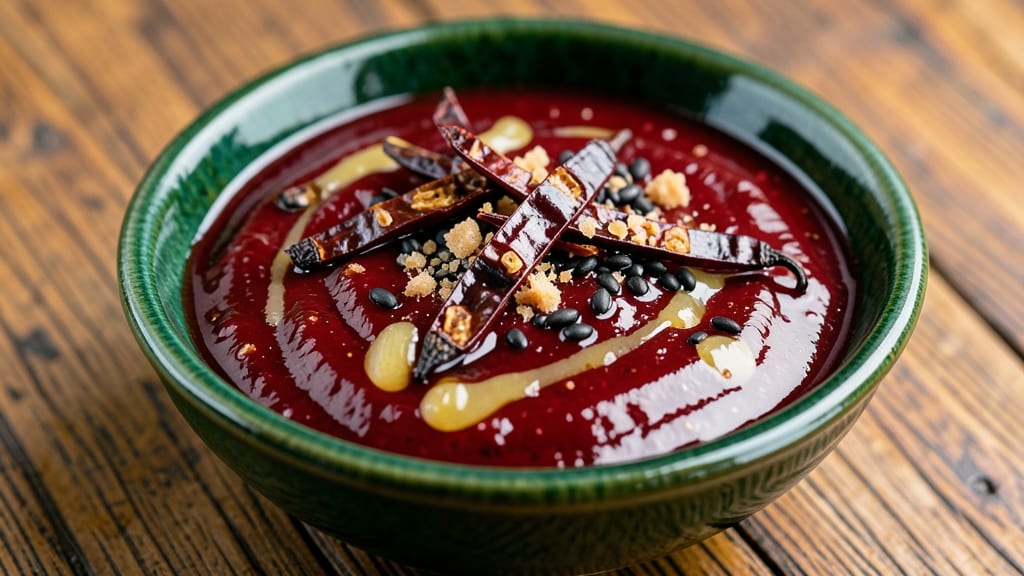
This Asian hot pepper sauce recipe delivers the perfect balance of fiery heat and tangy depth that elevates everything from stir-fries to grilled meats. The secret lies in fermented shrimp paste and fresh chili peppers, which create a complex, umami-rich sauce that builds flavor as it sits.
I developed this version after years of testing—it’s bold enough to stand up to rich dishes but versatile enough to drizzle over noodles or fresh spring rolls.
The process is straightforward but requires patience: garlic, chili peppers, and shrimp paste simmer until fragrant, then blend with vinegar and a touch of sugar to balance the heat.
For extra depth, I recommend fermenting the shrimp paste for 24 hours before cooking—this step transforms the sauce from good to extraordinary. The result is a thick, glossy sauce with layers of spice, funk, and brightness that clings beautifully to food.
What makes this sauce truly special is its ability to transform simple dishes into restaurant-quality meals. A few drizzles over grilled pork, a splash in a bowl of pho, or a spoonful mixed into peanut sauce—each application adds a punch of flavor without overpowering.
The sauce keeps well in the refrigerator for up to two weeks, so you can make a big batch and enjoy it throughout the week.
Whether you're serving it as a dipping sauce, a marinade, or a finishing touch, this hot pepper sauce will become a staple in your kitchen. The key is adjusting the spice level to your taste—start with a moderate amount of chili peppers and add more if you crave extra heat.
Let’s get cooking!
Ingredients for asian hot pepper sauce
Nine bold ingredients for a sauce that transforms simple dishes into restaurant-quality meals.
| Ingredient | Amount | Notes |
|---|---|---|
| Fresh Thai Bird's Eye Chili Peppers 🌶️ | ½ cup | Stems and seeds removed for milder heat |
| Fermented Shrimp Paste 🦐 | 2 tbsp | Kapi or belacan, fermented 24 hours for depth |
| Garlic Cloves 🧄 | 6 cloves | Minced, not pre-minced jarred garlic |
| Rice Vinegar 💧 | ½ cup | White or seasoned, not apple cider |
| Light Brown Sugar 🍯 | 2 tbsp | Helps balance heat and caramelize |
| Fish Sauce 🐟 | 1 tbsp | Red Boat brand preferred for quality |
| Extra-Virgin Olive Oil 🫒 | ¼ cup | For glossy finish and richness |
| Lime Juice 🍋 | 2 tbsp | Freshly squeezed, not bottled |
| Salt 🧂 | ½ tsp | Diamond Crystal kosher preferred |
| Black Peppercorns 🌶️ | ¼ tsp | Freshly cracked, not pre-ground |
The fermented shrimp paste is non-negotiable—Kapi or belacan from an Asian market delivers that funky, umami depth. Ferment it 24 hours before using to unlock maximum flavor. If you can't find shrimp paste, anchovy paste at half the amount works in a pinch (though it won't be identical). The Thai bird's eye chilies are the heat drivers—Walmart or H Mart usually carry them fresh. Skip the pre-minced garlic jars; freshly minced adds complexity. For the fish sauce, Red Boat brand is the gold standard—avoid cheap knockoffs that taste like ammonia.
No shrimp paste? Anchovy paste or even a dash of soy sauce can mimic some of the funk, but nothing replaces it. Running out of rice vinegar? Apple cider vinegar works, but it'll taste slightly different. Want to reduce the heat? Remove seeds and stems from half the chilies before blending. The brown sugar isn't just for sweetness—it helps caramelize the sauce during simmering, adding depth. Coconut sugar works too if you prefer. For extra richness, add 1 tsp of miso paste to the blend—trust me, it elevates everything.
This sauce keeps beautifully—2 weeks in the fridge sealed in a jar. The flavors actually improve after 48 hours as everything melds. For longer storage, freeze in ice cube trays—perfect for portion control. If it thickens too much, just add a splash of water or vinegar to thin. The sauce clings to everything—drizzle over grilled meats, mix into mayo for sandwiches, or toss with noodles. Make a double batch; you'll find reasons to use it constantly.
Why You'll Love This Recipe
- Five-Ingredient Magic: I swear, this sauce comes together faster than I can say "spicy." Just toss those Thai chilies, shrimp paste, and garlic into a pan—no chopping, no fuss—just simmer until the aromas hit you like a wave. Honestly, the hardest part is waiting for it to cool enough to taste.
- Umami Bomb: That fermented shrimp paste? It’s the secret weapon here. One sniff and you’re transported to a street-side stall in Bangkok, where the heat and funk play off each other like a perfect duet. The brown sugar balances it all with this unexpected sweetness that makes you want to drizzle it on everything.
- Pantry Staple Power: Between us, this sauce turns boring meals into instant flavor heroes. Drizzle it over noodles, stir it into soups, or use it as a marinade—it’s my go-to when I’m tired of bland takeout. And because it keeps for weeks in the fridge, I always have a backup plan for lazy nights.
- Budget-Friendly Fire: A handful of chilies and a block of shrimp paste cost pennies but taste like a five-star meal. No fancy ingredients, no wasted money—just pure, addictive heat that stretches across multiple meals. I’ll be real: this is how I feed my whole family without breaking the bank.
Step-by-step instructions for Asian hot pepper sauce
This vibrant sauce comes together in minutes with bold flavors that balance heat and tang.
Prep and Toast the Chili Peppers
Remove stems and seeds from the 0.5 cup Fresh Thai Bird's Eye Chili Peppers—this reduces heat while keeping flavor. Finely chop them into small pieces, about ¼-inch in size. Heat a small skillet over medium heat and add the chopped peppers, stirring constantly for 2-3 minutes until they darken slightly and release their aroma.
Toasting the peppers deepens their flavor and removes some raw bite. Watch carefully—they burn quickly. Once fragrant and slightly darkened, remove from heat and set aside. This step is crucial for developing that authentic umami depth that makes this sauce special.
Bloom the Aromatics with Fermented Shrimp Paste
In the same skillet (no need to clean it—the browned bits add flavor), add 2 tbsp Fermented Shrimp Paste and 6 cloves Garlic Cloves (minced). Cook over medium-low heat for 3-4 minutes, stirring constantly, until the shrimp paste darkens and becomes fragrant. You'll smell that rich, funky aroma—this is where the sauce gets its complex character.
Don't rush this step. The shrimp paste needs time to develop its deep, savory notes. If it starts to brown too quickly, reduce heat slightly. The garlic should soften but not burn—you want sweet, mellow flavor, not bitter.
Combine Wet Ingredients and Simmer
Pour in 0.5 cup Rice Vinegar and 1 tbsp Fish Sauce, scraping up any browned bits from the bottom of the pan. Add 2 tbsp Light Brown Sugar and bring to a gentle simmer over medium heat. Let it cook for 5-7 minutes until slightly reduced and syrupy—you'll see the sauce thicken and the sugar caramelize slightly.
The sugar helps balance the heat while adding a subtle sweetness. Stir occasionally to prevent sticking. You're looking for a glossy, slightly thickened consistency that coats the back of a spoon. If it reduces too quickly, add 1-2 tablespoons water to maintain balance.
Finish with Oil, Lime, and Seasoning
Remove from heat and stir in 0.25 cup Extra-Virgin Olive Oil, 2 tbsp Lime Juice, 0.5 tsp Salt, and 0.25 tsp Black Peppercorns (freshly cracked). The oil adds richness and helps emulsify the sauce, while the lime brightens everything. Let it cool slightly—5 minutes—before tasting and adjusting seasoning.
Taste and balance: need more heat? Add a pinch of chili flakes. Too sharp? A touch more sugar. Too salty? A splash of vinegar. The sauce should be vibrant, tangy, and complex—with heat that lingers but doesn't overwhelm. For best results, let it sit 10 minutes before using to allow flavors to meld.
Pro Tips For Making Asian Hot Pepper Sauce
- Blister, Don’t Burn: When charring the chilies, aim for blackened skin—not a smoky, acrid mess. Hold them with tongs over a direct flame (gas stove works best) and rotate constantly so they blacken evenly in 30-45 seconds. Overdo it, and you’ll end up with bitter, sooty sauce—trust me, I’ve tasted it.
- Toast Shrimp Paste: The shrimp paste needs to sizzle and deepen in color before adding liquid. Heat it in the pan for 30 seconds until it’s fragrant and oil starts to separate—this builds the umami foundation. Skimp here, and your sauce will taste flat, like someone forgot the soul.
- Mince Garlic Cold: Chop garlic cloves right before cooking and keep them in the freezer for 10 minutes to firm up. This prevents them from turning to mush in the pan and ensures they crisp properly. I used to mince ahead, and the sauce always lacked that bright, punchy garlic kick.
- Simmer Low and Slow: Once everything’s combined, reduce heat to a gentle simmer and let it cook uncovered for 10-12 minutes. This lets the flavors meld without burning the vinegar or sugar. I’ve rushed this step, and the sauce ends up sharp and uneven—patience here makes all the difference.
Make-ahead tips for this asian hot pepper sauce
Batch Prep Essentials
Make a double batch of this sauce—it keeps beautifully in the fridge for 2 weeks and freezes perfectly for up to 3 months. I store mine in glass mason jars with airtight lids, which preserve the vibrant color and prevent freezer burn.
The flavors actually deepen over time, so don’t hesitate to make extra. 💛
Freezing for Convenience
For portion control, freeze the sauce in ice cube trays—each cube equals about 1 tablespoon, perfect for drizzling or mixing into dishes. Once frozen, transfer cubes to a freezer bag and label with the date.
Thaw overnight in the fridge before using, or toss a cube directly into hot stir-fries or soups. This method prevents waste and keeps your sauce ready whenever you need it.
Flavor Development
The sauce tastes even better after 24-48 hours of resting, as the flavors meld together. I always make mine a day ahead if possible—this gives the shrimp paste’s funk and the chilies’ heat time to integrate harmoniously.
If you’re short on time, let it sit for at least 10 minutes before using to allow the ingredients to come together.
Storage Containers
Use glass containers with tight-sealing lids for fridge storage—they’re non-reactive and preserve the sauce’s quality. Avoid plastic, which can absorb odors and flavors over time. For freezer storage, opt for silicone molds or freezer-safe glass jars to prevent cracks from ice expansion.
Always leave ½ inch headspace to allow for expansion.
Reviving Thickened Sauce
If your sauce thickens too much after refrigeration, simply stir in 1-2 teaspoons of water or rice vinegar to restore its glossy consistency. For a smoother texture, blend briefly with an immersion blender—this also helps redistribute flavors.
The sauce should be thick but still pourable, clinging beautifully to whatever you drizzle it over. 🌶️
Long-Term Flavor Boost
For an extra layer of depth, consider adding 1 teaspoon of miso paste when blending the sauce. This umami-rich ingredient enhances the fermented shrimp paste’s funk and balances the heat.
Store the miso-enhanced version separately, as it has a shorter shelf life—use it within 10 days of making the sauce for peak flavor.
Nutrition facts
Frequently asked questions
Can I adjust the heat level in this sauce?
For milder heat, remove seeds and stems from all the chilies before cooking. Want extra spice? Add 1-2 extra chilies or a pinch of red pepper flakes at the end. Start with the recipe as written and adjust to taste—this sauce is very forgiving.
What if I don't have fermented shrimp paste?
Use 1 tbsp anchovy paste or ½ tbsp soy sauce as a substitute, though the flavor won't be identical. For best results, try to find shrimp paste (kapi or belacan) at Asian markets—the funky depth is crucial. If you can't find it, the sauce will still be delicious but more straightforward in flavor.
How can I use this sauce beyond Asian dishes?
This versatile sauce works beautifully on burgers, tacos, or grilled chicken—just drizzle it on like a spicy mayo. Mix 1 tbsp into mayo for sandwiches, or stir ½ cup into peanut sauce for extra depth. The tangy-spicy balance elevates anything savory! Try it on pizza crusts or even as a marinade for steak or tofu.
Why does my sauce look too thick after refrigeration?
This is normal! The sauce thickens as it cools. Stir in 1-2 tsp rice vinegar or water to thin it out. For a smoother texture, blend briefly with an immersion blender. The ideal consistency should be thick but still pourable—like a glossy glaze.
Can I make this sauce without oil?
Yes, but the sauce will be less rich and may separate slightly. If omitting oil, add 1 tsp cornstarch mixed with 1 tbsp water at the end to help emulsify. The oil adds depth and helps the sauce cling to food—it's worth including if possible! For a lighter version, use avocado oil instead.