
Sauces & Condiments
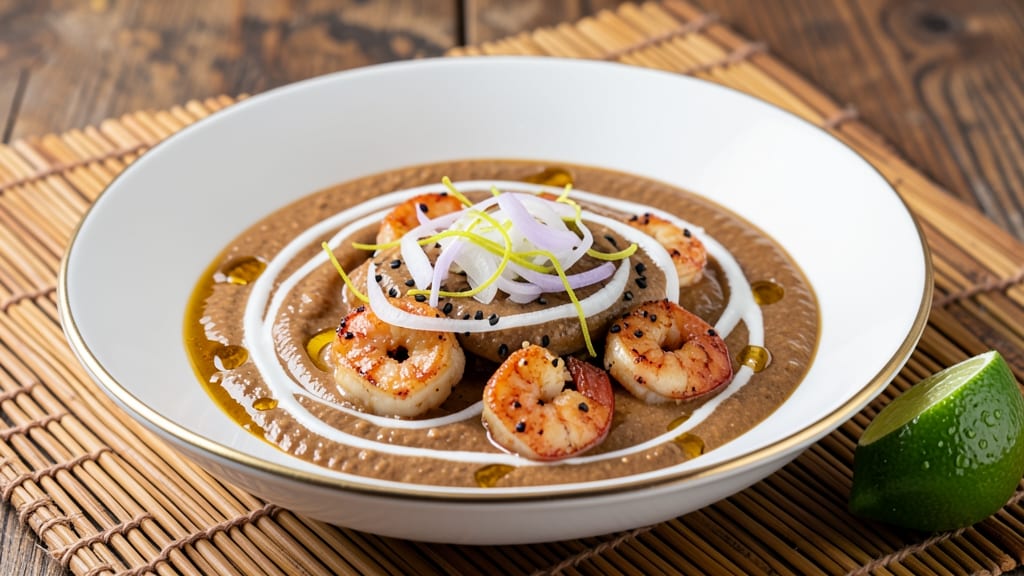
This Bali peanut sauce recipe transforms simple pantry staples into a velvety, aromatic sauce that elevates everything from stir-fries to grilled tofu. The secret lies in balancing rich peanut butter with coconut milk, creating a luscious texture that clings perfectly to noodles or spring rolls.
I developed this version after craving that signature nutty-spiced flavor without fish sauce—it’s vegetarian-friendly but still packed with depth from garlic, ginger, and a touch of chili heat.
The sauce comes together in just 15 minutes, with no special equipment needed beyond a blender or whisk. The key is simmering the ingredients low and slow to let the flavors meld into a harmonious blend—no bitterness from overcooked garlic or raw spices.
What you’ll end up with is a smooth, slightly sweet, and subtly spicy sauce that’s as versatile as it is delicious.
Perfect for drizzling over satay skewers, tossing with rice noodles, or dipping spring rolls, this sauce keeps well in the fridge for up to 5 days or freezes for 3 months without losing its rich flavor.
The nutty aroma alone makes any meal feel like a taste of Bali, but the real magic is in how it transforms simple ingredients into something restaurant-worthy.
Once you try this, you’ll never reach for store-bought again. The balance of creamy peanut, tangy lime, and aromatic spices is impossible to resist—whether you’re cooking for a crowd or treating yourself to a flavorful weeknight dinner.
Ingredients for bali peanut sauce
Pantry staples meet Bali's bold flavors in this velvety peanut sauce.
| Ingredient | Amount | Notes |
|---|---|---|
| Creamy Peanut Butter 🥜 | ½ cup | Natural, unsweetened preferred |
| Full-Fat Coconut Milk 🥥 | 1 can | 13.5 oz can, no substitutes |
| Natural Lime Juice 🍋 | 2 tbsp | Freshly squeezed, seeds strained |
| Fresh Garlic Cloves 🧄 | 3 cloves | Minced, not pre-minced jar |
| Fresh Ginger Root 🌿 | 2 tbsp | Finely grated, no zest |
| Red Curry Paste 🌶️ | 1 tbsp | Maesri brand preferred |
| Soy Sauce 🍶 | 1 tbsp | Tamari for gluten-free option |
| Brown Sugar 🍚 | 1 tbsp | Packed measurement |
| Vegetable Oil 🫒 | 1 tbsp | For simmering spices |
| Chili Flakes 🔥 | ½ tsp | Adjust for heat preference |
| Salt 🧂 | ½ tsp | Diamond Crystal preferred |
| Water 💧 | ¼ cup | For thinning if needed |
The peanut butter is non-negotiable—natural, unsweetened is a must for that authentic richness. Trader Joe's or Whole Foods carry great options, but any store-brand works if it's creamy. For the coconut milk, full-fat canned gives the best texture—skip the light version. Fresh ginger and garlic are essential; pre-minced jars lack the aromatic punch. The Maesri red curry paste adds depth, but any good brand works if you can't find it—just check for no added sugar. I always double-check the curry paste for chili heat—some brands are spicier than others.
No peanut butter? Almond butter or tahini work in a pinch, though the flavor shifts slightly. Short on coconut milk? Substitute with cashew cream (blend soaked cashews with water) but expect a thinner consistency. The lime juice can be bottled, but fresh is brighter. For extra heat, add a dash of Sriracha or sambal oelek. The brown sugar balances the heat—coconut sugar works too. If your sauce thickens too much, the water is there to rescue it. For a smoother texture, strain through a fine-mesh sieve after blending.
This sauce keeps beautifully in the fridge for 5 days, sealed under a thin layer of oil to preserve freshness. For longer storage, freeze in ice cube trays—perfect for portion control. Thaw overnight in the fridge before using. The flavor actually improves after a day or two as the spices meld. I make double batches because it disappears fast—great for meal prep or gifting. If you're serving it chilled, stir in a splash of warm water to loosen the texture before drizzling.
Why You'll Love This Recipe
- Pantry Magic Ready: I swear by this sauce—no fancy shopping required. Just grab peanut butter, coconut milk, and a few pantry staples, and you’ve got a flavor bomb that tastes like you spent hours slaving over a wok.
- Ginger-Garlic Zing: That fresh ginger and garlic combo? It’s the secret weapon. The sauce starts sweet, then hits you with a bright, punchy finish from the lime—like a warm hug with a kick.
- Dip, Drizzle, Repeat: Slather it on grilled chicken, toss it with noodles, or use it as a dip for veggies. Honestly, I’ve eaten it straight from the jar (don’t judge) because it’s that good—no two ways about it.
- Leftovers That Last: Make a big batch—it keeps for days in the fridge. I double the recipe on Sundays so I’m not scrambling midweek, and it still tastes fresh. Budget-friendly? Absolutely. Lazy-friendly? Even more so.
Step-by-step instructions for Bali peanut sauce
This nutty-spiced sauce comes together in minutes with simple techniques that maximize flavor.
Bloom the Spices in Oil
Heat the 1 tablespoon vegetable oil in a medium saucepan over medium-low heat. Add the 1 tablespoon red curry paste and stir continuously for 1 minute until fragrant—you'll smell the warm, earthy aromas of lemongrass and galangal. This step develops the sauce's complex base flavor before adding any moisture.
Next, add the 3 minced fresh garlic cloves and 2 tablespoons finely grated fresh ginger root. Cook for 30 seconds until just golden around the edges—don't let them brown or they'll turn bitter. Here's the thing: the garlic should smell sweet and the ginger should release its zesty aroma without turning dark.
Build the Sauce Base
Pour in the 1 can full-fat coconut milk and stir to combine with the spices. Bring to a gentle simmer over medium heat, then reduce heat to low. Let it simmer for 5 minutes until the mixture thickens slightly and the coconut fat begins to separate slightly at the surface.
Add the 0.5 cup creamy peanut butter, stirring constantly until fully melted and smooth. The sauce should thicken noticeably—this is when you'll notice the peanut butter's natural oils emulsify with the coconut milk. If it looks too thick after 2 minutes, add 1 tablespoon of the 0.25 cup water at a time until you reach a pourable consistency.
Balance Flavors with Sweet and Tang
Stir in the 1 tablespoon soy sauce, 1 tablespoon packed brown sugar, 0.5 teaspoon salt, and 0.5 teaspoon chili flakes. Taste immediately—this is where you'll adjust the balance. The soy sauce adds umami depth, the brown sugar rounds out the heat, and the chili flakes bring just the right amount of spice. If it needs more brightness, add the 2 tablespoons natural lime juice now.
Simmer for another 3 minutes on low heat, stirring occasionally. The sauce should coat the back of a spoon and have a glossy sheen. Here's what I do: I like to taste it at this stage to ensure the sweet, salty, and spicy elements are harmonized before finishing.
Finish and Adjust Consistency
Remove the sauce from heat and let it cool slightly for 2 minutes. The residual heat will continue to thicken it naturally. If it's still too thick for drizzling (as it should be for satay), thin it with the remaining 0.25 cup water, 1 tablespoon at a time, until it reaches a smooth, pourable consistency.
For the perfect texture, I strain the sauce through a fine-mesh sieve to remove any lumps from the peanut butter or curry paste. This ensures a silky finish. The sauce should be vibrant in color—deep reddish-brown from the curry paste, with a rich peanut hue. Taste one final time and adjust seasoning if needed, then transfer to a serving bowl or small saucepan to keep warm.
Pro Tips For Making Bali Peanut Sauce
- Bloom the Peanut Butter: Heat your peanut butter slowly—just a simmer, not a boil—while whisking constantly. I used to rush this and end up with grainy, separated sauce every time. Give it 3-4 minutes until it’s smooth and glossy, like melted velvet.
- Toast the Aromatics: Sauté garlic and ginger in coconut oil until garlic turns golden, not brown—about 2 minutes max. Burnt garlic ruins the sauce faster than you’d think. Keep the heat medium-low and stir like you’re babysitting a baby bird.
- Thin with Coconut Milk: Don’t dump all the coconut milk in at once—start with half and adjust. The sauce should coat the back of a spoon but still pour smoothly. I learned this after making a lumpy, watery mess the first time.
- Balance the Lime Last: Taste before adding lime juice—peanut sauce needs acid, but too much kills the richness. Start with 1 tablespoon, then add more in ½-teaspoon hits. (Yes, even if you’re impatient like me.)
Make-ahead tips for this dish
Batch Prep Strategy
Make a double batch and store it in glass jars with tight-sealing lids—I use 8-ounce mason jars for perfect portions. The sauce thickens as it cools, so leave ½ inch headspace to prevent overflow. Label with the date to track freshness for up to 5 days in the fridge. 📅
For freezer storage, divide into ice cube trays and pop out cubes once frozen. Transfer to a ziplock bag with all air squeezed out, then flatten for compact storage.
Thaw overnight in the fridge—no microwave needed to preserve texture. These cubes are perfect for quick satay dipping sauces or stir-fry finishes.
Flavor Development
The sauce actually improves after 24 hours as the spices meld together. I recommend making it a day ahead for maximum flavor depth. The peanut butter and coconut milk blend more smoothly, and the lime brightens naturally.
Store in an airtight container at room temperature for up to 4 hours if prepping ahead for a party.
If you notice separation after refrigeration, simply whisk vigorously or blend briefly to restore smoothness. The natural oils in peanut butter and coconut milk will re-emulsify quickly. For extra richness, add a teaspoon of coconut cream when reheating.
Reheating Methods
For stovetop reheating, transfer to a small saucepan and warm over low heat with 1-2 tablespoons water to prevent burning. Stir constantly for 3-5 minutes until fully heated through—165°F internal temperature. Avoid high heat to prevent peanut butter from separating. 🔥
Microwave reheating works best in 30-second intervals on 50% power, stirring between each interval. Add 1 teaspoon water if the sauce appears too thick. Always taste after reheating to adjust seasoning—lime juice often helps restore brightness after storage.
Portion Control
Use 1 tablespoon per serving for drizzling over satay skewers or noodles, and 2 tablespoons as a dipping sauce for spring rolls. For meal prep, divide into 4-ounce portions in small containers—I use Rubbermaid TakeAlong containers for easy grab-and-go meals.
The sauce keeps well for 3 months in the freezer without significant texture changes.
When reheating frozen portions, thaw overnight in the fridge first, then warm gently. Never microwave frozen sauce directly as it can create hot spots and break the emulsion. For quick use, add a frozen cube directly to warm dishes—it will melt and blend seamlessly.
Nutrition facts
Frequently asked questions
Can I make this Bali peanut sauce without coconut milk?
You can substitute with cashew cream (blend soaked cashews with water) for a similar texture, but expect a slightly thinner consistency. For a richer alternative, try Greek yogurt or tahini mixed with water, though the flavor will differ. The coconut milk's creaminess is key for that authentic Bali peanut sauce experience.
How spicy should this sauce be?
The recipe includes 0.5 teaspoon chili flakes for mild heat, but you can adjust to taste. For extra kick, add 1 teaspoon sambal oelek or ½ teaspoon cayenne pepper. If you prefer no heat, simply omit the chili flakes entirely—the sauce will still be delicious with just the warm spices from the curry paste.
What's the best way to use leftover sauce?
This versatile sauce works perfectly as a drizzle for satay skewers, stir-fry sauce, or dipping sauce for spring rolls and dumplings. Try tossing it with rice noodles or using it as a marinade for tofu. Store leftovers in an airtight container for up to 5 days or freeze in ice cube trays for easy portioning.
Why did my peanut sauce separate?
Separation happens when the peanut butter and coconut milk oils aren't properly emulsified. To fix it, whisk vigorously or blend briefly with 1-2 tablespoons warm water. For prevention, strain the sauce through a fine-mesh sieve after blending, and avoid overheating during simmering. The sauce should be smooth and glossy when finished.
Can I make this sauce nut-free?
Yes! Replace the peanut butter with sunflower seed butter or soy nut butter for a nut-free version. The texture will be slightly thicker, so thin with 1-2 tablespoons water if needed. The flavor will be earthier but still delicious—great for those with nut allergies.