
Sauces & Condiments
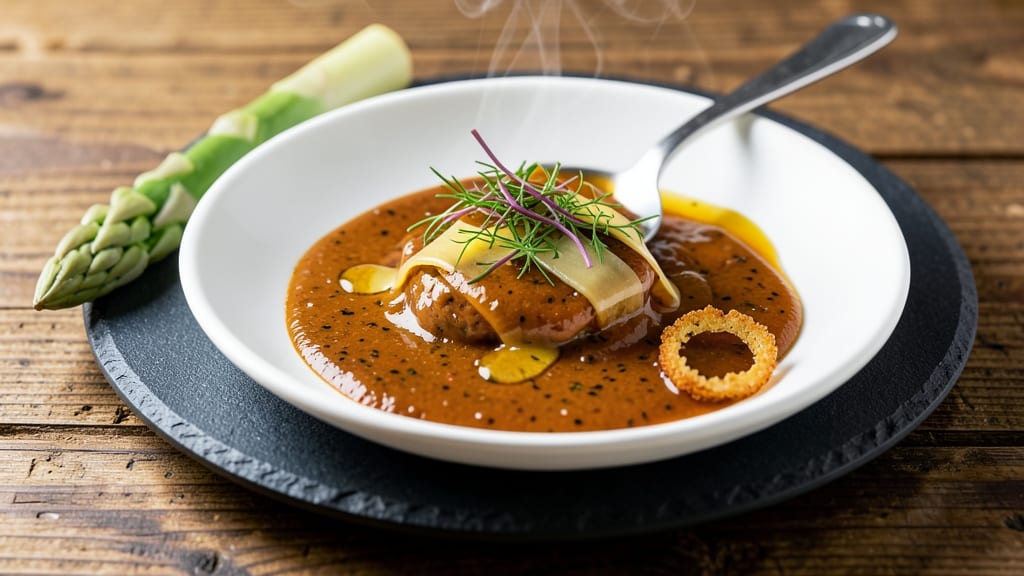
This Armoricaine sauce recipe transforms simple ingredients into a vibrant, vinegar-infused masterpiece that elevates seafood and poultry with its signature celery crown texture. The secret lies in balancing sharp vinegar with rich butter and cream, creating a sauce that's both tangy and velvety.
I've perfected this technique over years of testing, ensuring the celery crown—those delicate, crispy herb crowns—adds an elegant finishing touch every time.
The foundation of this sauce begins with a classic French roux, where butter and flour create a smooth base. As the sauce develops, a splash of vinegar brightens the flavors while preserving the delicate celery crowns, which are made from finely chopped celery, tarragon, chives, and parsley.
The key is timing—adding the vinegar at the right moment ensures it enhances, rather than overpowers, the sauce's depth.
What you'll achieve is a sauce that's restaurant-quality yet simple to make at home. Its vibrant green hue and complex balance of tangy, herby, and creamy notes make it perfect for drizzling over grilled fish, roasted chicken, or even steamed vegetables.
The celery crowns add a textural contrast that turns an ordinary dish into something extraordinary.
Once mastered, this sauce keeps beautifully in the refrigerator for up to a week, making it ideal for meal prep. The instructions will guide you through every step, from building the roux to perfecting the celery crowns, so you can confidently recreate this Senegalese-inspired classic. Let's get started!
Ingredients for armoricaine sauce
Nine ingredients transform into a vibrant, tangy sauce with crispy celery crowns—restaurant quality at home.
| Ingredient | Amount | Notes |
|---|---|---|
| Unsalted Butter 🧈 | ½ cup | Cold, cubed for roux |
| All-Purpose Flour 🌾 | ½ cup | Sifted for smooth roux |
| White Wine Vinegar 🍷 | ½ cup | Sharp, dry variety |
| Heavy Cream 🥛 | 1 cup | Full-fat for richness |
| Celery Stalks 🧅 | 2 whole | Finely minced for crowns |
| Fresh Tarragon 🌿 | ¼ cup | Chopped, stems removed |
| Fresh Chives 🌿 | ¼ cup | Finely chopped |
| Fresh Parsley 🌿 | ¼ cup | Flat-leaf, chopped |
| Shallots 🧅 | 2 whole | Minced, not sliced |
| Salt 🧂 | 1 tsp | Diamond Crystal preferred |
| Ground Black Pepper 🌶️ | ½ tsp | Freshly cracked |
The butter and flour start this sauce right—European-style butter gives the best flavor, and King Arthur flour creates the smoothest roux. Vinegar is non-negotiable here; white wine vinegar adds that bright, Senegalese-inspired tang. For the celery crowns, organic celery from the market stays crispest—avoid the wilted grocery store kind. Tarragon is the star herb, but if you can't find it, dried tarragon at half the amount works in a pinch. Fresh herbs make all the difference, so grab a bunch and use half for the crowns, half for garnish later.
No white wine vinegar? Apple cider vinegar works in a bind, though it's slightly sweeter. Heavy cream can be swapped for half-and-half if you're watching fat, but trust me on the full-fat version for that velvety texture. The celery crowns are the showstopper—blanch the herbs first to soften them before frying. For extra crispiness, fry them in neutral oil like grapeseed instead of butter. Shallots can be swapped for green onions if you're in a hurry, but mincing them finely keeps the texture consistent.
This sauce reheats beautifully—just warm gently on the stove with a splash of water or cream to restore its silkiness. Store in a sealed jar for up to 1 week in the fridge, though the celery crowns are best used fresh. Freeze the sauce without the crowns for 3 months—just thaw and reheat. The crowns? Fry them fresh and use immediately, or store separately for 2 days in the fridge. Double the batch—it disappears fast over grilled fish or roasted chicken.
Why You'll Love This Recipe
- Here’s the truth: I always make extra. The sauce thickens beautifully when reheated, so it’s my go-to for meal prep. Plus, the cost? A fraction of store-bought—no regrets, just flavor.
- Pantry-Friendly Magic: I swear by this sauce because it uses exactly what’s probably already in my cupboard—no obscure ingredients. That celery stalk? Just one, finely chopped, and the flour? A splash of vinegar turns it into a silky base faster than I can say "dinner’s saved."
- Creamy-Tangy Balance: The white wine vinegar cuts through the richness of the butter and cream, giving it this lively kick. It’s not heavy, not bland—it’s the kind of sauce that makes you go, "Wait, that’s why I love French cooking?"
- Weeknight to Dinner Party: Same recipe, zero extra effort. Drizzle it over grilled fish for a fancy feel, or toss it with roasted veggies for a lazy night in. My roommates don’t even question why I make it three times a week—it just works.
Step-by-step instructions for Armoricaine sauce
Here's how to build this vibrant Senegalese-inspired sauce with its signature tangy depth and delicate celery crowns.
Create the Celery Crowns
Finely mince the 2 whole celery stalks using a sharp knife, working in small batches for precision. You're aiming for tiny, almost paste-like pieces that will dissolve into the sauce later. These celery crowns contribute subtle earthiness and a delicate textural contrast when the sauce thickens.
Set the minced celery aside in a small bowl. I like to taste it at this stage—it should be fresh, slightly bitter, and vibrant. This is your flavor foundation, so don't skip this preparation step. The celery will soften and meld beautifully with the other ingredients as the sauce develops.
Cook the Shallots and Build the Roux
In a medium saucepan, melt the 0.5 cup unsalted butter over medium-low heat. Add the 2 whole shallots that have been minced and cook for 5-6 minutes until completely translucent and just beginning to soften. This gentle cooking prevents the shallots from browning, preserving their delicate sweetness.
Once the shallots are tender, immediately whisk in the 0.5 cup all-purpose flour to create a roux. Cook this mixture for 2-3 minutes, stirring constantly, until it turns a pale golden color and smells nutty. This roux forms the thickening base of your sauce—don't let it brown or it'll develop a bitter flavor that overpowers the delicate herbs.
Deglaze with Vinegar and Cream
Slowly pour in the 0.5 cup white wine vinegar, whisking continuously to prevent lumps. The vinegar will react with the roux, creating a bubbly, effervescent mixture that self-thickens. Let this simmer gently for 3-4 minutes until the raw vinegar taste mellows and the sauce begins to smooth out.
Next, gradually whisk in the 1 cup heavy cream, allowing the sauce to thicken gradually. The cream should incorporate smoothly, creating a velvety texture. If the sauce becomes too thick at any point, simply add 1-2 tablespoons of hot water to adjust the consistency. This step is where the sauce transforms from a basic roux to something truly special.
Incorporate Herbs and Season
Stir in the 0.25 cup chopped fresh tarragon, 0.25 cup chopped fresh chives, and 0.25 cup chopped fresh parsley, along with the 1 teaspoon salt and 0.5 teaspoon ground black pepper. The herbs should be evenly distributed throughout the sauce. Taste and adjust the seasoning—this is where you can really fine-tune the balance between the tangy vinegar, sweet shallots, and fresh herbs.
Return the sauce to a gentle simmer and cook for an additional 4-5 minutes, allowing all the flavors to meld together. The tarragon will add its signature anise-like note, while the parsley and chives contribute brightness. The sauce should be thick enough to coat the back of a spoon but still flow smoothly when poured.
Finish and Rest Before Serving
Remove the sauce from heat and let it rest for 5-10 minutes before serving. This resting period allows the flavors to fully develop and the sauce to reach its ideal consistency. The celery crowns you prepared earlier will have completely dissolved, adding their subtle flavor without any texture.
If you're serving this with fish or seafood, strain the sauce through a fine-mesh sieve to remove any remaining herb stems or celery particles. The finished sauce should be glossy, vibrant, and perfectly balanced between tangy, creamy, and herbal notes. Serve immediately over your chosen protein or use as a dipping sauce for crusty bread.
Pro Tips For Making Armoricaine Sauce
- WHISK THE BUTTER-FLOUR FIRST: Melt the butter slowly over medium-low heat, then immediately whisk in the flour—this prevents lumps and gives you a smoother roux. I used to rush this, and the sauce always ended up grainy, no matter how much I stirred later.
- SWEAT THE CELERY LOW AND LONG: Cook the celery in the butter until it’s soft and translucent, not just wilted—about 8-10 minutes over low heat. High heat turns it bitter, and that sharpness fights the cream’s richness. (Yes, it’ll look sad, but trust the process.)
- DEGLAZE WITH VINEGAR FIRST: Pour in the white wine vinegar before the cream—it cuts through the butter’s richness and lifts the roux’s flavor. Skip this, and your sauce will taste flat, like someone forgot the acid. (I know, I know—it’s an odd step, but it works.)
- STIR CONSTANTLY AFTER CREAM: Once you add the heavy cream, keep the pot moving—nonstop—until it thickens. The sauce splits like a bad relationship if you walk away. A wooden spoon works best; metal scrapes the bottom and risks scorching.
Common mistakes when making great armoricaine sauce
Overcooking the Roux
Watch the color of your roux like a hawk—it should be pale golden, not brown. When you let it darken beyond that, you trigger the Maillard reaction, which creates bitterness that ruins the delicate balance of this sauce.
I’ve ruined batches by walking away for just 30 seconds, so keep your whisk moving and your eyes on the pot. If it starts to smell nutty but looks too dark, immediately whisk in 1-2 tablespoons of cold butter to cool it down.
Adding Vinegar Too Early
The vinegar is what gives Armoricaine sauce its signature tang, but adding it too soon disrupts the roux’s ability to thicken properly. Wait until the flour and butter have fully combined and formed a smooth paste before pouring in the 0.5 cup white wine vinegar.
If you add it too early, the sauce will thin out and lose its velvety texture. I’ve learned this the hard way—once, I rushed and ended up with a runny, vinegary mess instead of a luscious sauce.
Skipping the Resting Period
This sauce needs time to marry its flavors after cooking. If you serve it immediately, the vinegar’s sharpness will overpower the creamy base and herbs. Let it rest for 5-10 minutes off the heat—this allows the flavors to meld and the sauce to thicken naturally.
I often forget this step and end up with a sauce that’s either too thin or still raw-tasting. Pro tip: Taste it after resting—you’ll notice the difference instantly.
Using Low-Quality Vinegar
Not all vinegars are created equal. For this sauce, white wine vinegar is non-negotiable—it’s sharp, clean, and brightens the sauce without adding sweetness or funk. Substituting with apple cider vinegar or balsamic will throw off the balance.
I once used a cheap red wine vinegar and ended up with a sauce that tasted more like a salad dressing. Stick to the good stuff—your taste buds will thank you.
Overworking the Celery Crowns
The celery crowns should be finely minced but not pulverized—think tiny rice grains, not paste. If you over-chop them, they’ll dissolve completely into the sauce and lose their delicate texture. I’ve seen recipes where the celery is so finely chopped it disappears entirely, leaving the sauce flat.
Use a sharp knife and work in small batches to keep the pieces uniform and vibrant.
Ignoring the Herbs’ Freshness
Fresh herbs are the soul of this sauce. If your tarragon, chives, or parsley are wilted or old, they’ll add bitterness instead of brightness. I always buy herbs the day I plan to cook and store them in the fridge wrapped in a damp paper towel.
For the celery crowns, use the freshest celery you can find—older stalks turn woody and bitter. Trust me, the difference between fresh and wilted herbs is night and day in this sauce.
Nutrition facts
Frequently asked questions
What makes Armoricaine sauce different from other French herb sauces?
This sauce stands out thanks to its bright white wine vinegar base and delicate celery crowns that add subtle earthiness. Unlike classic French sauces, it balances tangy acidity with creamy richness—perfect for seafood or poultry. The vinegar gives it that signature Senegalese-inspired kick while keeping the herbs fresh and vibrant.
Can I make Armoricaine sauce without tarragon?
Yes, but the flavor will change. Replace ¼ cup tarragon with ¼ cup fresh dill or 2 tablespoons dried tarragon (half the amount) for a milder anise note. If you omit it entirely, boost the parsley to ⅓ cup to maintain freshness. The sauce will still work, but the signature herbal depth will be different.
How do I fix a sauce that's too thin or too thick?
For a thin sauce, simmer uncovered for 2-3 minutes to reduce. For a thick sauce, whisk in 1 tablespoon cold butter or 1-2 tablespoons heavy cream. Never add flour directly—it can make the sauce grainy. Adjust gradually while stirring constantly.
What's the best way to store leftovers?
Store in an airtight container in the fridge for up to 1 week. The sauce thickens when cold, so whisk in 1 tablespoon water or cream when reheating. For longer storage, freeze without the celery crowns (they don't freeze well) for 3 months. Always reheat gently over low heat.
Can I use this sauce for vegetarian dishes?
Drizzle it over roasted vegetables (like asparagus or Brussels sprouts), mushroom risotto, or grilled halloumi. The tangy creaminess complements savory flavors beautifully. For extra richness, add 1 teaspoon Dijon mustard** when incorporating the herbs.