
Sauces & Condiments
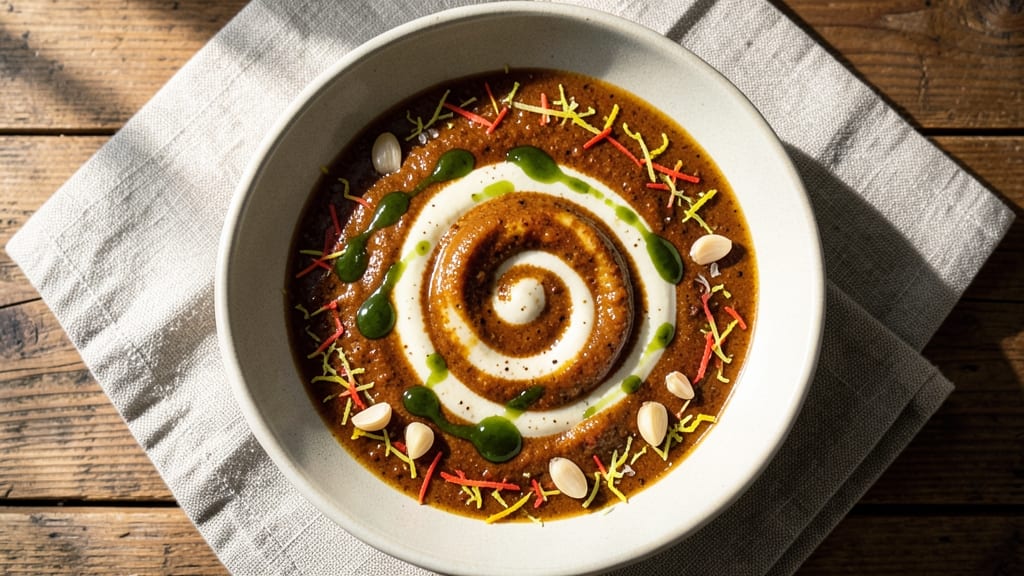
This Arabic sauce recipe transforms simple ingredients into a bold, smoky masterpiece that elevates everything from grilled meats to roasted vegetables. The combination of harissa, tahini, and za'atar creates layers of heat, creaminess, and aromatic depth that restaurant-quality sauces can't match.
I developed this recipe after years of experimenting with Middle Eastern flavors, and it's become my go-to for adding that signature North African touch to any dish.
The sauce starts with a rich base of tahini and harissa, balanced with lemon juice and garlic for brightness and complexity. What sets it apart is the swirl of smoky harissa and the final crunch of za'atar, which adds texture and earthy flavor.
Unlike store-bought versions, this sauce builds flavor as it sits, making it even more delicious the next day. The secret to achieving that perfect balance lies in the ratios—too much harissa can overwhelm, while too little tahini will leave it thin.
What you'll end up with is a versatile sauce that works as a dip for fresh bread, a drizzle over grilled lamb or chicken, or even a marinade for vegetables.
The smoky harissa adds depth, the tahini creates a velvety texture, and the za'atar topping brings a satisfying crunch with every bite. This isn't just a sauce—it's a flavor experience that transports you to the bustling streets of Marrakech with every use.
Perfect for meal prep, gifting, or keeping on hand for spontaneous cooking. The sauce stores well in the fridge for up to a week, and the flavors only deepen over time.
Whether you're serving it as a condiment or using it as a base for more complex dishes, this recipe delivers restaurant-quality results with minimal effort.
Ingredients for arabic sauce
Nine simple ingredients transform into a bold, restaurant-quality sauce that brings Marrakech flavors to your table.
| Ingredient | Amount | Notes |
|---|---|---|
| Tahini 🥜 | ½ cup | High-quality, sesame paste |
| Harissa Paste 🌶️ | ¼ cup | Smoky, spicy variety |
| Fresh Lemon Juice 🍋 | 2 tbsp | Freshly squeezed |
| Garlic Cloves 🧄 | 4 cloves | Minced for brightness |
| Extra-Virgin Olive Oil 🫒 | ¼ cup | For richness and depth |
| Water 💧 | ¼ cup | Adjust for desired thickness |
| Za'atar Seasoning 🌿 | 1 tbsp | For final crunchy topping |
| Sea Salt 🧂 | ½ tsp | Fine grain preferred |
| Ground Cumin 🌿 | ½ tsp | Earthy depth |
| Honey 🍯 | 1 tbsp | Balances heat (optional) |
The tahini is your foundation—look for the thick, creamy kind at Middle Eastern markets or bulk bins. Whole Foods and Trader Joe's usually carry good brands, but if you're in a pinch, any high-quality tahini works. Harissa can vary wildly in heat, so start with the smaller amount and adjust to taste. I like El Fenn or Bella brand for that perfect smoky-spicy balance. Fresh lemon juice is non-negotiable—bottled won't cut it here. The garlic should be fresh, not powdered, for that bright punch that balances the richness.
No tahini? Substitute with equal parts peanut butter and a splash of water—it won't be identical, but it'll save you. Harissa too spicy? Dilute with a bit more tahini or a touch of yogurt. Short on za'atar? Mix equal parts dried oregano and sesame seeds—it won't be the same, but it'll add that earthy crunch. The honey is optional but worth it if you're serving this with something sweet like grilled peaches. For a vegan version, swap honey for maple syrup. The olive oil should be fruity and peppery—California varieties work best for this sauce.
This sauce gets better with time—let it sit for at least 30 minutes before serving so flavors meld. Store in an airtight jar in the fridge for up to 1 week. The za'atar topping keeps separately in a small container. For meal prep, portion into small jars—pairs perfectly with hummus or as a marinade. Freezes beautifully for up to 3 months if you want to make a big batch. The flavors deepen over time, so don't be afraid to make extra.
Why You'll Love This Recipe
- No-Fuss Blender Magic: I swear by this—just toss tahini, harissa, lemon, and garlic into a blender, hit pulse, then drizzle in olive oil. Five minutes tops, and zero dishes beyond the blender. Honestly, the hardest part is deciding what to pour it over first.
- Heat Meets Creamy: That harissa brings the fire, but the tahini softens it into something velvety and addictive. The lemon cuts through the richness like a bright summer breeze—sharp, tangy, and impossible to resist. (Yes, even on a Tuesday night.)
- Dress-Up Everything: Drizzle it over grilled chicken, toss it into hummus, or slather it on flatbread. It’s my go-to for quick meals, potlucks, or when I’m too tired to think. Between us, I’ve even used it as a marinade—works like a charm.
- Leftover Goldmine: This sauce keeps for days in the fridge, and the flavor only deepens. A little goes a long way, so you’ll have enough for next week’s lunch or a last-minute dinner guest. Budget-friendly? Absolutely. Waste-free? Even better.
Step-by-step instructions for smoky harissa and tahini swirl
This sauce comes together in minutes with bold flavors and a perfect balance of smoky, creamy, and tangy notes.
Whisk Tahini and Olive Oil for a Smooth Base
In a medium bowl, combine the 0.5 cup Tahini and 0.25 cup Extra-Virgin Olive Oil. Using a whisk or fork, stir vigorously for 2-3 minutes until the mixture becomes completely smooth and creamy. You'll notice it start as thick and grainy, then gradually transform into a silky paste—this is key for a velvety sauce.
If the mixture seems too thick, add 1 tablespoon of water at a time until it reaches a pourable consistency. The tahini should coat the back of a spoon without being watery. I like to taste it at this stage—it should be nutty and rich, but not overpowering. This base will carry all the other flavors, so getting it right sets the foundation for everything else.
Incorporate Harissa and Aromatics for Depth
Add the 0.25 cup Harissa Paste, 2 tbsp Fresh Lemon Juice, 4 cloves Garlic Cloves (minced), 0.5 tsp Ground Cumin, and 0.5 tsp Sea Salt to the tahini mixture. Whisk continuously for 3-4 minutes until all ingredients are fully combined and the harissa is evenly distributed. You'll see the sauce turn a vibrant reddish-orange color—this is your visual cue that the flavors are melding together.
The harissa brings the heat, while the lemon juice brightens everything up. If you're sensitive to spice, you can reduce the harissa to 2 tablespoons while keeping the other ingredients the same. Let the mixture sit for 5 minutes—this allows the garlic and cumin to infuse fully, deepening the earthy, smoky notes that make this sauce so special.
Balance and Thin to Perfect Consistency
Gradually whisk in the 0.25 cup Water while adding it 1 tablespoon at a time. You want the sauce to be smooth and pourable, like heavy cream, but still coat the back of a spoon. Taste as you go—this is where you can adjust the balance. If it's too tangy, add a touch more tahini. If it needs more brightness, add another ½ teaspoon of lemon juice. Finally, stir in the 1 tbsp Honey to mellow the heat slightly and add a touch of sweetness.
The sauce should now be rich, slightly thick, and ready to swirl. Here's the thing—this sauce is meant to be dynamic. If you plan to use it immediately, it's perfect as is. But if you're prepping ahead, cover and refrigerate for up to 3 days, then thin with a splash of water when ready to use. The flavors actually improve with time, deepening as they meld.
Finish with Za'atar for Crunch and Complexity
Just before serving, drizzle the sauce into a shallow dish or directly onto your plate. Sprinkle 1 tbsp Za'atar Seasoning over the top and gently swirl with a fork or spoon. The za'atar adds a beautiful crunch and herbal note that contrasts perfectly with the creamy base. The swirl technique also creates visual appeal—think of those marbled patterns you see in Middle Eastern cuisine.
For extra drama, let the sauce sit for 2-3 minutes before serving so the za'atar has a chance to settle slightly. This sauce pairs beautifully with grilled meats, roasted vegetables, or even as a dip for pita bread. The contrast of creamy, smoky, and crunchy elements makes every bite exciting. Serve immediately while the za'atar is still fragrant and crisp!
Pro Tips For Making Arabic Sauce
- STIR CONSTANTLY: The moment you mix tahini and harissa, grab that whisk and don’t let up—even for 30 seconds. I learned this the hard way when my sauce separated into two distinct layers like oil and vinegar. The tahini’s emulsifiers need constant coaxing to marry with the harissa’s heat.
- ROAST THE GARLIC: Skip raw garlic’s sharp bite—wrap 4 whole cloves in foil with a drizzle of olive oil, roast at 400°F (200°C) for 12 minutes until golden. The caramelized sweetness cuts through harissa’s spice better than anything. (Yes, even if you’re impatient like me.)
- DILUTE THE HARISSA: Harissa paste is thick—mix 1 tablespoon with 2 tablespoons water first, then add to the sauce. I was skeptical until I tried it: this prevents clumping and lets the heat distribute evenly. (Your future self will thank you.)
- FINISH WITH OIL: Drizzle in 1-2 tablespoons olive oil at the very end, then whisk like mad. This doesn’t just add richness—it smooths out the texture and makes the sauce cling better to everything. (Does it look weird? Yes. Does it work? Every single time.)
Wine and beer pairings for these flavors
Red Wine Pairings
For this bold, smoky sauce, I reach for a Syrah or Shiraz from Lebanon or Syria—these wines mirror the harissa's spice and tahini's richness. The dark fruit notes and peppery finish in Château Musar or Ksara cut through the sauce's heat while complementing its earthy depth.
If you prefer something lighter, a Gewürztraminer from Lebanon with its lychee and floral notes creates a beautiful contrast. 🍷
Beer Complements
A crisp Arabian-style lager like Al-Ahram from Egypt works perfectly—its light maltiness balances the sauce's intensity without overpowering. For craft beer lovers, I recommend a Belgian witbier such as Stella Artois Wit (yes, the Belgian version) or Hoegaarden—the citrusy coriander notes echo the lemon in the sauce.
Avoid heavy stouts or IPAs, which would clash with the delicate tahini base.
Non-Alcoholic Options
For a refreshing non-alcoholic match, try sparkling pomegranate juice—its tartness and effervescence cleanse the palate between bites. I also love ayran, the classic Turkish yogurt drink, for its cooling contrast to the sauce's heat.
For something more exotic, hibiscus iced tea with a squeeze of lemon adds a floral note that harmonizes beautifully with the za'atar topping.
Serving Temperature Tips
Serve your wine or beer slightly chilled (50-55°F) to enhance its crispness against the sauce's warmth. For reds, decant for 15-20 minutes before serving to open up the fruit flavors.
I always keep a pitcher of ayran or sparkling juice in the fridge to refresh the palate between rich bites of grilled lamb or roasted vegetables drizzled with this sauce. 💫
Regional Pairing Insights
In Morocco, this sauce would traditionally be served with mint tea—the cool, herbal notes provide a perfect counterpoint to the harissa's heat. For a more modern twist, pair with Moroccan mint lemonade to echo the sauce's citrus brightness.
If you're serving it with grilled halloumi, a dry white wine like Vermentino from Sardinia works beautifully, as its mineral notes complement the cheese's salty richness.
Nutrition facts
Frequently asked questions about Arabic sauce
Can I make this sauce without tahini?
Yes, but the texture and flavor will change. For a similar creamy base, substitute with ½ cup peanut butter plus 1 tablespoon water to thin. If you want a more traditional approach, use ½ cup Greek yogurt instead—it will create a tangier sauce that still pairs well with grilled meats. The peanut butter version works best for dipping or drizzling.
How spicy should the harissa be?
Start with 2 tablespoons of mild harissa if you're sensitive to heat, or use the full ¼ cup for authentic North African boldness. The sauce can always be toned down with more tahini or honey, but you can't remove excess spice once it's mixed in. For extra heat control, blend the harissa with a splash of water before adding to the sauce.
Can I use this sauce as a marinade?
This sauce makes an excellent marinade for chicken, lamb, or even vegetables. Use it undiluted for 1-2 hours (not overnight) to prevent over-marinating. For tougher cuts like lamb, let it sit for 30-45 minutes before grilling. The harissa and tahini will tenderize while adding incredible flavor—just pat dry before cooking to get that perfect sear.
Why does my sauce look grainy?
Graininess happens when tahini isn't fully emulsified with the olive oil. Whisk for an extra 2-3 minutes until completely smooth. If it's still grainy, add 1 teaspoon of water at a time while whisking vigorously. For a smoother texture, strain the sauce through a fine-mesh sieve before adding other ingredients. Low-quality tahini often causes this issue—opt for brands labeled "100% sesame paste."
How can I make this sauce vegan?
Simply swap the honey for 1 tablespoon maple syrup and ensure your harissa is vegan (some contain honey). The rest of the ingredients are already plant-based! For extra richness, add 1 tablespoon nutritional yeast to deepen the umami flavor. This vegan version works perfectly as a dip for roasted vegetables or as a drizzle over falafel.