
Sauces & Condiments
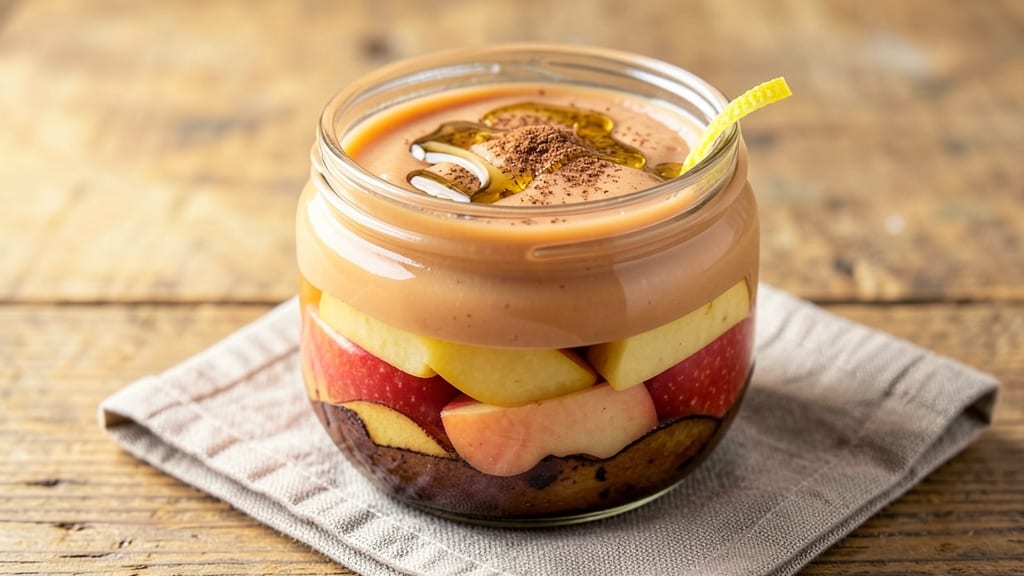
This no-sugar applesauce recipe freezer transforms simple apples into a versatile condiment that freezes beautifully—no added sweeteners, just natural fruit flavor. The key lies in balancing cooking time and texture, whether you prefer classic smoothness or rustic chunks.
I developed this method after years of testing, ensuring it stays fresh-tasting even after months in the freezer.
What makes this recipe stand out is its freezer-friendly design, using a simple 30-minute cooking process that preserves nutrients while creating a thick, spoonable consistency. The secret? A touch of lemon juice and cinnamon not only enhances flavor but also acts as a natural preservative.
You'll end up with applesauce that's perfect for spreading, baking, or using as a healthy snack.
Perfect for meal prep, this applesauce maintains its quality for up to 6 months in the freezer—no ice crystals or watery texture. The recipe yields about 4 cups, making it ideal for stocking your pantry or gifting.
Whether you're looking to reduce sugar intake or simply enjoy fresh-tasting applesauce, this method delivers restaurant-quality results at home.
For texture control, simply adjust the cooking time: 20 minutes for chunkier applesauce or 30 minutes for a silky-smooth finish. Reheat gently on the stovetop or microwave for best consistency. Ready to make your own sugar-free applesauce that tastes like it came straight from a farmers market?
Ingredients for applesauce recipe no sugar freezer
Simple ingredients that transform into restaurant-quality applesauce—naturally sweet, freezer-perfect, and packed with flavor.
| Ingredient | Amount | Notes |
|---|---|---|
| Apples (Mixed Varieties) 🍎 | 4 lb | Organic preferred, skin-on for texture |
| Fresh Lemon Juice 🍋 | 2 tbsp | Bright, freshly squeezed |
| Ground Cinnamon 🌿 | 1 tsp | Ceylon cinnamon for delicate flavor |
| Pure Vanilla Extract 🌸 | ½ tsp | High-quality, pure vanilla |
| Filtered Water 💧 | 1 cup | For adjusting thickness |
| Extra-Virgin Olive Oil 🫒 | 1 tsp | For glossy finish (optional) |
| Sea Salt 🧂 | ¼ tsp | Diamond Crystal preferred |
The apples make all the difference. Organic mixed varieties (like Honeycrisp and Fuji) give you that perfect balance of sweet and tart. Local farmers markets often have the freshest, most flavorful options—ask for apples harvested within the last week. If you're buying conventional, look for firm, unblemished fruit with vibrant color. The lemon juice is non-negotiable—it brightens the flavor and acts as a natural preservative. Freshly squeezed is best, but bottled works in a pinch if it's real lemon juice with no added water. For cinnamon, Ceylon over cassia—it's milder and more aromatic, giving you that delicate spice note without overpowering.
No organic apples? Conventional works fine—just give them a good wash. Short on lemon juice? Apple cider vinegar at half the amount adds tanginess. Want extra depth? Add 1/4 tsp of cardamom or nutmeg for a Middle Eastern twist. The olive oil is optional but adds a lovely sheen and richness—Trader Joe's has a great affordable extra-virgin option. For texture control, skip the water if you prefer thicker applesauce, or add more for a smoother consistency. The vanilla extract enhances the natural sweetness without adding sugar—look for pure vanilla with no alcohol or additives.
This applesauce freezes beautifully—up to 6 months with no ice crystals or watery texture. Let it cool completely before portioning into airtight containers or silicone molds. For best results, use within 3 months for peak flavor. Reheats perfectly on the stovetop or microwave—just add a splash of water if it thickens too much. I always make a double batch: one for immediate use and one to freeze. The freezer version tastes even better after a few weeks as the flavors meld together.
Why You'll Love This Recipe
- No-Sweat Simplicity: I peel and chop apples in 10 minutes flat—no fancy gadgets, just a knife and a pot. The lemon juice and cinnamon do all the work while I sip my coffee.
- Warm Spice Magic: That first spoonful of vanilla-infused applesauce? Pure autumn in a jar. The cinnamon lingers just enough to make every bite taste like a hug.
- Freezer-Friendly Flex: Make a big batch on Sunday, freeze it, and grab jars all week. Perfect for toast, oatmeal, or even as a natural sweetener in smoothies—no waste, all flavor.
- Budget Bright Spot: A bushel of apples and a few spices cost pennies, yet it feels like a gourmet treat. Honestly, this is my go-to when I need something nourishing without breaking the bank.
Step-by-step instructions for no-sugar applesauce
Transform fresh apples into silky, naturally sweet applesauce without added sugar—perfect for freezing.
Prep and Peel the Apples
Start by washing the 4 lb Apples (Mixed Varieties) thoroughly under cold water. I like to use a mix of sweet and tart apples—the sweet ones (like Gala or Fuji) balance the tart (like Granny Smith) for perfect flavor. Peel the apples using a vegetable peeler or sharp paring knife, working from top to bottom to remove the skin completely. Leave the core intact for now.
Cut each apple into 4-6 equal wedges, leaving the core attached to hold them together. This makes them easier to handle and prevents them from breaking apart during cooking. You'll end up with about 8-12 wedges total, depending on apple size. Remove and discard the cores, then transfer the wedges to a large pot.
Cook Until Tender
Add the 1 cup Filtered Water to the pot with the apple wedges. Bring to a boil over medium-high heat, then reduce the heat to medium-low and let it simmer uncovered for 15-20 minutes. You'll know the apples are tender when a fork slides in easily and the edges begin to soften noticeably.
I stir occasionally, but not constantly—just enough to prevent sticking. If the apples start to brown too quickly, add a splash of water. The goal is to cook them until they're fork-tender but still hold their shape slightly. Overcooking turns them mushy, which affects the texture of your finished applesauce.
Blend and Season
Once the apples are tender, carefully transfer them to a blender or food processor. I use a high-powered blender for the smoothest texture, but an immersion blender works too. Pulse until the applesauce reaches your desired consistency—smooth and velvety is ideal. If you prefer some texture, leave it slightly chunky.
Return the applesauce to the pot and stir in the 2 tbsp Fresh Lemon Juice, 1 tsp Ground Cinnamon, 0.5 tsp Pure Vanilla Extract, 1 tsp Extra-Virgin Olive Oil, and 0.25 tsp Sea Salt. The lemon juice brightens the flavor, the cinnamon adds warmth, and the olive oil gives it a silky finish. Taste and adjust the salt if needed—you want the flavors to be balanced but still vibrant.
Simmer and Finish
Bring the seasoned applesauce to a gentle simmer over low heat for 5-7 minutes, stirring occasionally. This step allows the flavors to meld together and the texture to thicken slightly. You'll notice the applesauce becomes glossy and the aroma deepens—this is when it truly comes together.
Taste again and make any final adjustments. If it's too thick, whisk in a splash of water to reach your preferred consistency. For freezing, I like it slightly thicker so it doesn't become watery when thawed. Let it cool completely before transferring to airtight containers or freezer bags.
Freeze for Long-Term Storage
Divide the cooled applesauce into 4 equal portions (about 1 cup each) in airtight containers or heavy-duty freezer bags. Squeeze out as much air as possible before sealing to prevent freezer burn. Label each container with the date—this applesauce keeps for up to 6 months in the freezer.
When ready to use, thaw overnight in the refrigerator or quickly in a bowl of warm water. The texture will be slightly thicker after freezing, so add a splash of water if needed. This no-sugar applesauce is perfect for breakfast, baking, or as a healthy snack—naturally sweet and packed with flavor!
Pro Tips For Making Applesauce Recipe No Sugar Freezer
- CORE APPLES FIRST: Peel and chop your tartest apples (like Granny Smith) first—these hold up better during cooking and keep the texture from turning mushy. I used to mix them all in raw, and the batch always ended up too soft by the end.
- SIMMER LOW AND LONG: Keep the heat at a gentle simmer, not a boil, after the apples soften—this prevents scorching and lets the flavors meld smoothly. After burning two batches, I finally learned to trust the slow cook: 20-25 minutes at low heat is better than rushing it.
- LEMON JUICE LAST: Add the fresh lemon juice and vanilla only in the final 5 minutes—this preserves their bright, fresh notes instead of letting them cook away. I was skeptical until I tried it; the difference in tang and aroma is noticeable.
- STRAIN OR DON’T: Skip straining if you want rustic texture, but if you prefer silky smooth sauce, use a fine-mesh sieve and press with a wooden spoon—just don’t overdo it, or you’ll squeeze out all the cinnamon flavor too. (Yes, even if you’re impatient like me.)
Creative variations of this recipe
Spiced Winter Twist
Add ½ tsp ground cardamom and ¼ tsp freshly grated nutmeg with the cinnamon for a cozy, Middle Eastern-inspired flavor profile. These warm spices complement the natural sweetness of the apples beautifully. I discovered this combination while experimenting with Scandinavian-inspired baking—it adds depth without overpowering. 🌟
Apple Cider Infusion
Replace ½ cup of the water with ½ cup unsweetened apple cider during cooking for a richer, more complex flavor. The cider adds subtle caramel notes that enhance the natural sweetness of the apples.
Use organic cider whenever possible to avoid any added preservatives. This works especially well with tart apple varieties like Granny Smith.
Caramelized Onion Topping
For a gourmet variation, blend ½ cup caramelized onions (made with 1 tbsp balsamic vinegar) into the finished applesauce. The deep, sweet-savory flavor transforms it into a sophisticated condiment perfect for serving with roasted meats or as a topping for yogurt bowls.
Caramelize the onions slowly over low heat for 30-40 minutes until deep amber.
Herbal Freshness
Infuse the applesauce with 1 tbsp finely chopped fresh rosemary or thyme during the final simmer. These herbs add a bright, herbal note that pairs wonderfully with the natural sweetness.
Remove the herbs before blending if you prefer a completely smooth texture. I love this variation for fall harvest meals—it feels fresh yet comforting. 🌿
Chai-Spiced Version
Create a chai-inspired applesauce by adding ¼ tsp ground ginger, ¼ tsp ground cloves, and ¼ tsp black pepper along with the cinnamon. These spices mimic the warm, aromatic blend of traditional chai tea.
The black pepper might sound unusual, but it actually enhances the other flavors beautifully. This version tastes amazing with spiced oatmeal or as a filling for homemade pastries.
Berry-Infused Blend
For a fruity twist, blend in ½ cup cooked and mashed berries (like blueberries or raspberries) after the initial cooking but before adding the seasonings. The berries add natural sweetness and vibrant color.
I recommend using frozen berries for convenience—they thaw and blend seamlessly. This variation works especially well with children or anyone who enjoys fruity flavors in their applesauce. 🍓
Nutrition facts
Frequently asked questions
Can I use frozen apples instead of fresh?
Yes, but with a few adjustments! Use 4 cups frozen apple chunks (about 2 lb equivalent) and add 2 tbsp extra water during cooking. Thaw them slightly first to prevent a watery texture. Frozen apples work well but may yield slightly less sauce due to ice crystals.
How do I prevent my applesauce from getting watery after freezing?
Cook it longer for a thicker base—simmer 25-30 minutes instead of 15-20 minutes to break down more fibers. Before freezing, let it cool completely and stir in 1 tsp cornstarch mixed with 1 tbsp water to stabilize the texture. Portion into containers leaving ½-inch headspace to prevent expansion.
What's the best way to reheat frozen applesauce?
For smooth texture, transfer frozen portions to a saucepan with 1 tbsp water and warm on low heat while stirring constantly. If microwaving, use 30-second intervals on medium power, stirring between each. The sauce will thicken after thawing—add water as needed to reach your preferred consistency.
Can I make this applesauce without a blender?
Skip blending by mashing the cooked apples with a potato masher or fork. For extra smoothness, press the apples through a fine-mesh sieve. The texture will be slightly rustic but still delicious—perfect for chunky-style preferences. Just cook the apples 5 minutes longer to ensure they mash easily.
Will this applesauce keep well in the refrigerator?
Yes, but for shorter storage—this recipe stays fresh in the fridge for 5-7 days in an airtight container. For best quality, freeze portions within 3 days** of making. The freezer version maintains flavor and texture much better over time. Always store with the lid sealed tightly to prevent oxidation.