
Sauces & Condiments
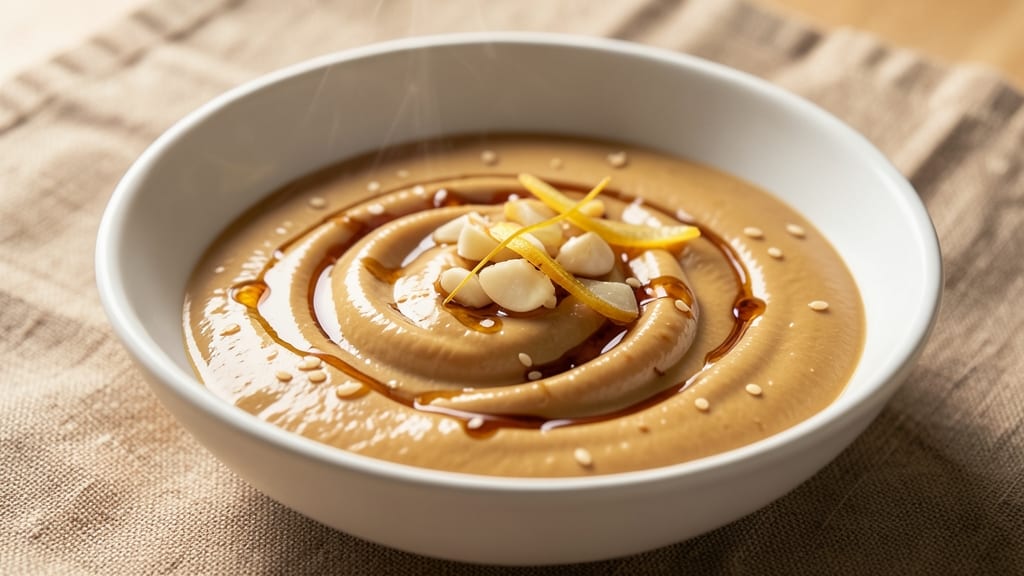
This Annie Chun's peanut sauce recipe delivers that signature nutty-sweet drizzle that elevates wings, dumplings, and more—without the restaurant markup. The secret lies in balancing creamy peanut butter with tangy soy sauce and vinegar, creating a sauce that's rich yet perfectly balanced.
I've refined this version through countless batches, ensuring it stays smooth, flavorful, and easy to customize.
What sets this recipe apart is its versatility and simplicity. With just 8 ingredients and 10 minutes of prep, you'll achieve a sauce that's smoother than store-bought versions but packed with authentic flavor.
The key is simmering the sauce gently to develop depth, while the splash of vinegar brightens the richness of the peanut butter.
Once complete, you'll have a thick, glossy sauce that clings beautifully to crispy wings, tender dumplings, or even noodles. The best part? It keeps well in the fridge for up to 2 weeks, making it perfect for meal prep.
Whether you're dipping, drizzling, or tossing, this sauce brings that familiar comfort-food taste home.
For extra richness, stir in a spoonful of sesame oil before serving. The sauce will stay smooth and flavorful, ready to transform your favorite dishes into something restaurant-worthy. Let's make it!
Ingredients for annie chun's peanut sauce
Eight simple ingredients transform into that iconic Annie Chun's peanut sauce—creamy, tangy, and perfectly balanced.
| Ingredient | Amount | Notes |
|---|---|---|
| Creamy Peanut Butter 🥜 | ¾ cup | Natural, unsweetened preferred |
| Light Soy Sauce 🥢 | ½ cup | Kikkoman preferred for balance |
| Rice Vinegar 🍶 | ¼ cup | Seasoned or plain works |
| Sesame Oil 🫒 | 1 tbsp | Toasted, for aroma |
| Garlic Cloves 🧄 | 3 cloves | Minced for depth |
| Ginger Root 🌿 | 1 tbsp | Freshly grated, zesty kick |
| Honey 🍯 | ¼ cup | Wildflower for floral notes |
| Water 💧 | ¼ cup | For thinning consistency |
The peanut butter is non-negotiable—natural, unsweetened gives the best texture and flavor. Kirkland or Crazy Richard's are my go-tos for bulk purchases, but any natural brand works. Light soy sauce is key here—Kikkoman has the perfect balance of saltiness without overpowering. For the garlic and ginger, fresh is always better, but if you're in a pinch, powdered works at half the amount. The rice vinegar adds that signature tang—seasoned vinegar works too, but plain gives you more control over the flavor profile.
No peanut butter? Almond butter or tahini can substitute, though the flavor will shift slightly. Short on soy sauce? Coconut aminos work in a bind, but it's not quite the same. The honey can be swapped for maple syrup or agave if you're avoiding refined sugar. Sesame oil is optional but adds incredible depth—La Choy is my go-to brand. For a smoother sauce, blend everything until silky. If you prefer it chunkier, just stir vigorously. The water is your secret weapon for adjusting thickness—add a splash at a time until it reaches that perfect drizzle consistency.
This sauce keeps beautifully in the fridge for up to 2 weeks, sealed tightly in an airtight container. For extra shelf life, pour it into an ice cube tray and freeze—perfect for single servings. Once thawed, stir in a splash of water to restore that glossy texture. The sauce thickens as it cools, so if it seems too thick right after making, let it sit for 10 minutes before serving. Trust me, it only gets better with time.
Why You'll Love This Recipe
- No-Fuss Blend: I swear by this sauce because it’s just stirring ingredients together—no whisking, no straining, no fancy techniques. That creamy peanut butter and garlic clove combo? Just toss them in a bowl, add the soy and vinegar, and you’re done. Honestly, I’ve made it while scrolling through my phone.
- Umami Bomb: The moment that light soy sauce and sesame oil hit the pan, it’s like a flavor explosion. That deep, salty-sweet balance with the bright rice vinegar? It’s the kind of taste that makes you pause mid-bite. (Yes, even on a Tuesday night.)
- Pantry Staple Power: I keep this sauce on hand for everything—drizzled over noodles, tossed with veggies, or even as a quick dip. The ingredients? Stuff I already have. No last-minute grocery runs, no weird specialty items. It’s my go-to when I’m tired of the same old sauces.
- Doubles as Leftovers: Make a big batch—it keeps for weeks in the fridge—and suddenly you’ve got a backup for takeout nights. Slather it on grilled chicken, stir it into ramen, or just eat it with crackers. Between us, I’ve saved at least $50 this year by not ordering delivery.
Step-by-step instructions for Annie Chun's peanut sauce
Here's how to create that signature nutty-sweet sauce that elevates everything from wings to dumplings.
Combine Wet Ingredients for a Smooth Base
In a medium saucepan over medium-low heat, add the 0.75 cup creamy peanut butter and let it melt completely, stirring frequently with a silicone spatula. This takes about 3-4 minutes—watch closely to prevent burning. Once fully melted, add the 0.5 cup light soy sauce and 0.25 cup rice vinegar, stirring until smooth and well combined.
Here's the thing—peanut butter can separate when heated, so keep stirring gently. The sauce should look silky and homogeneous, with no visible streaks of oil. If you notice any separation, add 1 tablespoon water and whisk vigorously to re-emulsify. This base creates the rich, savory foundation that balances the sweetness later.
Infuse with Aromatics and Warm the Sauce
Add the 1 tablespoon sesame oil, 3 minced garlic cloves, and 1 tablespoon freshly grated ginger root to the saucepan. Stir constantly for 2-3 minutes until you can smell the garlic's sharp aroma and the ginger's zesty kick. The sauce should be warm but not simmering—you're looking for gentle heat that awakens these flavors without cooking them into oblivion.
I like to press the garlic and ginger against the side of the pan with the spatula for the first 30 seconds—this helps release their essential oils into the peanut butter base. Don't let it boil; you want these aromatics to infuse, not burn. The sauce will thicken slightly as it warms, which is exactly what we want for that perfect drizzle consistency.
Sweeten and Thin to Perfect Consistency
Reduce heat to low and stir in the 0.25 cup honey and remaining 0.25 cup water. The sauce will bubble gently—let it simmer for 1-2 minutes until the honey is fully incorporated and the sauce reaches your desired thickness. For dipping or drizzling, you want it smooth enough to coat a spoon but not so thin it pools.
Here's how to test consistency: Dip a clean spoon into the sauce and lift it slowly. If it forms a thin, even ribbon that breaks cleanly, you're perfect. If it's too thick, add 1 tablespoon water at a time until you reach that ideal balance. The sauce should coat the back of a spoon with a glossy sheen—this indicates perfect emulsification and ready-to-use texture.
Strain and Cool for Maximum Flavor
Transfer the sauce to a fine-mesh strainer set over a clean bowl. Let it sit for 1 minute to catch any stray bits of garlic or ginger. This step ensures your final sauce is silky smooth—no texture surprises when you drizzle it over your favorite dishes. Press gently with a rubber spatula to extract all the flavorful liquid.
Let the sauce cool to room temperature before using. The flavors will meld even more as it sits, developing that perfect harmony of nutty, sweet, and umami notes. If you're using it immediately, at least let it sit for 10 minutes after straining. The sauce keeps well in the refrigerator for up to 2 weeks, so you can make a big batch for all your favorite dishes.
Pro Tips For Making Annie Chun'S Peanut Sauce
- STIR CONSTANTLY AT FIRST: The peanut butter and soy sauce will clump like a stubborn toddler’s glue if you don’t pay attention. Heat the saucepan on medium-low and keep that spoon moving for the first 2 minutes—just until the peanut butter melts smoothly. After that, you can ease up, but don’t walk away.
- USE ROASTED GARLIC: Raw garlic burns faster than a bad first date, and this sauce doesn’t need that bitter edge. Roast 3 whole cloves at 400°F for 12 minutes, then mash them into a paste before adding. The flavor’s deeper, sweeter, and it won’t turn the sauce into a charred disaster.
- THIN WITH VINEGAR GRADUALLY: I used to dump all the rice vinegar at once, thinking it would balance the peanut butter’s richness. Wrong. Add it 1 teaspoon at a time, tasting as you go—you’re aiming for tangy, not sour. The sauce should coat the back of a spoon like a silky river, not separate like a bad salad dressing.
- SKIP THE SESAME OIL LAST: If you add sesame oil at the end, it’ll just float on top like a sad little oil slick. Heat the saucepan, then stir in the sesame oil right after the garlic—it’ll bloom into the mix and give that nutty aroma a fighting chance. (And yes, even if you’re impatient like me.)
Regional styles of annie chun's peanut sauce
Asian-Inspired Fusion
This peanut sauce originated in Asian-American cuisine, blending traditional Chinese flavors with American peanut butter. The original Annie Chun's version became iconic in the 1980s when it was served with crispy fried chicken, a fusion that took off in Southern California.
I love how the tangy rice vinegar bridges East and West flavors—it's what makes this sauce work with everything from dumplings to wings. 🌶️
Southern U.S. Twist
In Southern states, this sauce gets a spicier kick with added cayenne or chili oil. I've seen versions with a splash of hot sauce or even a dash of smoked paprika for depth.
The heat balances the sweetness perfectly, especially when drizzled over barbecue ribs. For a true Southern touch, try adding 1 teaspoon hot sauce at the end.
Thai-Inspired Adaptation
Thai cuisine takes peanut sauce to another level by adding fish sauce and lime juice. Swap the soy sauce for 2 tablespoons fish sauce and the rice vinegar for 2 tablespoons lime juice.
The result is a brighter, more complex sauce that pairs beautifully with satay or grilled meats. I recommend adding 1 teaspoon lime zest for an extra citrusy punch.
Japanese-Influenced Version
For a Japanese-inspired twist, replace the honey with 2 tablespoons mirin and add 1 teaspoon grated daikon radish for a subtle sweetness and crunch. The mirin enhances the peanut butter's richness while keeping the sauce light. This version works wonderfully with teriyaki-glazed dishes or as a dipping sauce for tempura.
Korean BBQ Style
Korean BBQ lovers often thicken this sauce with a bit of cornstarch slurry and add gochujang for heat. Mix 1 teaspoon cornstarch with 1 tablespoon water, stir into the sauce at the end, and simmer until thickened.
Add 1 tablespoon gochujang for a smoky, spicy depth. This version is perfect for bulgogi beef or Korean fried chicken.
Vegan-Friendly Adaptation
To make this sauce fully plant-based, use vegan peanut butter (like Smucker's Natural) and ensure your honey is replaced with agave syrup or maple syrup. The sauce remains just as creamy and flavorful, perfect for vegan wings or tofu dishes.
I've also seen versions with tahini instead of peanut butter for a nut-free option.
Nutrition facts
Frequently asked questions
Can I make this peanut sauce without peanut butter?
Yes! For a nut-free version, substitute 0.75 cup tahini or almond butter (though the flavor will differ slightly). Tahini adds a sesame note that pairs beautifully, while almond butter keeps the creamy texture. Adjust sweetness with an extra 1 tablespoon honey if needed.
Why did my sauce separate when I heated it?
Peanut butter naturally separates when heated—this is normal! To fix it, whisk in 1 tablespoon cold water and stir vigorously until smooth. For prevention, keep heat at medium-low and stir constantly. The straining step later will catch any remaining oil.
How do I adjust the thickness for dipping vs. drizzling?
For dipping: Simmer longer to thicken, or add 1 teaspoon cornstarch mixed with water. For drizzling: Thin with 1 tablespoon water at a time. Test by lifting a spoon—if it forms a clean ribbon, you're perfect! The sauce will thicken further as it cools.
Can I use this sauce on non-Asian dishes?
The nutty-sweet balance works wonderfully on grilled chicken, burgers, or even tacos. Try drizzling it over crispy fries or using it as a marinade for tofu or pork. The soy sauce and vinegar give it enough umami to complement any protein.
How do I store leftovers to keep them fresh?
Transfer to an airtight container and refrigerate for up to 2 weeks. For longer storage, freeze in ice cube trays—thaw overnight in the fridge. Before reheating, stir in a splash of water to restore that glossy texture. The sauce actually improves after 24 hours as flavors meld!