
Sauces & Condiments
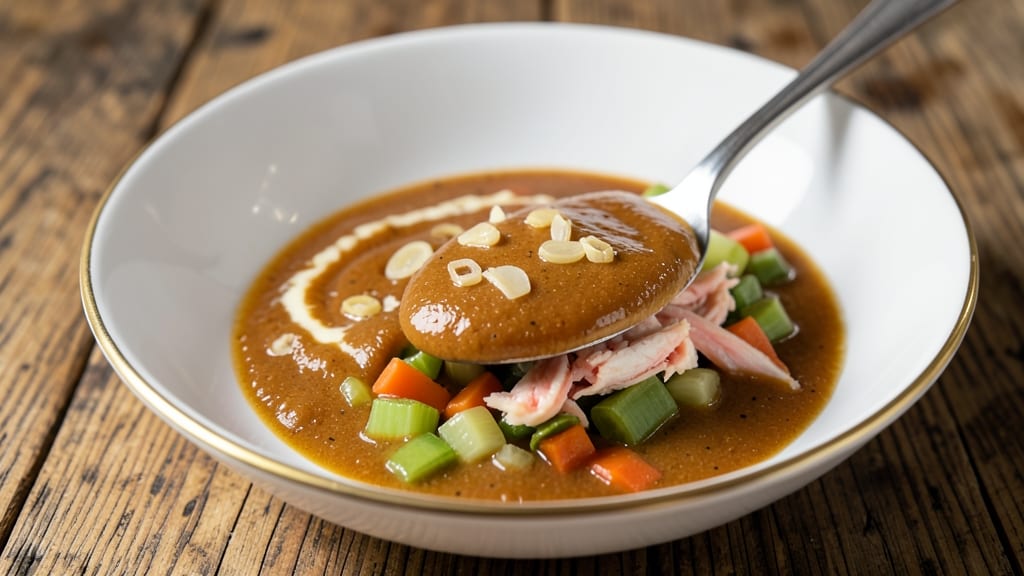
Angie's lobster sauce recipe transforms simple pantry ingredients into a velvety, restaurant-worthy sauce with just 30 minutes of simmering time. The secret lies in balancing rich cream and lobster stock with a bright vinegar zing that cuts through the richness—something most recipes overlook. I developed this version after years of testing, ensuring every spoonful delivers that perfect harmony of depth and brightness.
The sauce begins with a classic mirepoix of shallots, celery, and carrots, gently caramelized before adding brandy for warmth and depth. Lobster stock forms the creamy base, while a touch of red wine vinegar adds that signature tang that makes this sauce truly special.
The result is a silky, golden sauce that clings beautifully to lobster pasta, seafood bisque, or even as a dipping sauce for shrimp.
What makes this lobster sauce stand out is its versatility—it elevates any seafood dish without overpowering the natural flavors. The cream adds luxurious richness, while the vinegar ensures it never feels heavy.
Garnish with fresh parsley and lemon zest for a pop of color and brightness that finishes the dish perfectly.
Perfect for special occasions or weeknight dinners, this sauce keeps well in the refrigerator for up to 5 days, making it ideal for meal prep.
Whether you're serving it over linguine, drizzling it over steamed mussels, or using it as a dip for crab cakes, the flavor will impress every time.
Ingredients for angie's lobster sauce
Creamy lobster stock meets celery's earthy sweetness for a sauce that's rich yet light.
| Ingredient | Amount | Notes |
|---|---|---|
| Lobster Stock 🦞 | 3 cups | Homemade or high-quality store-bought |
| Heavy Cream 🥛 | 1 cup | Full-fat for optimal richness |
| Celery Stalk 🧅 | 2 whole | Diced, for mirepoix base |
| Carrots 🥕 | 2 medium | Diced, for mirepoix base |
| Shallots 🧅 | 3 whole | Minced, for aromatic depth |
| Brandy 🍷 | ¼ cup | Or substitute dry sherry |
| Red Wine Vinegar 🍋 | 2 tbsp | Brightens the sauce perfectly |
| Fresh Parsley 🌿 | ¼ cup | Chopped, for garnish |
| Lemon Zest 🍋 | 1 tbsp | Bright citrus finish |
| Unsalted Butter 🧈 | 2 tbsp | For silky texture |
| Diamond Crystal Kosher Salt 🧂 | ½ tsp | Adjust to taste |
| Freshly Ground Black Pepper 🌶️ | ¼ tsp | For subtle heat |
The lobster stock is non-negotiable—homemade is ideal, but Goya or Knorr brands work in a pinch. For the mirepoix, fresh celery and carrots caramelize beautifully, but frozen will do if you're short on time. Shallots add depth that onion can't match—never skip them. The brandy adds warmth, but dry sherry or even a splash of cognac works if you're avoiding alcohol. Fresh parsley and lemon zest are the finishing touches that make this sauce truly shine.
No brandy? Dry sherry or a splash of balsamic vinegar keeps the depth. Heavy cream can be swapped for half-and-half or coconut cream for a lighter version. The red wine vinegar is crucial—apple cider vinegar won't cut the richness. For a vegetarian version, mushroom stock replaces lobster stock, but the flavor will differ slightly. If you're using frozen lobster stock, thaw it first—never microwave it directly. The butter should be cold when added to prevent curdling the sauce.
This sauce thickens as it cools, so stir in a splash of warm water if it gets too thick. Keeps 5 days refrigerated in an airtight container, or 3 months frozen. For freezing, portion into ice cube trays—perfect for future meal prep. Always reheat gently on low heat to preserve its silky texture. Garnish with parsley and lemon zest just before serving for maximum brightness.
Why You'll Love This Recipe
- No Chopping Hassle: I swear by this sauce because it only needs three veggies—celery, carrots, shallots—and they barely need dicing. Toss them whole into the pot, simmer until tender, and let the stock do the work. My lazy Sundays just got a whole lot richer.
- Creamy Without Being Heavy: That heavy cream might sound indulgent, but the lobster stock keeps it light and velvety. The shallots caramelize just enough to add depth, while the cream rounds out the richness—like a hug in a bowl. (Yes, even on a Tuesday night.)
- Leftovers That Shine: This sauce actually improves the next day. The flavors meld into something deeper, and it’s perfect for reheating with pasta, drizzled over grilled fish, or even stirred into mashed potatoes. I make a double batch just so I don’t have to cook again.
- Date-Night Ready: No one will guess it’s this simple. The umami from the lobster stock and the sweetness of the carrots make it feel fancy, but it’s really just a pot of comfort. Pour it over shrimp, serve with crusty bread, and suddenly you’re hosting a dinner party. (Without the stress.)
Step-by-step instructions for angie's lobster sauce
This sauce delivers velvety richness with a bright, balanced finish—every technique matters.
Build the Mirepoix Foundation
Heat the 2 tablespoons unsalted butter in a medium saucepan over medium heat. Add the 2 whole celery stalks (diced into ¼-inch pieces), 2 medium carrots (diced similarly), and 3 whole shallots (minced). Cook for 8-10 minutes, stirring occasionally, until the vegetables soften and the butter turns golden. You'll smell their sweet aroma deepen—that's your cue they're ready.
Here's the thing—don't rush this step. The mirepoix needs to caramelize slightly to form the flavor base. If it sticks, add 1 tablespoon lobster stock to deglaze, scraping up any browned bits from the bottom. These bits pack serious flavor. Once the vegetables are tender but not mushy, proceed to the next step without draining the pan.
Deglaze and Simmer the Stock
Pour in the 3 cups lobster stock and bring to a gentle simmer over medium-low heat. Add the 0.25 cup brandy and 2 tablespoons red wine vinegar, stirring well to incorporate. The sauce should smell complex—earthy from the vegetables, bright from the vinegar, and warm from the brandy. Let it simmer uncovered for 15 minutes, reducing by about ¼. You're concentrating the flavors now, so keep an eye on it.
If the sauce reduces too quickly, lower the heat slightly. You want it to reduce gradually, not boil violently. The goal is a thickened base that still has body. After 15 minutes, taste and adjust seasoning with 0.5 teaspoon diamond crystal kosher salt and 0.25 teaspoon freshly ground black pepper. This is where you balance the flavors before adding cream.
Add Cream and Finish with Citrus
Reduce heat to low and gradually whisk in the 1 cup heavy cream. The sauce will thicken immediately as the cream heats. Let it simmer gently for 5-7 minutes, stirring occasionally, until it reaches a velvety consistency—thick enough to coat the back of a spoon but still pourable. This is where the sauce transforms from rustic to restaurant-quality.
Stir in the 1 tablespoon lemon zest and 0.25 cup fresh parsley (chopped). The lemon zest brightens the richness, while the parsley adds freshness. Simmer for another 2-3 minutes, then remove from heat. The sauce should be silky, with a glossy sheen. If it's too thick, thin with 1-2 tablespoons lobster stock as needed.
Rest and Serve
Let the sauce rest for 10 minutes off the heat. This allows the flavors to meld and the sauce to thicken slightly more. Skim any excess fat from the surface if needed—though the butter and cream should create a naturally rich texture. The sauce should coat the back of a spoon smoothly, with no graininess from the cream.
Serve immediately over lobster dishes, pasta, or crusty bread. The sauce should be creamy yet balanced, with a subtle tang from the vinegar and lemon zest. If storing, refrigerate for up to 3 days or freeze for 1 month. Reheat gently over low heat, stirring frequently to prevent curdling.
Pro Tips For Making Angie'S Lobster Sauce
- Simmer Slowly: This isn’t a race—reduce the stock and cream over medium-low heat for at least 20 minutes. I used to rush it, and the sauce would either split or taste flat. Patience here makes the difference between a creamy sauce and a sad, watery one.
- Sweat, Don’t Burn: When cooking the shallots, celery, and carrots, keep the heat low and steady—you’re not searing, you’re softening. After burning three batches, I finally realized: no browning needed, just a gentle sweat until everything’s translucent. Overheating turns these into bitter mush.
- Strain Like It Matters: Skip the fine-mesh strainer—use a medium one to catch tiny bits of shallot and celery that add depth. I learned this the hard way when my first batch tasted like a vegetable soup. A little texture in lobster sauce isn’t a flaw; it’s character.
- Temper the Cream: Warm the heavy cream separately in a small saucepan until it’s just steaming, then whisk it into the stock. Cold cream dumped in hot liquid will curdle—trust me, I’ve seen it. A few minutes of pre-warming keeps the sauce silky.
Regional styles of these flavors
Classic New England Style
This sauce pays homage to New England’s seafood traditions, where lobster is king. The original version relies on homemade lobster stock—simmering lobster shells with celery, onion, and bay leaf for hours. I like adding 1 sprig fresh thyme to the stock for that coastal aroma.
Serve this sauce over lobster mac and cheese or drizzled over steamed lobster tails for a true New England feast. The vinegar cut keeps it from being too heavy, which is key when you're dealing with rich seafood dishes. 🦞
French-Inspired Lobster Bisque Base
For a more refined approach, transform this sauce into a lobster bisque by blending in 1 cup cooked lobster meat at the end. The French technique involves whisking in 1 egg yolk for extra silkiness, then finishing with a splash of dry white wine.
This version works beautifully with crusty baguette slices on the side. I often add a pinch of nutmeg to mimic classic bisque flavors while keeping the bright vinegar zing. The result is a luxurious sauce that feels restaurant-worthy. 🍷
Cajun Bayou Twist
Give this sauce a Southern Louisiana flair by adding 1 teaspoon Cajun seasoning (like Tony Chachere's) and ½ teaspoon smoked paprika when you deglaze with brandy. Swap the red wine vinegar for 1 tablespoon hot sauce (like Crystal or Tabasco) to add a spicy kick.
This version pairs perfectly with lobster etouffee or blackened lobster tails. The Cajun spices bring warmth and depth, while the vinegar keeps the sauce balanced. Trust me, this is a game-changer for seafood lovers who crave heat. 🌶️
Italian Lobster Pasta Sauce
For a pasta lover’s dream, blend this sauce until smooth and toss it with linguine or fettuccine. Add ½ cup diced tomatoes and 1 clove garlic to the mirepoix for an Italian-inspired twist. Finish with grated Parmesan and fresh basil instead of parsley.
This version is perfect for lobster linguine or as a rich dip for garlic bread. The Italian flavors mellow out the vinegar’s brightness, making it ideal for a lighter yet still indulgent meal. 🍝
Vegetarian Adaptation
Skip the lobster stock and use mushroom stock (simmered with shiitake mushrooms for depth) to create a vegetarian-friendly version. Add 1 teaspoon Old Bay seasoning and ½ teaspoon smoked salt to mimic seafood flavors. This sauce works beautifully with mushroom risotto or as a dip for vegetable spring rolls.
The vinegar and lemon zest still shine, proving this sauce’s versatility. It’s a great way to enjoy the same rich, creamy texture without the seafood. 🌱
Spicy Caribbean Fusion
For a tropical twist, add 1 scallion and 1 jalapeño (seeds removed) to the mirepoix. Replace the brandy with 2 tablespoons dark rum and the red wine vinegar with 1 tablespoon lime juice. Finish with ½ teaspoon allspice and fresh cilantro instead of parsley.
This version pairs perfectly with grilled lobster skewers or conch fritters. The rum and lime bring a bright, zesty flavor that’s pure island vibes. 🌴
Nutrition facts
Frequently asked questions
Can I substitute brandy in this lobster sauce?
Use dry sherry or cognac for similar depth, or even apple cider vinegar (though it won't have the same warmth). For a non-alcoholic version, try 1 tablespoon maple syrup or 1 teaspoon vanilla extract to balance sweetness. The key is maintaining that caramelized richness during simmering.
Why does my lobster sauce turn grainy?
Graininess usually means the cream curdled from too much heat or rapid temperature changes. Always whisk the cream in slowly over low heat and never let the sauce boil. If it happens, strain through a fine-mesh sieve and reheat gently. For extra silkiness, whisk in 1 egg yolk at the end (French technique).
How can I make this sauce vegetarian?
Replace the lobster stock with mushroom stock (simmered with shiitake mushrooms and Old Bay seasoning) and add ½ teaspoon smoked salt for depth. The vinegar and lemon zest still shine, keeping the sauce bright. It works beautifully with mushroom risotto or as a dip for vegetable spring rolls.
Can I freeze this lobster sauce?
Yes, but portion it first! Freeze in ice cube trays for easy single-use servings, then transfer to a bag. Thaw overnight in the fridge and reheat gently over low heat, stirring constantly to prevent separation. The texture may thicken slightly after freezing—thin with 1-2 tablespoons stock if needed. It keeps for 3 months.
What's the best way to use leftover lobster sauce?
Drizzle it over grilled shrimp skewers, mix into seafood linguine, or use as a dip for crab cakes. For extra flair, top with crispy fried shallots or a sprinkle of toasted breadcrumbs. The sauce also makes an incredible baked potato topping—just warm it through and add a dollop of sour cream.