
Sauces & Condiments
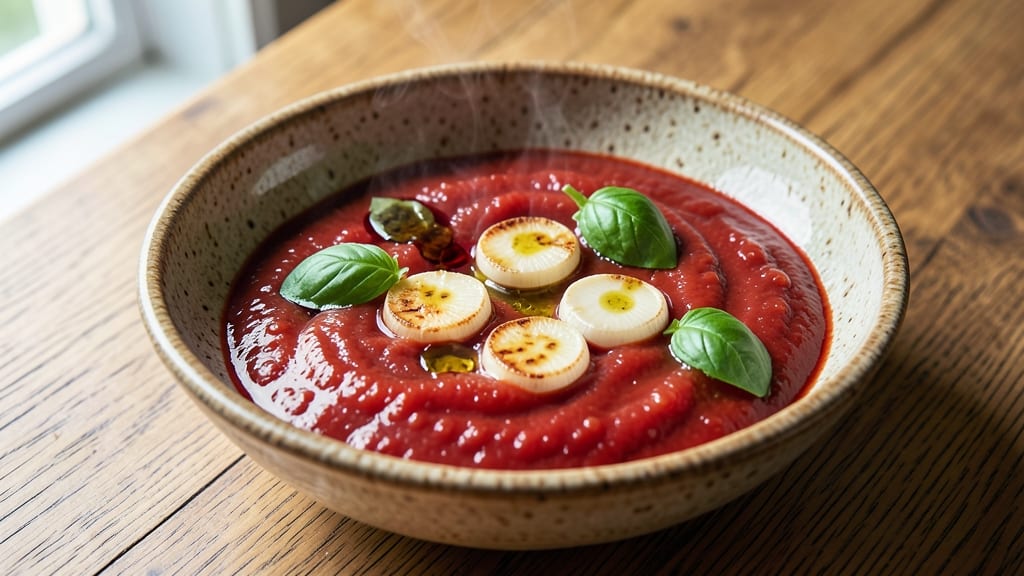
This amazing marinara sauce recipe transforms simple canned tomatoes into a deep, flavorful sauce that tastes like it simmered all day—no meat clumps in sight. The secret lies in slow-cooking tomatoes with garlic, herbs, and a splash of red wine for richness, while stirring constantly to prevent thickening.
I perfected this version after years of burning sauces or ending up with gluey, chunky results.
What sets this marinara apart is the balance—tangy enough to cut through rich dishes but never overpowering, with layers of umami from caramelized garlic and toasted spices. The sauce thickens just enough to coat pasta beautifully without being heavy, and it stays smooth thanks to a simple blending technique.
No blender? No problem—just strain the tomatoes for silky texture.
You’ll end up with a versatile sauce that works on pasta, pizza, or as a dipping sauce for crusty bread—always fresh-tasting, never canned. The best part? It keeps for weeks in the fridge, so you can make a big batch and freeze portions for lazy weeknights.
This is the marinara sauce I reach for every time, and it’s about to become yours too.
The magic happens in the simmering: low heat, constant stirring, and patience. Trust me, those 45 minutes are worth it for sauce that tastes like it came from a family recipe passed down for generations. Let’s get cooking—your taste buds will thank you.
Ingredients for amazing marinara sauce
Ten simple ingredients that transform basic canned tomatoes into restaurant-quality marinara.
| Ingredient | Amount | Notes |
|---|---|---|
| San Marzano Tomato Cans 🍅 | 28 oz | Whole peeled tomatoes, no salt added |
| Extra-Virgin Olive Oil 🫒 | ½ cup | High-quality, fruity variety |
| Garlic Cloves 🧄 | 6 cloves | Fresh, peeled, thinly sliced |
| Red Wine 🍷 | ½ cup | Bold dry variety like Cabernet |
| Dried Oregano 🌿 | 1 tbsp | Mediterranean or Italian blend |
| Fresh Basil Leaves 🌿 | ½ cup | Packed, stems removed |
| Salt 🧂 | 1 ½ tsp | Diamond Crystal kosher salt |
| Ground Black Pepper 🌶️ | ½ tsp | Freshly ground preferred |
| Granulated Sugar 🍚 | 1 tsp | Balances acidity |
| Balsamic Vinegar 🍶 | 1 tbsp | For depth of flavor |
San Marzano tomatoes are the gold standard here—Trader Joe's or Whole Foods carry them year-round. The canned kind beats fresh for this sauce since it's already broken down. For olive oil, California extra-virgin (like Corto or Lucini) adds fruity notes that stand up to the tomatoes. Garlic? Roast it first for 10 minutes at 400°F—sweetens the flavor and prevents bitterness. Red wine is non-negotiable for depth, but any bold dry red works (Cabernet, Merlot, whatever's open).
No red wine? Substitute beef broth with a splash of balsamic—it's the secret weapon in store-bought sauces. Fresh basil is ideal, but dried oregano at half the amount gets you close in a pinch. The sugar might seem odd, but it cuts the acidity perfectly—trust me, you'll taste the difference. For a smoother texture without blending, strain the tomatoes through a fine-mesh sieve after cooking. The balsamic vinegar adds that authentic tang without overpowering.
This sauce tastes even better the next day as flavors meld. Keeps 2 weeks in the fridge, 6 months frozen. Portion into ice cube trays for perfect single servings—freeze flat, then transfer to a bag. The oil layer on top? Just skim it off before reheating. Double the batch and freeze half—you'll thank yourself when you're craving pasta on a Tuesday night.
Why You'll Love This Recipe
- No-Cook Prep: I swear by this—just dump the San Marzano tomatoes, splash in red wine, and let the stove do the work. Minimal chopping, no blender, and zero fuss. The garlic and herbs infuse while you sip your coffee.
- Wine-Infused Depth: That little glug of red wine? It’s the secret. The acidity brightens the tomatoes, and the alcohol cooks off into a rich, almost umami punch. You’ll taste it in every bite—like a fancy dinner, but with pantry staples.
- Pasta Party Ready: Serve it over spaghetti for a weeknight classic, or let it simmer longer to top grilled chicken or meatballs. Honestly, I’ve even used it as a pizza sauce—just add cheese and a crust. The possibilities are endless, and it never feels like a chore.
- Budget-Friendly Staple: A single can of San Marzanos and a bottle of wine stretch across multiple meals. Freeze leftovers for lazy days, or double the batch for Sunday dinner. My wallet and freezer both thank me every time.
Step-by-step instructions for slow-simmered umami marinara
Let's build a rich, velvety marinara that delivers deep flavor without clumping or bitterness.
Sauté Garlic in Olive Oil Until Fragrant
Heat the 0.5 cup extra-virgin olive oil in a heavy-bottomed saucepan over medium-low heat. Add the 6 cloves sliced garlic and cook for 3-4 minutes until the edges turn light golden but don't brown. Watch carefully—garlic burns in seconds, which would make the sauce bitter.
This gentle cooking releases the garlic's sweetness without bitterness. I stir constantly with a wooden spoon to distribute the oil evenly and prevent any clumping. The oil should be shimmering but not smoking—this is your target heat level.
Deglaze with Red Wine and Simmer
Pour in the 0.5 cup red wine and stir vigorously to scrape up all the browned bits from the bottom of the pan. Let it simmer for 3-4 minutes until reduced by about half and the alcohol aroma disappears. You'll see the liquid darken slightly as it concentrates.
This deglazing step captures all the garlic flavor and forms the sauce's foundation. If the wine reduces too quickly, just reduce the heat slightly. You want the wine to cook down enough to mellow its sharpness but still maintain some acidity to balance the tomatoes.
Add Tomatoes and Seasonings
Add the 28 oz San Marzano tomato cans, crushing a few tomatoes with your hands to release their juices. Stir in the 1 tbsp dried oregano, 1.5 tsp salt, 0.5 tsp ground black pepper, and 1 tsp granulated sugar. Bring to a gentle boil, then reduce heat to low and let it simmer uncovered.
The sugar balances the tomatoes' natural acidity while the salt enhances all the flavors. I like to stir occasionally to prevent any skin from forming on top. This is where the magic happens—low and slow develops that deep umami flavor without breaking down the tomatoes into mush.
Simmer for 45-60 Minutes
Let the sauce cook uncovered for 45-60 minutes at a gentle simmer. You'll know it's ready when it thickens noticeably and coats the back of a spoon. The sauce should reduce by about a third, concentrating all the flavors.
I stir every 10 minutes to prevent sticking and check for doneness. The sauce should be smooth with no visible tomato chunks—just a velvety consistency. If it gets too thick, add a splash of water or pasta water to loosen it slightly.
Finish with Basil and Balsamic
Remove from heat and stir in the 0.5 cup fresh basil leaves and 1 tbsp balsamic vinegar. Let it sit for 5 minutes to infuse, then taste and adjust seasoning if needed. The basil adds freshness while the balsamic deepens the sauce's complexity.
This final step is crucial. The basil should be added off the heat to preserve its vibrant color and fresh flavor. The balsamic vinegar adds that signature depth that separates good marinara from amazing marinara. Serve immediately over pasta or save for later—it keeps well in the fridge for up to a week.
Pro Tips For Making Amazing Marinara Sauce
- CRUSH GARLIC FIRST: I learned this the hard way—don’t just toss whole cloves into the pot. Mince the garlic finely (almost paste-like) and let it sit in the olive oil for 2-3 minutes until it’s golden but not brown. That’s when it releases its full flavor without burning—trust me, your sauce will taste deeper.
- SIMMER, DON’T BOIL: After adding the wine and tomatoes, resist the urge to crank the heat. A gentle simmer (tiny bubbles, occasional swirls) keeps the sauce from splitting or turning bitter. I used to rush it, and the texture always suffered—now I just walk away and let it do its thing.
- SALT THE TOMATOES: San Marzanos are low-acid, so they need a little help brightening up. Add 1 teaspoon of salt directly to the crushed tomatoes before combining with the rest of the sauce. This draws out moisture and balances the flavors—no, it won’t make the sauce taste salty, but it’ll taste right.
- DEGLAZE WITH WINE, THEN REDUCE: Don’t just dump the wine in and stir—let it sizzle for 30 seconds until it’s almost evaporated. Then add the tomatoes. This caramelizes the garlic and wine into the sauce, adding a rich, savory depth. I was skeptical until I tried it—now it’s non-negotiable.
Dietary considerations for this recipe
Gluten-Free Adaptations
This marinara sauce is naturally gluten-free since it only contains tomatoes, garlic, olive oil, and herbs. The key is to avoid cross-contamination with gluten-containing ingredients like breadcrumbs or flour-thickened sauces.
I always use a clean wooden spoon and pot when making gluten-free versions to prevent any accidental mixing with flour-based dishes. 🌱
Low-Sodium Options
For a low-sodium version, reduce the salt to just 0.5 tsp and use no-salt-added tomatoes. You can also boost flavor with an extra ½ tsp onion powder or ¼ tsp smoked paprika—these add depth without sodium.
I find that the red wine and balsamic vinegar already provide enough umami to compensate for the reduced salt.
Vegetarian & Vegan
This sauce is already vegetarian and can easily be made vegan by ensuring your olive oil is certified vegan (most are) and checking that your red wine isn't fined with egg whites.
The San Marzano tomatoes are naturally vegan, and all other ingredients fit within vegan guidelines. For extra richness, stir in 1 tbsp nutritional yeast at the end for a cheesy, umami boost.
Allergy-Friendly Swaps
For basil allergies, replace the fresh basil with ½ tsp dried thyme or ¼ tsp dried marjoram—both add herbal notes without the risk. If you're sensitive to garlic, reduce to 3 cloves and add ½ tsp garlic powder for flavor.
For olive oil allergies, substitute with avocado oil or grapeseed oil (both have neutral flavors that won't compete with the tomatoes).
Nut-Free & Seed-Free
This recipe is already nut-free and seed-free, but if you're avoiding all potential cross-contamination, make sure your olive oil isn't processed in facilities that handle nuts. I recommend Certified Nut-Free olive oil from brands like Primal Kitchen or Chosen Foods.
The sauce's flavor profile remains intact with these precautions—it's all about the tomatoes and herbs!
Keto-Friendly Version
For a keto adaptation, reduce the sugar to ½ tsp (or omit entirely) and use 1 tbsp erythritol instead. The sauce's natural tomato sweetness will still shine through.
I also recommend adding 1 tbsp tomato paste to intensify the flavor without added carbs. This version keeps all the umami richness while fitting into low-carb diets.
Nutrition facts
Frequently asked questions about this amazing marinara sauce
Can I make this sauce without red wine?
Yes! Replace the 0.5 cup red wine with 0.5 cup beef or vegetable broth plus 1 tbsp balsamic vinegar to maintain depth. The broth adds moisture while the vinegar provides that tangy complexity. For a richer flavor, use ½ cup tomato paste instead of wine—it intensifies the sauce's umami without alcohol.
Why does my marinara sauce get chunky?
Chunkiness usually happens from three things: overcooking (breaks down tomatoes), not crushing tomatoes (leaves large pieces), or high heat (creates skin). To fix it, blend the sauce briefly with an immersion blender, or strain it through a fine-mesh sieve. For prevention, simmer on low heat and crush tomatoes by hand before cooking.
How do I store leftover marinara sauce?
Store in an airtight container in the fridge for up to 2 weeks. The flavors actually improve after the first day! For freezing, portion into ice cube trays (perfect for single servings), then transfer to a freezer bag. Thaw overnight in the fridge—never microwave directly from frozen. The sauce may thicken when cold; just stir in a splash of water when reheating.
Can I use fresh tomatoes instead of canned?
Fresh tomatoes work but require extra prep: peel, seed, and chop 3-4 lbs of ripe tomatoes (like Roma or San Marzano varieties). Simmer them for 20-30 minutes first to break down their texture before adding other ingredients. Fresh tomatoes are more watery, so you'll need to reduce the sauce longer. For best results, blend half the sauce for smoothness and leave the other half chunky.
What's the secret to making this sauce taste restaurant-quality?
The three key secrets are: low and slow cooking (45-60 minutes), balancing acidity (sugar + balsamic), and finishing with fresh basil off the heat. Also, use high-quality olive oil and San Marzano tomatoes—these make the biggest flavor difference. Finally, taste as you go and adjust seasoning gradually rather than adding everything at once.