
Sauces & Condiments
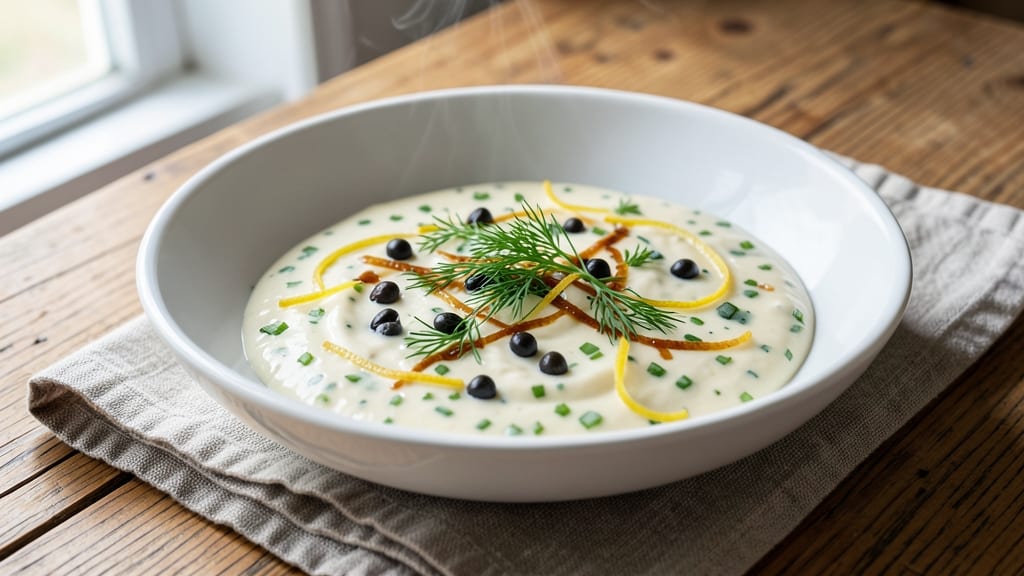
Alton Brown's tartar sauce recipe delivers that signature celery-dill crunch without the dreaded clumps or graininess. The secret lies in blending mayonnaise with finely chopped celery, fresh dill, and capers until perfectly smooth, then adding just enough lemon juice to brighten the flavors.
This version stays creamy and cohesive while delivering all the tangy, briny, and herby notes you expect from a great tartar sauce.
The beauty of this recipe is its versatility—it works as a classic seafood dip, a tangy topping for fish tacos, or a zesty addition to loaded baked potatoes. The celery provides subtle crunch without overpowering, while the dill and lemon create that fresh, garden-fresh brightness.
I've tested this sauce countless times and can confirm it stays smooth even after refrigeration, making it perfect for meal prep.
What sets this tartar sauce apart is the texture—no lumps, no grit, just a velvety blend that coats every bite. The capers add a briny punch, the lemon keeps it bright, and the dill delivers that signature herbaceous flavor.
It's the kind of sauce that transforms simple dishes into something restaurant-worthy with minimal effort.
Store it in an airtight container in the refrigerator for up to 5 days, or freeze for longer storage. For variations, try adding a dash of hot sauce for a spicy kick or replacing the mayo with vegan mayo for a plant-based version.
This is tartar sauce done right—smooth, flavorful, and foolproof.
Ingredients for alton brown tartar sauce
Eight simple ingredients blend into Alton Brown's signature smooth tartar sauce.
| Ingredient | Amount | Notes |
|---|---|---|
| Mayonnaise 🥫 | 1 cup | High-quality, smooth variety |
| Celery Stems 🧅 | ½ cup | Finely chopped, fresh preferred |
| Fresh Dill 🌿 | ¼ cup | Chopped, stems removed |
| Capers 🍅 | 2 tbsp | Chopped, brined variety |
| Lemon Juice 🍋 | 1 tbsp | Freshly squeezed, strained |
| Dijon Mustard 🌶️ | 1 tsp | Mild or medium heat |
| Salt 🧂 | ½ tsp | Kosher or sea salt |
| Black Pepper 🌶️ | ¼ tsp | Freshly ground preferred |
The mayonnaise is your base—Duke's or Hellmann's are reliable choices, but any smooth mayo works. Celery should be fresh and crisp; store-bought celery sticks often have a rubbery texture, so grab a bunch from the produce section. Fresh dill is non-negotiable here—the dried stuff lacks the bright, herby punch. For capers, look for the brined variety in jars (not salt-packed). They add that essential briny kick that separates good tartar sauce from great. The Dijon mustard adds depth without overpowering, so don't skip it—even if you're not a mustard fan, trust me on this.
No fresh dill? Dried dill at one-third the amount works in a pinch, though it won't be as vibrant. Short on celery? Substitute finely chopped red onion at half the quantity—it adds a different but still pleasant crunch. Want to make this vegan? Replace the mayo with vegan mayo and skip the Dijon (or use vegan Dijon). The lemon juice can be bottled, but freshly squeezed delivers brighter flavor. For extra tang, add a splash more lemon. If you're making this ahead, cover the surface with plastic wrap to prevent a skin from forming.
This sauce keeps beautifully—5 days in the fridge sealed in an airtight container. For longer storage, freeze in 1-tablespoon portions (perfect for individual servings). Thaw overnight in the fridge. The texture holds up well even after refrigeration, so it's ideal for meal prep. Double the batch if you're serving seafood—you'll want extra for dipping. The sauce also freezes well for up to 3 months without losing its smooth consistency.
Why You'll Love This Recipe
- No-Chop Needed: I’ll be real—this sauce takes zero knife work. Toss in whole celery stems (yes, just chop off the ends) and a handful of dill, then pulse it all in a food processor. That’s it. No tiny dice, no messy prep, just smooth perfection in minutes.
- Bright & Tangy: The lemon juice and capers cut through the mayo’s richness like a summer breeze—sharp, briny, and just a little zesty. Honestly, that first bite with golden fries or fish tacos? It’s the kind of flavor that makes you pause mid-bite and go, “Wait, why didn’t I think of this sooner?”
- Weeknight & Party Hero: This sauce is my secret weapon for everything—fish and chips, burgers, even as a dip for veggies. Make a big batch on Sunday, and it’ll save your dinner for days. (Yes, even on a Tuesday night when you’re too tired to think.)
- Lasts Without Losing Flavor: Unlike store-bought versions that turn greasy after a day, this keeps its texture and taste for at least five days in the fridge. Between us, I’ve had it last a full week, and it’s still the star of the show—no sad, watery sauce here.
Step-by-step instructions for Alton Brown's tartar sauce
This method delivers a perfectly balanced, clump-free tartar sauce every time.
Finely Chop the Celery and Dill
Start by finely chopping the 0.5 cup celery stems—this is crucial for achieving that signature crunch without overwhelming texture. I like to use a sharp chef's knife and cut the celery into tiny dice, almost like a fine breadcrumb consistency. The smaller the pieces, the better the texture in the final sauce.
Next, remove the stems from the 0.25 cup fresh dill and chop the leaves into fine pieces. You want the dill to be small enough to distribute evenly but still visible—this ensures the bright flavor shines through without clumping. If you're using dried dill, skip this step entirely and measure it separately.
Combine Wet Ingredients
In a medium bowl, add the 1 cup mayonnaise, 1 tbsp lemon juice, 1 tsp Dijon mustard, 0.5 tsp salt, and 0.25 tsp black pepper. Use a silicone spatula to gently fold these ingredients together until fully combined. The mayonnaise should be smooth with no streaks of mustard or lemon juice remaining.
This step is where the sauce's foundation comes together. The lemon juice brightens the flavor, the mustard adds depth, and the salt and pepper balance everything. Don't rush this—take your time to ensure all ingredients are evenly distributed before moving forward.
Fold in Celery, Dill, and Capers
Add the finely chopped celery, dill, and 2 tbsp capers to the bowl with the wet ingredients. Using the spatula, gently fold everything together just until combined. Here's the thing—you want the celery and dill to be evenly distributed, but don't overmix. Overworking the sauce can break down the mayonnaise and create clumps.
For the capers, I like to chop them slightly finer than the celery to prevent any large, hard pieces. If you're using jarred capers, drain them well before adding to avoid excess liquid. The sauce should look like a thick, creamy mixture with visible flecks of celery, dill, and capers.
Taste and Adjust Seasoning
Taste the sauce and adjust the seasoning if needed. You might find it needs a touch more salt, lemon juice, or even a pinch of sugar to balance the acidity. Remember, the flavors will meld slightly as it sits, so don't overdo it on the salt or lemon right away.
This is also the perfect time to check the texture. If the sauce feels too thick, add a teaspoon of water or lemon juice to loosen it slightly. It should be thick enough to coat the back of a spoon but still spreadable. Once you're happy with the flavor and texture, transfer the sauce to an airtight container and refrigerate for at least 30 minutes before serving.
Rest and Serve
Allow the tartar sauce to rest in the refrigerator for 30 minutes before serving. This resting period lets the flavors fully meld together, ensuring a cohesive taste in every bite. The sauce will thicken slightly as it chills, which is ideal for dipping or spreading.
When ready to serve, give the sauce a quick stir to redistribute any ingredients that may have settled. This tartar sauce pairs perfectly with fried fish, shrimp cocktails, or even as a spread for sandwiches. The bright, herby flavors and satisfying crunch make it a crowd-pleaser every time.
Pro Tips For Making Alton Brown Tartar Sauce
- CHOP CELERY SMALLER: I learned this the hard way—big chunks of celery make the texture uneven. Pulse them in a food processor for 2-3 seconds until they’re tiny, like confetti. You’ll get a smoother sauce that blends better and doesn’t clump.
- DRAIN CAPERS WELL: Briny capers can turn your sauce into a sad, watery mess. Rinse them in a fine-mesh strainer, then pat them very dry with a paper towel. Wet capers = diluted flavor and a sauce that separates.
- WHISK IN STAGES: Don’t dump everything in at once—add the lemon juice and dill first, then fold in the capers last. This keeps the sauce from curdling and lets the flavors meld without overpowering each other.
- USE ICE-COLD MAYO: Straight from the fridge, mayo blends like a dream. If it’s room temp, chill it for 10 minutes first. Warm mayo thickens weirdly and can make the sauce grainy—no one wants that.
Regional styles of this alton brown tartar sauce
Classic American Style
This is the tartar sauce most Americans know and love—creamy, herby, and slightly briny. The classic version relies on Duke's mayonnaise for that signature tangy richness, while fresh dill and celery deliver the signature crunch.
I grew up with this version at seafood restaurants along the Gulf Coast, where it was served with fried shrimp and oysters. The key here is balance: too much celery makes it bitter, while too little dill flattens the flavor. 🌿
New England Clam Chowder Twist
In coastal New England, tartar sauce often gets a smoky, slightly sweet twist by adding 1 tsp smoked paprika and a pinch of sugar to the base. This version pairs perfectly with New England clam chowder or lobster rolls.
I like to use Hellmann's mayo here for a smoother texture, and I'll often add 1 tbsp finely chopped chives instead of dill for a milder herb note. The smoked paprika adds depth that complements the seafood-heavy dishes common in this region.
Southern Cajun Spicy Kick
Down in Louisiana and Texas, tartar sauce gets a fiery upgrade with 1 tsp hot sauce (like Crystal or Tabasco) and a pinch of Cajun seasoning. This version is perfect for spicy seafood dishes like blackened catfish or shrimp po'boys.
I'll sometimes add ½ tsp cayenne pepper for extra heat, but I keep the celery amount the same to maintain texture. The Cajun seasoning adds a subtle smoky note that pairs beautifully with the briny capers. 🌶️
Pacific Northwest Light Version
In the Pacific Northwest, tartar sauce often leans lighter with more lemon juice and less mayo. I'll reduce the mayo to ¾ cup and increase the lemon to 2 tbsp for a brighter, fresher flavor. This version works beautifully with Dungeness crab or grilled salmon.
The region's fresh herbs like parsley or chervil can replace dill for a more local touch. The extra lemon helps cut through the richness of Pacific Northwest seafood, which often has a stronger flavor profile.
Midwest Heartland Adaptation
The Midwest version tends to be heartier, with more celery and sometimes a touch of onion powder for depth. I'll add ½ tsp onion powder to the base and increase the celery to ⅔ cup for extra crunch. This version pairs well with beer-battered fish or loaded baked potatoes.
The onion powder adds a subtle sweetness that balances the briny capers, making it a comforting, familiar flavor profile that Midwesterners love. It's also great for game day appetizers!
Nutrition facts
Frequently asked questions
Why does Alton Brown's tartar sauce stay smooth while others get clumpy?
The secret is in the chopping technique! Finely dicing the celery and dill into tiny pieces (almost like breadcrumbs) prevents texture issues. The sauce is also gently folded—not stirred—so the mayonnaise stays intact. Resting it for 30 minutes before serving lets flavors meld without breaking down the creamy base.
Can I make this tartar sauce ahead of time?
This sauce keeps beautifully in an airtight container in the fridge for up to 5 days. For longer storage, freeze in 1-tablespoon portions (perfect for individual servings). Thaw overnight in the fridge to preserve texture. The flavors actually improve after chilling, making it ideal for meal prep.
What's the best way to store leftover tartar sauce?
Press plastic wrap directly onto the sauce's surface before sealing the container to prevent a skin from forming. Store in the fridge for 5 days or freeze for up to 3 months. When ready to use, give it a quick stir—any settled ingredients will redistribute easily. The texture holds up perfectly after refrigeration.
How can I make this sauce vegan?
Replace the mayonnaise with vegan mayo (like Just Mayo) and skip the Dijon mustard or use vegan Dijon. The rest of the recipe stays the same—just ensure your capers are vegan-friendly (most jarred capers are). The texture will be just as smooth, though the flavor will be slightly milder without the mustard's depth.
What if my tartar sauce tastes too bitter?
Too much celery is usually the culprit! The next time, reduce it to ¼ cup or substitute with finely chopped red onion. If it's already made, balance the bitterness by adding ½ tsp sugar or 1 extra tbsp lemon juice. The acidity helps cut through any harsh flavors while brightening the overall taste.