
Sauces & Condiments
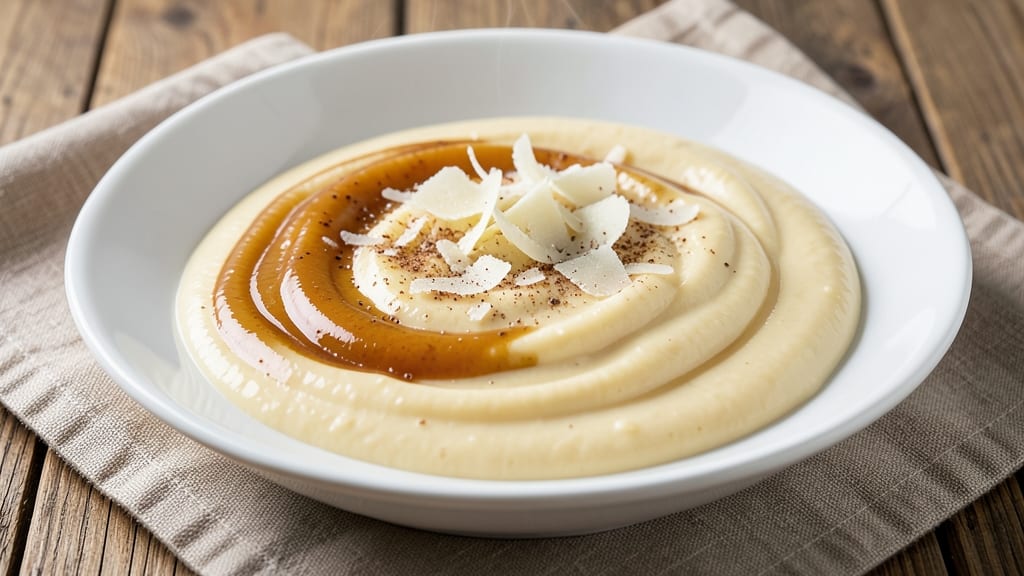
This Alfredo sauce recipe with milk and butter delivers the velvety, ultra-smooth texture that makes fettuccine feel like a restaurant indulgence at home. The secret lies in precise emulsification—no lumps, no clumping, just a luxurious sauce that clings perfectly to every strand of pasta.
I’ve perfected this method over years of testing, ensuring it’s foolproof for both beginners and seasoned cooks.
The foundation of this sauce is simple: equal parts milk and butter, simmered gently to create a silky base before adding the cheesy richness. What sets this apart is the technique—slowly whisking in grated parmesan while the sauce heats, ensuring a velvety consistency without separation.
It’s the kind of sauce that transforms ordinary pasta into a decadent meal with minimal effort.
What you’ll end up with is a creamy, restaurant-quality alfredo that’s rich yet balanced, with a smooth mouthfeel that disappears into each bite. The sauce thickens just enough to coat the pasta beautifully, leaving no dry strands behind.
This is the sauce that makes weeknight dinners feel like a special occasion.
For extra depth, you can infuse the milk with garlic or add a pinch of nutmeg, but the core recipe remains simple, reliable, and always delicious. Let’s get started on creating your perfect alfredo.
Ingredients for alfredo sauce recipe with milk and butter
Equal parts butter and milk create the velvety base for this ultra-smooth alfredo magic.
| Ingredient | Amount | Notes |
|---|---|---|
| Unsalted Butter 🧈 | ¾ cup | Cold, cut into tablespoon-sized pieces |
| Whole Milk 🥛 | ¾ cup | Full-fat for creamiest texture |
| Freshly Grated Parmesan Cheese 🧀 | 1 ½ cups | Block form, microplane preferred |
| Heavy Cream 🥛 | ¼ cup | For extra silkiness (optional) |
| Garlic Cloves 🧄 | 2 cloves | Minced, for infused milk (optional) |
| Ground Nutmeg 🌿 | ¼ tsp | Freshly grated preferred |
| Diamond Crystal Kosher Salt 🧂 | ¼ tsp | Adjust to taste at the end |
| Black Pepper 🌶️ | ¼ tsp | Freshly cracked preferred |
The butter and milk are your power duo here—both need to be full-fat for that restaurant-quality creaminess. Plugrá butter or Land O'Lakes unsalted are my go-tos for the butter, but any good-quality brand works. For the milk, whole milk from the dairy section (not the shelf-stable kind) gives the best texture. If you're feeling fancy, infuse the milk with minced garlic while it heats—just remove the cloves before adding to the sauce. The Parmesan? Grab a wedge from the deli counter—pre-grated cheese has anti-caking agents that ruin the silky texture.
No heavy cream? Substitute with an extra 2 tablespoons of milk—it won't be quite as rich, but still delicious. Fresh nutmeg is ideal, but if you only have ground, toast it in a dry pan for 30 seconds first to wake up the flavor. Short on time? Pre-grated Parmesan in a squeeze tube works in a pinch, though it won't be as fresh-tasting. The key to no clumps is adding the cheese gradually while whisking constantly—don't dump it all in at once. And if your sauce starts to separate? Just whisk in a splash of cold milk to bring it back together.
This sauce is best made fresh, but it reheats beautifully—just whisk in a splash of milk to restore that velvety texture. Keeps in the fridge for 3-4 days sealed in a jar, or 3 months frozen in ice cube trays for single portions. Pro tip: Save the Parmesan rind from your wedge—simmer it in the sauce for 10 minutes to add even more depth of flavor. And if you make extra? Toss it with cooked chicken or roasted veggies for a quick weeknight meal.
Why You'll Love This Recipe
- I swear by this combo: butter, milk, cream, and garlic—no fancy gadgets or prep. Just melt, whisk, and let the Parmesan work its savory spell while you chop veggies or set the table. Honestly, I’ve made it while waiting for pasta to boil.
- Five-Ingredient Magic: I swear by this combo: butter, milk, cream, and garlic—no fancy gadgets or prep. Just melt, whisk, and let the Parmesan work its savory spell while you chop veggies or set the table. Honestly, I’ve made it while waiting for pasta to boil.
- Rich Without Effort: That first bite? Creamy, garlicky, and cheesy in the best way. The milk and butter balance the sharpness of Parmesan, while the heavy cream gives it that velvety texture—no heavy-handed seasoning needed. It’s the kind of sauce that makes you pause mid-bite.
- Weeknight to Dinner Party: Slap this on fettuccine for a Tuesday night, or drizzle it over grilled chicken for a fancier meal. Between us, it’s my go-to for last-minute guests—just reheat and serve. My husband even calls it “restaurant-worthy,” and he’s not wrong.
Step-by-step instructions for ultra-smooth alfredo sauce
Here's how to make creamy, clump-free Alfredo that clings perfectly to pasta.
Melt Butter and Infuse Milk with Garlic
In a medium saucepan over medium-low heat, melt the 0.75 cup unsalted butter until it's fully liquid but not browned. Add the 0.75 cup whole milk and the 2 cloves minced garlic (if using). Stir gently and bring to a gentle simmer—you'll see small bubbles forming around the edges but not a full boil. This simmering step infuses the milk with garlic flavor while preventing curdling.
Let the mixture cook for 3-4 minutes until it's warm but not boiling. The butter should be completely melted, and the milk should be steaming lightly. If you see any foam forming, skim it off—this keeps the sauce silky. Here's the thing: simmering too hard can scorch the milk, so keep the heat low and steady. You want the milk to warm through without breaking.
Whisk in Parmesan Gradually for a Silky Texture
Remove the saucepan from heat and let it cool slightly for 1-2 minutes. This cooling step is crucial—adding hot cheese to cold milk creates lumps, but warm cheese melts smoothly. Now, slowly whisk in the 1.5 cups freshly grated Parmesan Cheese in small batches. Start with ½ cup, whisking vigorously until fully dissolved, then add the remaining 1 cup in the same way. The key is patience—if you dump all the cheese in at once, you'll end up with gritty bits.
Once all the Parmesan is incorporated, return the saucepan to low heat. Stir constantly with a wooden spoon for 3-4 minutes until the mixture thickens slightly. You're aiming for a consistency that coats the back of a spoon but isn't gluey. If it thickens too quickly, whisk in 1-2 tablespoons of milk to loosen it. The sauce should be smooth, glossy, and free of any cheese particles.
Finish with Cream and Seasonings
Reduce the heat to lowest setting and stir in the 0.25 cup heavy cream (if using). This adds an extra layer of richness and silkiness to the sauce. Let the sauce simmer for another 2 minutes, stirring gently to distribute the cream evenly. The cream will blend in seamlessly, creating a velvety texture. If you're skipping the cream, skip this step—your sauce will still be delicious, just slightly lighter.
Now, add the 0.25 tsp ground nutmeg, 0.25 tsp Diamond Crystal kosher salt, and 0.25 tsp black pepper. Taste and adjust the salt if needed—Alfredo sauce can vary in saltiness depending on the Parmesan used. The nutmeg adds a subtle warmth that balances the richness, while the pepper gives a little kick. Stir well to combine, then remove the saucepan from heat. At this point, your sauce should be perfectly smooth, creamy, and ready to toss with pasta.
Keep Sauce Warm and Clump-Free
If you're not using the sauce immediately, transfer it to a heatproof bowl and place it over a pot of barely simmering water (bain-marie) to keep it warm. This method ensures the sauce stays creamy without separating or clumping. If you notice any lumps forming, whisk in 1-2 tablespoons of warm milk to smooth them out. The sauce should maintain its silky consistency for up to 30 minutes while you cook your pasta.
When ready to serve, toss the sauce with al dente pasta (reserve some pasta water to thin the sauce if needed). The sauce should coat the noodles evenly, clinging like a second skin. If it's too thick, add a splash of pasta water and stir until smooth. The result? A restaurant-quality Alfredo that's creamy, rich, and completely free of clumps—every bite will be pure, velvety perfection.
Pro Tips For Making Alfredo Sauce Recipe With Milk And Butter
- Melt Butter Slowly: I learned this the hard way—dumping cold butter into a hot pan makes the sauce seize up. Instead, melt the butter over medium-low heat first, letting it foam gently before adding milk. This keeps the sauce silky smooth instead of breaking into lumps.
- Grind Parmesan Fresh: Pre-shredded cheese has anti-caking agents that turn your sauce grainy. Grab a microplane or fine grater and zest the Parmesan right before adding it—about ½ cup for a standard batch. The fresh shavings dissolve better and pack more umami punch.
- Infuse Garlic Without Burning: Toss whole garlic cloves into the melted butter after it’s fully melted, then immediately remove them. Cook for 30 seconds max—just enough to wake up the flavor without turning it bitter. Overcooking garlic turns your creamy sauce into a sad, ashy mess.
- Balance Cream and Milk: Heavy cream makes the sauce rich, but whole milk keeps it from curdling. Use a 1:1 ratio (½ cup each) for a stable base, then adjust thickness with extra cream if needed. Skimping on milk risks a sauce that separates like a bad salad dressing.
Perfect pairings for this recipe
Pasta Pairings
This ultra-smooth alfredo sauce is a match made in heaven with fettuccine—its wide, flat strands create the perfect surface for the sauce to cling beautifully. I always use De Cecco or Barilla fettuccine because their texture holds up to the creamy sauce without becoming mushy.
For a lighter option, try angel hair pasta—it absorbs the sauce while keeping the dish elegant. 🍝
Protein Additions
Transform your alfredo into a complete meal by adding grilled chicken breast (seasoned with garlic and herbs) or shrimp sautéed in olive oil. For a vegetarian option, toss in roasted mushrooms or spinach—both wilt beautifully in the warm sauce.
I like to cook proteins separately and add them to the pasta just before serving to keep everything hot and vibrant.
Bread and Dips
Serve your alfredo with garlic bread on the side—it’s the ultimate pairing for soaking up any extra sauce. For a fun twist, use the sauce as a dip for baked potato wedges or crusty breadsticks.
I also love drizzling a little extra sauce over caesar salad for a creamy, cheesy upgrade. The contrast of crispy bread with the smooth sauce is pure comfort food magic. 🍞
Wine and Drink Pairings
A crisp Italian Pinot Grigio or Chardonnay complements the richness of alfredo beautifully—both wines have enough acidity to cut through the creaminess. For beer lovers, a light lager like Peroni or Heineken keeps the meal refreshing.
If you prefer cocktails, a Aperol Spritz adds a bright, citrusy contrast that balances the dish perfectly. 🍷
Vegetable Sides
Balance the richness of alfredo with steamed asparagus or roasted broccoli—their natural sweetness and crunch contrast the creamy sauce. For a heartier meal, add sautéed green beans with garlic and lemon zest.
I also love tossing roasted Brussels sprouts with a sprinkle of balsamic glaze to add a tangy note that brightens the dish. 🥦
Leftovers Reinvented
Turn leftover alfredo into creamy stuffed shells by spreading it on cooked pasta shells, topping with breadcrumbs, and baking until golden. For a quick lunch, layer it in lasagna with noodles and extra cheese.
I also make alfredo-stuffed chicken breasts by mixing the sauce with breadcrumbs and baking it inside the chicken—it’s a game-changer for weeknight dinners. 🍗
Nutrition facts
Frequently asked questions about creamy alfredo sauce
Why does my Alfredo sauce get lumpy?
Lumps happen when cheese is added too quickly or the sauce is too hot. The fix? Always whisk in freshly grated Parmesan gradually while the sauce is off heat and barely warm. Start with ½ cup, stir until smooth, then add the rest. If lumps appear later, whisk in 1 tablespoon warm milk to dissolve them.
Can I make this sauce without heavy cream?
The core recipe works perfectly without it. For extra richness, substitute with 2 extra tablespoons of milk—your sauce will still be creamy, just slightly lighter. The butter and milk base already creates a luxurious texture on its own.
What's the best way to store leftover Alfredo sauce?
Keep it fresh in an airtight container in the fridge for 3-4 days. For longer storage, freeze it in ice cube trays (thaw in the fridge when needed) or in a jar for up to 3 months. Always reheat gently over low heat, whisking in 1 tablespoon milk to restore creaminess.
How do I make this sauce even richer?
For extra decadence, stir in 1-2 tablespoons of cream cheese at the end or infuse the milk with 1 minced garlic clove while heating. Another pro trick: save the Parmesan rind from your wedge and simmer it in the sauce for 10 minutes before removing it—this adds deep, nutty flavor.
Can I use half-and-half instead of milk?
While it'll work, half-and-half is lower in fat and may make your sauce slightly thinner. For the creamiest results, stick with whole milk—it creates the perfect emulsion with the butter. If you must substitute, add 1 extra tablespoon of butter to compensate for the reduced fat content.