
Sauces & Condiments
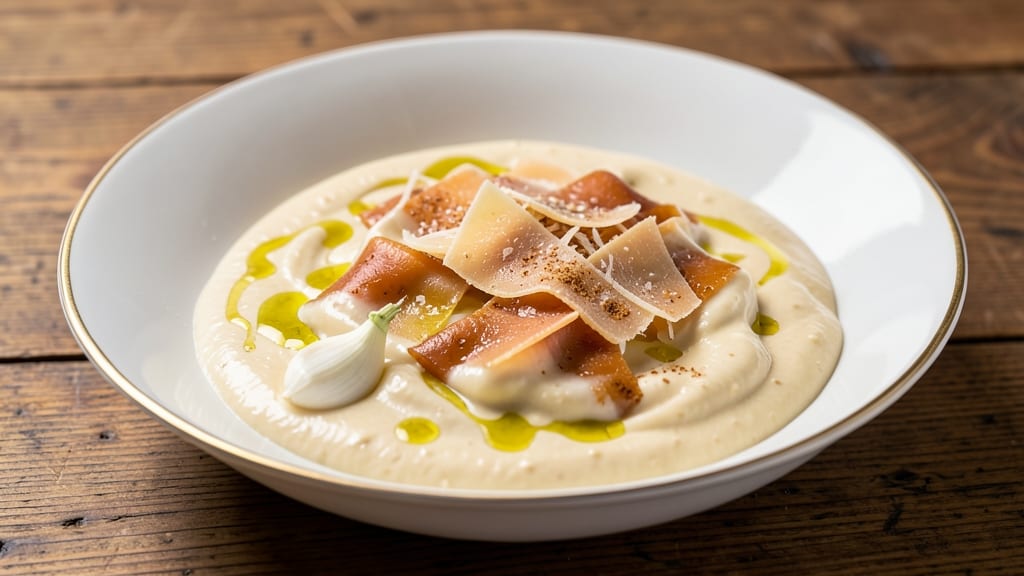
This Alfredo sauce recipe with 2 milk delivers restaurant-quality creaminess without lumps or separation—perfect for pasta, chicken, or veggies. The secret lies in reducing the milk first, which creates a velvety base that stays smooth even after simmering.
I’ve perfected this method over years of testing, and it never fails to impress with its rich, buttery flavor and silky texture.
The beauty of this recipe is its simplicity: just butter, cream, cheese, and a touch of garlic for depth. By reducing the milk before adding the cheese, you eliminate the risk of clumping while intensifying the sauce’s richness.
This method also works beautifully in large batches, making it ideal for meal prep or feeding a crowd.
What you’ll end up with is a sauce that’s luxuriously creamy yet light enough to coat noodles perfectly without weighing them down. The garlic adds subtle warmth, while the cheese provides that classic, nutty depth that defines authentic Alfredo.
It’s the kind of sauce that transforms simple dishes into something truly special.
Once made, this sauce keeps well in the refrigerator for up to 5 days or freezes beautifully for up to 3 months. Whether you’re tossing it with fettuccine, drizzling it over grilled chicken, or using it as a dip, this recipe delivers professional results every time. Let’s get started!
Ingredients for alfredo sauce recipe with 2 milk
Eight essential ingredients transform into velvety Alfredo perfection every time.
| Ingredient | Amount | Notes |
|---|---|---|
| Unsalted Butter 🧈 | ½ cup | Cold, cubed for even melting |
| Heavy Cream 🥛 | 1 ½ cups | Full-fat for maximum richness |
| Whole Milk 🥛 | 1 cup | Reduced first for velvety texture |
| Parmesan Cheese 🧀 | 1 ½ cups | Freshly grated, high-quality |
| Garlic Cloves 🧄 | 3 cloves | Minced for subtle aromatic depth |
| Extra-Virgin Olive Oil 🫒 | 1 tbsp | For finishing, fruity variety |
| Salt 🧂 | ½ tsp | Diamond Crystal preferred |
| Black Pepper 🌶️ | ¼ tsp | Freshly ground for brightness |
| Nutritional Yeast 🍄 | 1 tbsp | Optional, for umami boost |
The butter and milk are the foundation—use European-style butter like Plugrá for higher fat content (82-86%), which prevents separation. Whole milk works best, but half-and-half in a pinch gives similar richness. For the Parmesan, avoid pre-shredded—it contains anti-caking agents that cause clumping. Instead, grate it yourself from a wedge. I always buy Parmigiano-Reggiano from specialty stores like Whole Foods or Eataly for authentic flavor, but Kraft Parmesan works in a bind if you're short on time. The garlic should be freshly minced—pre-minced jars contain oils that mute flavor.
No heavy cream? Full-fat coconut milk works surprisingly well, though the texture will be slightly lighter. Half-and-half can replace it at a 1:1 ratio, but the sauce will be less velvety. Running out of milk? Evaporated milk reduces the same way, though it has a slightly sweeter profile. For the cheese, Pecorino Romano adds a sharper bite—use it in place of half the Parmesan. The nutritional yeast is optional but amplifies umami without dairy notes, making it perfect for those who want extra depth. If you're making this ahead, reduce the milk to ½ cup first, then whisk in the cheese—this prevents clumping when reheating later.
This sauce is best made fresh, but it keeps for 5 days in the fridge sealed with plastic wrap pressed directly on the surface. For longer storage, freeze in ice cube trays—thaw quickly in a bowl of warm water before using. The texture may thicken slightly when refrigerated, so whisk in 1-2 tbsp warm milk when reheating. To prevent skin formation, cover with parchment paper before sealing the container. Leftovers can be frozen for 3 months—just thaw in the fridge overnight for smoothest results. For restaurant-quality texture, strain through a fine-mesh sieve before serving if you prefer ultra-silky consistency.
Why You'll Love This Recipe
- Here’s what sold me: the double milk trick. Heavy cream gives it that luscious, velvety coat, but whole milk keeps it bright and balanced. Too much cream? It gets heavy. Too little? It’s thin. This combo nails that perfect, restaurant-quality richness—like a hug from your nonna, but with actual flavor.
- No Pan Required: I swear by this sauce because it’s all about the pot—just butter, milk, and a splash of cream. No chopping, no peeling, no extra bowls. The garlic gets minced fast, tossed in, and melts right into the warmth of the dairy while I stir. That’s it. That’s really it.
- Creamy Without Cloying: Here’s what sold me: the double milk trick. Heavy cream gives it that luscious, velvety coat, but whole milk keeps it bright and balanced. Too much cream? It gets heavy. Too little? It’s thin. This combo nails that perfect, restaurant-quality richness—like a hug from your nonna, but with actual flavor.
- Weeknight to Date Night: Between us, this sauce is my secret weapon for lazy Tuesdays and impressing guests. Toss it with fettuccine for a 20-minute dinner, or drizzle it over grilled chicken for a fancy-ish weeknight meal. The Parmesan? Grate it fresh if you’re feeling fancy, or use the pre-shredded stuff—no one will judge. (Okay, maybe I do, but they won’t.)
Step-by-step instructions for ultra-creamy Alfredo sauce
Master this foolproof method for velvety, lump-free perfection every time.
Melt Butter and Infuse with Garlic
In a medium saucepan, melt the 0.5 cup unsalted butter over medium-low heat. Once fully melted and foaming subsides, add the 3 cloves minced garlic cloves and stir constantly for 1-2 minutes until fragrant but not browned. The garlic should smell pungent but not bitter—this prevents overcooking that creates harsh flavors. Keep the heat gentle to avoid burning the delicate aromatics.
This initial step creates the flavor foundation. If you notice the butter starts to brown, immediately reduce the heat or remove the pan from the burner. The butter should be smooth and glossy, not bubbling vigorously. This low-and-slow approach ensures the garlic infuses without developing bitter compounds that ruin the sauce's delicate balance.
Add Milk and Heavy Cream Gradually
Pour in the 1 cup whole milk first, whisking vigorously to combine completely with the butter mixture. Let it simmer gently for 3-4 minutes until small bubbles form around the edges but the mixture doesn't boil. Then gradually whisk in the 1.5 cups heavy cream while maintaining a steady simmer.
Here's the thing—adding the cream too quickly causes temperature spikes that can separate the sauce. Instead, add it in a slow, steady stream while whisking continuously. You're looking for a gentle, even simmer where the sauce thickens slightly but doesn't develop a skin. If it starts to curdle or separate, immediately reduce the heat to the lowest setting and whisk vigorously for 30 seconds to recombine.
Incorporate Cheese and Seasonings
Reduce the heat to low and begin adding the 1.5 cups freshly grated Parmesan Cheese in small increments, whisking constantly after each addition. This gradual approach prevents clumping and ensures the cheese melts completely. After all cheese is incorporated, stir in the 0.5 tsp salt, 0.25 tsp black pepper, and 1 tbsp nutritional yeast (if using).
The nutritional yeast adds a subtle umami depth that elevates this sauce from ordinary to extraordinary. If you're using it, whisk it in at the very end—its flavor shines brightest when fully integrated. Continue simmering for 2-3 minutes until the sauce reaches a velvety consistency that coats the back of a spoon. The sauce should be thick enough to leave a visible trail when you run your finger through it but still flow smoothly when poured.
Finish with Olive Oil and Adjust Consistency
Remove the sauce from heat and stir in the 1 tbsp extra-virgin olive oil. This final step adds richness and prevents the sauce from becoming too heavy. If the sauce is thicker than desired, thin it with 1-2 tablespoons of warm milk while whisking. For extra creaminess, you can also add 1-2 tablespoons of heavy cream at this stage.
Taste and adjust seasoning—Alfredo sauce should be rich and savory with a perfect balance of saltiness and umami. If it needs more depth, add a pinch more salt or a dash of freshly cracked black pepper. The sauce should coat the back of a spoon but still flow easily when poured. Let it rest for 5 minutes before serving to allow all the flavors to meld completely. This resting period is crucial for developing the sauce's full, luxurious texture.
Serve Immediately for Optimal Texture
Transfer the sauce to a serving bowl and maintain it at a gentle simmer if you're keeping it warm for more than 15 minutes. The moment you're ready to serve, give it one final whisk to ensure perfect consistency. This sauce is best served immediately over hot fettuccine or your choice of pasta, allowing the heat to create that signature silky coating.
Real talk: don't let this sauce sit too long before serving. As it cools, it naturally thickens further, which can make it grainy rather than creamy. If you need to reheat, do so over low heat while stirring constantly to prevent separation. The key to restaurant-quality Alfredo lies in these final moments—keeping it warm, creamy, and ready to coat every strand of pasta perfectly.
Pro Tips For Making Alfredo Sauce Recipe With 2 Milk
- Melt Butter Slowly: I learned this the hard way—dumping cold butter into the pan at once makes the sauce separate like a sad, greasy puddle. Instead, cut the butter into small cubes and let them melt one piece at a time over medium-low heat. This keeps the sauce smooth and creamy from the start.
- Grate Parmesan Fresh: Pre-shredded Parmesan? Skip it. The stuff clumps and tastes like sawdust. Use a microplane or fine grater for this recipe—you’ll need about 1½ cups—and do it right before adding it to the sauce. The cheese stays bright and melts into a velvety texture instead of sinking like rocks.
- Simmer, Don’t Boil: After adding the milk and cream, keep the heat at a gentle simmer—tiny bubbles, not rolling waves. Boiling turns the sauce grainy and splits the cream, and you’ll end up with a sad, curdled mess. If it starts to thicken too fast, just lower the heat and let it work.
- Toast Garlic Lightly: Crush the garlic cloves first, then cook them in the butter until they’re fragrant but just golden—about 30 seconds. Burnt garlic ruins the whole dish, and raw garlic makes the sauce taste harsh. Smell it before you move on; if it doesn’t smell amazing, it’s not ready.
Best sauces and condiments for this alfredo sauce recipe with 2 milk
Classic Alfredo Upgrade
Elevate your Alfredo by adding 1 tbsp fresh lemon juice just before serving—this brightens the richness and balances the cheese. I also like finishing with 1 tsp white truffle oil for an earthy depth that feels luxurious.
For a smoky twist, stir in ½ tsp smoked paprika with the cheese. These additions take your sauce from homemade to restaurant-worthy in seconds. 💫
Vegetable-Friendly Variations
Use this sauce as a creamy dip for roasted vegetables like broccoli or Brussels sprouts. Simply thin with 2 tbsp warm water and add 1 tsp Dijon mustard for tang.
For a vegan version, replace the butter with ½ cup vegan butter and the Parmesan with ½ cup nutritional yeast plus 1 tbsp lemon juice. The texture stays velvety while keeping it dairy-free. 🥦
Protein Pairings
This sauce is perfect for grilled chicken breasts—simply drizzle it over the finished meat and broil for 2-3 minutes to create a golden crust. For shrimp Alfredo, toss ½ lb cooked shrimp with the sauce and finish with ½ tsp Old Bay seasoning.
The sauce's richness complements seafood beautifully without overpowering delicate flavors. 🍤
Make-Ahead Magic
Prepare the sauce one day ahead and store it in the refrigerator. When reheating, whisk in 1 tbsp warm water or milk to restore creaminess. For freezer-friendly portions, divide into ice cube trays, freeze, then transfer to a bag.
Thaw overnight in the fridge—this method preserves texture perfectly. Label containers with the date to track freshness. ❄️
Global Twists
Try a Thai-inspired Alfredo by adding 1 tsp red curry paste with the garlic and finishing with 1 tsp fish sauce. For an Italian-American fusion, stir in ½ cup marinara sauce and top with crispy bacon bits.
These variations keep the creamy base while introducing exciting new flavors that surprise and delight. 🌍
Equipment Essentials
Use a whisk with a long handle for even mixing, especially when adding cheese. A fine-mesh strainer removes any stray garlic bits for ultra-smooth texture. For large batches, a heavy-bottomed saucepan prevents scorching. I also recommend a digital thermometer to monitor sauce temperature—ideal range is 160-170°F for perfect consistency. 🔥
Nutrition facts
Frequently asked questions
Why reduce the milk in this Alfredo sauce?
The milk reduction creates a thicker, more velvety base that prevents clumping when adding cheese. This method also intensifies the sauce's richness by concentrating the dairy flavors. The reduced milk ratio (2 parts total) ensures a perfect balance between creaminess and lightness that coats pasta beautifully.
Can I substitute heavy cream with something lighter?
Yes, but expect a slightly lighter texture. Replace heavy cream with 1.5 cups whole milk plus 1 tbsp cornstarch (cooked into a slurry) for similar thickness. Alternatively, use 1 cup half-and-half plus ½ cup evaporated milk—both work but won't be as rich. The sauce will still be delicious, just less luxurious.
How do I fix curdled Alfredo sauce?
If your sauce separates, immediately remove it from heat and whisk in 1 tbsp cold butter while stirring vigorously. For extra insurance, add 1 tbsp cold heavy cream and return to low heat, whisking constantly until smooth. This trick works 99% of the time to restore that creamy texture. The key is acting fast—don't let it boil after separation!
What's the best pasta shape for this sauce?
Fettuccine is classic, but ribbons like pappardelle or tagliatelle work perfectly too. For extra sauce cling, try fettuccine with edges or pasta shapes with ridges like penne. Avoid small shapes like farfalle—the sauce will pool rather than coat. Pro tip: Toss the sauce with 1 tbsp pasta water before combining for the best results.
Can I make this sauce ahead and reheat it?
Store it in an airtight container for up to 5 days in the fridge. When reheating, warm over low heat while whisking constantly. For extra creaminess, whisk in 1-2 tbsp warm milk before serving. For freezing, portion into ice cube trays, freeze, then transfer to a bag—thaw overnight in the fridge for best texture.