
Sauces & Condiments
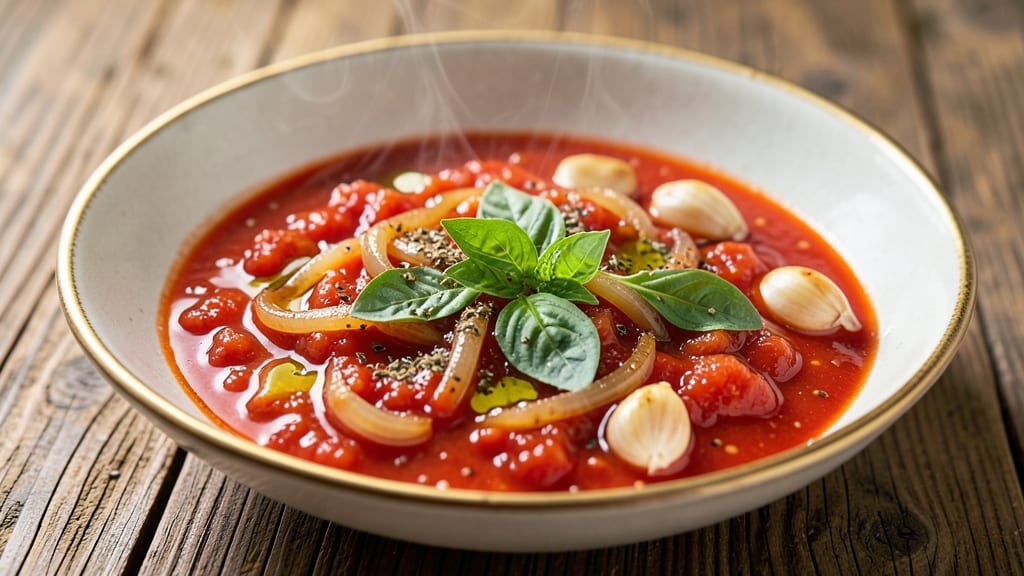
This fresh tomatoes marinara sauce recipe transforms vine-ripened produce into a vibrant, bright sauce that tastes like summer in every spoonful. The secret lies in using ripe tomatoes—peeled, seeded, and simmered with garlic, olive oil, and fresh basil until the flavors meld into a velvety, aromatic sauce.
I developed this recipe after years of testing, and it delivers restaurant-quality results in just 30 minutes without any canned shortcuts.
The beauty of this marinara is its simplicity: no complicated techniques, just fresh ingredients and a slow simmer to develop deep flavor. The sauce thickens naturally as it cooks, creating a perfect balance of sweetness from the tomatoes and brightness from the garlic and herbs.
It's the kind of sauce that transforms simple pasta into a gourmet meal or elevates grilled meats and roasted vegetables.
What makes this sauce truly special is its versatility—use it immediately for fresh pasta or pizza, or store it in the fridge for up to a week. The flavors only deepen over time, making it perfect for meal prep.
With just a few simple ingredients and a little patience, you'll have a homemade marinara that's brighter and more flavorful than anything store-bought.
This recipe is perfect for anyone who loves the taste of fresh tomatoes but wants to avoid the mess of canning or the blandness of jarred sauces.
The process is straightforward, and the result is a sauce that's worth every minute of simmering time. Let's get started on creating your own sun-ripened marinara.
Ingredients for fresh marinara sauce recipe with fresh tomatoes
Sun-ripened tomatoes and fresh herbs make this vibrant marinara shine in every spoonful.
| Ingredient | Amount | Notes |
|---|---|---|
| Fresh Vine-Ripe Tomatoes 🍅 | 2 lb | Peeled, seeded, chopped |
| Extra-Virgin Olive Oil 🫒 | ½ cup | High-quality, fruity |
| Garlic Cloves 🧄 | 6 cloves | Minced, fresh preferred |
| Yellow Onion 🧅 | 1 whole | Finely chopped |
| Fresh Basil Leaves 🌿 | ½ cup | Packed, stems removed |
| Dried Oregano 🍃 | 1 tsp | Or 1 tbsp fresh |
| Sea Salt 🧂 | 1 ½ tsp | Diamond Crystal preferred |
| Ground Black Pepper 🌶️ | ½ tsp | Freshly ground |
| Red Wine Vinegar 🍷 | 1 tbsp | Brightens flavor |
| Sugar 🍯 | 1 tsp | Balances acidity |
Tomatoes are the star—vine-ripened ones have the best flavor. Hit up your local farmers market for the sweetest, juiciest ones, or grab Heirloom or Roma tomatoes from the grocery store. I usually buy a few extra pounds to make sure I get perfectly ripe ones. The basil? Fresh is non-negotiable—dried just won't cut it here. If you can't find fresh, skip it entirely rather than using dried. For the olive oil, Californian or Italian varieties work best—they've got that fruity punch you want in the sauce.
No fresh basil? Skip it—this sauce is still delicious without it. Want to skip the red wine vinegar? A splash of lemon juice works in a pinch. The sugar might seem odd, but it's there to balance the acidity from the tomatoes and vinegar—don't skip it unless your tomatoes are incredibly sweet. For the garlic, roast it first if you want a sweeter flavor (just toss whole cloves in the oven at 400°F for 10 minutes). The oregano can be swapped for fresh marjoram if you've got it.
This sauce tastes even better the next day as the flavors meld. Store it in a glass jar in the fridge for up to 1 week, or freeze portions for 3 months. I like to portion it into ice cube trays for easy single-serve use. The sauce thickens as it cooks, but if it's too thin, simmer uncovered for another 10 minutes. If it gets too thick, stir in a splash of water or broth. Trust me—every spoonful tastes like summer.
Why You'll Love This Recipe
- No Chopping Chaos: I swear by this—just slice the tomatoes in half, roast them whole, and let the oven do the work. The skins peel right off, no knife skills required, and you’re left with that deep, sweet tomato flavor that’s impossible to beat.
- Garlic-Basil Magic: Between us, the moment those fresh basil leaves hit the simmering sauce is pure satisfaction. The garlic softens into a mellow sweetness while the basil brightens everything—like a little burst of summer in every spoonful.
- Pasta Party Ready: This sauce doubles as my go-to for weeknight dinners and Sunday potlucks. Toss it with spaghetti for a quick meal, or use it as a marinade for grilled chicken. Honestly, it’s the one sauce that never disappoints, no matter the occasion.
- Budget-Friendly Luxury: Fresh tomatoes might seem pricier, but they stretch further than canned—no watery texture, no aftertaste. A single batch feeds my family for days, and the olive oil adds richness without breaking the bank. (Yes, even on a Tuesday night.)
Step-by-step instructions for fresh tomatoes marinara sauce
Here's how to transform sun-ripened tomatoes into vibrant, bright marinara in just 30 minutes.
Sauté Aromatics in Olive Oil
Heat the 0.5 cup extra-virgin olive oil in a large, heavy-bottomed saucepan over medium heat. Add the 1 whole yellow onion and 6 cloves garlic cloves, both finely chopped, and cook until the onion becomes translucent and the garlic releases its aroma—about 5 minutes. You'll smell that sweet, savory base developing, which forms the foundation of your sauce.
Here's the thing—don't let the garlic burn. It should be golden and fragrant, not browned and bitter. If it starts to darken too quickly, reduce the heat slightly. This step ensures your sauce has depth without bitterness. Once the aromatics are ready, you'll notice the oil will be infused with their flavors, creating a beautiful aroma that fills your kitchen.
Add Tomatoes and Simmer
Pour in the 2 lb fresh vine-ripe tomatoes, chopped and ready to go. Add the 1 tbsp red wine vinegar and 1 tsp sugar to balance the acidity of the tomatoes. Stir well to combine everything, then bring the mixture to a gentle boil over medium-high heat. Once boiling, reduce the heat to low and let it simmer uncovered for 15-20 minutes.
During this time, stir occasionally to prevent the sauce from sticking to the bottom. You're looking for the sauce to thicken slightly and the tomatoes to break down into a smooth, velvety consistency. If the sauce becomes too thick before the tomatoes have fully cooked down, add a splash of water—just enough to loosen it while maintaining the rich texture. This simmering process is where the natural sweetness of the tomatoes really comes through.
Season and Finish
After the tomatoes have softened and the sauce has thickened, stir in the 1 tsp dried oregano, 1.5 tsp sea salt, and 0.5 tsp ground black pepper. Taste the sauce and adjust the seasoning if needed—this is your chance to fine-tune the balance of flavors. You want a harmonious blend of sweetness, acidity, and herbs.
Now, add the 0.5 cup fresh basil leaves, packed and stems removed. Let the sauce simmer for another 5 minutes to allow the basil to infuse its fresh, bright flavor. The basil should wilt slightly, releasing its essence into the sauce. This is the moment that matters: the basil transforms the sauce from good to extraordinary, giving it that signature fresh, garden-like brightness.
Blend for Smoothness (Optional)
For a completely smooth sauce, use an immersion blender to blend the mixture directly in the pot until you achieve your desired consistency. If you prefer a rustic texture with some chunks, skip blending and proceed to the next step. Either way, the sauce should be vibrant and full of flavor.
If you choose to blend, be cautious not to over-blend, as this can make the sauce too thin. A quick pulse or two is often enough to achieve a velvety texture without losing the natural body of the tomatoes. Once blended, return the sauce to the pot and let it simmer for an additional 2-3 minutes to ensure all the flavors meld together perfectly.
Serve Warm and Enjoy
Transfer the marinara sauce to a serving bowl and let it sit for a few minutes to cool slightly. This sauce is best served warm, so if you're not using it immediately, keep it on low heat or transfer it to a clean pot and reheat gently. The sauce should coat the back of a spoon and have a glossy sheen, indicating it's reached the perfect consistency.
Serve your fresh tomatoes marinara sauce over your favorite pasta, drizzled with a little more extra-virgin olive oil, or use it as a topping for grilled meats and cheeses. Each spoonful should burst with the bright, sun-ripened flavor of the tomatoes, complemented by the aromatic herbs and rich olive oil. You've just made a sauce that's as fresh and vibrant as summer itself!
Pro Tips For Making Fresh Marinara Sauce Recipe With Fresh Tomatoes
- CHAR THE ONION LOW: I learned this the hard way—if you brown the onion too fast, it’ll turn bitter and ruin the sauce. Instead, cook it on medium-low with a splash of water or a pinch of sugar to draw out the sweetness while keeping it soft and flavorful.
- SALT THE TOMATOES FIRST: This isn’t just about seasoning—it’s about texture. Sprinkle a generous pinch of salt over halved tomatoes, let them sit 10 minutes, then pat dry. The salt pulls out excess water, so your sauce won’t be watery later.
- CRUSH THE GARLIC GRADUALLY: Whole cloves burn in seconds. Start by smashing them flat with the side of your knife, then add them to the pot one at a time. If the oil smells harsh, pull the pan off the heat for 30 seconds—your sauce will taste balanced, not bitter.
- RESERVE THE BASIL LATE: Fresh basil wilts and turns bitter if simmered. Tear a few leaves, stir them in only at the very end, and remove them before serving. (Yes, even if you’re impatient like me—your future self will notice the difference.)
Serving suggestions for this recipe
Pasta Pairings
This vibrant marinara shines brightest with al dente pasta like spaghetti or linguine, where the sauce clings beautifully to each strand. For a rustic touch, try bucatini or rigatoni—those hollow tubes trap the sauce like little flavor pockets.
I love tossing it with whole wheat penne for extra texture and a nutty bite. Remember, the sauce should coat the pasta but still leave it visible—this ensures every bite bursts with fresh tomato flavor. 🍝
Grilled Meats
Marinara isn't just for pasta—it's a showstopper on grilled meats too. Drizzle it over grilled chicken breasts or steak in the last few minutes of cooking for a sweet, tangy finish.
For a hearty dish, spoon it onto grilled pork chops or lamb chops and top with fresh mozzarella and balsamic glaze. The acidity in the sauce cuts through the richness of the meat perfectly.
I often serve this with a side of garlic bread to soak up any extra sauce. 🍖
Vegetable Sides
Transform roasted vegetables into a gourmet dish by tossing them in warm marinara. Try eggplant, zucchini, or bell peppers—their natural sweetness pairs beautifully with the sauce's acidity. For a hearty side, mix it with roasted potatoes and caramelized onions.
The sauce also elevates grilled asparagus or brussels sprouts—just drizzle it on top and broil for a minute to melt the flavors together. 🥦
Cheese Boards
Create a showstopping appetizer by serving warm marinara in small bowls alongside fresh mozzarella, burrata, and provolone. The sauce's brightness cuts through the creaminess of the cheese, while crusty bread or toasted baguette slices provide the perfect crunch.
Add roasted cherry tomatoes and fresh basil for extra freshness. This combo is perfect for game days or dinner parties—it's always a crowd-pleaser. 🧀
Breakfast Twist
Who says marinara is just for dinner? Use it to elevate breakfast scrambles or omelets—just stir a spoonful into beaten eggs before cooking. It also makes an amazing bruschetta topping for weekend brunches.
For a heartier meal, spread it on toasted sourdough with a fried egg on top. The sweetness of the tomatoes balances the richness of the egg yolks beautifully. 🍳
Meal Prep Tips
Make a big batch of this marinara and store it in glass jars in the fridge for up to 1 week or freeze it in ice cube trays for easy single-serving portions. Reheat gently on the stove with a splash of water to restore its silky texture.
I like to portion it into small containers for quick lunches—just toss with leftover pasta or use as a dip for veggie sticks. The flavors only get better as they sit, so don't hesitate to make extra. ❄️
Nutrition facts
Frequently asked questions
Can I use green or unripe tomatoes for this marinara?
I don't recommend it! Green tomatoes lack the natural sweetness and juiciness that makes this sauce shine. The recipe relies on ripe, vine-ripened tomatoes for that perfect balance of acidity and sweetness. If you only have green tomatoes, roast them first at 400°F for 20 minutes to concentrate their flavors before using.
How do I adjust this sauce for a vegetarian or vegan diet?
This recipe is already vegetarian-friendly! For vegan, simply ensure your olive oil is vegan-certified and check that your dried oregano doesn't contain animal products. The sauce's rich tomato flavor comes through beautifully without any animal ingredients. The only thing to watch is if you're using balsamic glaze later—some contain honey.
What's the best way to store leftover marinara?
Store in an airtight glass container in the fridge for up to 1 week, or freeze in ice cube trays for single-serving portions. When reheating, add a splash of water to restore the silky texture. The sauce actually improves overnight as flavors meld! For long-term storage, freeze in silicone molds for easy portioning.
Can I make this sauce without basil?
While fresh basil adds that signature brightness, this sauce will still be delicious without it. For a similar flavor, try fresh thyme or Italian parsley. If you prefer dried herbs, use 1/2 tsp dried basil instead of fresh—just remember it won't have the same vibrant aroma.
Why did my sauce turn out too acidic?
This usually happens when using overly ripe tomatoes with high acidity or omitting the sugar. Next time, balance with 1 tsp sugar and taste frequently during simmering. If it's already too acidic, stir in 1 tsp honey or 1/2 tsp more sugar while reheating. The red wine vinegar should be used sparingly—start with just 1/2 tbsp if you're unsure.